








How to evaluate battery swap vs fast charge for electric go karts?
Explore the key considerations for electric go kart operators when choosing between battery swapping and fast charging solutions, including cost, downtime, and operational efficiency.
Electric Go Karts: Evaluating Battery Swap vs. Fast Charging
As the electric go kart industry continues to evolve, operators face critical decisions regarding battery management to ensure optimal performance and customer satisfaction. Two primary strategies are commonly considered: battery swapping and fast charging. This article delves into the advantages and challenges of each approach to assist operators in making informed decisions.
1. What Are the Key Differences Between Battery Swapping and Fast Charging?
Battery Swapping involves replacing a depleted battery with a fully charged one, allowing for minimal downtime. This method is particularly beneficial in high-traffic venues where quick turnaround is essential.
Fast Charging utilizes high-powered chargers to recharge batteries rapidly, reducing the need for spare batteries and storage space. However, the charging time, even with fast chargers, may still be longer than the time required for a battery swap.
2. How Do Battery Swapping and Fast Charging Impact Operational Costs?
Battery Swapping requires investment in additional batteries and a swapping infrastructure, which can be capital-intensive. However, it minimizes downtime, potentially increasing throughput and revenue.
Fast Charging necessitates the installation of high-capacity charging stations, which can be costly. Additionally, the wear and tear on batteries due to frequent fast charging may lead to shorter battery lifespans, increasing replacement costs over time.
3. What Are the Maintenance Considerations for Each Method?
Battery Swapping demands regular maintenance of spare batteries and the swapping mechanism. Ensuring that spare batteries are always fully charged and ready for use is crucial to avoid operational disruptions.
Fast Charging places significant stress on battery cells due to rapid charging cycles, potentially leading to faster degradation. Implementing effective thermal management systems and monitoring battery health are essential to mitigate these effects.
4. How Do Battery Swapping and Fast Charging Affect Customer Experience?
Battery Swapping offers immediate availability of fully charged karts, reducing wait times and enhancing customer satisfaction. However, the quality of the swapped battery must be consistent to maintain performance standards.
Fast Charging may result in longer wait times for customers, especially during peak hours. Managing customer expectations and providing engaging activities during charging periods can help maintain a positive experience.
5. What Are the Environmental Implications of Each Approach?
Battery Swapping can lead to increased transportation and logistics emissions associated with moving spare batteries. Additionally, the environmental impact of manufacturing and disposing of additional batteries must be considered.
Fast Charging reduces the need for spare batteries, potentially decreasing the environmental footprint associated with battery production and disposal. However, the environmental impact of increased electricity consumption, especially if sourced from non-renewable sources, should be evaluated.
6. How Do Battery Types Influence the Choice Between Battery Swapping and Fast Charging?
The choice of battery type significantly impacts the feasibility and efficiency of both methods. For instance, lithium-ion batteries, commonly used in electric go karts, offer faster charging capabilities and longer lifespans compared to lead-acid batteries. This makes fast charging a more viable option for venues utilizing lithium-ion batteries. Conversely, venues using lead-acid batteries may find battery swapping more practical due to longer charging times associated with these batteries.
7. What Are the Technological Advancements Affecting Battery Management Strategies?
Advancements in battery technology, such as the development of ultra-fast charging batteries, are continually influencing operational strategies. For example, companies like Solid Power are working on batteries that can be recharged in about 15 minutes, which could make fast charging more practical for high-throughput venues in the future.
8. How Should Operators Decide Between Battery Swapping and Fast Charging?
Operators should assess their specific operational needs, including customer volume, venue size, and budget constraints. A hybrid approach, combining both battery swapping and fast charging, may offer a balanced solution, leveraging the strengths of each method to optimize performance and customer satisfaction.
Conclusion: Why Choose ANCHI Amusement for Your Electric Go Kart Needs?
ANCHI Amusement stands out as a leading manufacturer of electric go karts, offering a comprehensive range of products designed to meet the diverse needs of operators. With a focus on quality, innovation, and customer support, ANCHI provides tailored solutions that enhance operational efficiency and deliver exceptional experiences for customers. Whether you're looking to implement battery swapping, fast charging, or a combination of both, ANCHI's expertise and product offerings can help you make the best choice for your venue.
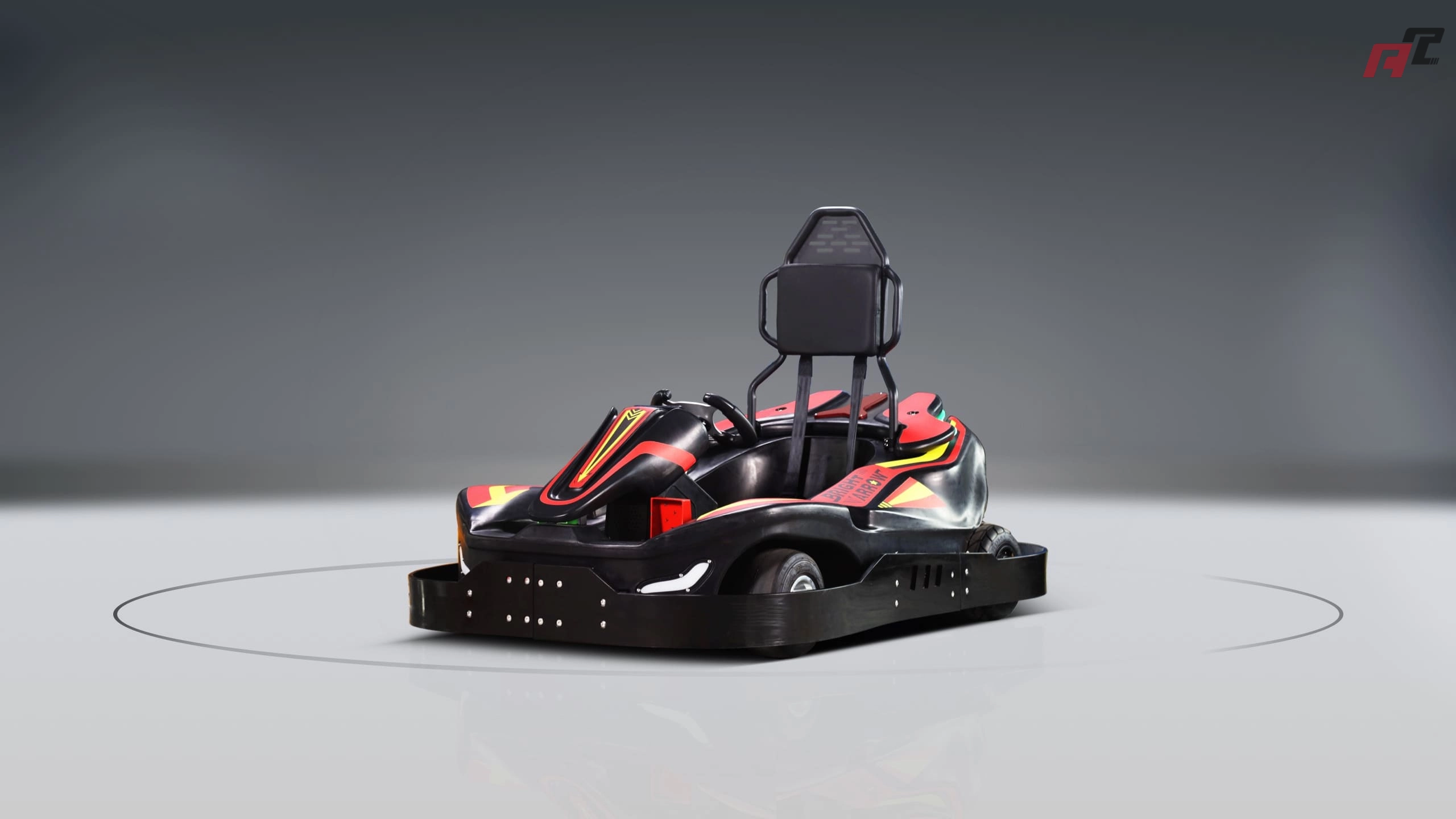
Bright Arrow Electric Go Karts
2024 new model with two powerful hub motors; each motor is 1000 watts with shock absorbers. It has fast-charging iron phosphate lithium that can be cycled 2000 times. It has three speeds. Remote control for starting, checking accounts, and setting volume. LCD dispay for showing speed, battery power, and game time.
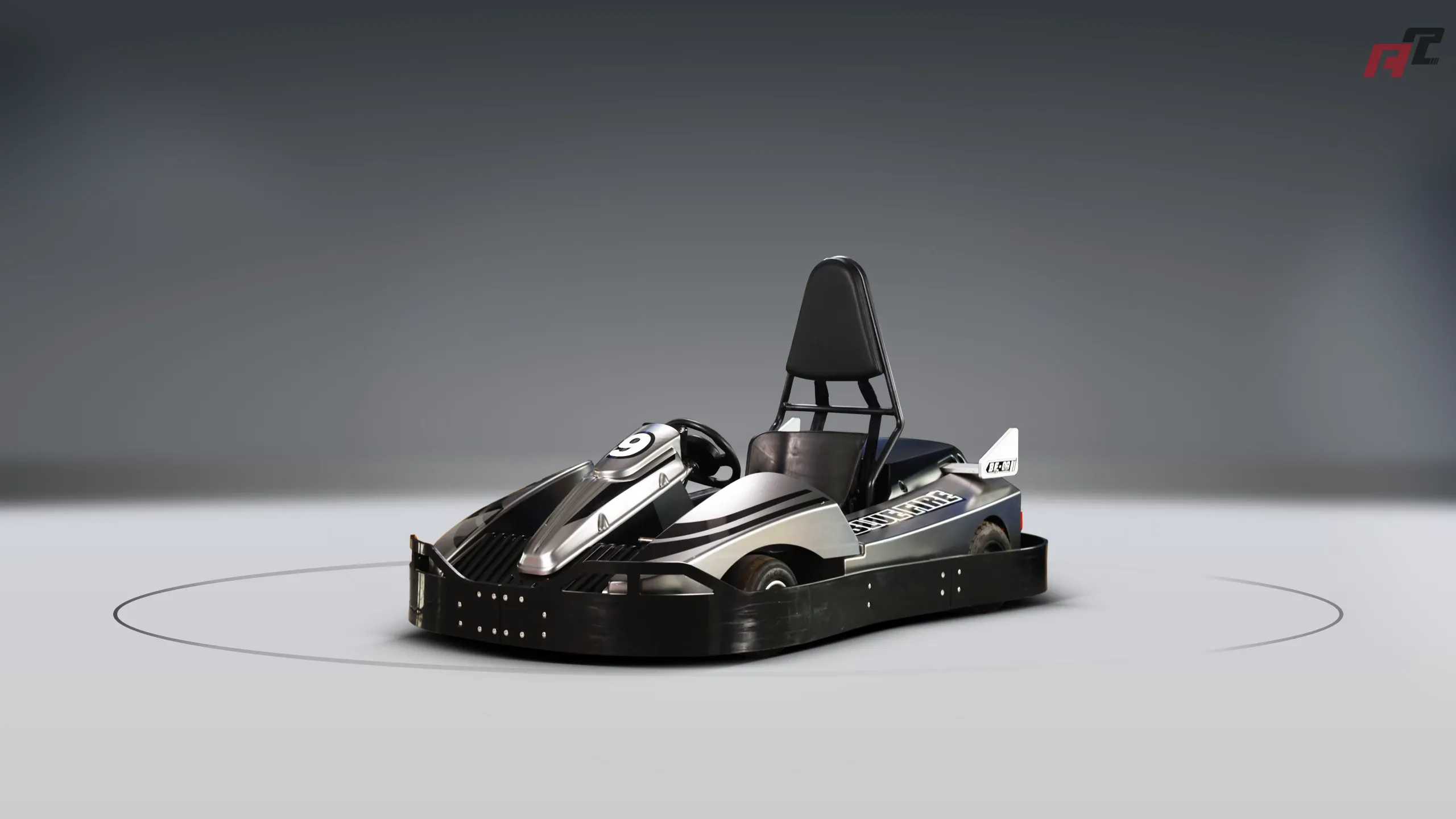
Blue Fire Electric Go Karts
Experience the thrill of speed with ANCHI's Blue Fire Electric Go Karts, perfect for both adults and kids. These high-performance electric go karts deliver unparalleled excitement while ensuring safety and reliability. Ideal for family fun or competitive racing, our electric go karts blend innovation with cutting-edge technology. Explore the future of racing with ANCHI, where performance meets sustainability. Discover more today and rev up your passion for adventure with our premium electric go karts.
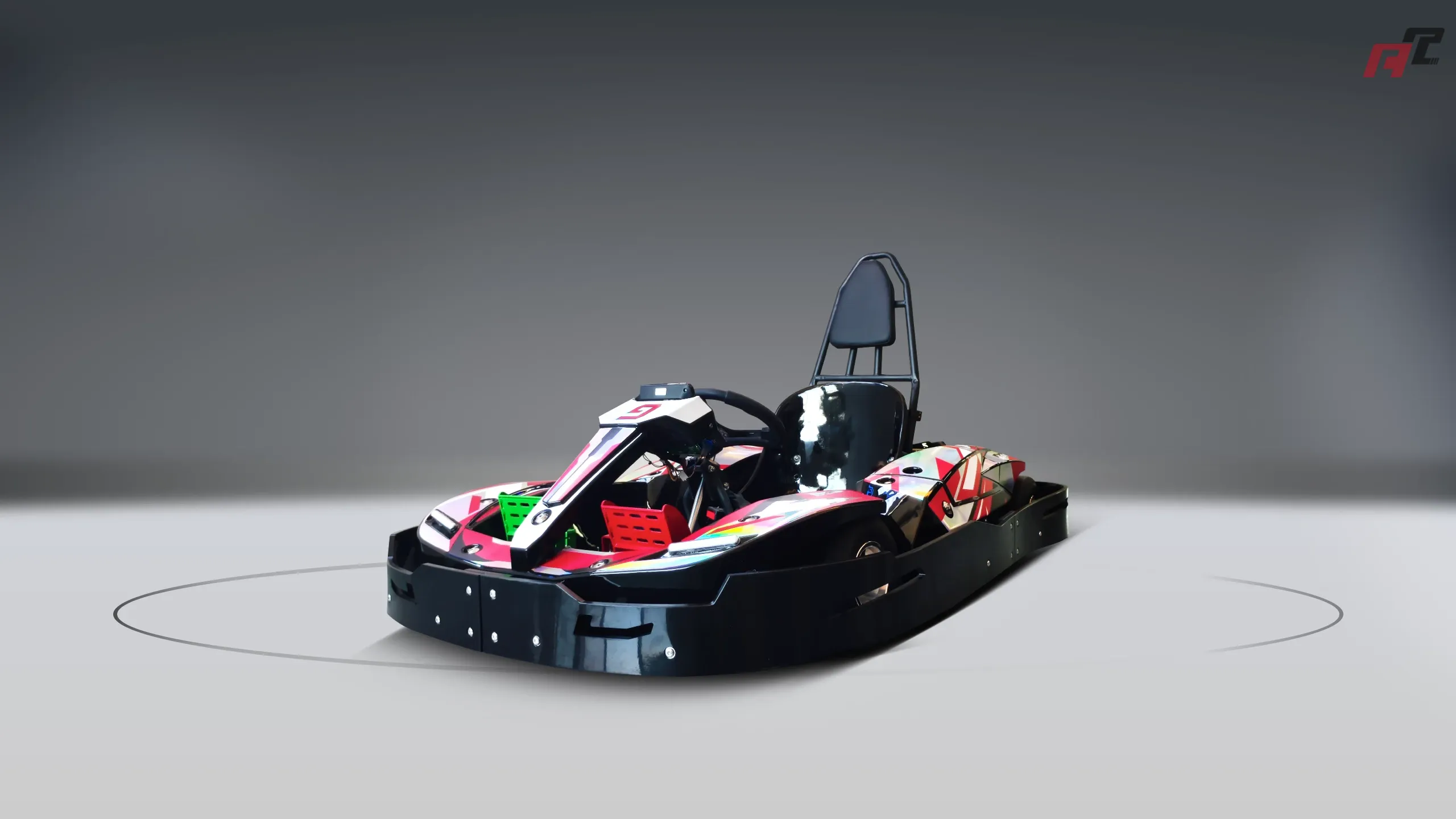
Cyclone RS 2025 1200W Electric Go-kart for Home Entertainment Centers
The Cyclone RS 2025 is a high-performance electric ride-on car designed for thrill-seekers, entertainment centers, and commercial amusement businesses. Built with a durable ABS body and reinforced metal chassis, it combines strength, safety, and speed for a superior driving experience. With a 1200W mid-mounted motor (peaking at 3600W), advanced control system, and long-lasting 72V20AH LiFePO₄ battery, this ride ensures both powerful performance and reliability.
Whether for amusement parks, game zones, rental businesses, or personal recreational use, the Cyclone RS 2025 delivers unmatched excitement and durability.
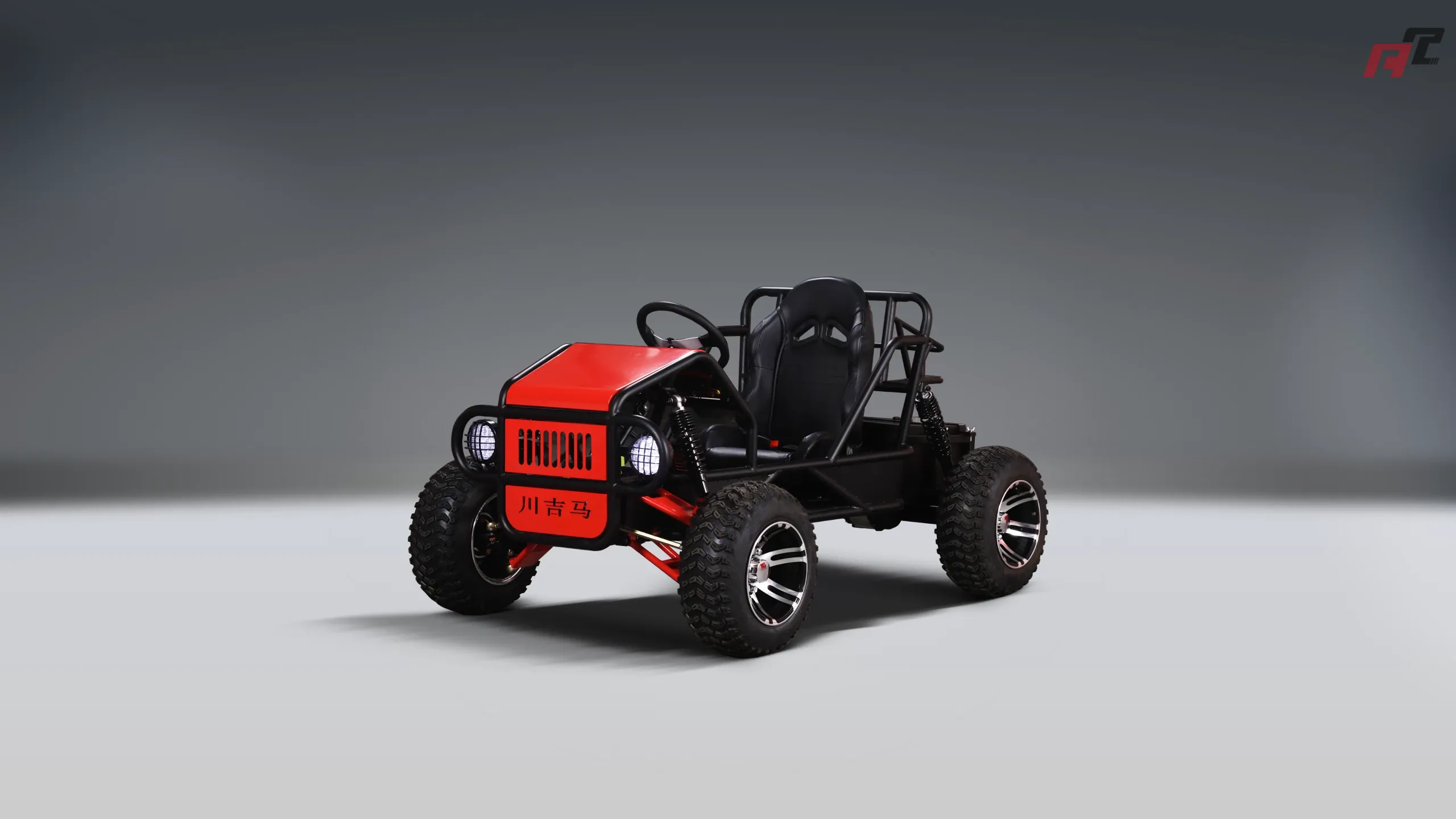
Kids Electric Off Roads One-seater ATV
Discover adventure with the ANCHI Kids Electric One-seater ATV, the perfect electric off-road experience for young explorers. Designed for safety and performance, this electric off-road go kart for kids offers unmatched thrills on any terrain. Its durable build and easy-to-use controls ensure a fun and safe ride. Ideal for budding adventurers, this ATV promises endless excitement. Explore the world with confidence with ANCHI’s innovative electric off-road solutions for kids.


