








What performance metrics should procurement require for electric karts?
A comprehensive guide on key performance metrics to consider when procuring electric go-karts, ensuring optimal performance, cost-efficiency, and customer satisfaction.
Essential Performance Metrics for Procuring Electric Go-Karts
When considering the procurement of electric go-karts for your facility, it's crucial to evaluate specific performance metrics to ensure optimal performance, cost-efficiency, and customer satisfaction. Below are key factors to consider:
1. Battery Life and Charging Efficiency
The longevity and efficiency of the battery directly impact operational costs and customer experience. Lithium-ion batteries, commonly used in electric go-karts, offer approximately 30% longer lifespans compared to lead-acid alternatives. Additionally, these batteries provide faster charging times, reducing downtime between sessions.
2. Maintenance Cost Percentage
Monitoring the maintenance cost percentage helps in budgeting and operational efficiency. In the go-karting industry, a maintenance cost percentage between 5-10% of total revenue is typical. Regular tracking of this metric reveals potential issues in fleet management and maintenance scheduling.
3. Track Utilization Rate
This metric measures how often your go-kart tracks are in use during operating hours. An optimal track utilization rate typically falls between 60% and 80%. Achieving a rate close to 70% indicates effective scheduling and high customer demand.
4. Environmental Impact Score
With increasing emphasis on sustainability, tracking the Environmental Impact Score is essential. This metric evaluates factors like energy consumption, waste management, and emissions. Implementing eco-friendly practices can lead to a 10%-15% reduction in energy costs.
5. Customer Satisfaction and Retention Rates
High customer satisfaction leads to increased repeat business and positive word-of-mouth. Monitoring customer satisfaction scores and retention rates helps in refining service offerings and enhancing the overall experience.
6. Revenue Per Kart Hour
This financial metric assesses the revenue generated per kart per hour. A benchmark of around $150 per hour is considered optimal, indicating effective pricing strategies and high customer demand.
7. Safety Incident Rate
Ensuring customer safety is paramount. Aiming for less than 1% of races resulting in incidents is recommended, reflecting well on your operational management and commitment to safety.
8. Labor Cost Percentage
Monitoring labor costs ensures efficient staffing and operational efficiency. Maintaining a labor cost percentage around 30% helps in controlling expenses and optimizing profitability.
9. Energy Consumption and Sustainability Metrics
Tracking energy usage and implementing sustainable practices not only reduces operational costs but also appeals to eco-conscious customers. Initiatives such as energy-efficient lighting systems and smart climate controls can decrease energy consumption while reducing the overall carbon footprint.
10. Battery Supply Chain Stability
The availability and cost of batteries are critical for scalability. Disruptions in the battery supply chain can significantly hinder market scalability. Strategic partnerships along the supply chain become increasingly essential as players seek resilience amid these challenges.
Conclusion
By carefully evaluating these performance metrics, you can make informed decisions when procuring electric go-karts, ensuring a balance between performance, cost-efficiency, and customer satisfaction.
ANCHI Amusement offers a range of high-quality electric go-karts designed to meet these performance metrics, ensuring a superior experience for both operators and customers.
Note: The data and insights provided are based on industry standards and may vary based on specific models and operational conditions.
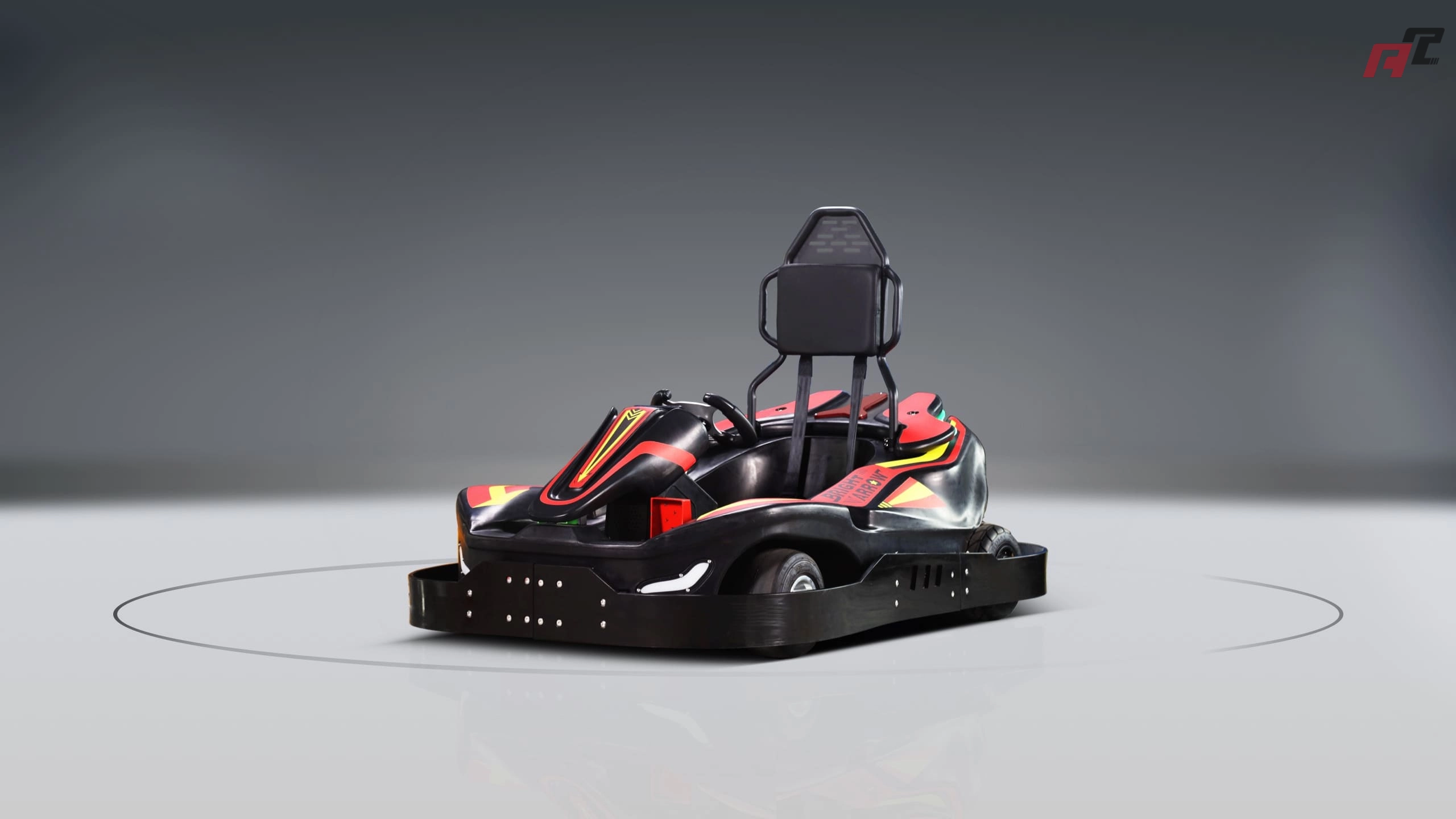
Bright Arrow Electric Go Karts
2024 new model with two powerful hub motors; each motor is 1000 watts with shock absorbers. It has fast-charging iron phosphate lithium that can be cycled 2000 times. It has three speeds. Remote control for starting, checking accounts, and setting volume. LCD dispay for showing speed, battery power, and game time.
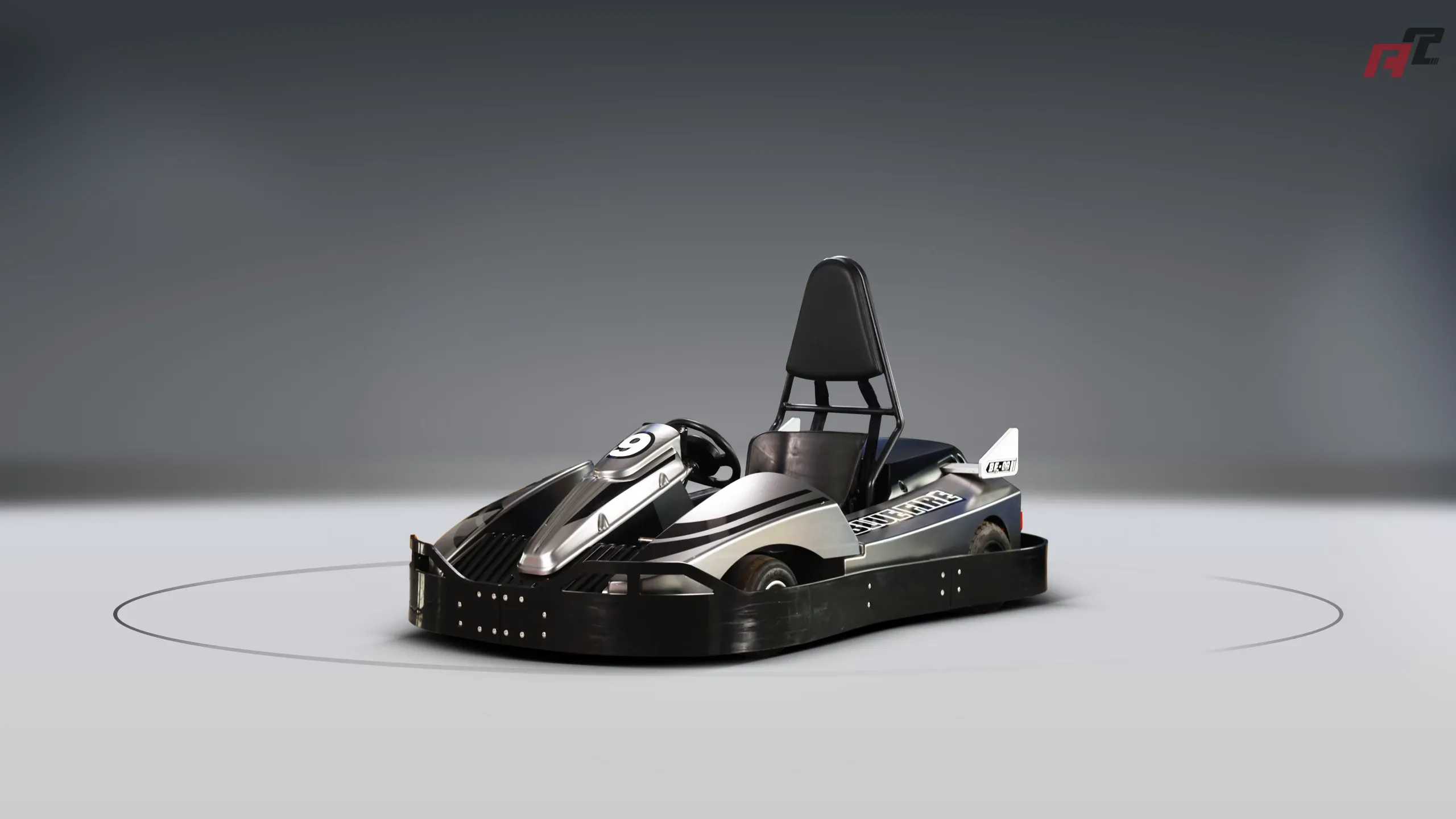
Blue Fire Electric Go Karts
Experience the thrill of speed with ANCHI's Blue Fire Electric Go Karts, perfect for both adults and kids. These high-performance electric go karts deliver unparalleled excitement while ensuring safety and reliability. Ideal for family fun or competitive racing, our electric go karts blend innovation with cutting-edge technology. Explore the future of racing with ANCHI, where performance meets sustainability. Discover more today and rev up your passion for adventure with our premium electric go karts.
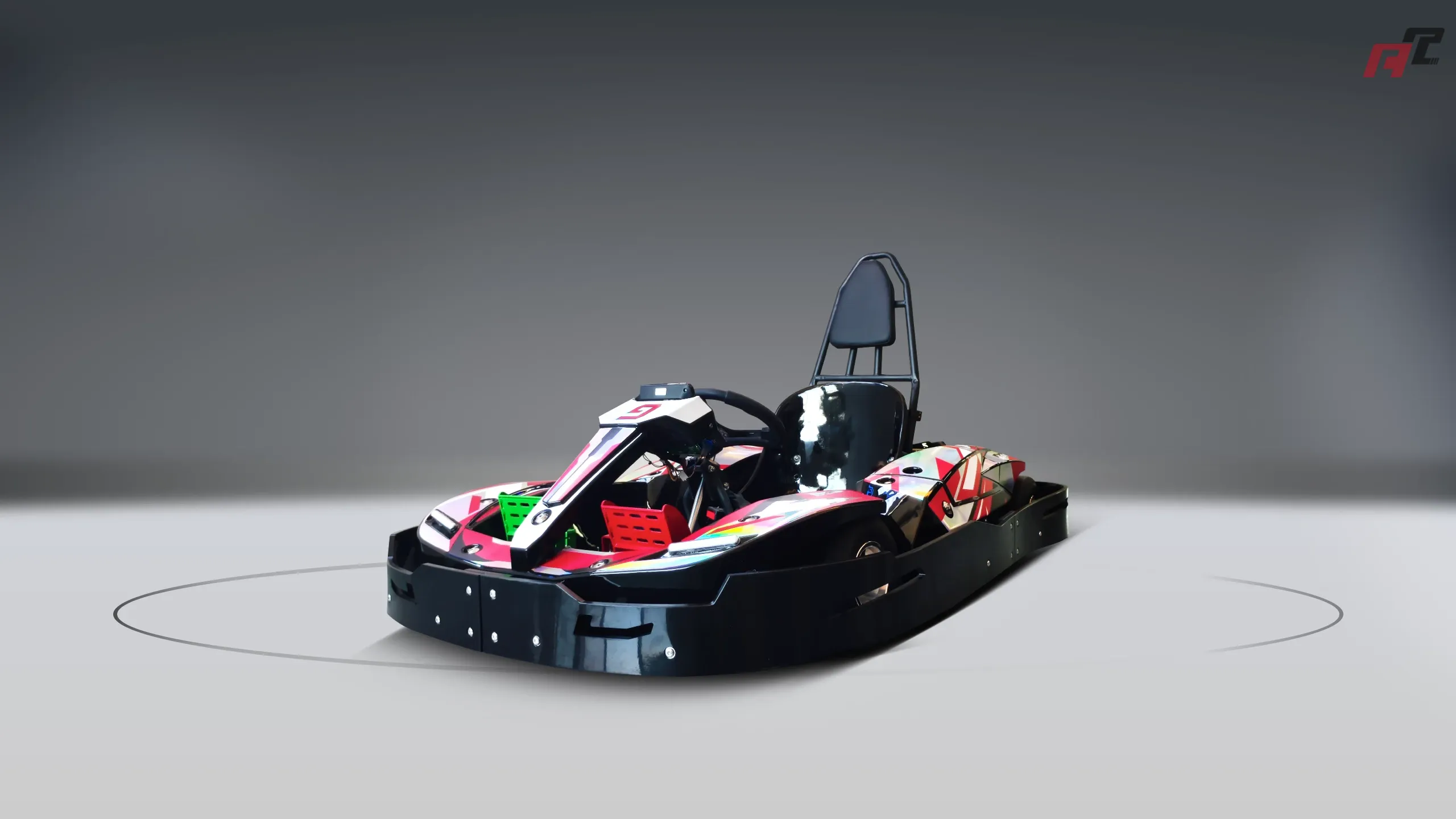
Cyclone RS 2025 1200W Electric Go-kart for Home Entertainment Centers
The Cyclone RS 2025 is a high-performance electric ride-on car designed for thrill-seekers, entertainment centers, and commercial amusement businesses. Built with a durable ABS body and reinforced metal chassis, it combines strength, safety, and speed for a superior driving experience. With a 1200W mid-mounted motor (peaking at 3600W), advanced control system, and long-lasting 72V20AH LiFePO₄ battery, this ride ensures both powerful performance and reliability.
Whether for amusement parks, game zones, rental businesses, or personal recreational use, the Cyclone RS 2025 delivers unmatched excitement and durability.
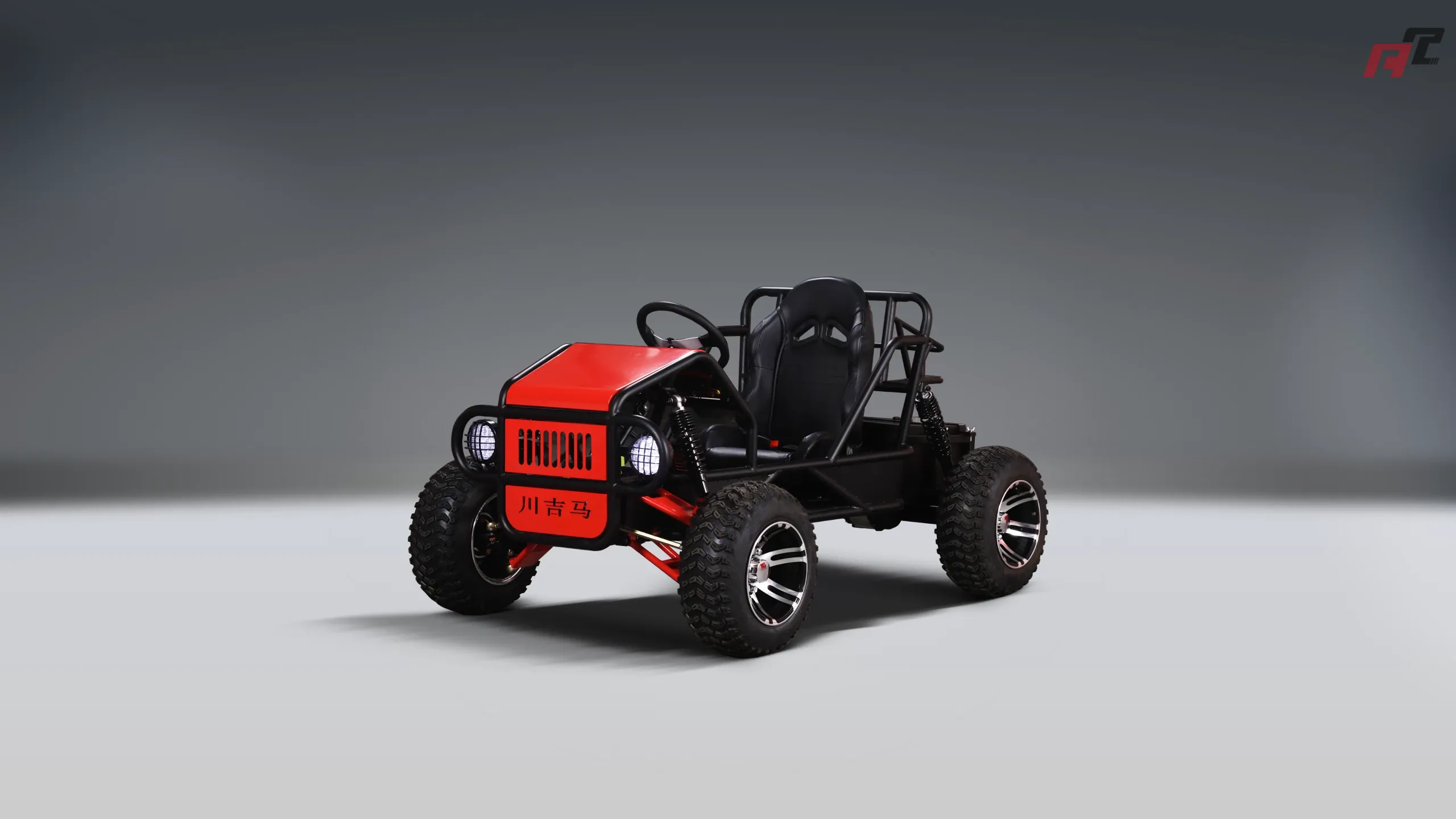
Kids Electric Off Roads One-seater ATV
Discover adventure with the ANCHI Kids Electric One-seater ATV, the perfect electric off-road experience for young explorers. Designed for safety and performance, this electric off-road go kart for kids offers unmatched thrills on any terrain. Its durable build and easy-to-use controls ensure a fun and safe ride. Ideal for budding adventurers, this ATV promises endless excitement. Explore the world with confidence with ANCHI’s innovative electric off-road solutions for kids.


