







What are the key procurement KPIs for electric go kart fleets?
Explore essential Key Performance Indicators (KPIs) for procuring electric go-kart fleets, including maintenance costs, labor expenses, and operational efficiency metrics.
Key Procurement KPIs for Electric Go-Kart Fleets
When considering the procurement of electric go-kart fleets, it's crucial to evaluate specific Key Performance Indicators (KPIs) to ensure operational efficiency, cost-effectiveness, and customer satisfaction. Below are the top KPIs to consider:
1. Maintenance Cost Percentage
Definition:
This KPI measures the proportion of total revenue allocated to maintaining the go-kart fleet. It reflects the operational efficiency and reliability of the karts.
Industry Benchmark:
In the go-karting industry, a Maintenance Cost Percentage between 5-10% is typical, varying based on fleet age and technology. Maintaining costs within these benchmarks is crucial for ensuring financial health in go-karting and reflects well on your overall operational management.
Calculation:
(Total Maintenance Costs / Total Revenue) x 100%
Example:
If a facility incurs $2,000 in maintenance costs and generates $20,000 in revenue, the Maintenance Cost Percentage would be:
(2,000 / 20,000) x 100% = 10%
Improvement Tips:
- Implement a rigorous preventive maintenance schedule to mitigate unexpected expenses.
- Negotiate contracts with suppliers to secure better pricing on parts and services.
- Leverage data-driven dashboards for real-time insights, ensuring costs stay within the desired range.
2. Labor Cost Percentage
Definition:
This KPI evaluates the total labor expenses as a percentage of revenue, indicating staffing efficiency and operational effectiveness.
Industry Benchmark:
In the entertainment services industry, labor cost percentage typically ranges between 20% and 30%.
Calculation:
(Total Labor Costs / Total Revenue) x 100%
Example:
If a facility has labor costs of $15,000 and revenue of $50,000:
(15,000 / 50,000) x 100% = 30%
Improvement Tips:
- Optimize scheduling to align staff shifts with peak track utilization.
- Invest in training to enhance efficiency and reduce turnover.
- Adopt automation tools for real-time labor tracking and adjustments.
3. Track Utilization Rate
Definition:
This metric assesses how effectively the go-kart track is being used, indicating potential revenue opportunities.
Industry Benchmark:
A utilization rate of 60-70% is generally ideal.
Calculation:
(Total Operating Hours / Available Hours) x 100%
Improvement Tips:
- Analyze peak and off-peak times to adjust pricing strategies.
- Implement marketing campaigns to boost usage during slower periods.
- Enhance customer experience to encourage longer visits.
4. Customer Satisfaction Score
Definition:
This KPI measures customer feedback, reflecting the quality of the go-karting experience.
Industry Benchmark:
A score above 80% is typically considered excellent in the entertainment industry.
Calculation:
Aggregate customer survey responses and calculate the average satisfaction score.
Improvement Tips:
- Regularly collect and analyze customer feedback.
- Address common complaints promptly.
- Continuously improve facilities and services based on feedback.
5. Average Revenue Per Kart
Definition:
This metric evaluates the revenue generated by each go-kart, indicating profitability.
Industry Benchmark:
Aiming for an average of around $10,000 per kart annually can be a good benchmark.
Calculation:
Total Revenue / Number of Karts
Improvement Tips:
- Optimize pricing strategies to maximize revenue.
- Increase track utilization to boost earnings.
- Offer additional services or products to enhance revenue streams.
6. Kart Maintenance and Downtime Ratio
Definition:
This KPI measures the proportion of time that go-karts are out of commission due to maintenance and repairs compared to the total operational time.
Industry Benchmark:
The average Kart Maintenance and Downtime Ratio in the indoor go-karting industry ranges from 8% to 15%.
Calculation:
(Total Downtime for Maintenance and Repairs / Total Operational Time) x 100%
Example:
If the total downtime for maintenance and repairs during a month is 50 hours and the total operational time is 500 hours:
(50 / 500) x 100 = 10%
Improvement Tips:
- Implement a proactive maintenance schedule to minimize unscheduled downtime.
- Invest in high-quality kart components and regular inspections to reduce the need for repairs.
- Track the reasons for downtime to identify recurring issues and address them effectively.
7. Environmental Impact Score
Definition:
This metric assesses the reduction in emissions or waste, reflecting the facility's commitment to sustainability.
Improvement Tips:
- Implement energy-efficient practices.
- Invest in renewable energy sources.
- Promote eco-friendly initiatives to customers.
8. Employee Satisfaction Index
Definition:
This KPI measures staff engagement and happiness, correlating with service quality.
Industry Benchmark:
An index above 75% typically reflects a positive workplace environment.
Calculation:
Aggregate employee survey responses and calculate the average satisfaction score.
Improvement Tips:
- Provide comprehensive employee training.
- Foster a positive workplace culture.
- Offer competitive compensation and benefits.
By closely monitoring these KPIs, businesses can make informed decisions during the procurement process, ensuring the acquisition of a go-kart fleet that aligns with operational goals and customer expectations.
About ANCHI Amusement
ANCHI Amusement specializes in providing high-quality electric go-kart fleets tailored to meet the diverse needs of entertainment venues. With a focus on performance, safety, and customer satisfaction, ANCHI Amusement offers comprehensive solutions that include:
Advanced Technology:
- Integration of IoT-enabled telemetry and AI-powered performance analytics for real-time data on kart health and driver behavior.
Sustainability:
- Commitment to eco-friendly practices, including energy-efficient designs and reduced emissions.
Customization:
- Tailored solutions to fit various track types and customer demographics.
After-Sales Support:
- Robust support services, including training, maintenance, and spare parts availability.
Choosing ANCHI Amusement ensures a reliable partnership dedicated to enhancing your go-karting operations and delivering exceptional experiences to your customers.
Sources:
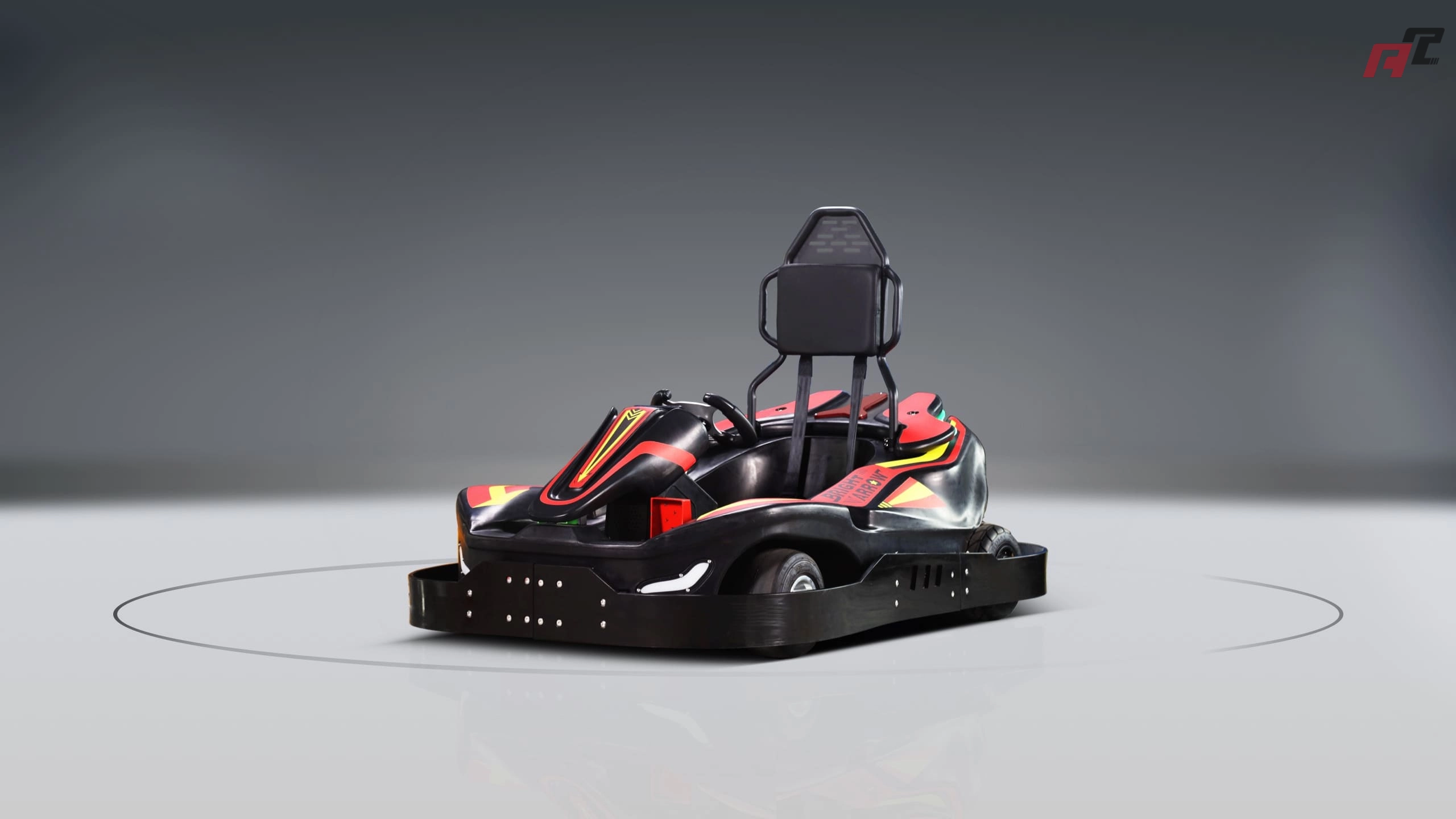
Bright Arrow Electric Go Karts
2024 new model with two powerful hub motors; each motor is 1000 watts with shock absorbers. It has fast-charging iron phosphate lithium that can be cycled 2000 times. It has three speeds. Remote control for starting, checking accounts, and setting volume. LCD dispay for showing speed, battery power, and game time.
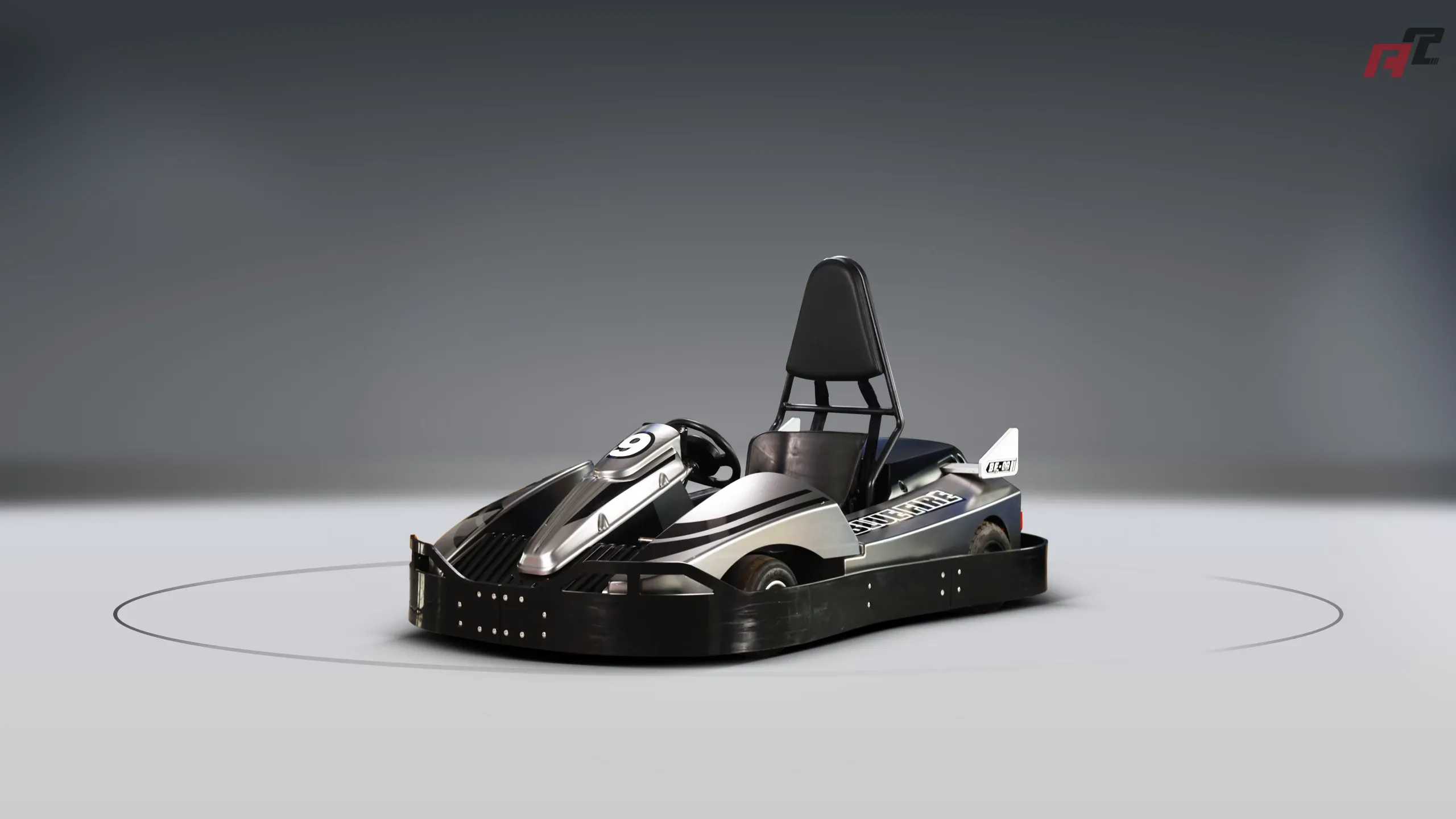
Blue Fire Electric Go Karts
Experience the thrill of speed with ANCHI's Blue Fire Electric Go Karts, perfect for both adults and kids. These high-performance electric go karts deliver unparalleled excitement while ensuring safety and reliability. Ideal for family fun or competitive racing, our electric go karts blend innovation with cutting-edge technology. Explore the future of racing with ANCHI, where performance meets sustainability. Discover more today and rev up your passion for adventure with our premium electric go karts.
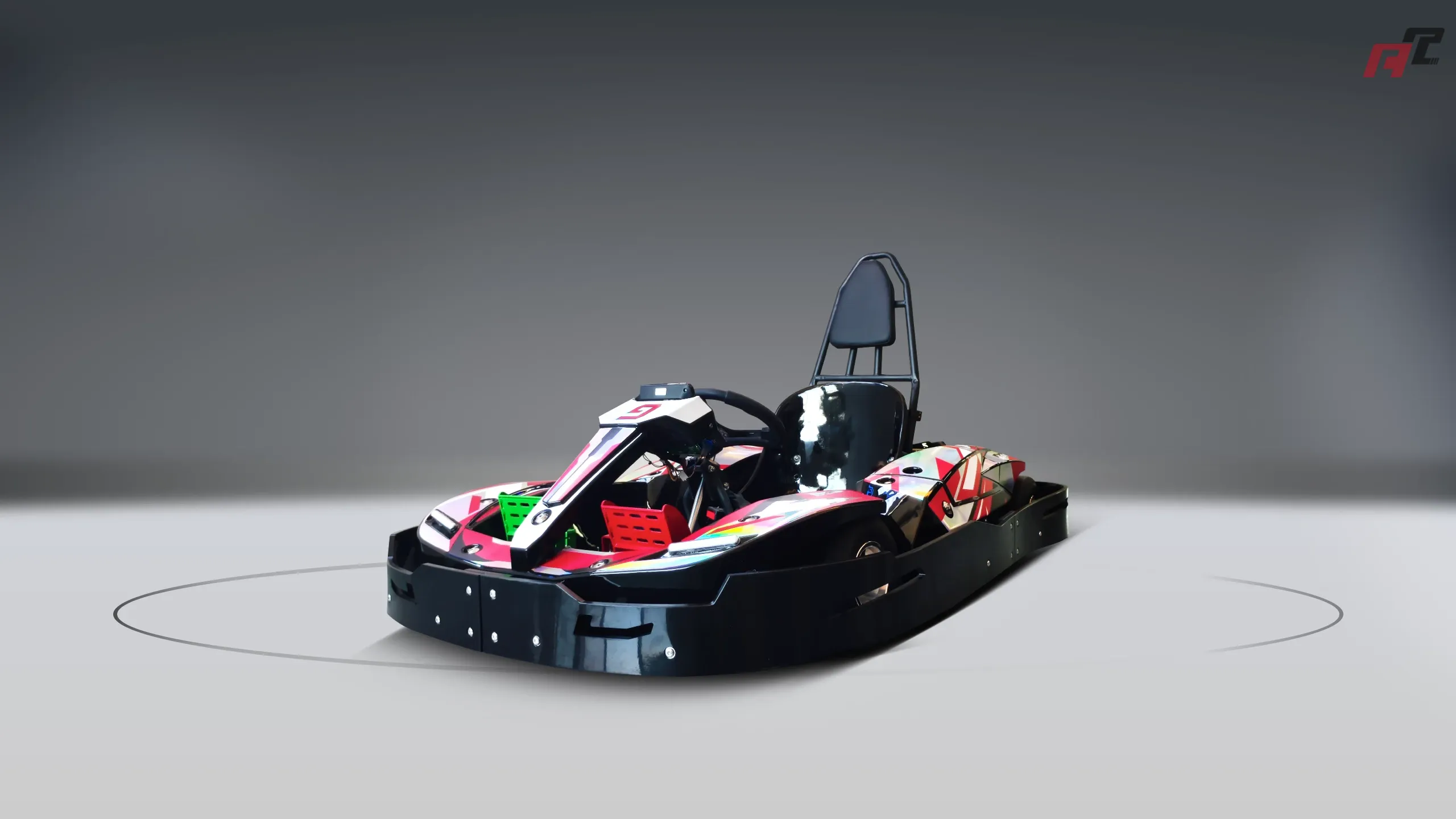
Cyclone RS 2025 1200W Electric Go-kart for Home Entertainment Centers
The Cyclone RS 2025 is a high-performance electric ride-on car designed for thrill-seekers, entertainment centers, and commercial amusement businesses. Built with a durable ABS body and reinforced metal chassis, it combines strength, safety, and speed for a superior driving experience. With a 1200W mid-mounted motor (peaking at 3600W), advanced control system, and long-lasting 72V20AH LiFePO₄ battery, this ride ensures both powerful performance and reliability.
Whether for amusement parks, game zones, rental businesses, or personal recreational use, the Cyclone RS 2025 delivers unmatched excitement and durability.
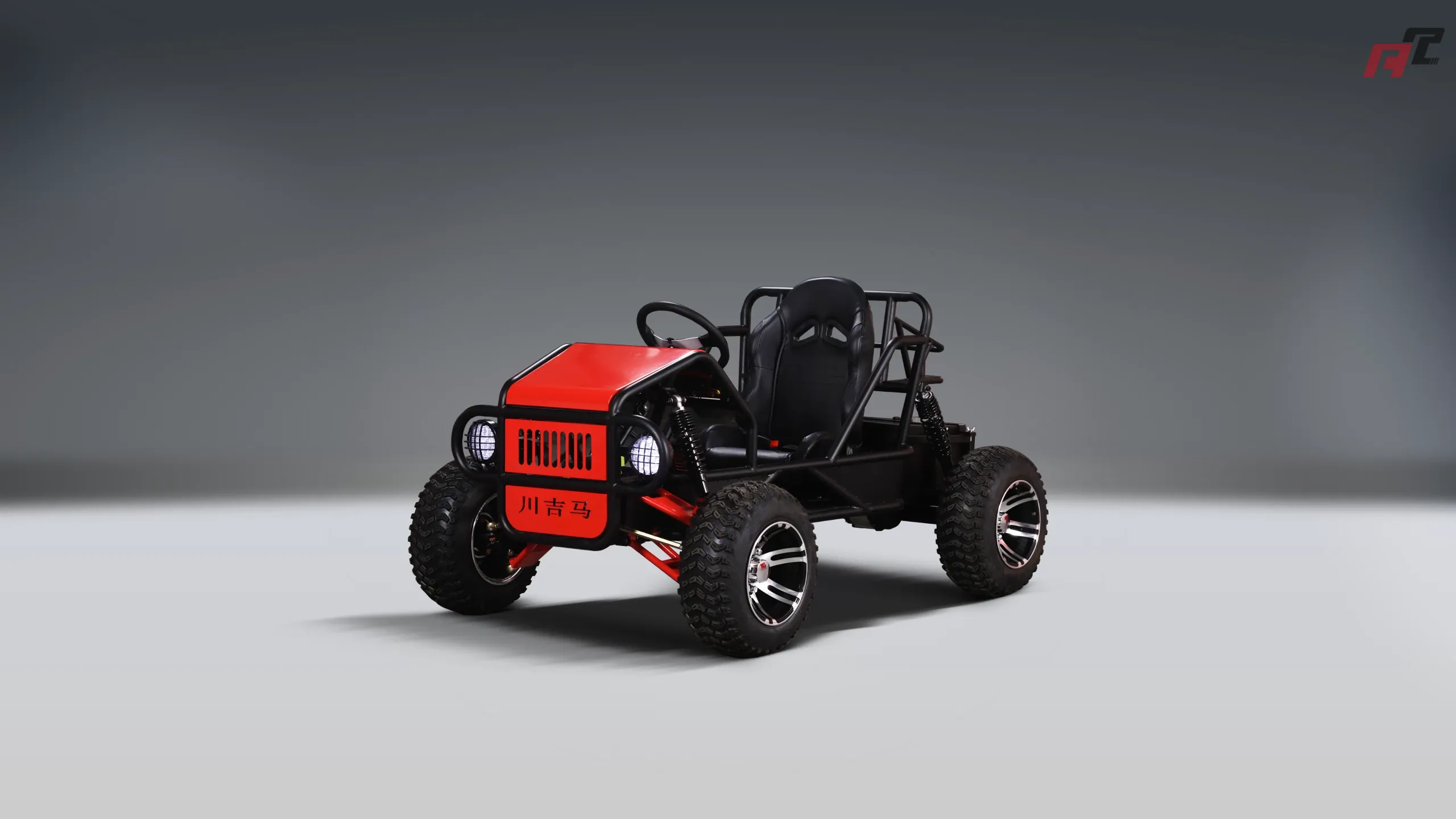
Kids Electric Off Roads One-seater ATV
Discover adventure with the ANCHI Kids Electric One-seater ATV, the perfect electric off-road experience for young explorers. Designed for safety and performance, this electric off-road go kart for kids offers unmatched thrills on any terrain. Its durable build and easy-to-use controls ensure a fun and safe ride. Ideal for budding adventurers, this ATV promises endless excitement. Explore the world with confidence with ANCHI’s innovative electric off-road solutions for kids.


