








Facility Power Requirements for Electric Grid vs. Battery Bumper Cars (2026 Guide)
A comprehensive 2026 guide for amusement venue owners detailing the facility power requirements for electric grid versus battery bumper cars, including NFPA 70 compliance, charging loads, and layout optimization.
When designing a modern Family Entertainment Center (FEC) or amusement park, one of the most critical yet frequently overlooked aspects is the underlying electrical infrastructure. Understanding your Facility Power Requirements is the foundational step in ensuring that your rides operate safely, efficiently, and profitably. In 2026, the amusement industry is at a crossroads between traditional, high-draw setups and modern, energy-efficient alternatives.
Whether you are installing classic floor-grid systems or upgrading to advanced battery-operated fleets, knowing exactly how much power your venue needs will prevent costly circuit overloads, mitigate fire hazards, and accurately forecast your monthly utility expenses. This comprehensive guide will walk you through the essential power calculations, safety standards, and venue design strategies needed to power your bumper car arena successfully.
What Are Facility Power Requirements for Bumper Cars?
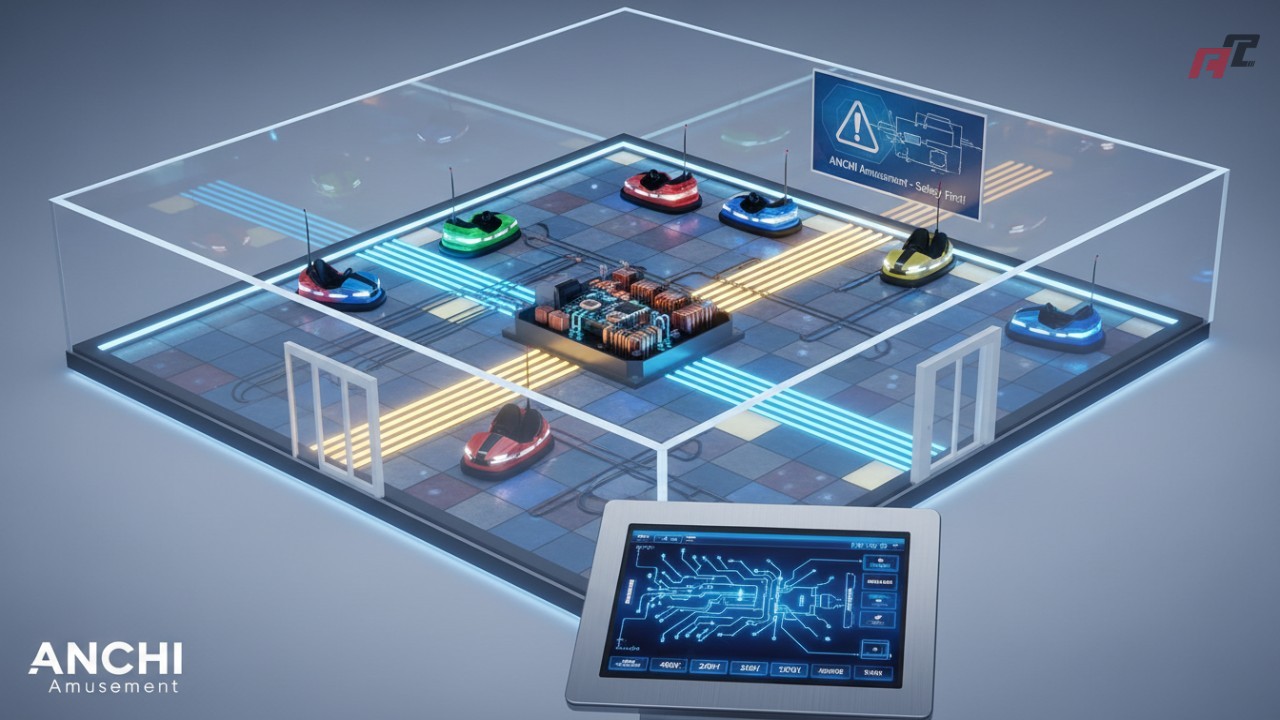
Facility power requirements for bumper cars define the total electrical load, voltage, and safety infrastructure needed to operate the rides safely. This includes calculating continuous amperage for traditional floor-grid systems and determining charging station capacities for modern battery-operated vehicles to ensure strict code compliance.
To operate legally and safely in the United States and many international markets, venue owners must adhere to strict NFPA 70 entertainment facility compliance. According to the National Fire Protection Association's NFPA 70 (National Electrical Code) , Article 522 specifically outlines the stringent control systems required for permanent amusement attractions. This involves specialized grounding, emergency disconnects (E-stops), and proper conduit protection for high-traffic public spaces.
Ignoring these amusement park electrical standards can lead to severe operational delays, failed inspections, and compromised guest safety. Facility managers must work closely with electrical engineers to ensure that the building's main power drop can handle the specific demands of commercial amusement equipment.
Key Takeaways: Grid-Powered vs. Battery Bumper Cars
The key difference between grid-powered and battery-powered bumper cars lies in their energy distribution and infrastructure demands. Grid systems require continuous high-voltage power through electrified floors, while battery systems rely on standard commercial 110V/220V power for dedicated charging stations, significantly simplifying electrical setups.
When evaluating which system is right for your venue, consider these foundational differences:
- Grid-Powered Systems: These require robust, continuous high-voltage power distribution systems. They rely on complex rectifiers and step-down transformers to electrify the floor or ceiling safely. The electric grid ceiling bumper car voltage and floor voltage typically demand dedicated three-phase power.
- Battery-Powered Systems: These eliminate the need for electrified floors entirely. Instead, they operate on internal batteries, shifting the facility's power requirement from the active arena floor to a dedicated charging zone.
- Decision Factors: Choosing between the two depends heavily on your facility's existing electrical service entrance capacity, your initial capital budget, and your long-term energy consumption goals for 2026 and beyond.
Analyzing Electric Grid Bumper Car Power Supply Needs
Electric grid bumper cars require direct current (DC) power, typically between 90V and 110V, demanding heavy-duty rectifiers to convert the facility's alternating current (AC). Facilities must install robust three-phase power systems to handle the high continuous draw of multiple operating vehicles simultaneously.
The electric grid ceiling bumper car voltage must be carefully regulated. Traditional floor and ceiling grid systems operate by drawing power continuously as the vehicles move across the conductive surface. This setup requires significant infrastructure:
- Three-Phase Power: Electric grid bumper car installations almost universally require three-phase electrical service to provide the stable, high-capacity load necessary to power multiple heavy motors without voltage drops.
- Rectifiers and Transformers: Heavy-duty commercial transformers are mandatory to convert the building's standard AC power into the required DC voltage.
- Cooling and Ventilation: Facilities must account for the significant heat generated by these massive transformers and factor additional power requirements for localized cooling in the electrical room.
- Safety Interlocks: Dedicated emergency shut-off circuits must be integrated into the primary electrical panel to meet local amusement park electrical standards.
Furthermore, facility owners must account for the mechanical wear and tear on the electrical brushes that connect the cars to the grid. As these brushes wear down, electrical resistance increases, which can subtly alter the power draw and efficiency of the arena over time.
Evaluating Battery Bumper Car Charging Station Loads
Evaluating a battery bumper car charging load requires multiplying a single charger's wattage by the total number of fleet vehicles charging simultaneously. These 24V or 48V internal battery systems shift the facility’s primary power draw from the active arena floor to a dedicated, off-peak charging zone.
Unlike grid systems that draw massive amounts of power during operational hours, battery systems allow for smart load management. Standard commercial battery bumper cars take between 4 to 8 hours to reach a full charge, drawing roughly 2 to 5 amps per unit. By charging vehicles overnight during off-peak energy hours, facilities can drastically reduce their overall electricity costs.
However, dedicated branch circuits are necessary. Facility managers must ensure that a charging bank fault does not trip breakers tied to facility lighting, arcade games, or other attractions. Properly calculating the battery bumper car charging load ensures that your electrical panel is perfectly balanced. In 2026, many venues are upgrading to advanced lithium-ion fleets, which allow for rapid "opportunity charging" between sessions, further optimizing the facility's power utilization.
2026 Trends: The Shift Towards Energy-Efficient Amusement Venues
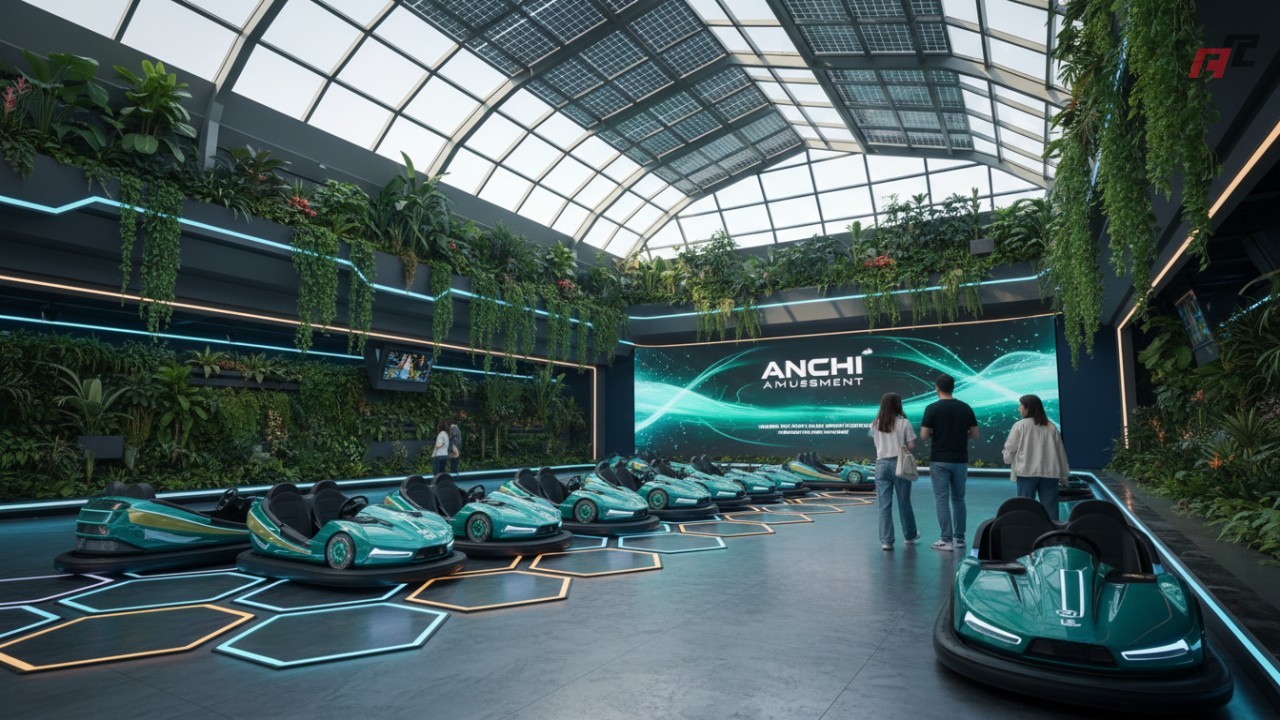
In 2026, amusement venues are actively shifting toward low-voltage battery systems to reduce peak electrical demand charges and integrate sustainable energy. Modern Family Entertainment Centers (FECs) are leveraging localized battery storage and solar power to offset the massive energy spikes associated with ride start-ups.
As electricity costs rise, the economic advantages of battery systems are becoming impossible to ignore. According to 2026 industry forecasts on commercial energy storage by Wood Mackenzie , the commercial sector is rapidly adopting advanced battery energy storage systems (BESS) to manage grid bottlenecks and power volatility. For amusement parks, this translates to a massive reduction in upfront infrastructure costs and long-term utility bills.
Data Comparison: Grid vs. Battery Bumper Cars
| Feature / Requirement | Electric Grid Bumper Cars | Battery Bumper Cars |
|---|---|---|
| Power Source | Electrified Floor / Ceiling (DC) | Internal 24V/48V Battery |
| Facility Infrastructure | Complex (Transformers, Rectifiers, 3-Phase) | Simple (Standard 110V/220V Outlets) |
| Peak Power Draw | High (Continuous during operation) | Low (Managed during off-peak charging) |
| Upfront Cost | Very High (Requires specialized arena flooring) | Moderate (Standard flooring, charging banks) |
| Maintenance | High (Floor polishing, brush replacement) | Low (Battery health monitoring, plug-in) |
| Energy Efficiency | Low (Conductive energy loss) | High (Direct charging, off-peak usage) |
Venue Design Solutions: Optimizing Power with ANCHI Amusement
Balancing high-thrill attractions with strict electrical efficiency requires expert venue planning and custom equipment engineering. Guangzhou Anchi Amusement Equipment Co., Ltd. provides comprehensive venue design solutions that seamlessly integrate electric amusement vehicles into your building's specific electrical load capabilities.
At ANCHI Amusement, we understand that building a profitable FEC goes beyond just buying rides; it requires holistic electrical and spatial planning. With over 5,000 square meters of production space and multiple assembly lines, our team of over 30 highly skilled technicians is at the forefront of technological advancement in the amusement sector.
We offer a wide array of amusement products, including inflatable bumper cars, laser battle bumper cars, drift bumper cars, and a full suite of electric karts. When clients approach us, they often struggle with commercial go-kart power estimation alongside their bumper car needs. Our R&D team ensures that your entire fleet—from adult electric karts to youth and children's off-road vehicles—is properly mapped to your facility's power grid.
To ensure your arena is properly laid out to accommodate these electrical needs, we highly recommend reviewing our Commercial Electric Bumper Car Arena Design & Floor Planning Guide. This resource helps you create a venue that is fun, safe, and perfectly aligned with your brand.
Expert Tips & Common Mistakes in Amusement Electrical Planning
The most common mistake facility owners make is underestimating the inrush current, which is the massive power spike needed when activating multiple grid bumper cars simultaneously. To prevent circuit overloads, always over-provision your electrical distribution panel by at least 20 to 25 percent.
Drawing from the hands-on experience of ANCHI’s 30+ technicians, here are some critical expert tips for your 2026 electrical planning:
- Account for Inrush Current: When an electric motor starts, it draws significantly more power than its continuous running load. If your Facility Power Requirements only account for the running load, your breakers will trip the moment the ride operator hits the start button. For example, if ten cars run on 5 amps each, they require 50 amps continuously. However, starting all ten simultaneously might spike the draw to 150 amps for a fraction of a second.
- Plan for Expansion: Always over-provision your electrical panel. If you plan to add a new electric go-kart track next year, calculating your commercial go-kart power estimation now will save you tens of thousands of dollars in electrical retrofitting later.
- Strict Phase Balancing: Ensure strict phase balancing across your electrical distribution board. Uneven loads can cause voltage drops that damage the sensitive electronics and motor controllers in modern ride systems.
Conclusion
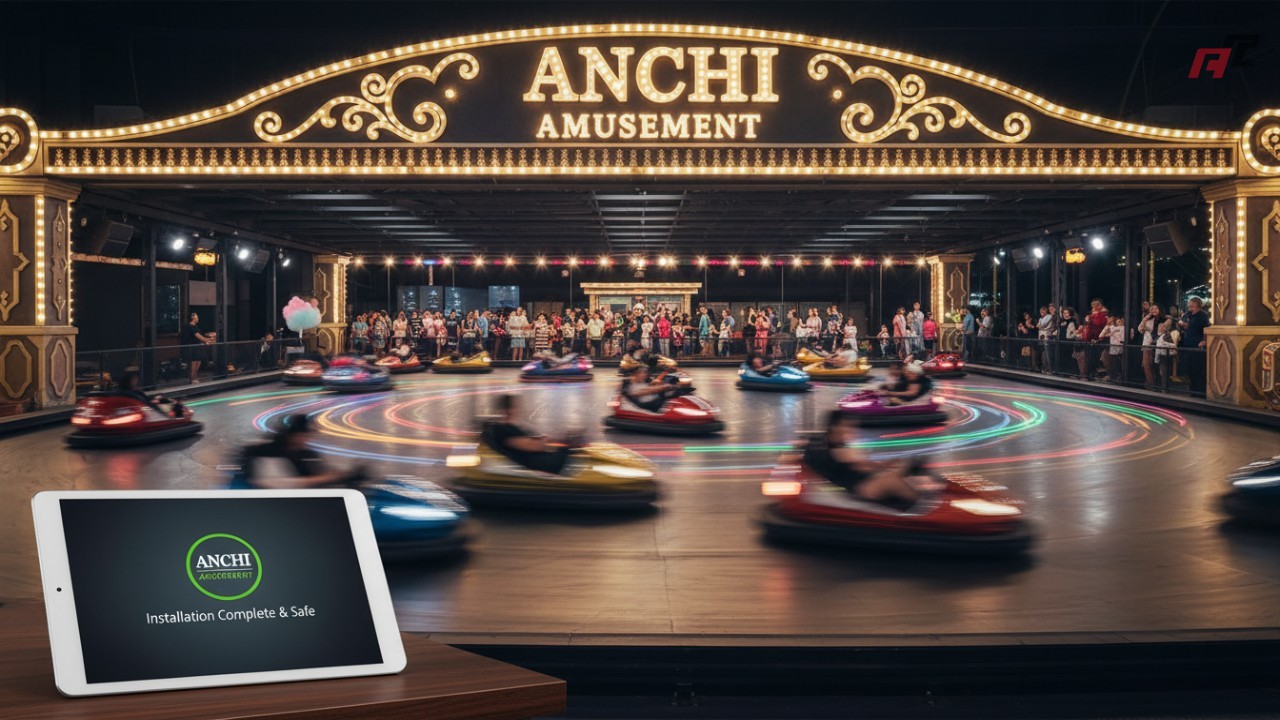
Understanding your facility power requirements is critical when choosing between the high continuous draw of electric grid setups and the localized charging demands of battery bumper cars. Selecting the appropriate system lowers operational costs, ensures safety compliance, and guarantees an uninterrupted guest experience.
By carefully evaluating your venue's infrastructure, adhering to NFPA 70 standards, and partnering with experienced manufacturers like ANCHI Amusement, you can build a highly efficient, thrilling, and profitable entertainment center. Whether you are leaning toward the classic appeal of a grid system or the modern efficiency of battery-operated fleets, proper electrical planning is the key to your success.
Contact us today to optimize your Facility Power Requirements strategy.
FAQs About Facility Power Requirements
How many amps does a commercial bumper car require?
A typical grid-powered bumper car draws between 5 to 10 amps during operation, depending on the motor size. Battery bumper car chargers usually draw 2 to 5 amps per unit, but the total load depends on how many are charging simultaneously.
Do battery-powered bumper cars save money on electricity?
Yes, battery-powered cars generally consume less overall electricity because they can be charged during off-peak hours. They also eliminate the continuous energy loss inherent in the conductive floors of grid systems.
What is the standard voltage for a floor grid bumper car system?
Traditional floor and ceiling grid bumper car systems typically run on direct current (DC) ranging from 90V to 110V. This requires robust commercial transformers to convert the building's standard AC power.
Do amusement parks need three-phase power for bumper cars?
Yes, electric grid bumper car installations almost universally require three-phase electrical service. Three-phase power provides the stable, high-capacity load necessary to power multiple heavy motors simultaneously.
How long does it take to charge a battery bumper car?
Standard commercial battery bumper cars take between 4 to 8 hours to reach a full charge. Modern lithium-ion variations can support fast charging, significantly reducing downtime between operational shifts.
What are the electrical safety standards for indoor amusement centers?
In the United States, indoor amusement centers must adhere strictly to the National Electrical Code (NEC/NFPA 70). Key requirements include specialized grounding, emergency disconnects, and proper conduit protection for high-traffic public spaces.
Can I convert a grid bumper car arena to use battery bumper cars?
Yes, many facilities convert their arenas by removing or covering the electrified floor and installing a dedicated charging zone. This conversion drastically lowers facility power strain and reduces complex electrical maintenance.
How do I calculate the total power load for an FEC?
You must calculate the sum of continuous loads (lighting, HVAC) and peak demand loads (ride startups, arcade banks). It is highly recommended to hire an electrical engineer or work with manufacturers like ANCHI Amusement during the venue design phase to accurately estimate these values.
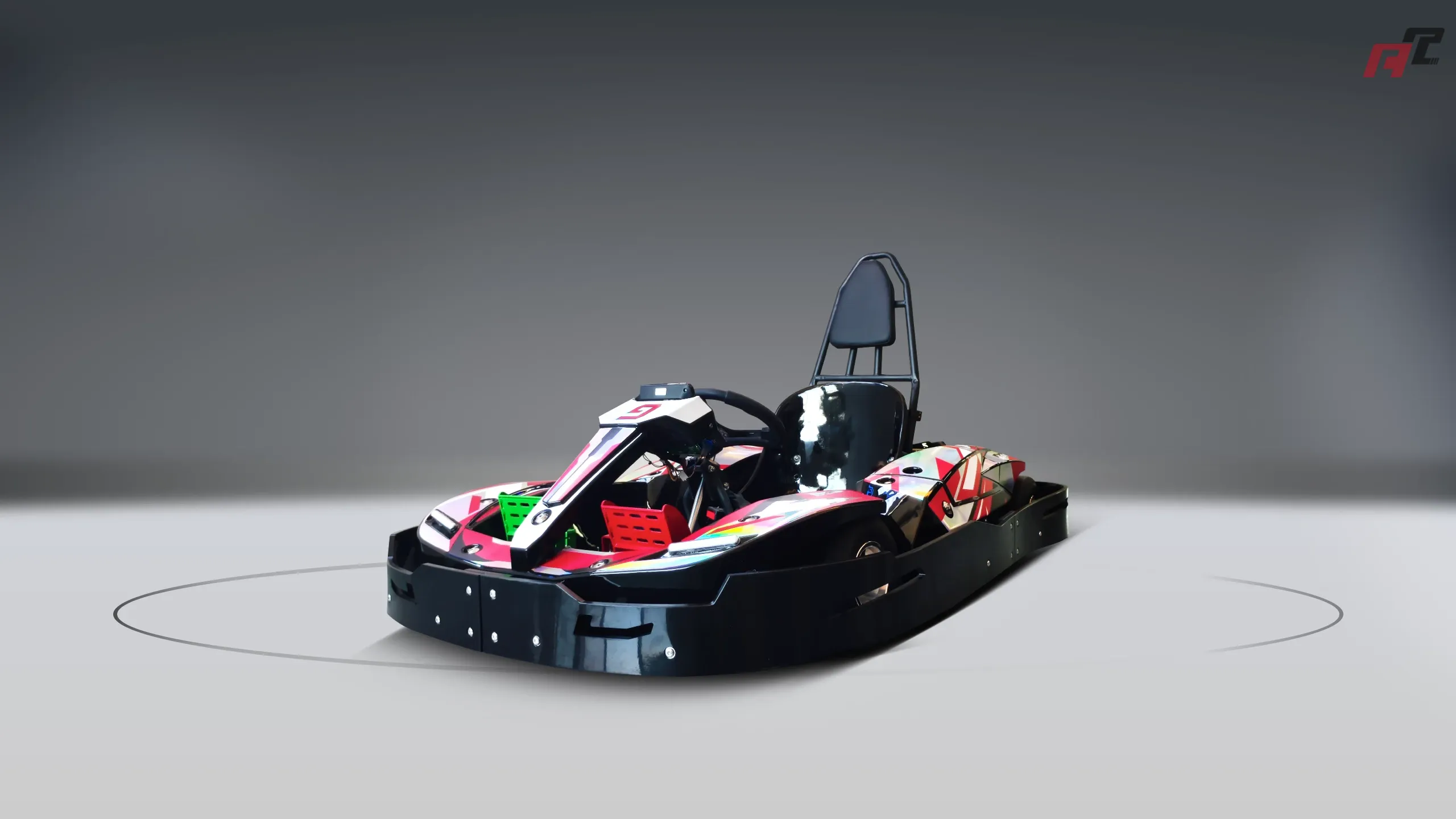
Cyclone RS 2025 1200W Electric Go-kart for Home Entertainment Centers
The Cyclone RS 2025 is a high-performance electric ride-on car designed for thrill-seekers, entertainment centers, and commercial amusement businesses. Built with a durable ABS body and reinforced metal chassis, it combines strength, safety, and speed for a superior driving experience. With a 1200W mid-mounted motor (peaking at 3600W), advanced control system, and long-lasting 72V20AH LiFePO₄ battery, this ride ensures both powerful performance and reliability.
Whether for amusement parks, game zones, rental businesses, or personal recreational use, the Cyclone RS 2025 delivers unmatched excitement and durability.
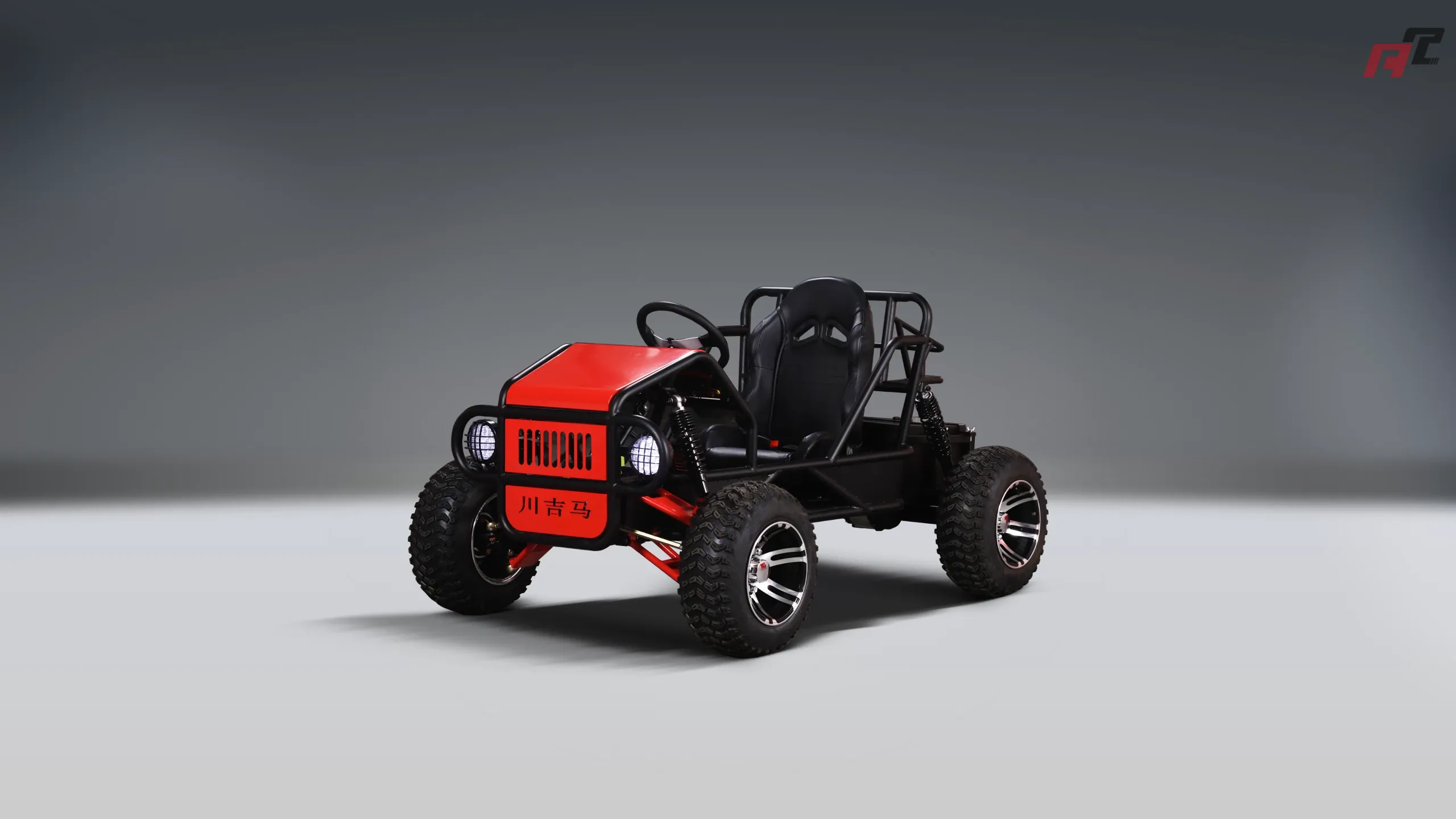
Kids Electric Off Roads One-seater ATV
Discover adventure with the ANCHI Kids Electric One-seater ATV, the perfect electric off-road experience for young explorers. Designed for safety and performance, this electric off-road go kart for kids offers unmatched thrills on any terrain. Its durable build and easy-to-use controls ensure a fun and safe ride. Ideal for budding adventurers, this ATV promises endless excitement. Explore the world with confidence with ANCHI’s innovative electric off-road solutions for kids.
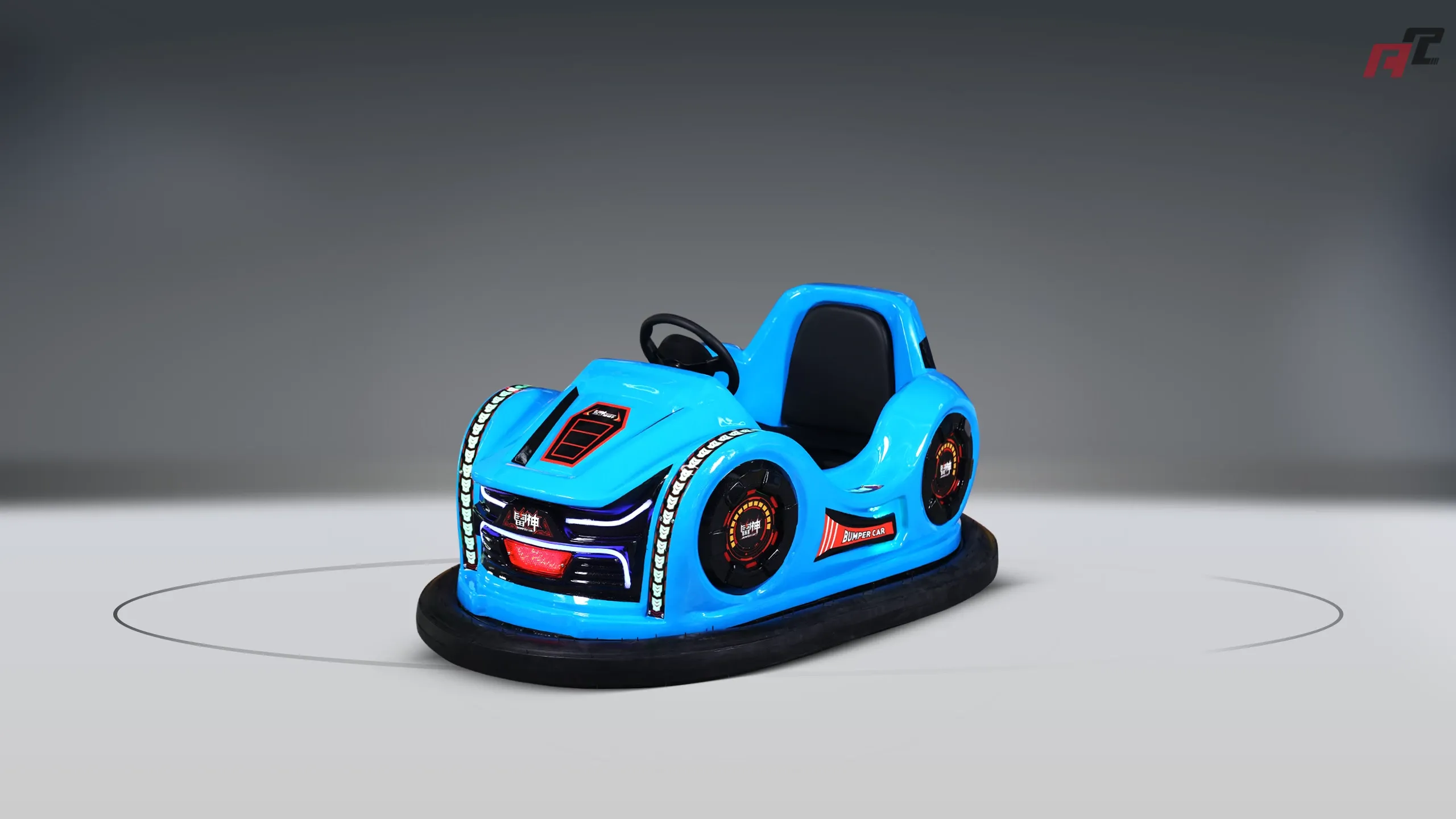
Battery Drift Bumper Car With inflatable tyre
The Battery Drift Bumper Car with Inflatable Tire with 650W steel gear motor, and high quality battery wich can becharged outside the car, the bumper car is ideal for amusement parks, family entertainment centers, build quality for safe, long-lasting fun.
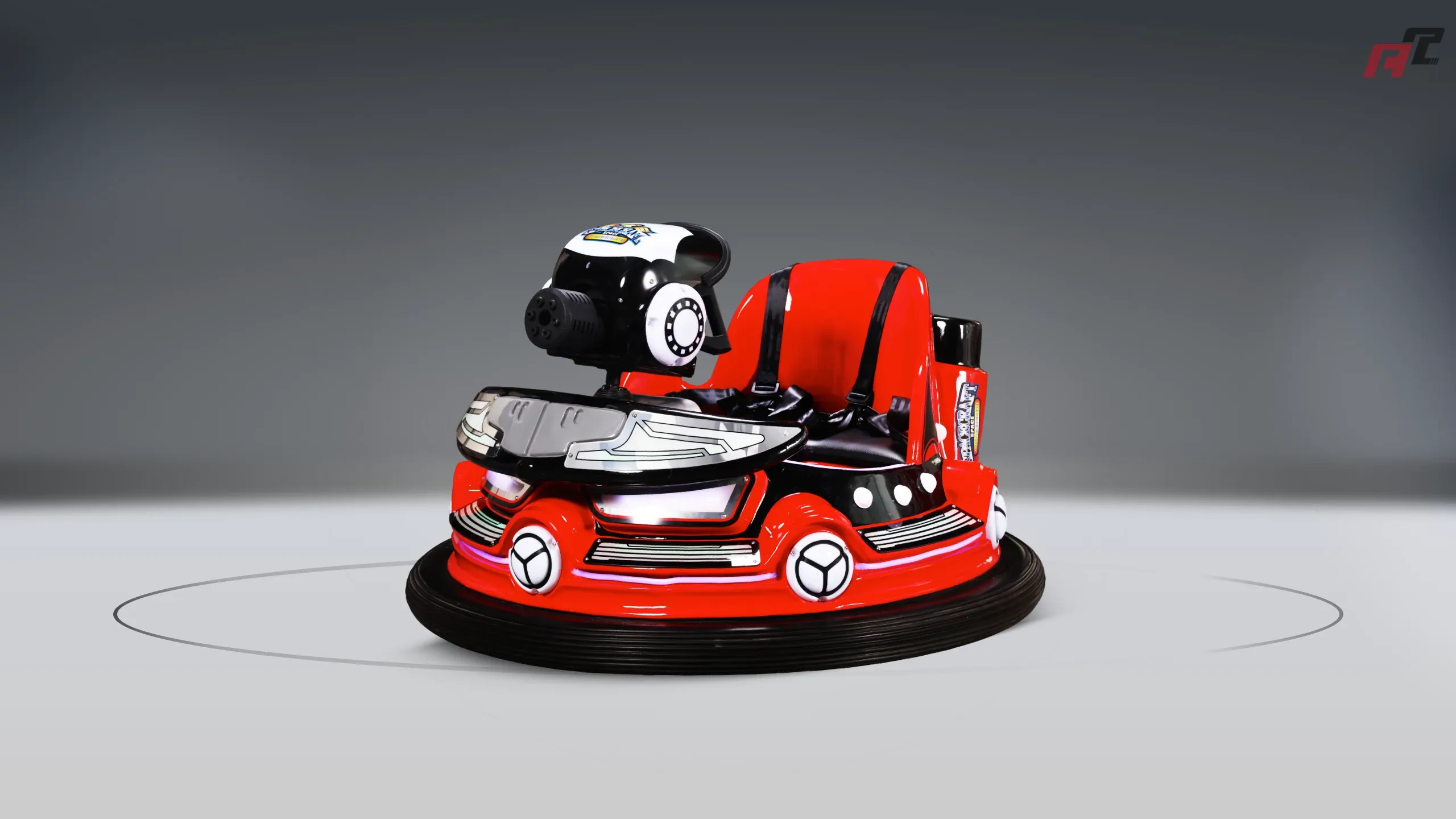
Spaceship Laser Battle Bumper Car
Discover the future of fun with the ANCHI Spaceship Laser Battle Bumper Car! Designed for thrill-seekers, this kids bumper car offers an exhilarating laser battle experience. Parents and children alike will enjoy hours of safe, exciting play. Ideal for parties or everyday fun, it combines durability with innovative technology.


