








Commercial Electric Bumper Car Arena Design & Floor Planning Guide for 2026
A comprehensive 2026 guide to commercial bumper car arena design, covering FHP floor grids, spatial planning, IAAPA safety standards, and interactive theming for family entertainment centers.
The amusement industry is evolving rapidly, and creating a highly profitable entertainment center in 2026 requires more than just purchasing equipment. Strategic Bumper car arena design is the foundation of a successful attraction, dictating everything from rider safety and operational efficiency to overall profitability. Whether you are upgrading an existing facility or building a new venue from scratch, understanding the nuances of electrical floor grids, traffic flow, and thematic integration is essential for maximizing your return on investment.
What is Commercial Bumper Car Arena Design?

Commercial bumper car arena design is the architectural and engineering process of planning a safe, electrified, and engaging space for bumper car operations. It involves optimizing floor grids, perimeter barrier systems, and traffic flow to ensure maximum safety, aesthetic appeal, and high throughput in amusement centers.
A successful design integrates structural physics to manage collision impact while incorporating thematic elements like DMX synchronized lighting and custom audio. The goal is to create an immersive environment that captivates guests while maintaining rigorous operational standards. Whether a facility utilizes traditional FHP (Floor Pick-Up) systems or modern battery-powered layouts, precise spatial planning is absolutely essential to prevent bottlenecks and ensure a seamless rider experience.
Key Takeaways & Quick Summary
- Spatial Planning: Proper allocation of square footage maximizes both rider capacity and queue efficiency.
- Power Systems: Choosing between FHP electric floor grids and battery-powered systems dictates your foundation and infrastructure requirements.
- Safety First: Adherence to strict safety standards for rider clearances and perimeter barrier specifications is non-negotiable.
- Immersive Theming: The future of arena design relies heavily on UV-reactive materials, interactive gaming elements, and synchronized lighting.
Electric Power Systems: Floor Grids vs. Battery Powered
Choosing between an FHP bumper car floor grid and a battery-powered system is the foundational step in arena design, as it dictates your venue's structural and electrical requirements. FHP systems draw continuous power from alternating conductive floor plates, while battery-powered layouts offer portability and eliminate complex floor wiring.
Understanding the technical specifications of each system is crucial. FHP (Floor Pick-Up) Systems require meticulous engineering, including alternating conductive floor plates and robust electrical insulation to ensure continuous, safe power delivery. Historically, venues also used OHP (Overhead Pick-Up) Systems, which rely on a classic ceiling net power system and demand specific structural load requirements for the pavilion roof.
Conversely, Battery-Powered Arenas provide flexible layout designs that eliminate complex floor wiring entirely. This makes them ideal for portable tracks or multi-use spaces where the arena floor might be repurposed for other events. When evaluating these options, operators must carefully consider voltage requirements, charging station layouts, and long-term maintenance accessibility.
System Comparison Table
| Feature | FHP (Floor Pick-Up) Grid Systems | Battery-Powered Systems | OHP (Overhead Pick-Up) Systems |
|---|---|---|---|
| Power Supply | Continuous power via conductive floor plates | Independent battery packs (requires charging) | Continuous power via ceiling grid and floor |
| Arena Flooring | Requires specialized, level conductive flooring | Flexible; works on concrete, wood, or asphalt | Standard steel flooring with ceiling net |
| Installation Cost | Higher initial structural investment | Lower upfront installation costs | High structural ceiling load investment |
| Maintenance | Daily sweeping, plate oxidation checks | Regular battery swapping and charging upkeep | Pole and ceiling net friction maintenance |
| Best Use Case | Permanent, high-traffic indoor FECs | Portable tracks, multi-use spaces | Traditional/Retro permanent amusement parks |
Spatial Planning & Traffic Flow in Family Entertainment Centers (FEC)
Effective FEC spatial planning calculates optimal arena dimensions based on the target number of operating vehicles to prevent dead zones or excessive bottlenecks. Proper spatial allocation ensures rapid queue turnover, safe collision radii, and seamless integration with adjacent arcade zones.
According to a 2026 industry forecast by Research and Markets, the global family and indoor entertainment centers market is projected to reach $45.61 billion, driven largely by the demand for multi-activity indoor venues. To capture this growing audience, your bumper car venue layout must prioritize Queue Management. Designing intuitive entry and exit points ensures safe, rapid turnover between ride cycles, minimizing guest wait times and maximizing hourly throughput.
Additionally, Point of Sale (POS) placement plays a vital role in traffic flow. Strategically locating ticket booths and viewing areas increases visibility and curb appeal, drawing in foot traffic from other areas of the facility. By integrating the bumper car pavilion with adjacent arcade zones and food courts, operators can significantly maximize visitor dwell time and increase cross-platform spending.
Expert Tips: Common Mistakes in Arena Floor Planning
Avoiding common structural and regulatory mistakes in your floor planning is critical for maintaining safety, reducing downtime, and ensuring long-term profitability. Common errors include uneven foundations, inadequate HVAC ventilation, and failing to install proper kinetic energy-absorbing buffer rails.
At Guangzhou Anchi Amusement Equipment Co., Ltd., our team of over 30 highly skilled technicians has seen firsthand how these oversights can derail an otherwise excellent project.
- Underestimating Impact Attenuation: Failing to install proper kinetic energy-absorbing buffer rails around the perimeter can lead to structural damage and rider discomfort.
- Uneven Foundations: Neglecting foundation leveling is a critical error, as it can lead to dead spots in FHP bumper car floor grid systems where cars lose power.
- Ignoring Municipal Codes: Overlooking ADA accessibility standards, fire safety requirements, and emergency shut-off protocols can result in severe fines or venue closure.
- Poor Ventilation: Inadequate HVAC planning for indoor arenas handling high volumes of electrical heat generation can create an uncomfortable environment for guests and strain mechanical systems.
Aesthetic & Experiential Design: Lighting, Sound, and Theming

Modern arena design relies heavily on immersive aesthetics, transforming a basic ride into a full sensory event that captivates guests. By integrating DMX synchronized lighting, acoustic treatments, and an interactive glow-in-the-dark arena theme, venues can drastically elevate the rider experience.
Implementing DMX synchronized lighting systems allows operators to choreograph light shows that react to the ride cycle, building anticipation and excitement. Furthermore, the trend of Glow-in-the-Dark and UV arenas is dominating 2026. Using fluorescent floor markings, neon buffer rails, and blacklight optimization creates a visually stunning environment that is highly shareable on social media.
Acoustic Treatment is another crucial yet often overlooked element. Designing the pavilion architecture with sound-absorbing materials helps manage the noise levels from collisions and heavy machinery, preventing the arena from overwhelming the rest of the FEC. Finally, utilizing Thematic Enclosures with projection mapping and custom graphics allows operators to create futuristic, retro, or custom-branded environments that stand out from competitors.
Industry-Leading Venue Solutions with ANCHI Amusement
Partnering with an experienced manufacturer ensures your arena layout perfectly matches exact technical specifications and operational goals. Guangzhou Anchi Amusement Equipment Co., Ltd. provides complete venue design solutions, covering everything from initial conceptualization to final execution.
As one of the leading manufacturers of amusement equipment in China, ANCHI Amusement operates over 5,000 square meters of production space with multiple assembly lines. We are a comprehensive electric amusement vehicle enterprise integrating system R&D, production, sales, and after-sales service. Our wide array of products includes go-karts, inflatable bumper cars, laser battle bumper cars, drift bumper cars, and children's off-road vehicles.
We specialize in custom integration for specialized vehicles, designing unique floor plans tailored to your specific fleet. For a deeper dive into the specific vehicle models that populate these spaces, refer to The Complete Guide to Commercial Electric Bumper Cars, which breaks down the operational advantages of different car types. By combining our robust manufacturing capabilities with expert venue design services, ANCHI helps you create a highly profitable venue that operates flawlessly under your own brand.
Bumper Car Arena Construction Costs & 2026 ROI Trends
Understanding arena construction costs involves breaking down the price of materials against projected revenue to forecast your return on investment accurately. Strategic floor placement, material durability, and ride bundling directly impact your overall profit margin in today's market.
When budgeting, operators must account for the cost of galvanized steel structures, conductive floor plates, and modular fencing. While the initial investment for a high-quality FHP grid may be substantial, its longevity and low daily operational costs often yield a higher long-term ROI. In 2026, we are also analyzing a major shift towards hybrid multi-use spaces, which allow venues to easily swap interactive equipment and host diverse events, maximizing the revenue potential per square foot.
Crucially, protecting your investment requires strict adherence to IAAPA safety compliance. Following the ASTM F24 standards for amusement rides, as championed by IAAPA, ensures your venue operates at the highest safety levels. Compliance not only protects your guests but drastically reduces insurance premiums and mitigates the risk of costly operational downtime, safeguarding your revenue forecasting.
Conclusion

Designing a commercial electric bumper car arena requires a precise balance of electrical engineering, spatial planning, and immersive aesthetics. By adhering to strict safety codes, optimizing traffic flow, and leveraging modern interactive variations like laser battle and drift cars, FEC owners can significantly boost long-term profitability and guest satisfaction. From selecting the right power grid to implementing UV-reactive theming, every detail plays a crucial role in the success of your venue. Contact us today to optimize your bumper car arena design strategy.
FAQs About Bumper car arena design
How much space is needed for a commercial bumper car arena?
The required space depends on the number of cars. A standard commercial layout generally requires about 150 to 200 square feet per active bumper car. This ensures enough room for safe collision physics, turning radii, and operational fluidity without causing permanent gridlock.
What is the difference between floor grid and battery-powered bumper cars?
Floor grid (FHP) systems draw continuous power from alternating conductive floor plates, requiring specialized arena flooring and electrical engineering. Battery-powered cars run independently, requiring less complex flooring but necessitating dedicated downtime for battery charging and specific charging station layouts.
How do you maintain an electric bumper car floor grid?
Maintenance involves daily sweeping to remove debris that could disrupt the electrical connection between the car's brushes and the floor. Regular inspection of the conductive plates, checking for oxidation or wear, and ensuring the electrical insulation remains intact is critical.
What safety standards apply to bumper car arenas?
Arenas must adhere strictly to IAAPA guidelines and local municipal building codes. This includes specific requirements for perimeter barrier impact absorption, rider safety clearances, electrical shut-off accessibility, and fire safety.
Can a bumper car arena be installed outdoors?
Yes, but outdoor arenas require substantial weatherproofing, including galvanized steel structures, rust-resistant floor plates, and protective pavilion roofing. Battery-powered systems with portable tracks are often preferred for temporary or mobile outdoor carnivals.
What are the best perimeter barriers for bumper cars?
The best barriers use heavy-duty steel framing lined with high-density kinetic energy-absorbing materials like vulcanized rubber or specialized inflatables. These materials dissipate impact force, protecting both the structural integrity of the venue and the safety of the riders.
How long does it take to construct a custom bumper car arena?
A permanent, customized indoor arena typically takes anywhere from 8 to 16 weeks from conceptual design to final installation. This timeline includes 3D floor planning, manufacturing of the conductive floor grids, shipping, and on-site assembly and testing.
How can I integrate laser battle bumper cars into my FEC?
Integrating laser battle cars requires designing an interactive environment with physical obstacles, UV-reactive targets, and strategic lighting. Companies like ANCHI Amusement offer complete venue design solutions to seamlessly blend laser tagging technology with high-speed drift or bumper car layouts.
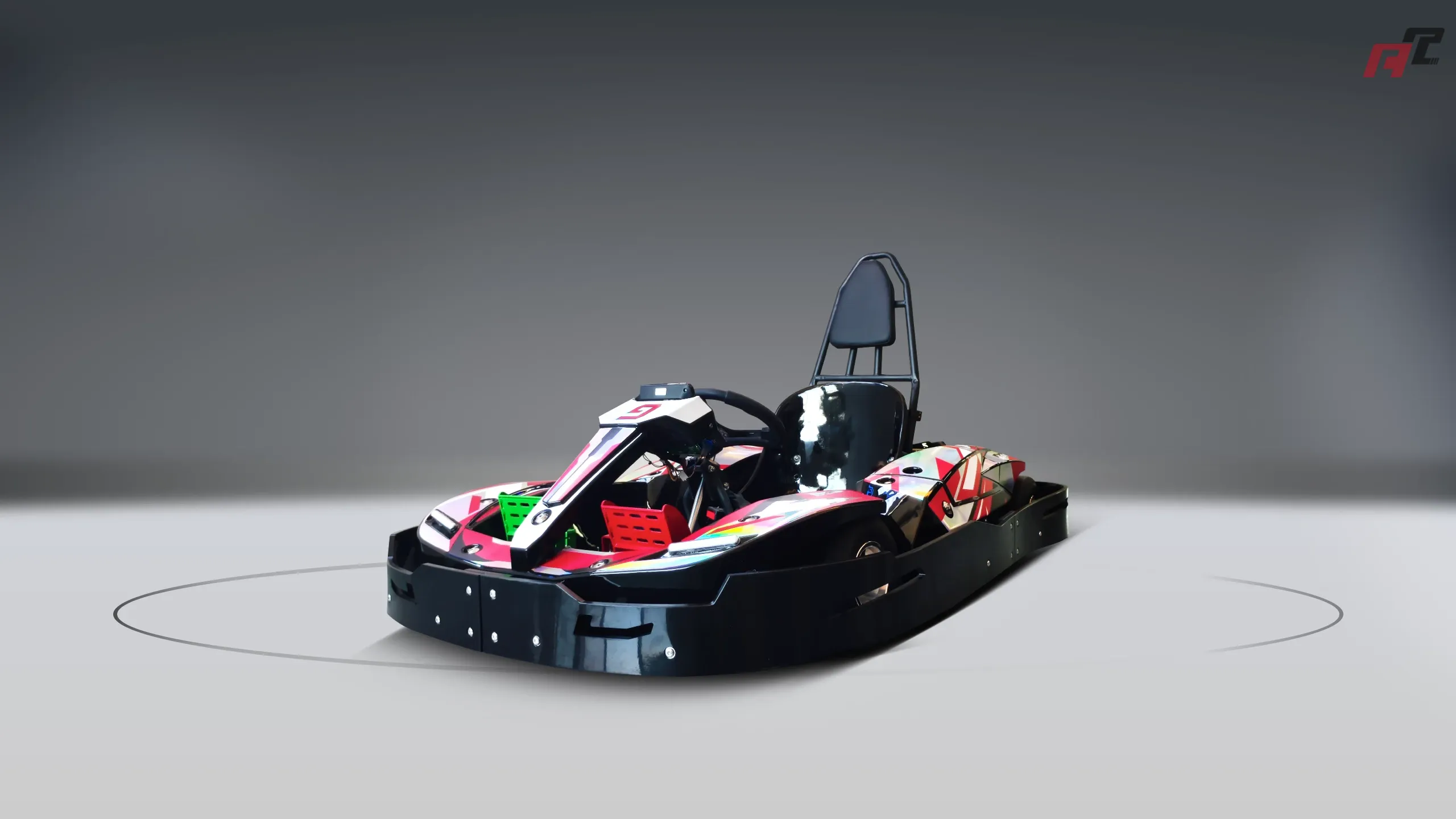
Cyclone RS 2025 1200W Electric Go-kart for Home Entertainment Centers
The Cyclone RS 2025 is a high-performance electric ride-on car designed for thrill-seekers, entertainment centers, and commercial amusement businesses. Built with a durable ABS body and reinforced metal chassis, it combines strength, safety, and speed for a superior driving experience. With a 1200W mid-mounted motor (peaking at 3600W), advanced control system, and long-lasting 72V20AH LiFePO₄ battery, this ride ensures both powerful performance and reliability.
Whether for amusement parks, game zones, rental businesses, or personal recreational use, the Cyclone RS 2025 delivers unmatched excitement and durability.
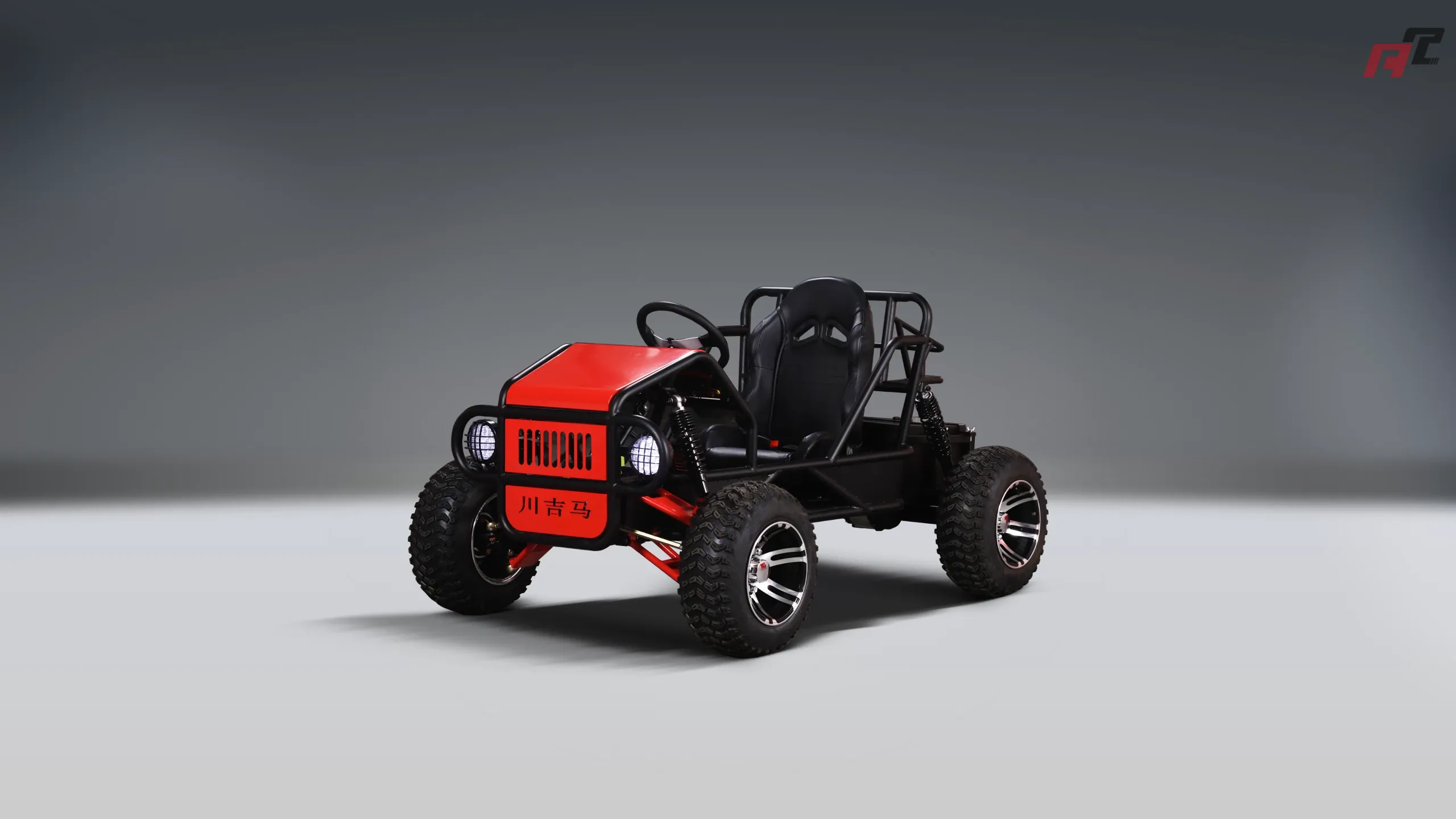
Kids Electric Off Roads One-seater ATV
Discover adventure with the ANCHI Kids Electric One-seater ATV, the perfect electric off-road experience for young explorers. Designed for safety and performance, this electric off-road go kart for kids offers unmatched thrills on any terrain. Its durable build and easy-to-use controls ensure a fun and safe ride. Ideal for budding adventurers, this ATV promises endless excitement. Explore the world with confidence with ANCHI’s innovative electric off-road solutions for kids.
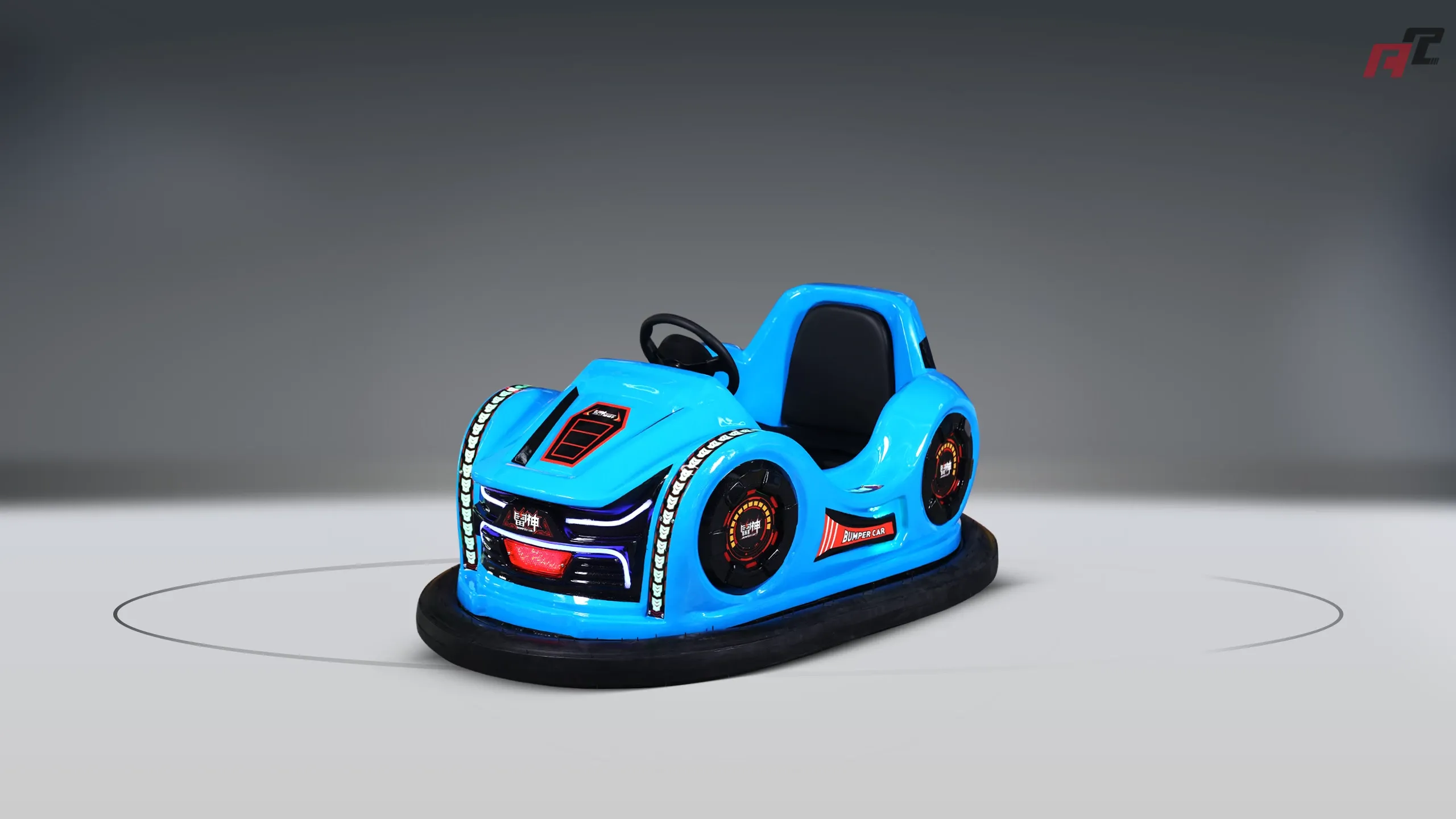
Battery Drift Bumper Car With inflatable tyre
The Battery Drift Bumper Car with Inflatable Tire with 650W steel gear motor, and high quality battery wich can becharged outside the car, the bumper car is ideal for amusement parks, family entertainment centers, build quality for safe, long-lasting fun.
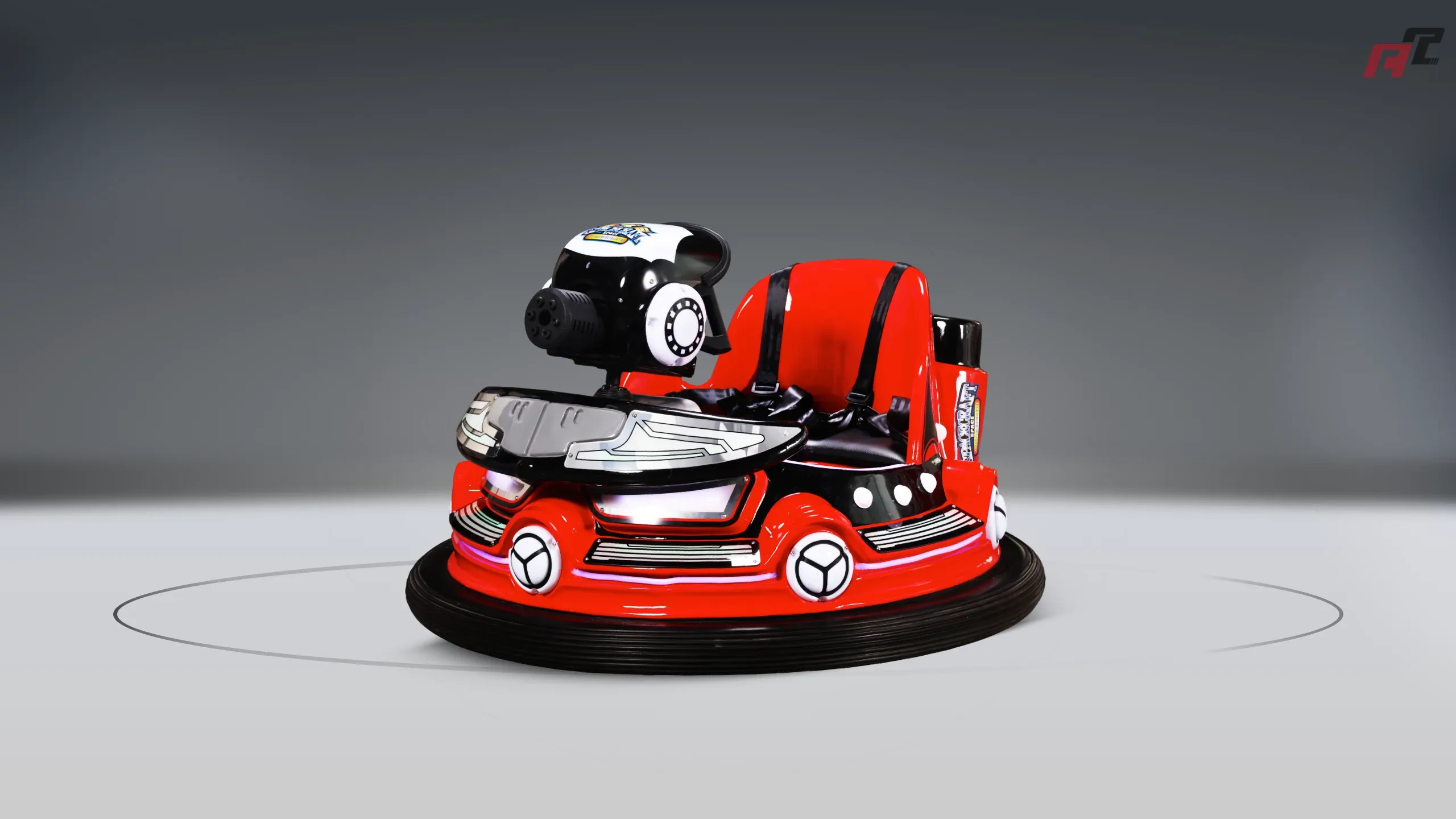
Spaceship Laser Battle Bumper Car
Discover the future of fun with the ANCHI Spaceship Laser Battle Bumper Car! Designed for thrill-seekers, this kids bumper car offers an exhilarating laser battle experience. Parents and children alike will enjoy hours of safe, exciting play. Ideal for parties or everyday fun, it combines durability with innovative technology.


