








Professional Bumper Car Rink Dimensions & Safety Barrier Specs (2026 Guide)
A comprehensive 2026 engineering and planning guide for professional bumper car rinks, covering optimal track dimensions, impact-resistant safety barriers, modern electric floor systems, and turnkey venue design.
Welcome to the ultimate 2026 guide on building a highly profitable and safe Bumper Car Rink. Whether you are upgrading an existing family entertainment center or constructing a brand-new theme park attraction, understanding the exact spatial and structural requirements is the foundation of your operational success. The amusement industry has evolved rapidly, and modern riders expect seamless operation, high-impact thrills, and absolute safety. In this comprehensive breakdown, we will explore everything from precise floor dimensions to the latest innovations in impact-absorbing barriers. By leveraging industry-leading standards and our extensive manufacturing experience, this guide will help you navigate the complexities of venue design, ensuring your investment yields maximum returns while keeping guests safe and entertained.## What Are the Standard Dimensions for a Professional Bumper Car Rink?
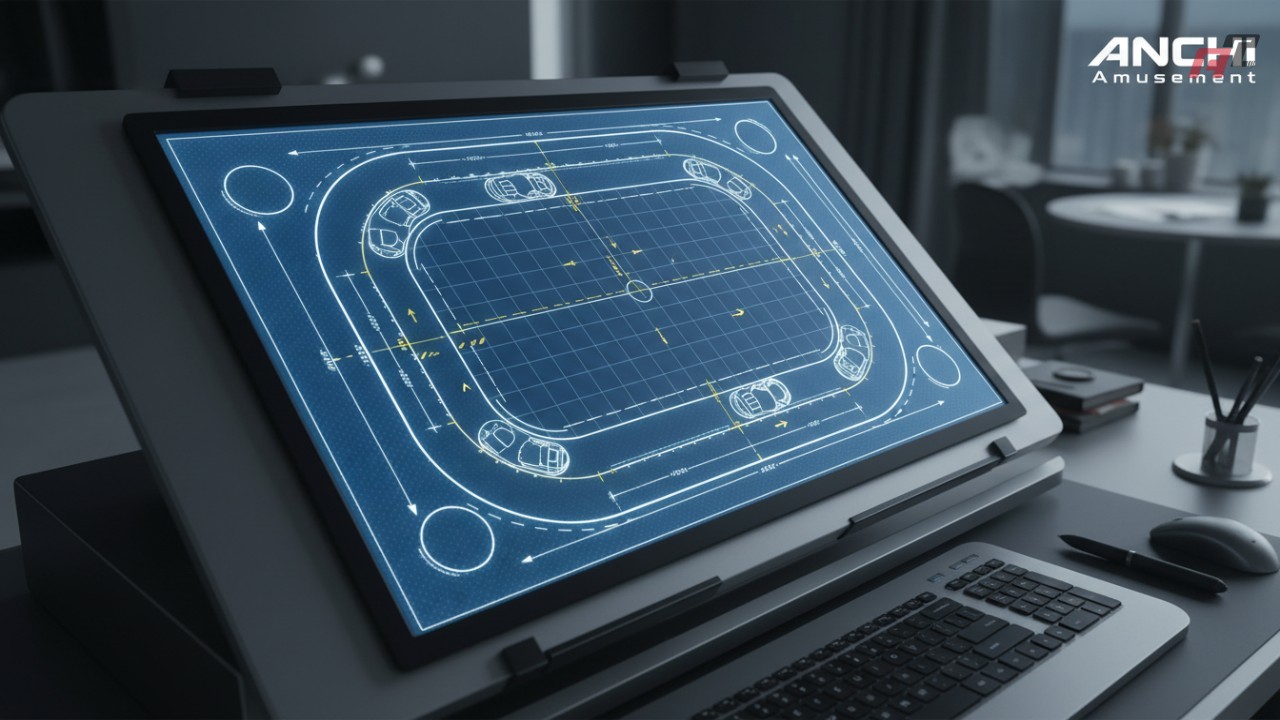
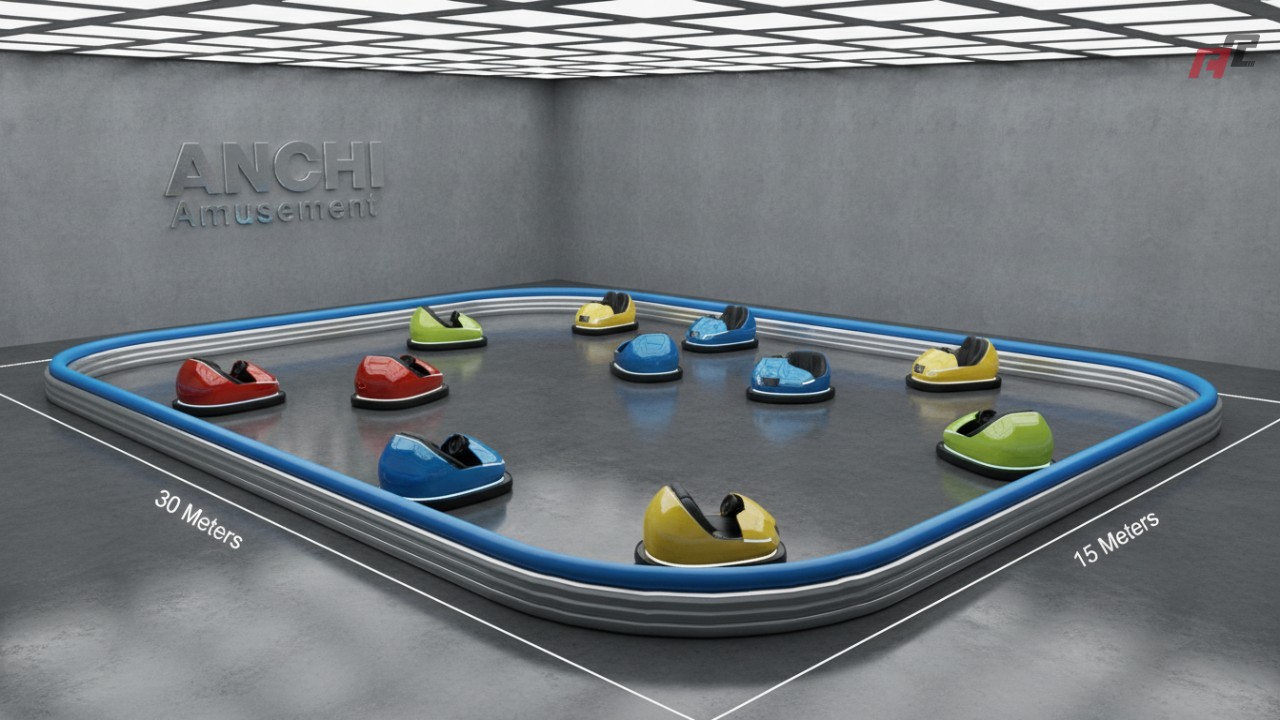
A standard professional bumper car rink requires approximately 10 to 15 square meters (100 to 160 square feet) of space per adult vehicle. For a typical 10-car arena setup, the minimum recommended total usable floor size is between 100 and 150 square meters.
Achieving the perfect balance between vehicle capacity and available floor space is critical for rider enjoyment and safety. If the track is too large, the interactive collision element is lost; if it is too small, vehicles experience constant gridlock.
- Adult Vehicle Metrics: A standard professional bumper car rink requires approximately 10 to 15 square meters (100-150 sq. ft.) of space per adult car to allow for proper acceleration and evasive maneuvering.
- Baseline Arena Sizing: For a typical 10-car arena, the minimum recommended total rink size is 100 to 150 square meters of operational driving space.
- Mini Car Metrics: Mini or children's bumper cars require significantly less space, averaging 5 to 8 square meters per vehicle, making them ideal for compact indoor zones.
- Optimal Track Shape: The track shape is traditionally rectangular with rounded corners to prevent cars from getting trapped, which eliminates dead zones and prevents operational bottlenecks.
- Vertical Clearance: Ceiling height for traditional overhead grid systems must be a minimum of 4 meters (13 feet) for safe operation, heat dissipation, and spark clearance.
Key Takeaways: Quick Summary of Bumper Car Arena Planning
Successfully planning your bumper car rink requires precise space calculation, prioritizing high-density rubber safety barriers, and choosing the right power system. Partnering with an experienced manufacturer ensures that your commercial venue meets modern layout standards, electrical requirements, and optimal guest throughput.
- Calculate your space carefully: Always divide your total usable floor area by the per-car metric to avoid overcrowding and ensure fluid gameplay.
- Prioritize barrier integrity: High-density rubber and reinforced steel are non-negotiable for commercial safety and long-term durability.
- Choose the right power system: Battery-operated and floor-grid systems have entirely different foundation, flooring, and electrical requirements.
- Leverage expert partnerships: Partner with an experienced manufacturer that offers comprehensive venue design services from conceptualization to execution.
Calculating Space Requirements: Adult vs. Mini Bumper Cars
Adult bumper cars require significantly wider turning radii and at least 10 square meters per vehicle, whereas mini or children's bumper cars are heavily optimized for smaller footprints, needing only 5 to 8 square meters per car in compact indoor arcades.
When determining your Amusement park rink space requirements, operators must look beyond just the driving surface. Queue lines, maintenance bays, and operator booths all consume valuable square footage. When calculating capacity for high-traffic Family Entertainment Centers (FECs), you must allocate an extra 10% of your total square footage specifically for entry and exit gates to ensure safe loading and unloading.
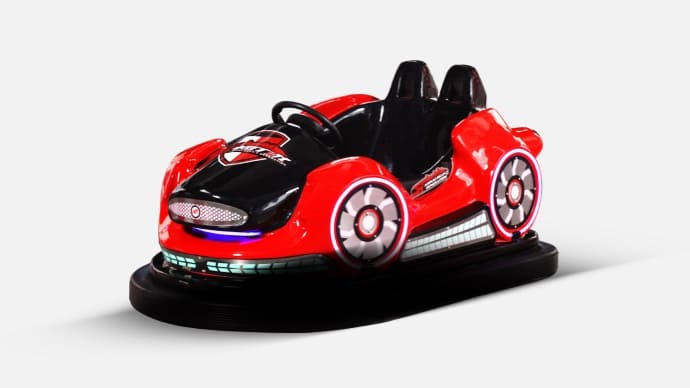
Furthermore, the type of vehicle drastically impacts your indoor bumper car arena design. For example, standard adult cars focus on linear acceleration, while modern drift bumper cars and laser battle cars require slightly more space per vehicle due to their high-speed rotational mechanics and 360-degree spinning capabilities.
| Specification | Adult Bumper Cars | Mini / Children's Bumper Cars | High-Speed Drift Cars |
|---|---|---|---|
| Space Required Per Car | 10 - 15 sqm | 5 - 8 sqm | 15 - 20 sqm |
| Target Audience | Teens & Adults | Children (Ages 3-10) | Teens & Adults |
| Minimum Track Width | 8 meters | 5 meters | 10 meters |
| Ideal Power System | Floor Grid or Battery | Battery Operated | Battery Operated |
| Typical Barrier Height | 0.9m - 1.1m | 0.6m - 0.8m | 1.0m - 1.2m |
Safety Barrier Specs: Materials and Impact Resistance
Professional safety barriers must utilize a reinforced steel sub-frame anchored directly into the concrete foundation, lined with high-density vulcanized rubber or pneumatic tubes. This specific combination effectively absorbs kinetic energy, reduces rider whiplash, and prevents vehicles from vaulting over edges.
Designing robust Dodgem track safety barriers is the most critical engineering task in rink construction. According to the rigorous safety guidelines established by ASTM International for amusement ride design, barriers must withstand repeated high-velocity impacts without structural degradation.
- Foundation Anchoring: Professional safety barriers must utilize a reinforced steel sub-frame anchored directly into the concrete foundation of the rink to prevent shifting over time.
- Energy Absorption: The impact zone should be lined with high-density vulcanized rubber or pneumatic bumpers specifically designed to absorb kinetic energy and reduce rider whiplash.
- Height Regulations: Standard barrier height ranges from 0.8 meters to 1.1 meters, ensuring the vehicles cannot vault over the edge upon high-speed impact.
- Corner Geometry: Corner barriers must be curved with a minimum radius of 1.5 meters to maintain continuous movement and eliminate structural dead zones where cars get stuck.
- Modern Enhancements: Modern barriers incorporate LED lighting channels and spring-loaded backing mechanisms to improve both venue aesthetics and overall collision safety.## Modern Floor Systems: Grid vs. Battery-Operated Rinks in 2026
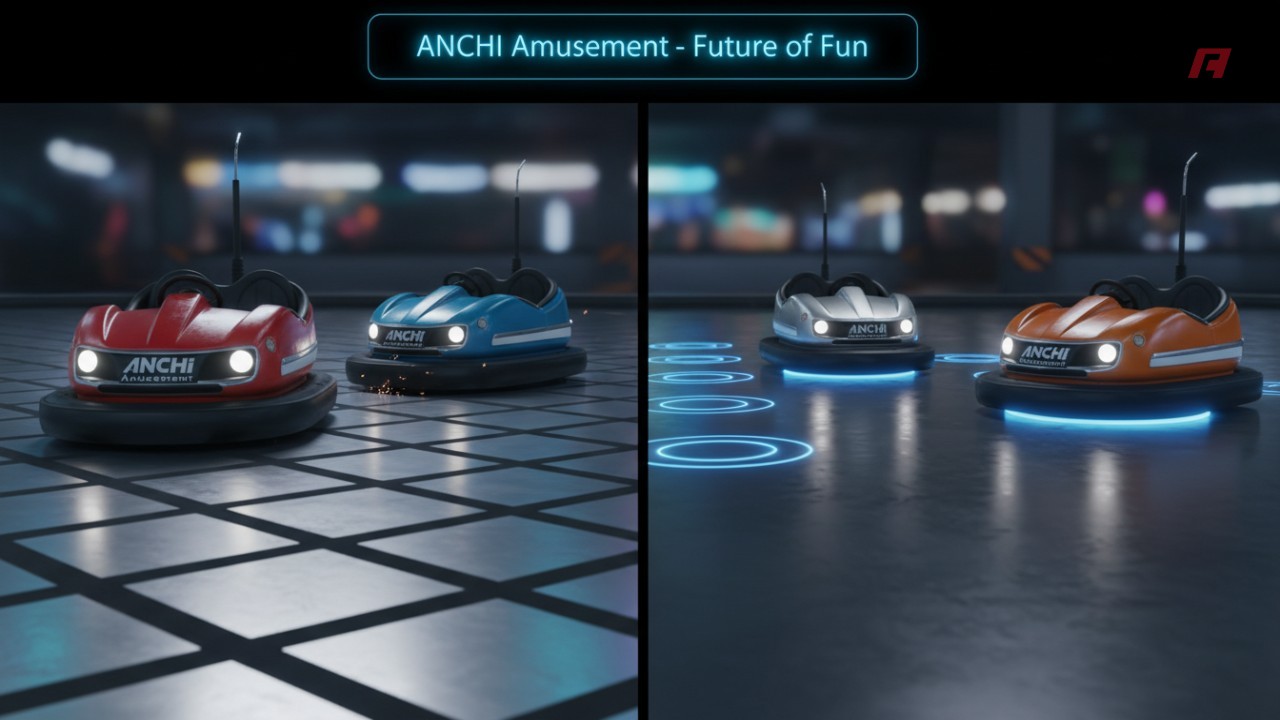
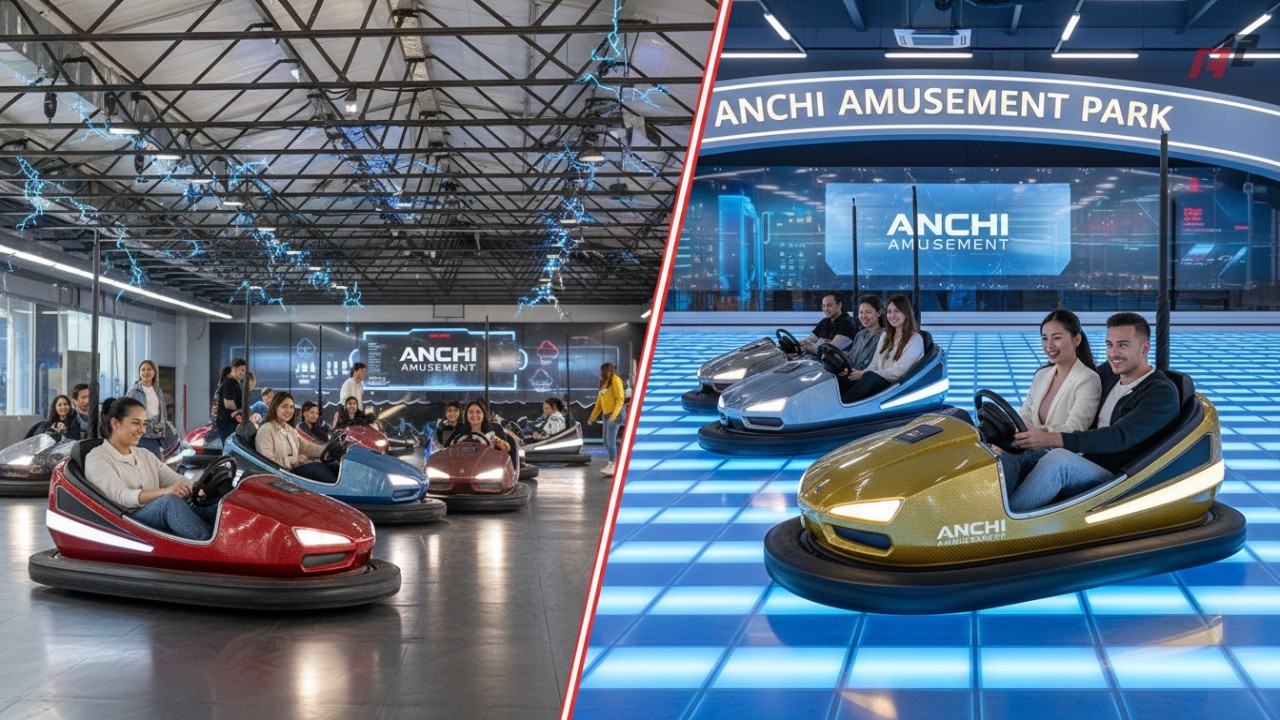
In 2026, operators must choose between traditional floor grid systems requiring specialized conductive steel plating, or modern battery-operated rinks that run on standard concrete. Battery-powered setups significantly reduce initial electrical construction costs and eliminate the need for complex insulated grid maintenance.
The evolution of Electric bumper car floor systems has transformed how venues are built. Traditional floor grid systems require specialized conductive steel plating separated by isolating insulation strips. This demands strict structural dimensions, perfectly level sub-floors, and complex voltage regulators to keep the power supply at a safe 48V to 50V.
Conversely, battery-operated rinks eliminate the need for conductive floors entirely, allowing standard polished concrete, hardwood, or synthetic ice surfaces to be utilized. This shift towards high-capacity LiFePO4 batteries in 2026 significantly reduces initial Bumper car track construction costs and minimizes ongoing electrical maintenance. However, operators must factor in a dedicated charging bay area adjacent to the rink when designing battery-operated arenas. For a deeper dive into electrical layouts and spatial planning, operators should consult our Commercial Electric Bumper Car Arena Design & Floor Planning Guide to ensure full compliance with 2026 engineering standards.
Expert Tips: Common Mistakes in Bumper Car Track Construction
The most common construction mistakes include overcrowding the arena to maximize capacity, ignoring track leveling which causes uneven vehicle drifting, and inadequate power supply planning. Avoiding these critical errors ensures continuous ride uptime, lowers maintenance costs, and guarantees optimal rider safety.
The International Association of Amusement Parks and Attractions (IAAPA) regularly notes that proactive infrastructure planning is a primary factor in reducing ride-related downtime. When building your bumper car rink, avoid these frequent pitfalls:
- Mistake 1: Overcrowding the rink. Placing 20 cars in a 150sqm space ruins the interactive experience, causes constant gridlock, and exponentially increases wear and tear on the vehicle motors.
- Mistake 2: Ignoring track leveling. Even a minor 2-degree slope can cause floor grid connectivity issues, dead spots, or cause battery-operated cars to drift unevenly, frustrating riders.
- Mistake 3: Inadequate power supply planning. Failing to install proper voltage regulators and dedicated transformers for floor grid systems can lead to frequent ride downtime and blown fuses.
- Mistake 4: Using rigid, non-flexible barriers. Installing solid concrete or unpadded wood barriers transfers the full force of the impact directly to the rider, violating modern E-E-A-T safety standards and increasing liability.
Turnkey Venue Design Solutions with ANCHI Amusement
Guangzhou Anchi Amusement Equipment Co., Ltd. provides comprehensive venue design solutions for your bumper car rink, covering everything from initial conceptualization to final execution. Our specialized team ensures your custom arena fits exact spatial dimensions while integrating advanced ride technologies.
As one of the leading manufacturers of amusement equipment in China, ANCHI Amusement is at the forefront of technological advancement in the sector. We understand that building a profitable attraction requires more than just purchasing vehicles; it requires holistic spatial and operational planning.
- Unmatched Production Scale: With over 5,000 square meters of production space and multiple assembly lines, ANCHI Amusement covers everything from conceptualization to execution, ensuring your rink fits exact architectural specifications.
- Expert Engineering Team: Our dedicated team of over 30 highly skilled technicians helps integrate advanced vehicles—including our highly sought-after inflatable bumper cars, laser battle bumper cars, and drift bumper cars—into your custom layout.
- Complete Customization: By offering complete custom manufacturing, ANCHI allows you to build a highly profitable venue perfectly branded and scaled to your specific indoor or outdoor dimensions. We help you create a venue that is fun, safe, and entirely under your own brand.## Conclusion
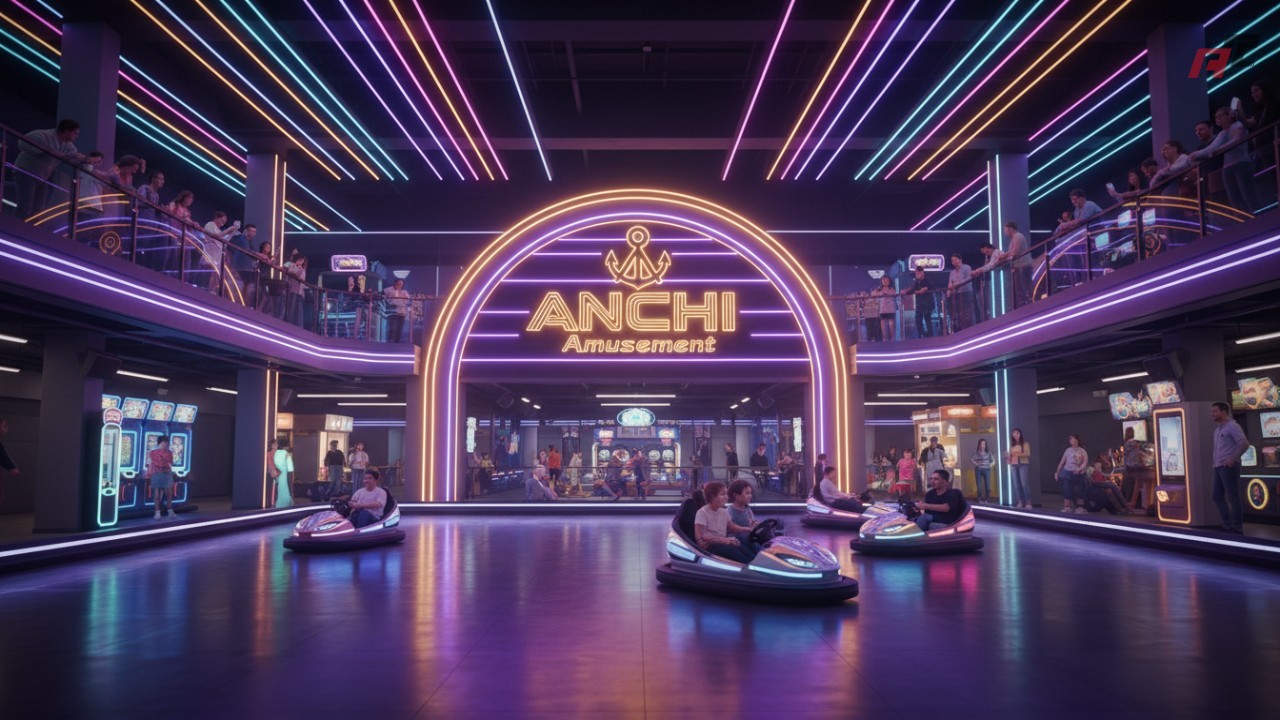
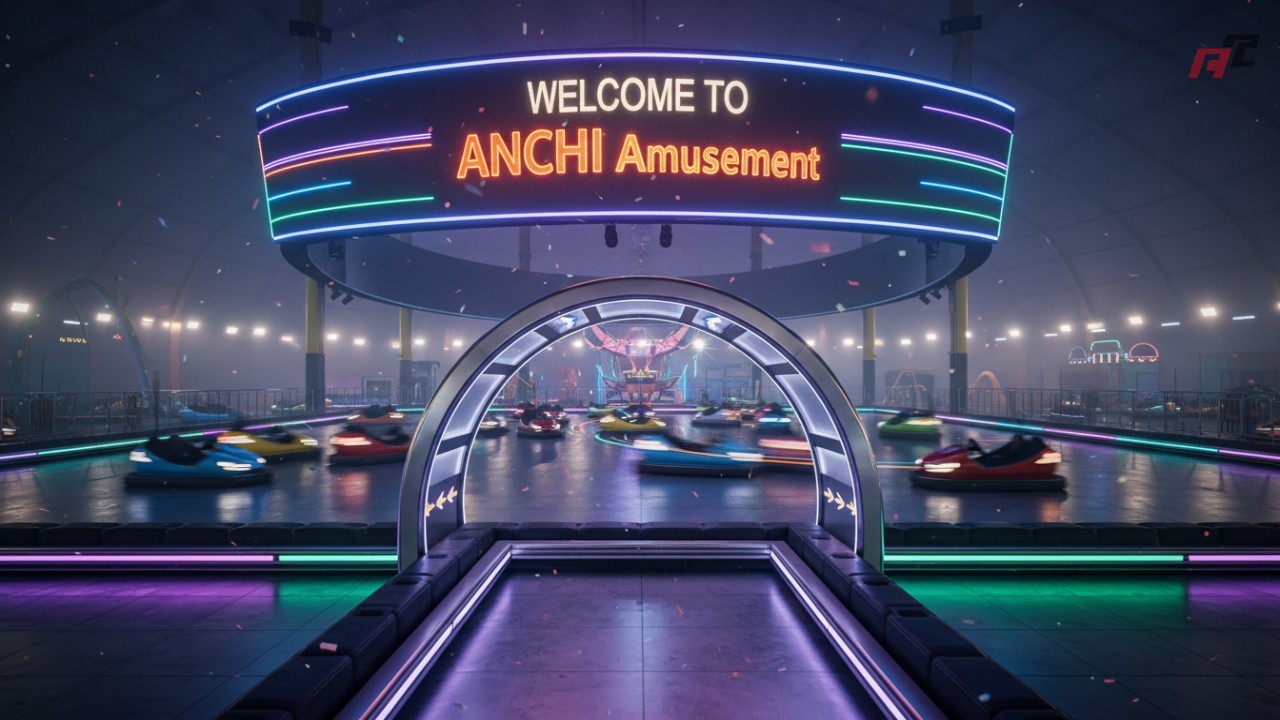
Designing a highly profitable and secure bumper car rink requires accurate dimension calculations, robust impact-resistant barriers, and selecting the optimal floor power system. By adhering to strict safety standards and partnering with proven manufacturers, operators can maximize both revenue and guest satisfaction.
Whether you are installing a traditional conductive floor grid or a modern battery-operated fleet, adhering to the standard 10 to 15 square meters per-car requirement is essential for fluid gameplay. Investing in high-density vulcanized rubber barriers and perfectly leveled flooring will protect your hardware and your guests. Partnering with a proven, technology-driven manufacturer guarantees that your venue is built to the highest modern engineering standards, ensuring long-term profitability and minimal operational downtime.
Contact ANCHI Amusement today via sandy@anchiyoule.com to optimize your Bumper Car Rink strategy.
FAQs About Bumper Car Rink
How much space do you need for a bumper car rink?
For adult bumper cars, you need 10 to 15 square meters per car. A standard 10-car rink requires a minimum of 100 to 150 square meters of operational floor space, plus room for entry queues and maintenance areas.
What is the best flooring for indoor bumper cars?
The ideal flooring depends on the power system. Battery-operated cars work best on smooth, polished concrete or specialized epoxy floors. Traditional electric cars require conductive steel plates with insulating strips.
How tall do safety barriers need to be for dodgems?
Professional bumper car safety barriers should be between 0.8 meters (31 inches) and 1.1 meters (43 inches) tall to effectively catch the rubber bumper of the car and prevent vaulting.
How many bumper cars can fit in a 100 square meter arena?
In a 100 square meter arena, you can comfortably fit 6 to 8 adult bumper cars or 10 to 12 mini/children's bumper cars, allowing enough space for driving and avoiding gridlock.
What are bumper car safety rails made of?
Modern safety rails are typically constructed with a heavy-duty steel frame, backed by spring mechanisms, and faced with high-density vulcanized rubber or pneumatic tubes to absorb impact.
Do battery-operated bumper cars require a special rink?
No, one of the main advantages of battery-operated bumper cars is that they do not require an electrified floor or ceiling grid, allowing them to operate on standard flat, hardened surfaces.
How much does it cost to build a professional bumper car track?
Costs vary widely based on the system. Battery-operated rinks are more cost-effective as they avoid expensive grid installations, while full floor-grid arenas can cost significantly more in electrical engineering and specialized flooring.
Can ANCHI Amusement customize a bumper car venue design?
Yes, Guangzhou Anchi Amusement Equipment Co., Ltd. offers comprehensive turnkey venue design services, from conceptual 3D layouts to final construction, customized to your brand and exact spatial dimensions.
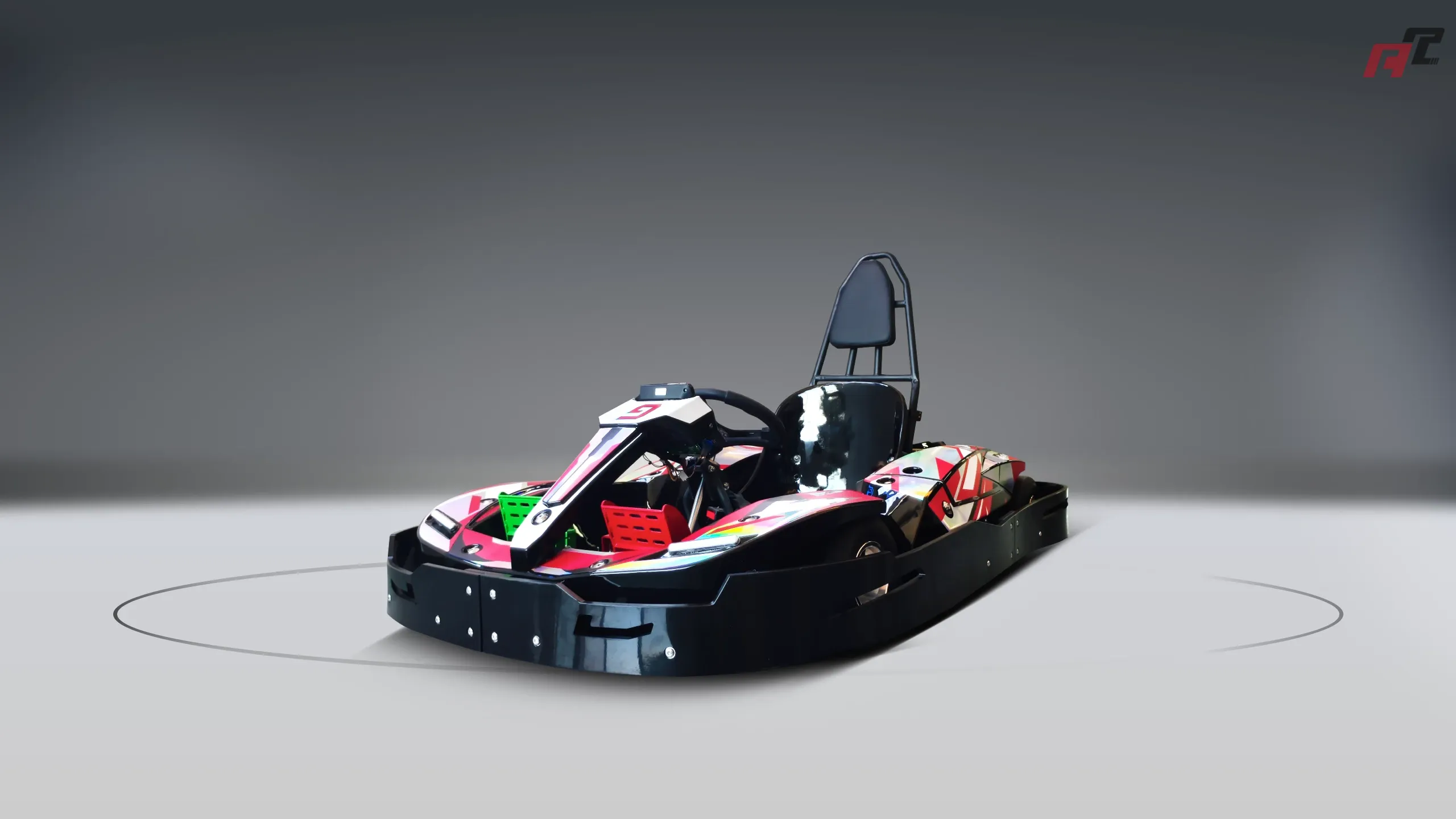
Cyclone RS 2025 1200W Electric Go-kart for Home Entertainment Centers
The Cyclone RS 2025 is a high-performance electric ride-on car designed for thrill-seekers, entertainment centers, and commercial amusement businesses. Built with a durable ABS body and reinforced metal chassis, it combines strength, safety, and speed for a superior driving experience. With a 1200W mid-mounted motor (peaking at 3600W), advanced control system, and long-lasting 72V20AH LiFePO₄ battery, this ride ensures both powerful performance and reliability.
Whether for amusement parks, game zones, rental businesses, or personal recreational use, the Cyclone RS 2025 delivers unmatched excitement and durability.
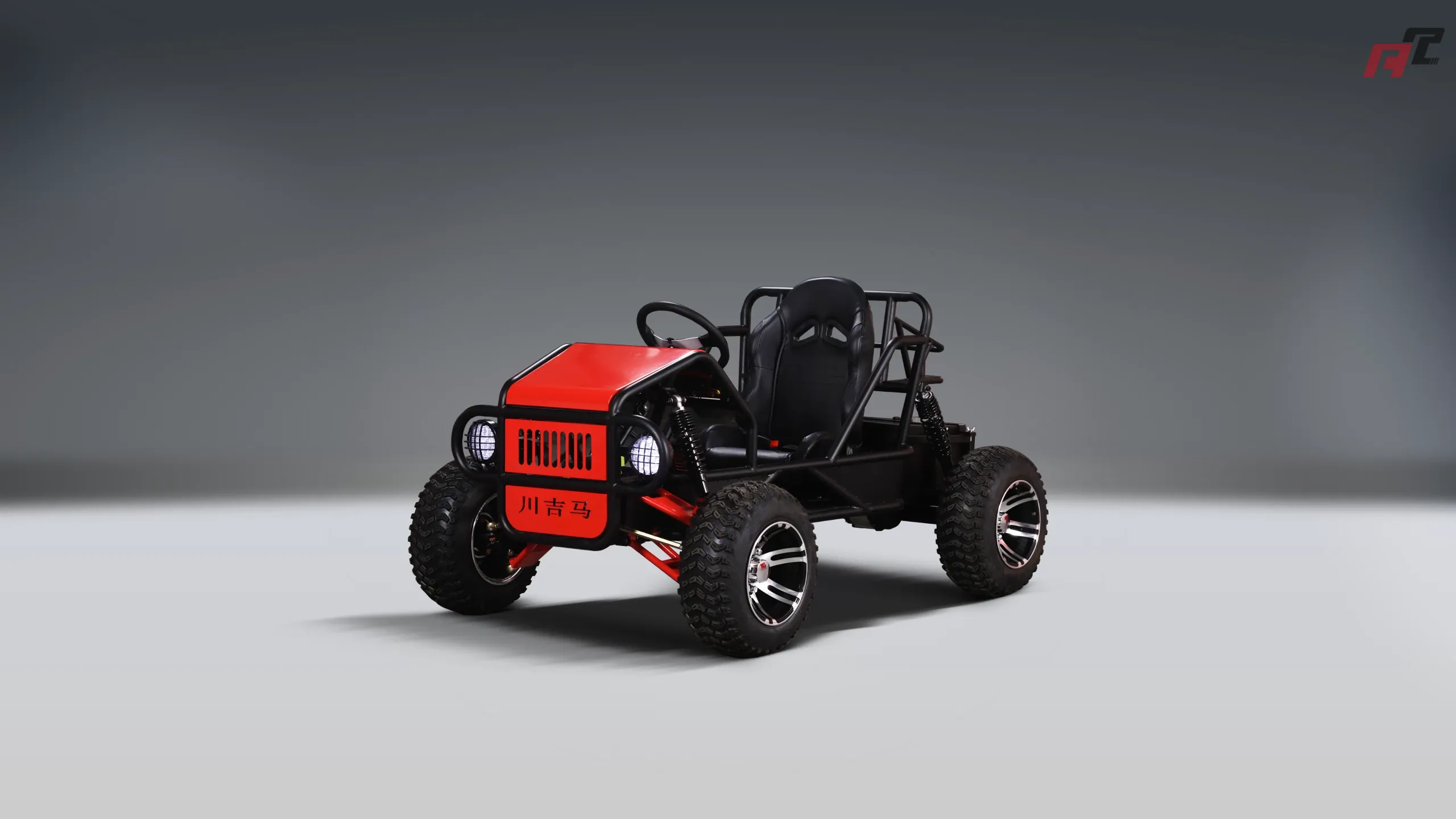
Kids Electric Off Roads One-seater ATV
Discover adventure with the ANCHI Kids Electric One-seater ATV, the perfect electric off-road experience for young explorers. Designed for safety and performance, this electric off-road go kart for kids offers unmatched thrills on any terrain. Its durable build and easy-to-use controls ensure a fun and safe ride. Ideal for budding adventurers, this ATV promises endless excitement. Explore the world with confidence with ANCHI’s innovative electric off-road solutions for kids.
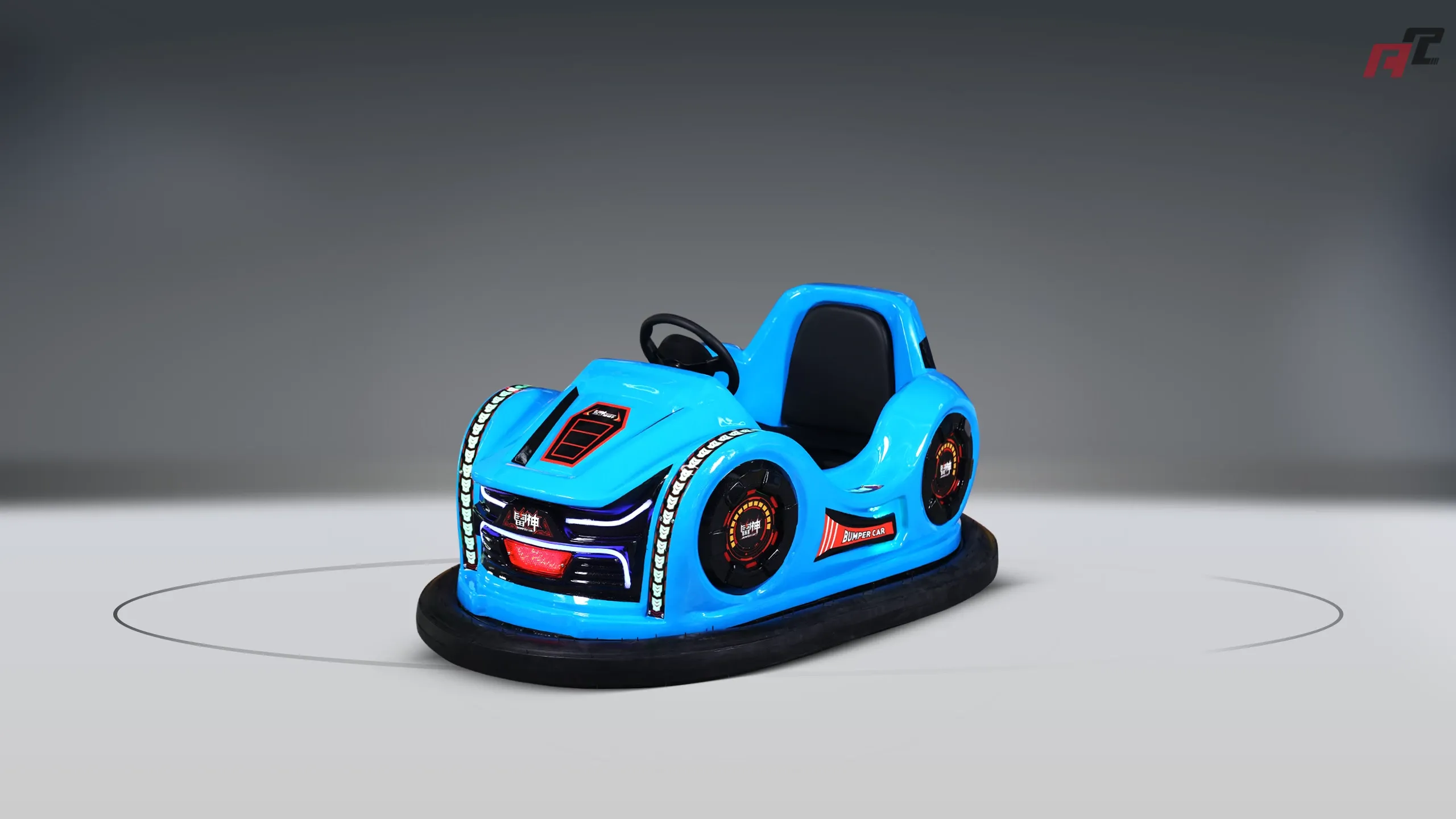
Battery Drift Bumper Car With inflatable tyre
The Battery Drift Bumper Car with Inflatable Tire with 650W steel gear motor, and high quality battery wich can becharged outside the car, the bumper car is ideal for amusement parks, family entertainment centers, build quality for safe, long-lasting fun.
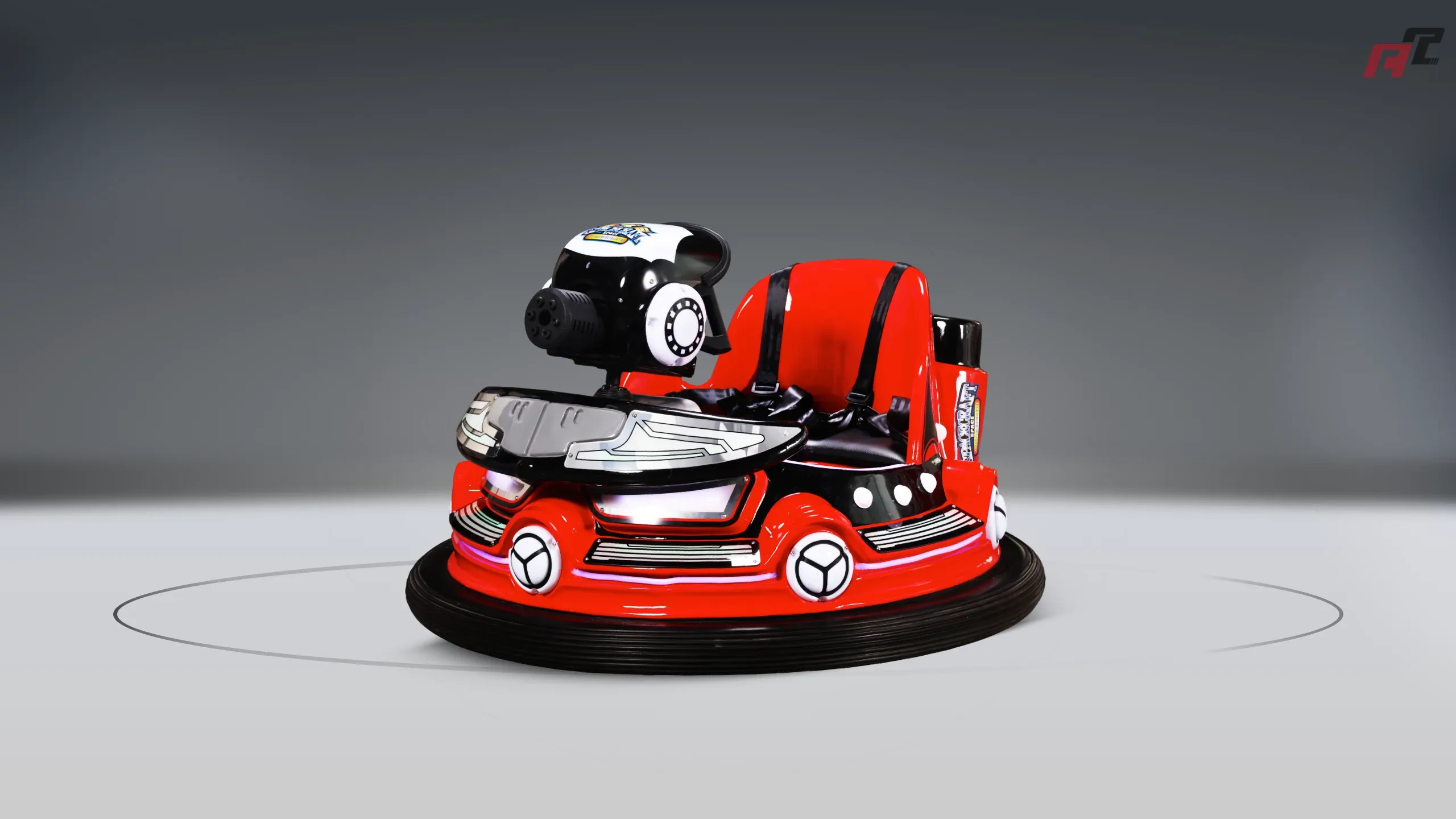
Spaceship Laser Battle Bumper Car
Discover the future of fun with the ANCHI Spaceship Laser Battle Bumper Car! Designed for thrill-seekers, this kids bumper car offers an exhilarating laser battle experience. Parents and children alike will enjoy hours of safe, exciting play. Ideal for parties or everyday fun, it combines durability with innovative technology.


