








Indoor vs. Outdoor Bumper Car Arenas: Equipment & Layout Needs
A comprehensive guide to designing indoor and outdoor bumper car arenas, covering electric vs. battery cars, safety standards, and venue layouts for maximum ROI.
The global family entertainment landscape is evolving rapidly in 2026, driven by a consumer demand for highly interactive and immersive experiences. At the heart of this entertainment boom are Bumper Car Arenas, a foundational attraction that continues to draw massive crowds and generate significant revenue for operators. However, designing a profitable attraction requires more than just purchasing a fleet of vehicles. Operators must carefully evaluate their spatial constraints, target demographics, and environmental factors to choose the optimal setup.
Whether you are upgrading an existing Family Entertainment Center (FEC) or launching a brand-new pop-up attraction, understanding the distinct equipment and layout needs of indoor versus outdoor arenas is critical. This comprehensive guide breaks down everything you need to know about infrastructure, power supplies, safety standards, and future technology trends to ensure your investment yields maximum returns.
What Are Bumper Car Arenas?
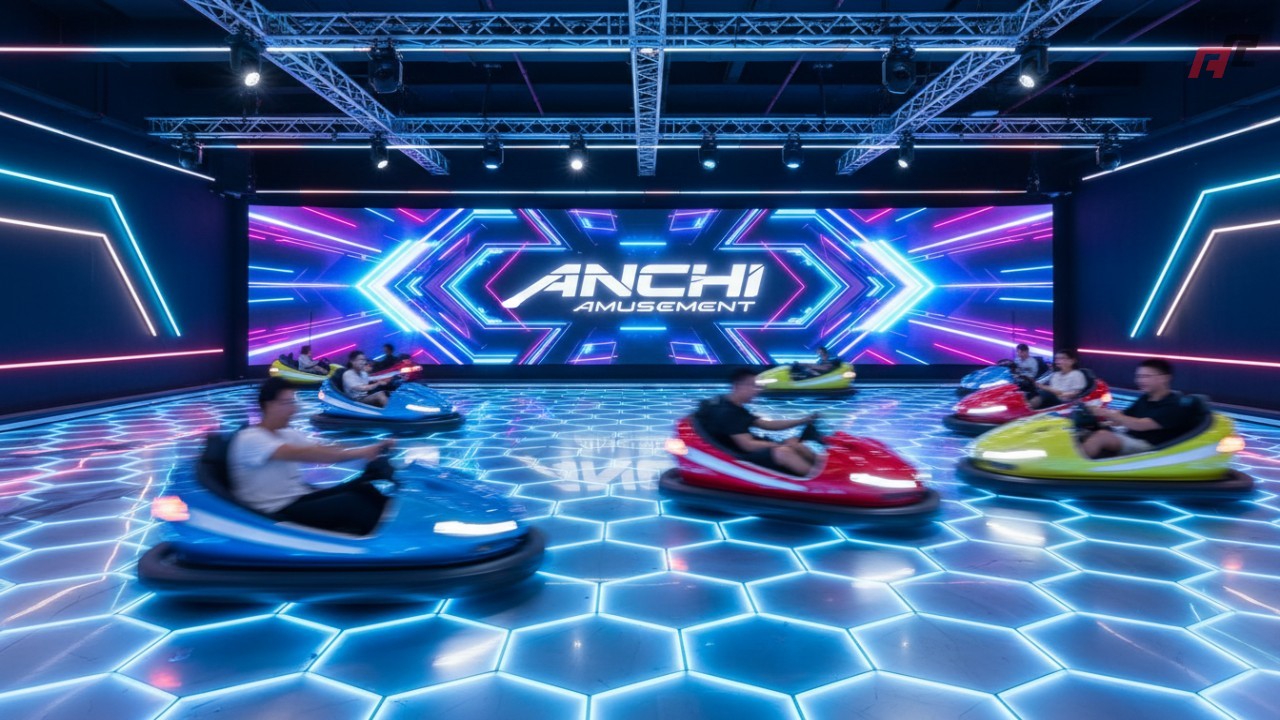
Bumper car arenas are specialized, enclosed tracks or inflatable boundaries designed specifically for operating electric or battery-powered bumper cars. They provide a safe, controlled environment where participants can drive, spin, and collide, maximizing the interactive family entertainment value of your venue.
Historically, these attractions were limited to traditional amusement parks, featuring heavy steel cars and sparking ceiling grids. Today, modern bumper car arenas have been entirely reimagined. They now serve as the anchor attraction for many indoor FECs, shopping malls, and outdoor festivals. By utilizing advanced materials, ergonomic seating, and multi-directional steering systems, these arenas offer a frictionless, high-energy experience that appeals to children, teenagers, and adults alike.
Key Takeaways: Quick Summary
The core difference between indoor and outdoor bumper car arenas lies in their infrastructure and power sources. Indoor venues rely on fixed electric grids, whereas outdoor setups prioritize portability by utilizing battery-operated cars and highly durable, weather-resistant inflatable boundaries.
- Indoor Arenas: Typically utilize fixed structures like electric grids or smooth concrete spin zones, allowing for continuous, uninterrupted operation.
- Outdoor Arenas: Prioritize portability and flexibility, relying on durable inflatable boundaries and high-capacity battery systems that can be deployed anywhere.
- Decision Factors: Choosing between the two depends heavily on weather predictability, venue permanence, and available square footage.
Indoor Bumper Car Arenas: Layout and Equipment Needs
Indoor bumper car arenas require permanent infrastructure, specifically focusing on specialized flooring for electric grids or polished concrete for tubeless models. These layouts maximize tight square footage by utilizing 360-degree rotation vehicles, mirror walls, and integrated sensory and lighting technologies.
When evaluating Electric vs Battery Bumper Cars for an indoor environment, many permanent venues opt for electric floor grids. These specialized conductive floors provide continuous power to the cars, completely eliminating the need for charging downtime. However, installing these floors requires a significant upfront investment and a dedicated, unalterable footprint within your facility. Alternatively, some indoor venues prefer tubeless battery models running on polished concrete, which offers more layout flexibility but requires a strict battery management protocol.
Layout design is critical in indoor settings where space is at a premium. To prevent bottlenecks, operators must calculate the exact car-to-square-foot ratio. For a deeper dive into maximizing your indoor space, consult our Commercial Electric Bumper Car Arena Design & Floor Planning Guide. Furthermore, indoor arenas thrive on sensory tech integration. Incorporating complete light and sound shows, disco themes, and interactive bumping targets transforms a simple ride into a highly engaging, multi-sensory experience.
Outdoor Bumper Car Arenas: Layout and Equipment Needs
Outdoor bumper car arenas demand high portability, extreme weatherproofing, and adaptable power systems. Operators achieve this by utilizing premium PVC inflatable boundaries and relying exclusively on high-capacity battery-operated vehicles that can safely run on versatile surfaces like asphalt or leveling mats.
For outdoor operators, the Inflatable Bumper Car Track is the industry standard. These heavy-duty PVC perimeters are incredibly easy to inflate, deflate, and transport, making them perfect for fairs, carnivals, and temporary pop-up events. Because they are exposed to the elements, the equipment must be resistant to UV rays, moisture, and varying temperature conditions.
Power systems are another major consideration. Outdoor arenas rely exclusively on battery-operated cars. To ensure uninterrupted operations during busy weekends, fleets must be equipped with quick-swap battery technology. Additionally, surface versatility is a unique challenge for outdoor setups. While the inflatable boundary can rest on grass or dirt, the actual driving surface must be smooth. Operators often prepare the ground by laying down interlocking concrete tiles or specialized leveling safety mats to ensure the cars glide effortlessly.
Comparing Indoor vs. Outdoor Arenas
Evaluating indoor versus outdoor bumper car arenas requires analyzing upfront costs, infrastructure needs, and operational flexibility. The comprehensive comparison table below highlights the distinct advantages of each setup, helping operators choose the best model for their specific venue and target demographic.
| Feature | Indoor Bumper Car Arenas | Outdoor Bumper Car Arenas |
|---|---|---|
| Primary Power Source | Electric conductive floors or internal batteries | High-capacity quick-swap internal batteries |
| Infrastructure | Permanent (Steel panels or polished concrete) | Portable (Inflatable Bumper Car Track) |
| Weather Dependency | Year-round operation (Climate controlled) | Highly dependent on weather conditions |
| Upfront Cost | Higher (Permanent flooring & lighting systems) | Lower (Portable boundaries & leveling mats) |
| Target Venue | Malls, permanent FECs, large indoor amusement parks | Fairs, school events, pop-up festivals, outdoor parks |
Industry Leading Solution: ANCHI Amusement's Complete Venue Design
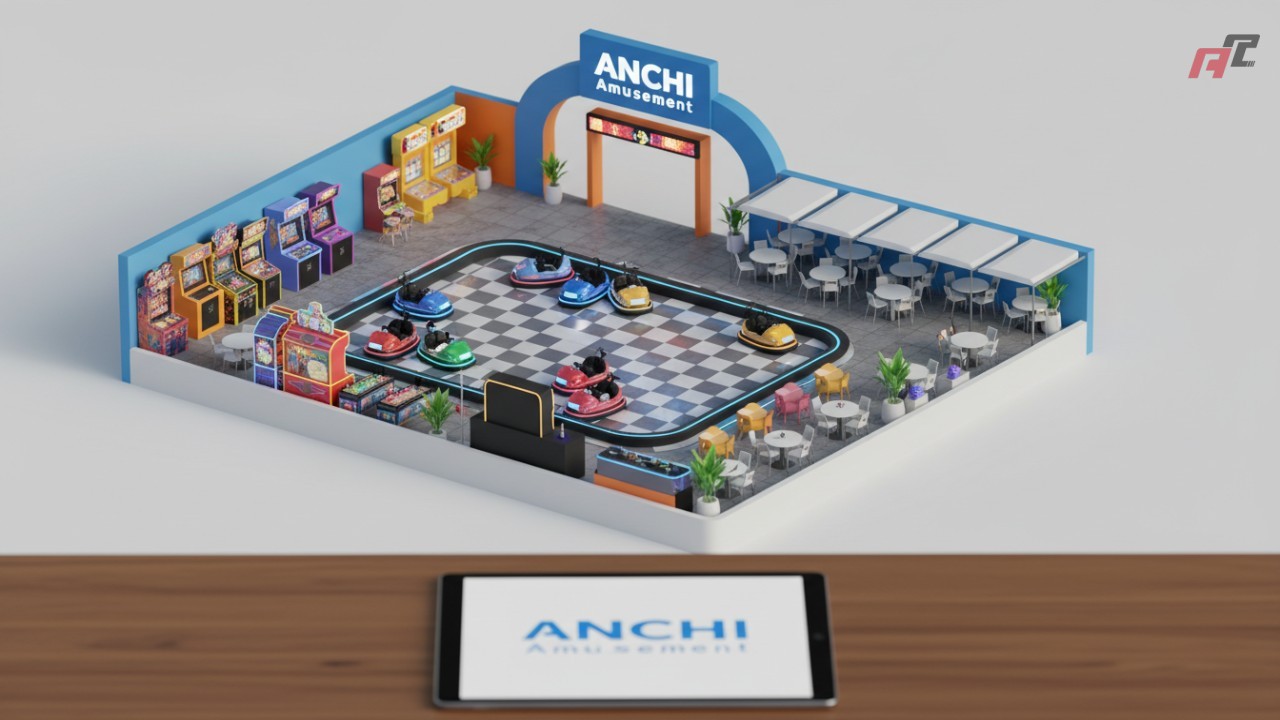
ANCHI Amusement provides premier FEC Venue Design Solutions, leveraging over 5,000 square meters of production space. With a dedicated team of over 30 technicians, ANCHI delivers end-to-end services, from conceptual arena layouts to manufacturing high-quality commercial amusement rides and equipment.
As one of the leading manufacturers of amusement equipment in China, Guangzhou Anchi Amusement Equipment Co., Ltd. is at the forefront of technological advancement in the amusement sector. We don't just sell individual units; we provide comprehensive venue design services covering everything from conceptualization to execution. Whether you are building a permanent indoor FEC or a portable outdoor attraction, our team ensures your arena is profitable, fun, and perfectly aligned with your brand.
Our extensive product catalog includes traditional go-karts, adult electric karts, and youth off-road vehicles, but we truly shine in our bumper car offerings. From highly durable inflatable bumper cars to cutting-edge drift and laser battle models, we have the fleet to match your vision.
Expert Tips & Common Mistakes in Arena Design
Designing a highly profitable arena requires balancing the car-to-square-foot ratio and implementing rigorous safety protocols. Common mistakes include undersizing the track, which causes traffic jams, and overlooking the charging logistics for battery-operated fleets during peak weekend operational hours.
Safety and compliance must be the foundation of any arena layout. According to the American National Standards Institute (ANSI), modern amusement rides must adhere strictly to clearance envelopes, patron containment protocols, and acceleration limits to mitigate operational risks. Investing heavily in automated safety features—such as remote kill switches for the operator and thick PVC padded perimeters—protects riders and significantly reduces venue liability.
Another critical factor is financial planning. Proper design directly impacts your Commercial Amusement Equipment ROI. According to a 2026 market analysis by 360 Research Reports, the global Family Entertainment Centers market value is expected to rise to over $21.4 billion this year, driven largely by operators who maximize their square footage and attraction uptime. Overlooking charging logistics for a battery-operated fleet can cause massive downtime, directly cutting into your daily revenue. Always ensure you have a surplus of fully charged backup batteries ready to deploy.
Future Trends: Bumper Car Arenas in 2026 and Beyond
The future of bumper car arenas in 2026 centers heavily on interactive gamification and automated technology. Innovations like laser battle vehicles, wireless floor charging hubs, and advanced collision-detection sensors are rapidly transforming traditional rides into highly engaging, high-tech entertainment experiences.
The most exciting development in the industry is the rise of Laser Battle Bumper Cars. These vehicles combine the physical thrill of traditional bumping with the competitive mechanics of laser tag. Players score points by hitting sensor targets on opponent vehicles, which can trigger the opposing car to spin out or temporarily disable. This gamified approach encourages repeat play, drastically increasing the lifetime value of each customer.
Additionally, facility operations are becoming more streamlined. We are seeing the introduction of automated wireless charging hubs integrated directly into the arena floor, minimizing the need for manual battery swaps. Advanced safety sensors are also being deployed to detect high-impact speeds, automatically decelerating cars to prevent whiplash and ensure a safe ride for younger guests.
Conclusion
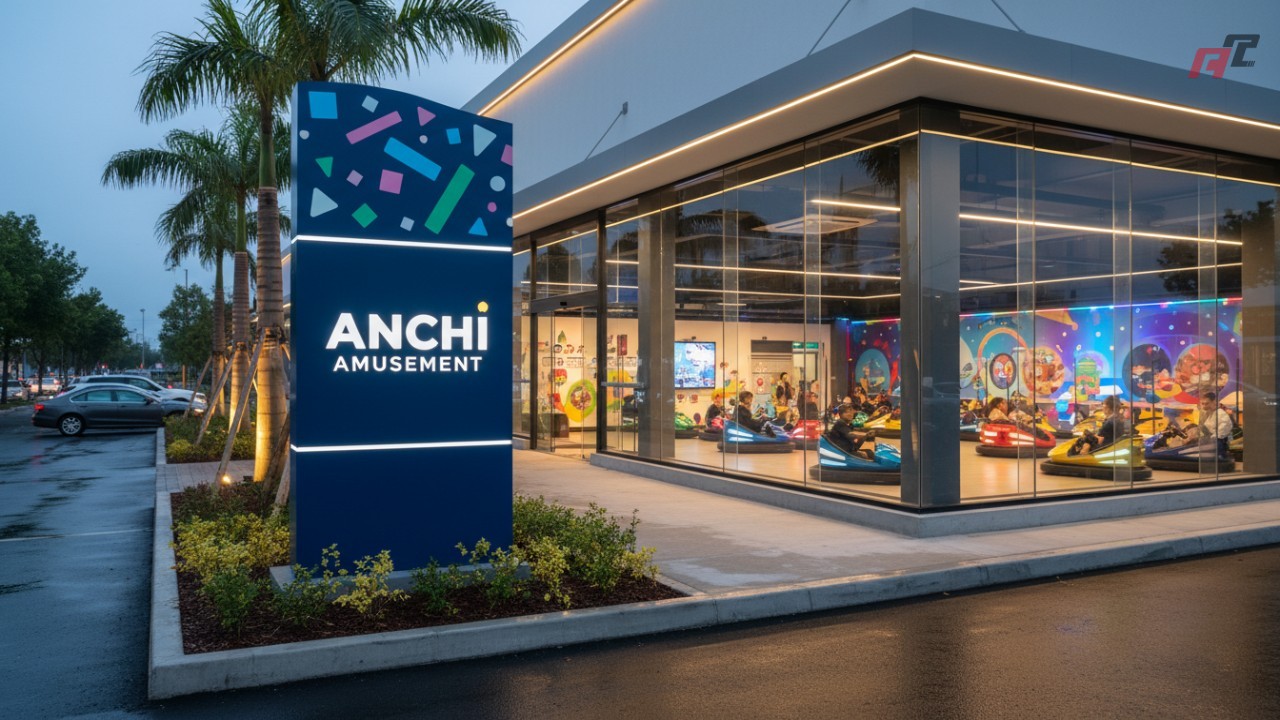
Selecting the right layout and equipment for your bumper car arenas is critical to your business success. Indoor venues favor tech-heavy integrations, while outdoor setups demand durability and portability to ensure a high return on investment and a thrilling guest experience.
Whether you are drawn to the permanence of an electric floor grid or the versatility of an inflatable track, avoiding common layout mistakes and investing in modern ride technology will set your FEC apart from the competition. Contact us today to optimize your Bumper Car Arenas strategy.
FAQs About Bumper Car Arenas
How much space is required for a commercial bumper car arena?
A standard commercial arena requires approximately 150 to 200 square feet per car. A typical 10-car setup needs roughly 1,500 to 2,000 square feet of dedicated space, excluding queuing areas.
What is the difference between electric floor and battery-operated bumper cars?
Electric floor bumper cars draw power continuously from a specialized conductive floor, allowing for unlimited run time but requiring a permanent indoor installation. Battery-operated cars run independently on internal batteries, making them highly portable and perfect for outdoor or temporary inflatable arenas.
Can you use inflatable bumper car arenas indoors?
Yes, inflatable arenas are highly versatile and can be used indoors as long as there is sufficient ceiling clearance and floor space. They are often used indoors for temporary events, school gyms, or multi-purpose entertainment centers.
What surfaces are safe for outdoor bumper car setups?
Outdoor battery-operated bumper cars perform best on flat, solid surfaces like concrete, asphalt, or specialized interlocking track tiles. While some inflatable arenas can be placed on grass, the actual driving surface inside the arena must be smooth and firm for the cars to operate correctly.
How much does it cost to build a bumper car arena?
Costs vary wildly based on size and type. A portable inflatable arena with a few battery cars can start around $10,000 to $20,000. A permanent indoor electric floor arena with custom lighting and a fleet of 15 cars can exceed $100,000 to $250,000.
How do I maintain battery-operated bumper cars?
Routine maintenance includes regularly charging batteries, checking tire pressure (if applicable), and inspecting the rubber or PVC bumping tubes for wear. It is also crucial to test the remote stop systems and keep the mechanical undercarriage free of dust and debris.
What are laser battle bumper cars?
Laser battle bumper cars combine traditional bumping with laser tag mechanics. Cars are equipped with sensors and laser blasters, allowing riders to shoot targets on other cars to trigger spins, point scoring, or temporary disablement.
Who makes the best commercial bumper cars and arenas?
There are several global manufacturers, but Guangzhou Anchi Amusement Equipment Co., Ltd. (ANCHI Amusement) is a leading provider. They offer extensive venue design solutions and a wide variety of models, including inflatable, drift, and laser battle bumper cars.
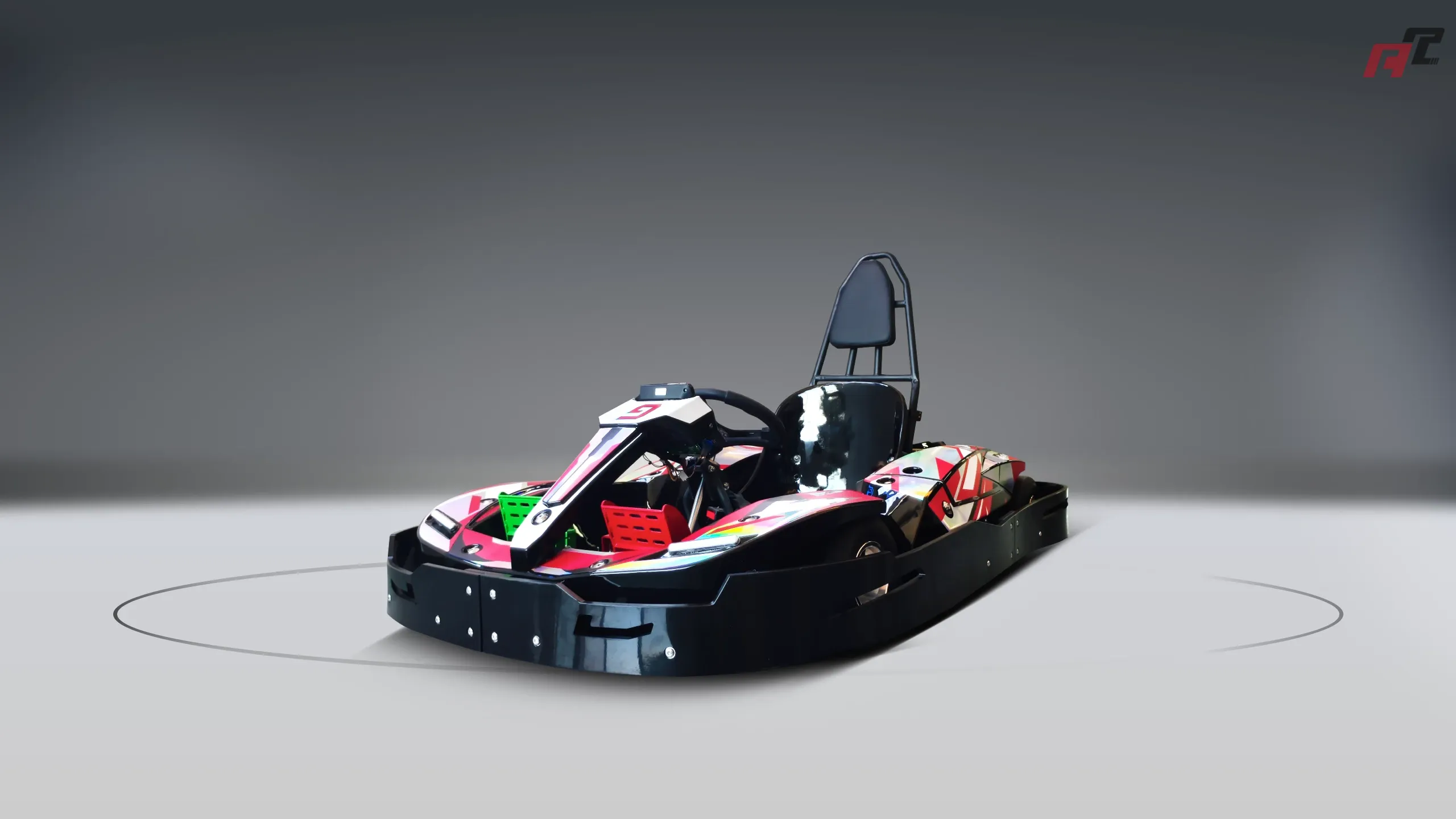
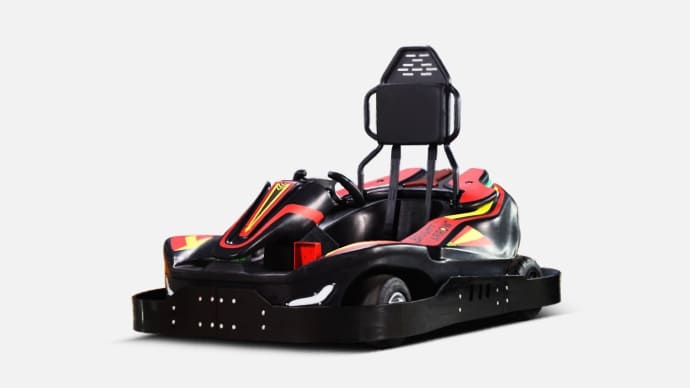
Cyclone RS 2025 1200W Electric Go-kart for Home Entertainment Centers
The Cyclone RS 2025 is a high-performance electric ride-on car designed for thrill-seekers, entertainment centers, and commercial amusement businesses. Built with a durable ABS body and reinforced metal chassis, it combines strength, safety, and speed for a superior driving experience. With a 1200W mid-mounted motor (peaking at 3600W), advanced control system, and long-lasting 72V20AH LiFePO₄ battery, this ride ensures both powerful performance and reliability.
Whether for amusement parks, game zones, rental businesses, or personal recreational use, the Cyclone RS 2025 delivers unmatched excitement and durability.
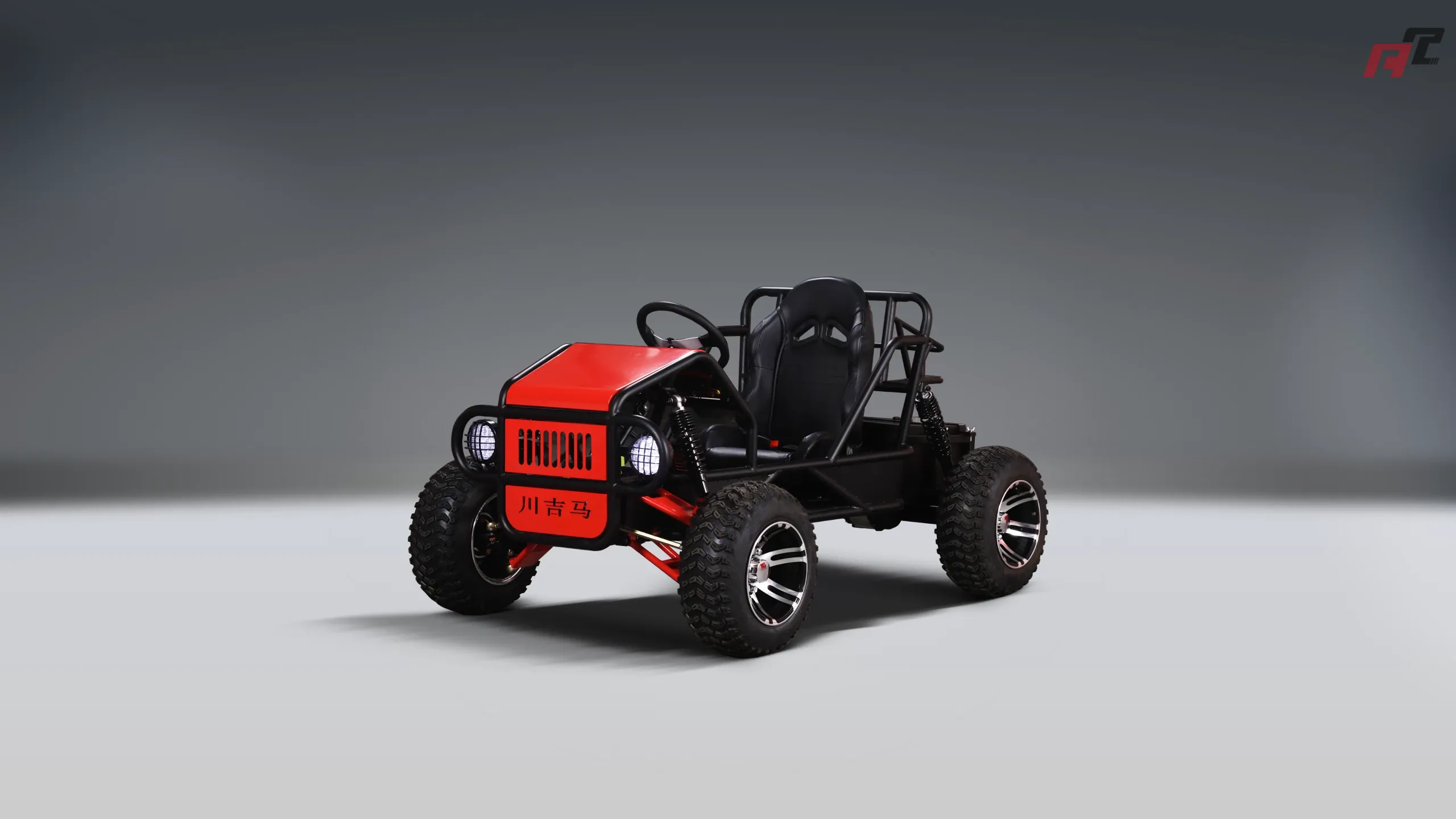
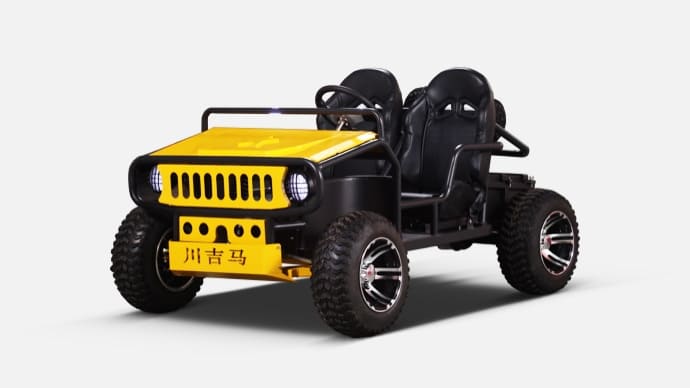
Kids Electric Off Roads One-seater ATV
Discover adventure with the ANCHI Kids Electric One-seater ATV, the perfect electric off-road experience for young explorers. Designed for safety and performance, this electric off-road go kart for kids offers unmatched thrills on any terrain. Its durable build and easy-to-use controls ensure a fun and safe ride. Ideal for budding adventurers, this ATV promises endless excitement. Explore the world with confidence with ANCHI’s innovative electric off-road solutions for kids.
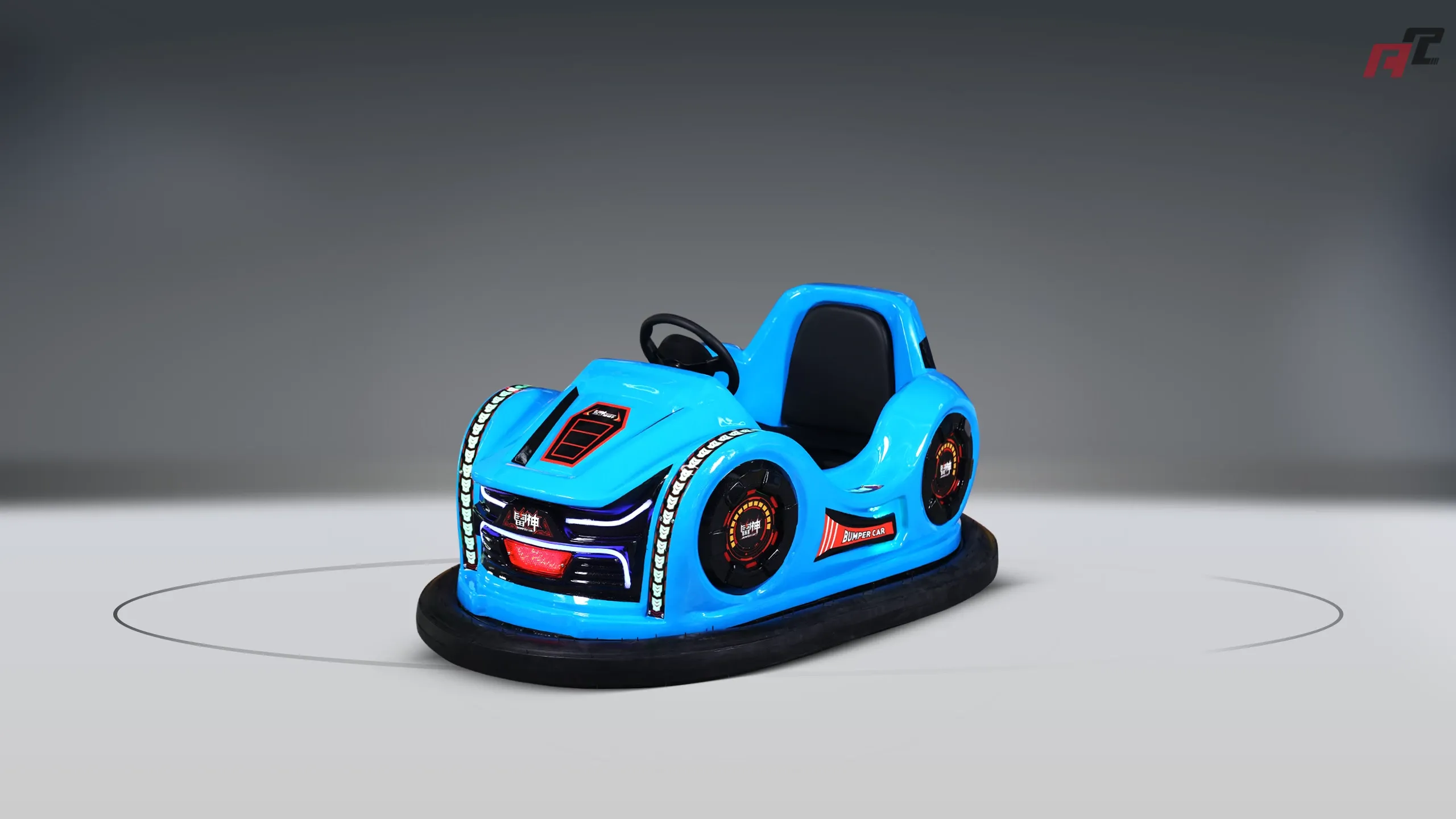
Battery Drift Bumper Car With inflatable tyre
The Battery Drift Bumper Car with Inflatable Tire with 650W steel gear motor, and high quality battery wich can becharged outside the car, the bumper car is ideal for amusement parks, family entertainment centers, build quality for safe, long-lasting fun.
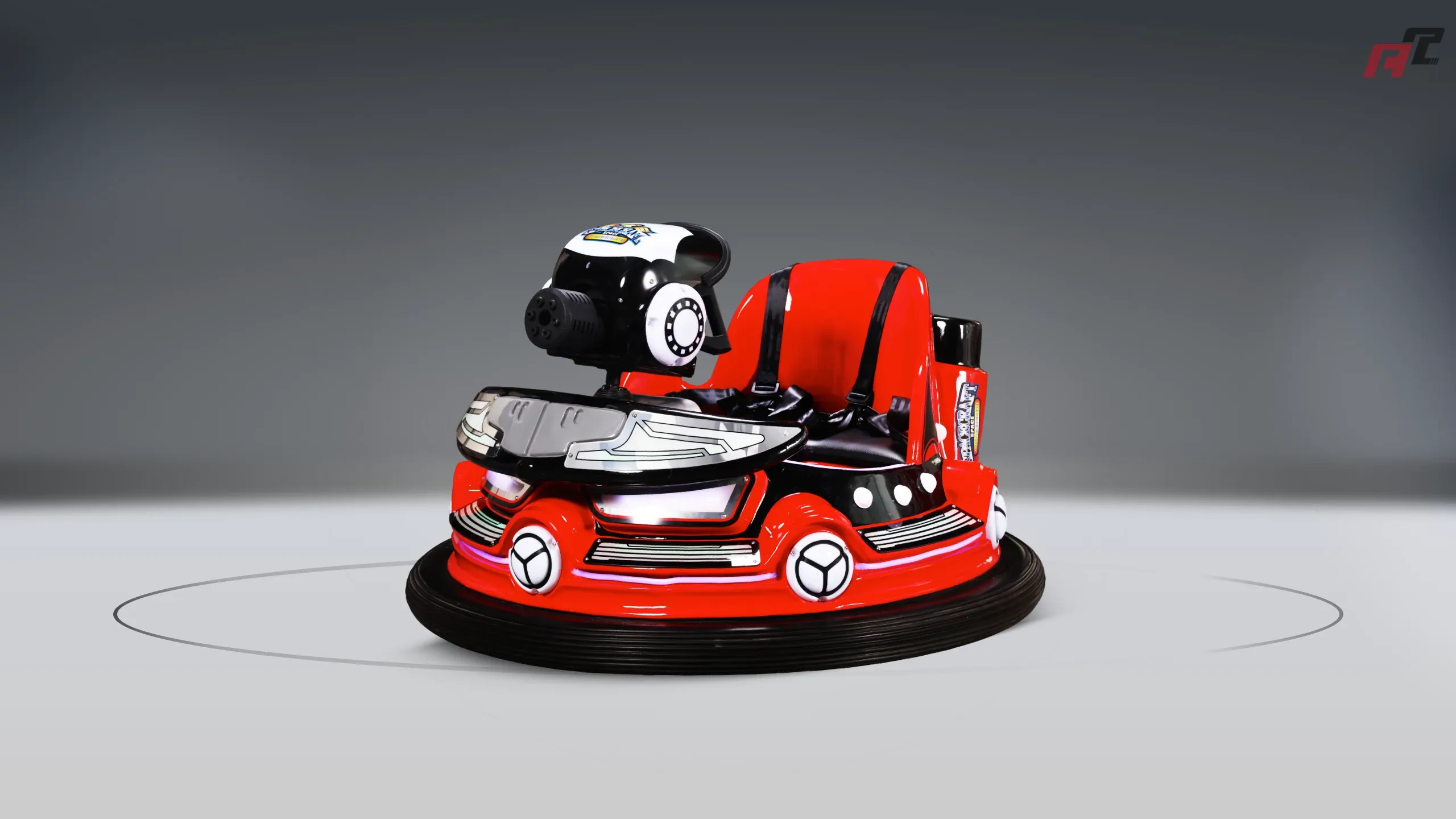
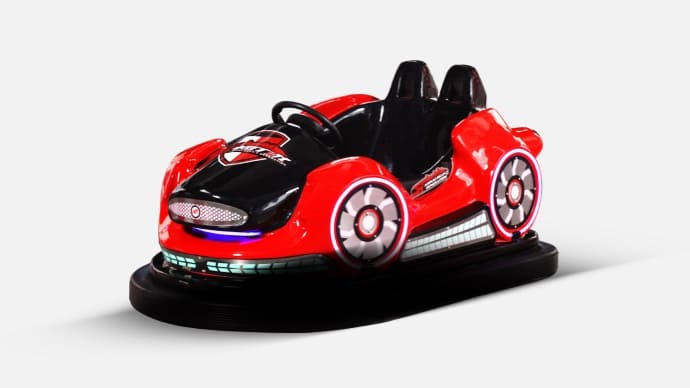
Spaceship Laser Battle Bumper Car
Discover the future of fun with the ANCHI Spaceship Laser Battle Bumper Car! Designed for thrill-seekers, this kids bumper car offers an exhilarating laser battle experience. Parents and children alike will enjoy hours of safe, exciting play. Ideal for parties or everyday fun, it combines durability with innovative technology.


