








What KPIs track safety performance for electric go kart operations?
Explore key performance indicators (KPIs) and safety protocols to consider when purchasing electric go-karts, ensuring optimal performance and safety.
Electric Go-Karts: Essential KPIs and Safety Considerations for Informed Purchasing Decisions
When considering the purchase of electric go-karts, it's crucial to evaluate both performance metrics and safety standards to ensure a sound investment. Below are key questions and answers to guide your decision-making process.
1. What are the key performance indicators (KPIs) for electric go-kart operations?
Monitoring specific KPIs is vital for assessing the efficiency and profitability of your go-kart operations. Key metrics include:
Maintenance Cost Percentage: This metric measures the portion of total revenue allocated to maintaining the go-kart fleet. A typical range is between 5-10%, indicating effective operational management.
Safety Incident Rate: This KPI tracks the number of safety incidents per 1,000 participants. Maintaining a rate below the industry average of 1-3 incidents per 1,000 participants is essential for customer trust and regulatory compliance.
Customer Satisfaction Score (CSS): This metric reflects customer contentment and loyalty. A CSS of 80% or higher is considered excellent in the recreational industry, correlating with increased customer retention and positive word-of-mouth.
2. How do maintenance costs impact the profitability of electric go-kart operations?
Maintenance costs directly affect the profitability of go-kart operations. Allocating 5-10% of total revenue to maintenance is standard, ensuring the fleet remains in optimal condition. Regular maintenance not only extends the lifespan of the karts but also enhances safety, leading to higher customer satisfaction and repeat business.
3. What safety protocols should be implemented to ensure customer safety?
Implementing robust safety protocols is paramount. Key measures include:
Regular Safety Training: Ensure all staff are trained in emergency response and safety procedures.
Comprehensive Vehicle Inspections: Conduct thorough checks of karts before each use to identify and address potential issues.
Clear Signage and Guidelines: Provide visible instructions and safety guidelines throughout the facility.
Emergency Equipment Availability: Equip the facility with accessible first aid kits and emergency stop mechanisms.
Adhering to these protocols helps maintain a safe environment, reducing the risk of incidents and enhancing customer trust.
4. How does customer satisfaction influence the success of electric go-kart businesses?
Customer satisfaction is a critical determinant of business success. A high Customer Satisfaction Score (CSS) often correlates with increased customer retention, positive word-of-mouth, and higher revenue. Regularly measuring and improving CSS can lead to a more loyal customer base and a competitive edge in the market.
5. What are the industry standards for electric go-kart performance and safety?
Industry standards for electric go-karts encompass:
Performance Metrics: Electric karts should offer instant torque for rapid acceleration, with top speeds up to 60 miles per hour, comparable to gas-powered karts.
Safety Certifications: Karts must comply with international safety standards, including impact testing, electrical safety verification, and restraint system evaluation.
Material Quality: Utilizing lightweight yet durable materials like aluminum and high-quality plastics enhances performance and longevity.
6. How does technology integration, such as AI and automation, impact electric go-kart operations?
Integrating AI and automation can significantly enhance operations by:
Performance Optimization: AI enables advanced telemetry analysis and predictive diagnostics, improving kart performance and safety.
Operational Efficiency: Automation in manufacturing and maintenance reduces costs and human error, supporting higher scalability and reliability.
Customer Experience: AI-powered race management platforms offer real-time insights into track conditions and lap times, elevating the racing experience.
7. What environmental considerations should be taken into account when purchasing electric go-karts?
Environmental considerations include:
Sustainable Manufacturing: Opt for manufacturers committed to eco-friendly practices, such as using recyclable materials and energy-efficient production methods.
Energy Efficiency: Choose karts with advanced battery technology and regenerative braking systems to minimize energy consumption.
Noise Pollution: Electric karts produce less noise, making them suitable for both indoor and outdoor tracks, reducing noise pollution.
8. How can I ensure the durability and safety of the electric go-karts I purchase?
To ensure durability and safety:
Quality Control: Select manufacturers with stringent quality control processes, including comprehensive performance testing and adherence to safety certifications.
Material Selection: Opt for karts made from high-quality, durable materials that can withstand rigorous use.
Warranty and Support: Choose suppliers that offer robust warranties and responsive customer support to address any issues promptly.
Conclusion: Why Choose ANCHI Amusement for Your Electric Go-Kart Needs?
ANCHI Amusement stands out in the electric go-kart industry by prioritizing safety, performance, and customer satisfaction. Our karts undergo rigorous quality control processes, ensuring durability and reliability. We integrate advanced technologies to enhance performance and operational efficiency, and our commitment to sustainable practices reflects our dedication to environmental responsibility. Choosing ANCHI Amusement means investing in high-quality, safe, and eco-friendly electric go-karts that provide an exceptional racing experience.
References:
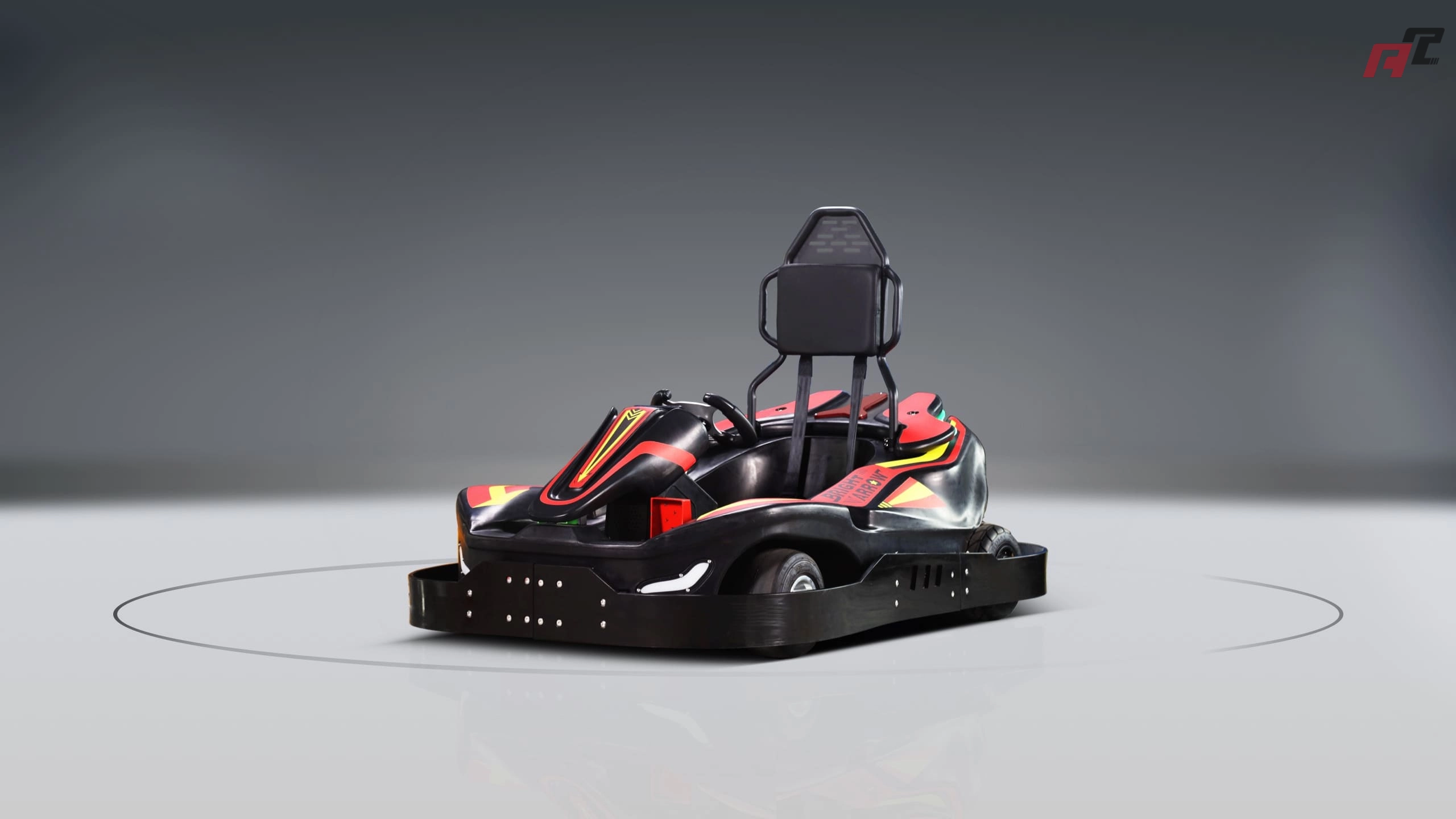
Bright Arrow Electric Go Karts
2024 new model with two powerful hub motors; each motor is 1000 watts with shock absorbers. It has fast-charging iron phosphate lithium that can be cycled 2000 times. It has three speeds. Remote control for starting, checking accounts, and setting volume. LCD dispay for showing speed, battery power, and game time.
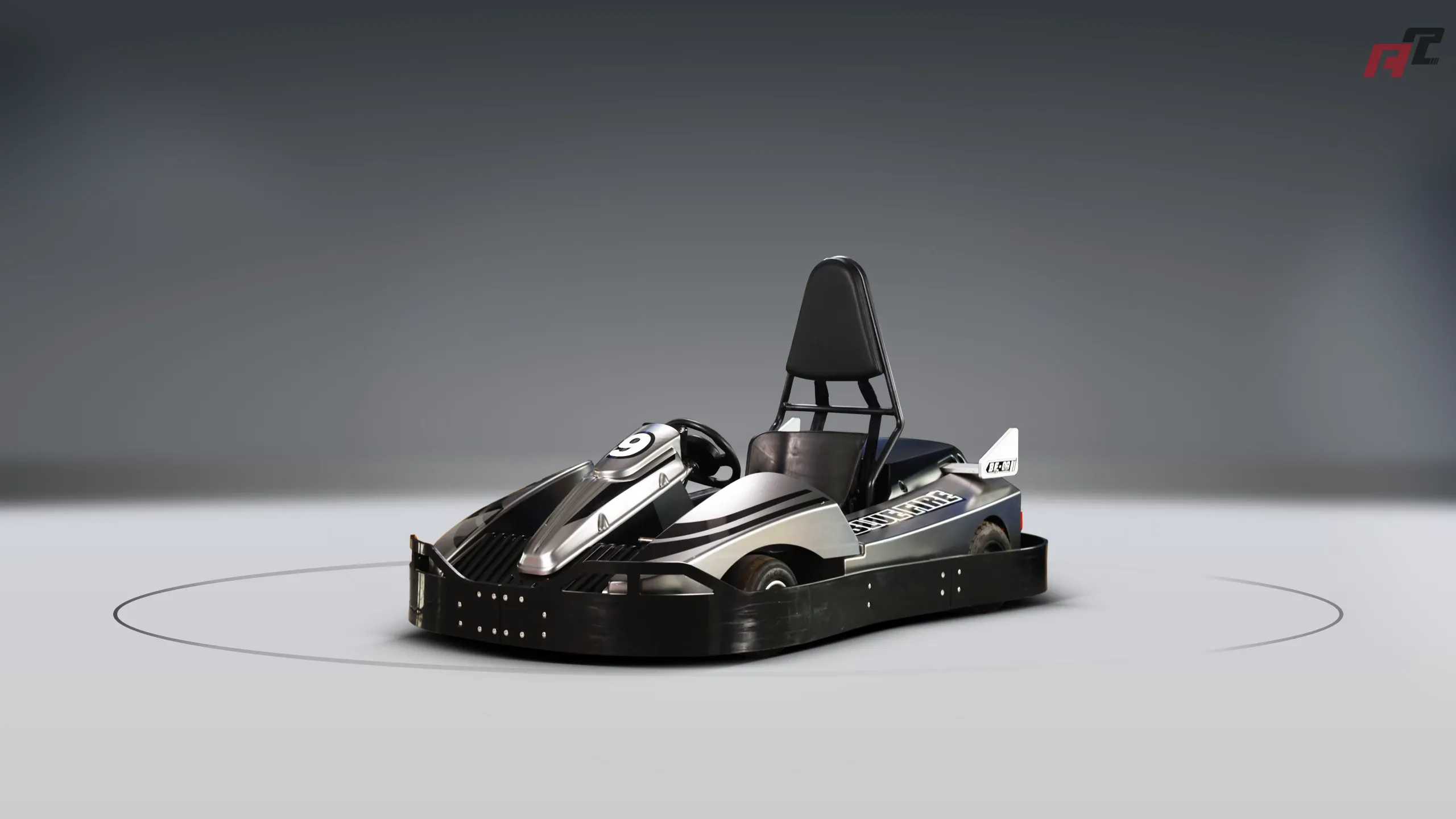
Blue Fire Electric Go Karts
Experience the thrill of speed with ANCHI's Blue Fire Electric Go Karts, perfect for both adults and kids. These high-performance electric go karts deliver unparalleled excitement while ensuring safety and reliability. Ideal for family fun or competitive racing, our electric go karts blend innovation with cutting-edge technology. Explore the future of racing with ANCHI, where performance meets sustainability. Discover more today and rev up your passion for adventure with our premium electric go karts.
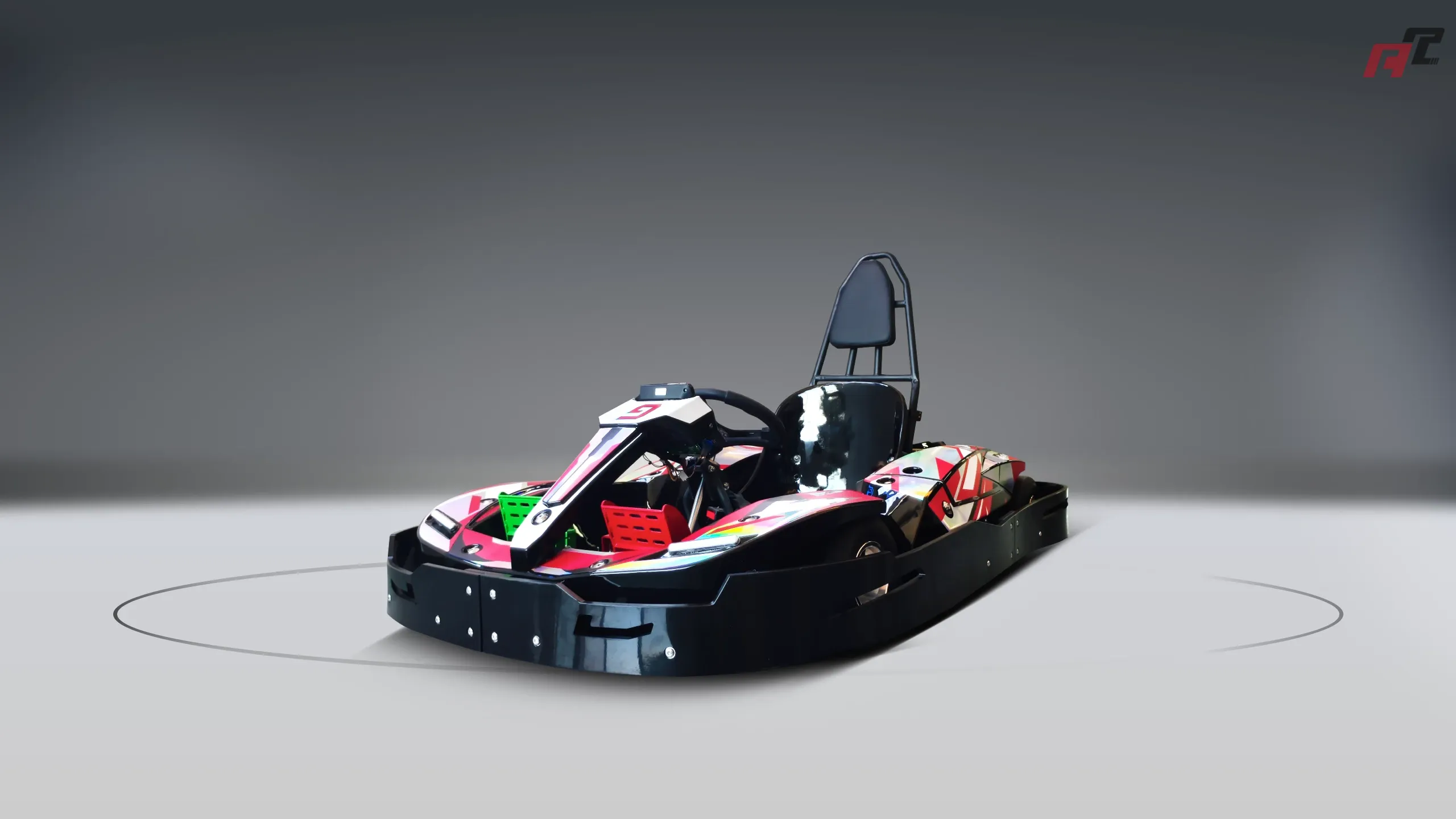
Cyclone RS 2025 1200W Electric Go-kart for Home Entertainment Centers
The Cyclone RS 2025 is a high-performance electric ride-on car designed for thrill-seekers, entertainment centers, and commercial amusement businesses. Built with a durable ABS body and reinforced metal chassis, it combines strength, safety, and speed for a superior driving experience. With a 1200W mid-mounted motor (peaking at 3600W), advanced control system, and long-lasting 72V20AH LiFePO₄ battery, this ride ensures both powerful performance and reliability.
Whether for amusement parks, game zones, rental businesses, or personal recreational use, the Cyclone RS 2025 delivers unmatched excitement and durability.
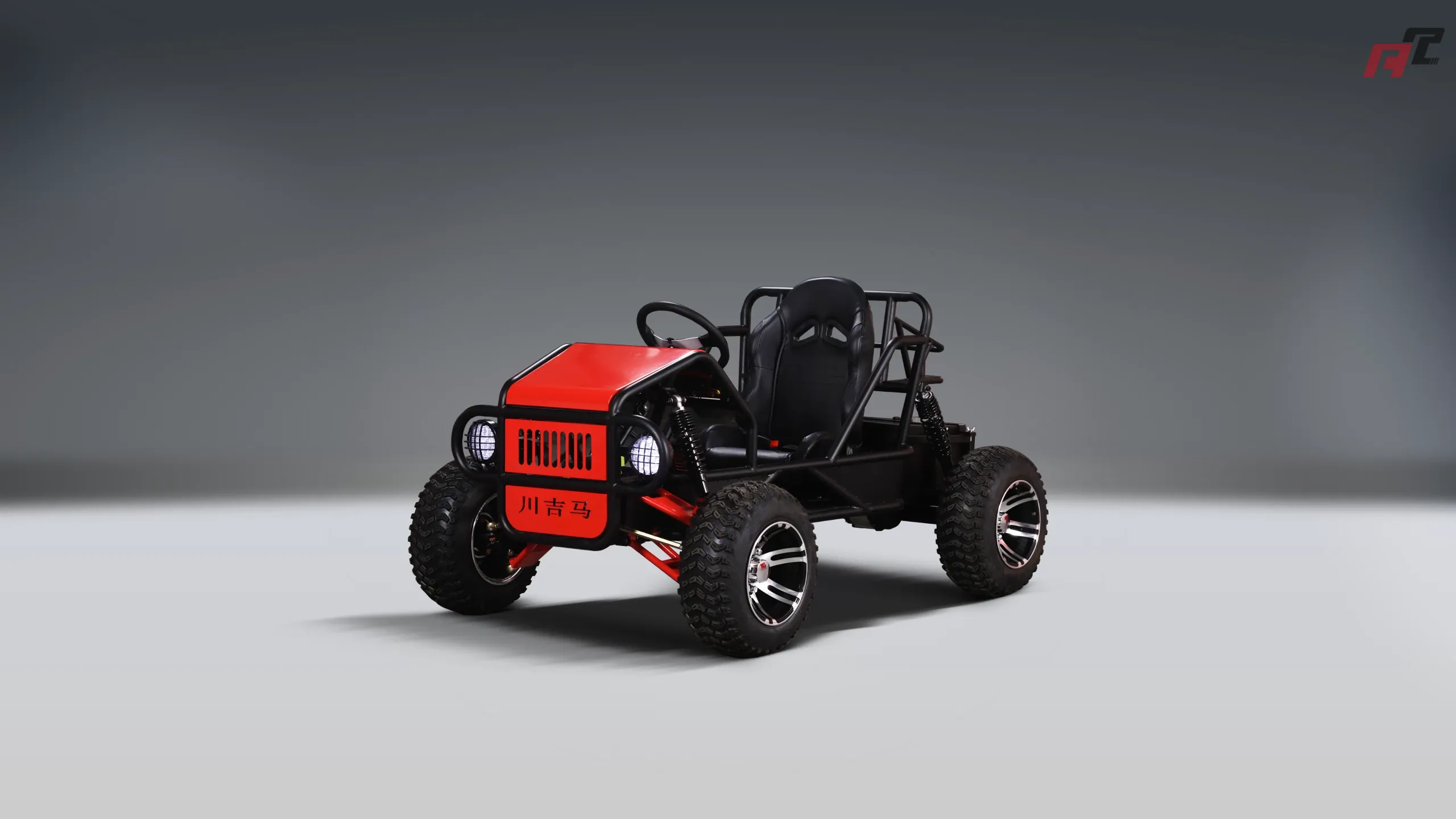
Kids Electric Off Roads One-seater ATV
Discover adventure with the ANCHI Kids Electric One-seater ATV, the perfect electric off-road experience for young explorers. Designed for safety and performance, this electric off-road go kart for kids offers unmatched thrills on any terrain. Its durable build and easy-to-use controls ensure a fun and safe ride. Ideal for budding adventurers, this ATV promises endless excitement. Explore the world with confidence with ANCHI’s innovative electric off-road solutions for kids.


