








Electric Bumper Car Profit Margin: Daily Revenue & Operating Expense (2026 Guide)
A comprehensive 2026 financial guide for amusement operators detailing how to calculate and maximize electric bumper car profit margins, reduce daily operating expenses, and achieve a faster ROI.
What is an Electric Bumper Car Profit Margin?
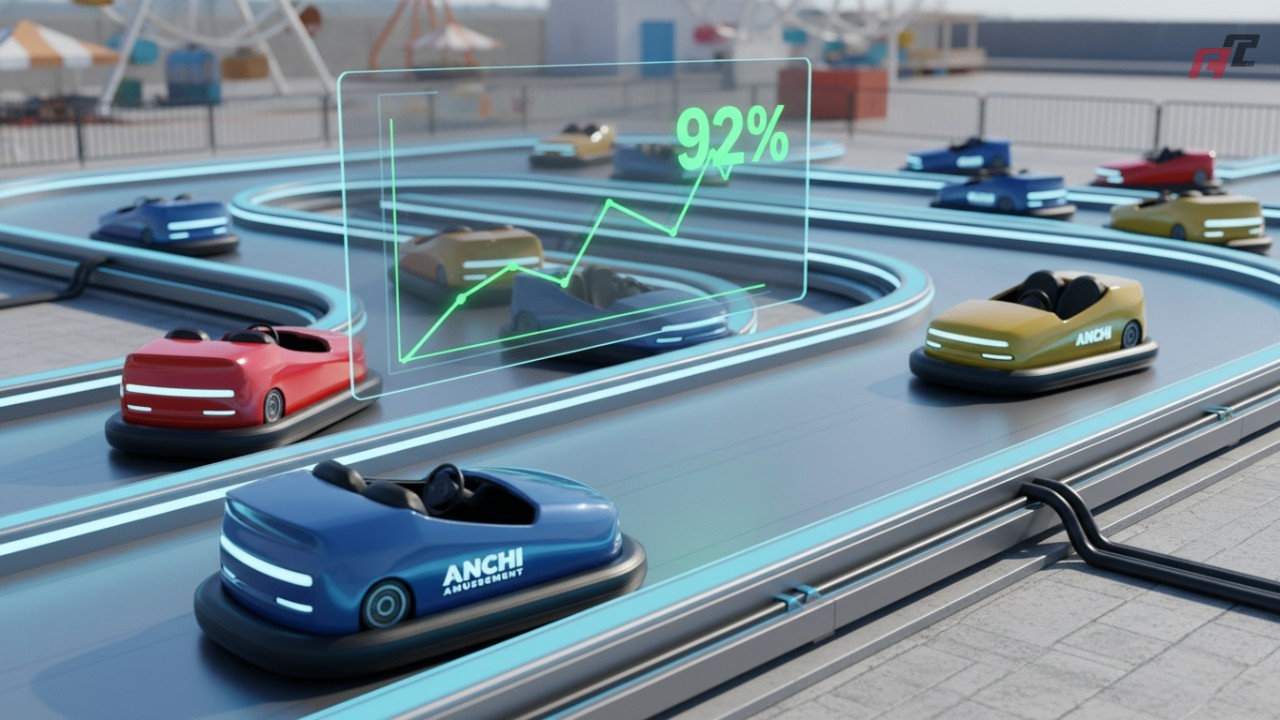
An electric bumper car profit margin is the percentage of revenue your amusement ride retains after deducting all daily operating expenses. It is calculated using the formula: ((Daily Revenue - Daily Operating Expenses) / Daily Revenue) x 100, which determines your exact payback period.
Understanding this financial metric is critical for amusement park operators who want to scale their businesses effectively. While generic financial resources provide foundational definitions of gross and net margins, they completely lack niche-specific data for the entertainment industry. A true analysis of your Profit Margin requires looking beyond basic math and diving into the daily realities of ride turnover rates, battery maintenance schedules, and ticket yield optimizations. By focusing on these specific semantic entities, operators can shift from guessing their cash flow to strategically engineering a highly profitable attraction.
Quick Summary: Key Takeaways for Operators
High profitability hinges on maximizing ride turnover rates during peak operating hours while aggressively minimizing daily overhead. Investing in durable equipment significantly reduces long-term maintenance costs, and optimizing your venue layout can increase daily revenue yields by over 20 percent.
To capture the best possible return on investment, operators must focus on the following core areas:
- Ride Turnover Optimization: Efficient passenger loading and unloading directly impacts how many tickets you can sell per hour.
- Expense Control: The largest operating expenses are typically electricity, staff wages, and periodic battery replacements.
- Asset Durability: High-quality bumper cars drastically reduce long-term maintenance costs and prevent revenue-killing downtime.
- Strategic Layouts: Proper venue and track design ensure maximum car capacity without compromising rider safety.
Calculating Daily Revenue for Bumper Cars
To calculate daily revenue for bumper cars, multiply your average ticket price by the ride capacity, turnover rate, and total operational hours. Projecting these figures allows operators to model peak weekend traffic against slower weekday utilization rates to forecast realistic cash flow.
Generating accurate Electric bumper car revenue projections requires a granular look at your daily operations. Here is how to break down the calculation:
- Determine the Average Ticket Price: Depending on your venue location and target demographic, ticket prices typically range from $4 to $8 per ride. Premium experiences, such as laser battle bumper cars, can command even higher prices.
- Calculate Ride Capacity: Factor in the number of active cars on the track and the average ride duration (typically 3 to 5 minutes).
- Estimate the Turnover Rate: Account for the time it takes for passengers to safely exit the ride and for the next group to buckle in. Faster turnover equals higher hourly revenue.
- Project Total Daily Revenue: Multiply your hourly capacity by your operational hours, adjusting for the natural ebb and flow of foot traffic.
Breaking Down Daily Operating Expenses
Daily operating expenses for bumper cars consist of electricity consumption, routine maintenance, battery replacements, and hourly labor wages. Accurately allocating a portion of overall venue overhead, such as rent and liability insurance, is critical for determining the true daily cost.
To truly understand your Bumper car operating costs, you must track both direct and indirect expenses.
- Electricity Costs: Calculating the daily kilowatt-hour (kWh) consumption for charging stations and track operations is vital. In 2026, the average commercial electricity rate in the U.S. is projected to reach approximately 17.6 cents per kWh, according to a recent energy forecast by Bid On Energy. Efficient charging systems are more important than ever.
- Maintenance & Parts: Operators must amortize the cost of routine wear-and-tear items. This includes replacing rubber bumpers, tires, steering components, and managing battery degradation over time.
- Labor Costs: Factoring in hourly wages for dedicated ride operators, ticket takers, and safety attendants.
- Overhead Allocation: Dedicating a fair portion of overall venue rent, utilities, insurance, and marketing strictly to the bumper car attraction.
For a deeper dive into these financial metrics, read our comprehensive resource on Electric Bumper Car Business Cost & ROI: The Complete Financial Guide.
Gap Analysis: Expected Profit Margins for FECs in 2026
While generic retail businesses aim for 10-20% net margins, well-run amusement attractions often target 30-45% operating margins. In 2026, interactive rides like laser battle bumper cars command premium ticket prices, significantly driving up overall Family Entertainment Center profitability.
We contrast standard gross margin theory with real-world Family Entertainment Center (FEC) benchmarks to help operators forecast realistic cash flow. According to a recent industry benchmark report highlighted by Embed, the average FEC profit margin ranges between 10% and 20% globally, but individual high-performing attractions within those centers can yield much higher operating margins.
2026 Bumper Car Profitability Projections
The following table illustrates a comparative projection of daily revenue and expenses for a standard 10-car electric bumper car fleet:
| Operating Metric | Weekday Projection (Low Traffic) | Weekend Projection (Peak Traffic) |
|---|---|---|
| Active Bumper Cars | 6 Cars | 10 Cars |
| Average Ticket Price | $5.00 | $7.00 |
| Rides Per Hour | 5 Rides | 8 Rides |
| Operational Hours | 6 Hours | 10 Hours |
| Estimated Daily Revenue | $900 | $5,600 |
| Estimated Daily Expenses | $250 | $650 |
| Projected Operating Margin | 72.2% | 88.3% |
(Note: These figures represent gross ride operating margins before facility-wide overhead deductions).
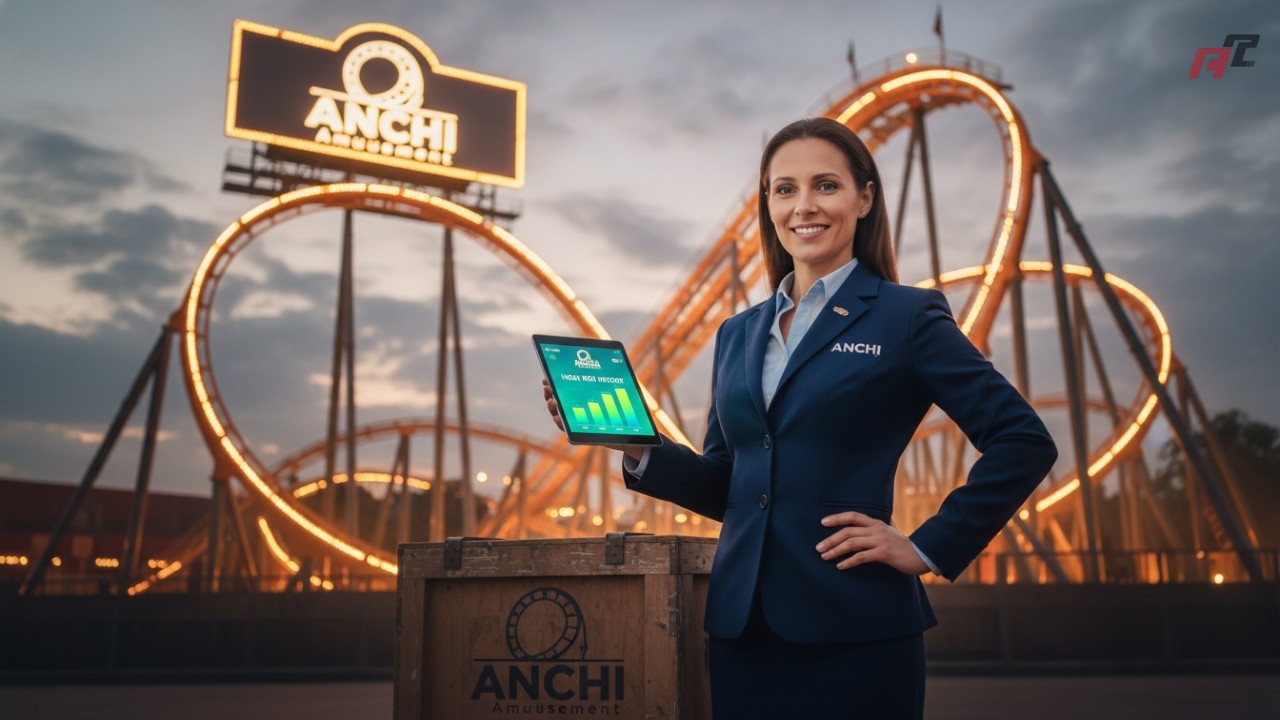
Maximizing Profitability with ANCHI Amusement Equipment

Reducing operating expenses starts with investing in reliable equipment from a trusted manufacturer. Guangzhou Anchi Amusement Equipment Co., Ltd. provides premium electric amusement vehicles designed to minimize downtime, lower maintenance costs, and maximize your daily revenue potential.
As a leading manufacturer of amusement equipment in China, ANCHI Amusement understands that the secret to a fast Amusement equipment payback period is equipment reliability. We are a rich electric amusement vehicle enterprise integrating system R&D, production, sales, and after-sales service.
Supported by over 5,000 square meters of production space and a dedicated R&D team of over 30 highly skilled technicians, ANCHI ensures your fleet operates at peak efficiency. We offer a wide array of innovative products, including inflatable bumper cars, laser battle bumper cars, and drift bumper cars. Upgrading to ANCHI's cutting-edge systems lowers daily electricity consumption while providing a thrilling, modern experience that encourages repeat rides and drives up your Amusement ride ROI.
Leveraging Complete Venue Design Solutions for Higher ROI
A poorly designed bumper car track limits ride capacity and directly hurts your profit margin. By utilizing comprehensive venue design solutions, operators can optimize track layouts, increase simultaneous car operations, and build a premium brand atmosphere that justifies higher pricing.
In addition to custom manufacturing, ANCHI offers complete venue design solutions. Our comprehensive venue design services cover everything from initial conceptualization to final execution. By optimizing the physical track layout, operators can increase the number of cars running simultaneously without ever compromising safety. Customizing the environment helps build a fun, immersive atmosphere under your own brand, allowing for higher premium pricing and stronger daily revenue.
Expert Tips & Common Mistakes in Amusement Profitability
Maximizing amusement profitability requires strict adherence to preventative maintenance and dynamic pricing strategies, while avoiding common pitfalls like understaffing and poor battery management. Strategic operational adjustments can drastically reduce expenses and capture lost revenue during peak hours.
To maintain a competitive edge in 2026, operators should keep these expert tips and common mistakes in mind:
- Mistake: Ignoring proper battery charging protocols. Overcharging or fully depleting batteries leads to premature battery death, spiking your operating expenses.
- Tip: Implement dynamic pricing or bundled ride packages during off-peak weekday hours to maintain steady daily revenue.
- Mistake: Understaffing the ride during peak weekend hours. This slows down turnover rates, creating long lines that leave potential revenue on the table.
- Tip: Establish a strict preventative maintenance schedule. Catching minor issues—like worn steering components—before they cause costly ride downtime is essential for protecting your bottom line.
Conclusion
Understanding your electric bumper car profit margin is the absolute key to running a successful and scalable amusement business. By accurately tracking daily revenue and aggressively managing operating expenses, operators can achieve an exceptional return on investment and long-term financial stability.
Whether you are upgrading an existing Family Entertainment Center or building a new attraction from the ground up, minimizing downtime and maximizing rider throughput will dictate your financial success. Contact us today to optimize your Profit Margin strategy.
FAQs About Profit Margin
Frequently asked questions about profit margins provide deeper insights into daily revenue generation and operating expenses. Review these expert answers to better understand battery lifespans, payback periods, and how venue design impacts the overall financial success of your amusement business.
How much revenue can one electric bumper car generate daily?
Daily revenue varies based on ticket price, ride duration, and foot traffic. A single car running 10 times an hour at $5 per ticket can generate $50 hourly, or hundreds of dollars during a busy day.
What are the main operating expenses for a bumper car business?
The primary expenses include electricity for charging, routine maintenance, battery replacements, and operator wages. Allocated rent and liability insurance also factor into the daily operating costs.
How long is the payback period for commercial bumper cars?
With a healthy profit margin and high venue footfall, the payback period for commercial bumper cars typically ranges from 6 to 12 months. Using low-maintenance equipment from trusted manufacturers like ANCHI can shorten this timeframe.
How much electricity does an electric bumper car use?
Electricity usage depends on the battery size, motor wattage, and hours of continuous operation. Modern electric bumper cars are designed to be energy efficient, keeping daily charging costs relatively low compared to overall revenue.
What is the average lifespan of a bumper car battery?
Commercial bumper car batteries typically last between 1 to 3 years depending on usage and charging habits. Strict adherence to the manufacturer's charging protocols is essential to maximize battery life and minimize replacement expenses.
How do I calculate the net profit margin for my amusement park?
Subtract all operating expenses, taxes, interest, and overhead from your total revenue to find your net profit. Divide that net profit by your total revenue, then multiply by 100 to get your net profit margin percentage.
Why choose ANCHI Amusement for bumper car investments?
ANCHI Amusement is a leading manufacturer in China, offering robust system R&D and comprehensive after-sales service. They provide diverse, high-quality models like drift and laser battle bumper cars that attract more riders and require less maintenance.
How does venue design affect bumper car profitability?
Efficient venue design improves traffic flow, allowing for faster loading and unloading of passengers. Better layout design, available through services like ANCHI's, maximizes track space and increases the number of revenue-generating rides per hour.
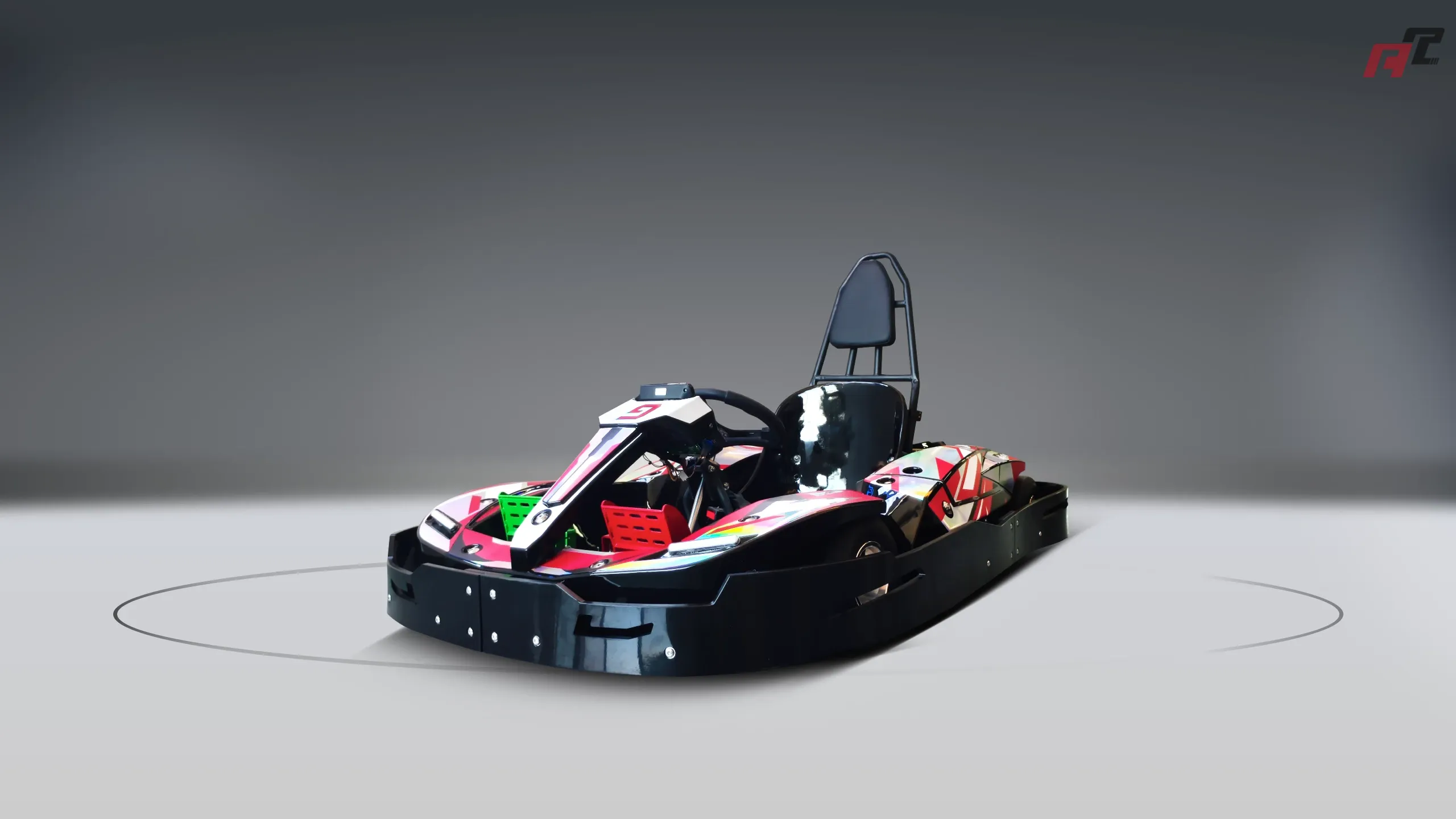
Cyclone RS 2025 1200W Electric Go-kart for Home Entertainment Centers
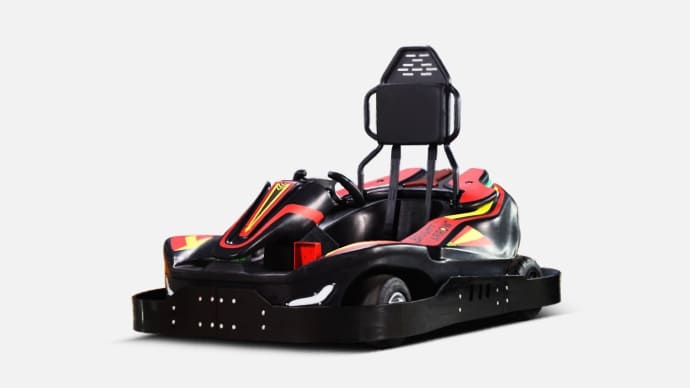
The Cyclone RS 2025 is a high-performance electric ride-on car designed for thrill-seekers, entertainment centers, and commercial amusement businesses. Built with a durable ABS body and reinforced metal chassis, it combines strength, safety, and speed for a superior driving experience. With a 1200W mid-mounted motor (peaking at 3600W), advanced control system, and long-lasting 72V20AH LiFePO₄ battery, this ride ensures both powerful performance and reliability.
Whether for amusement parks, game zones, rental businesses, or personal recreational use, the Cyclone RS 2025 delivers unmatched excitement and durability.
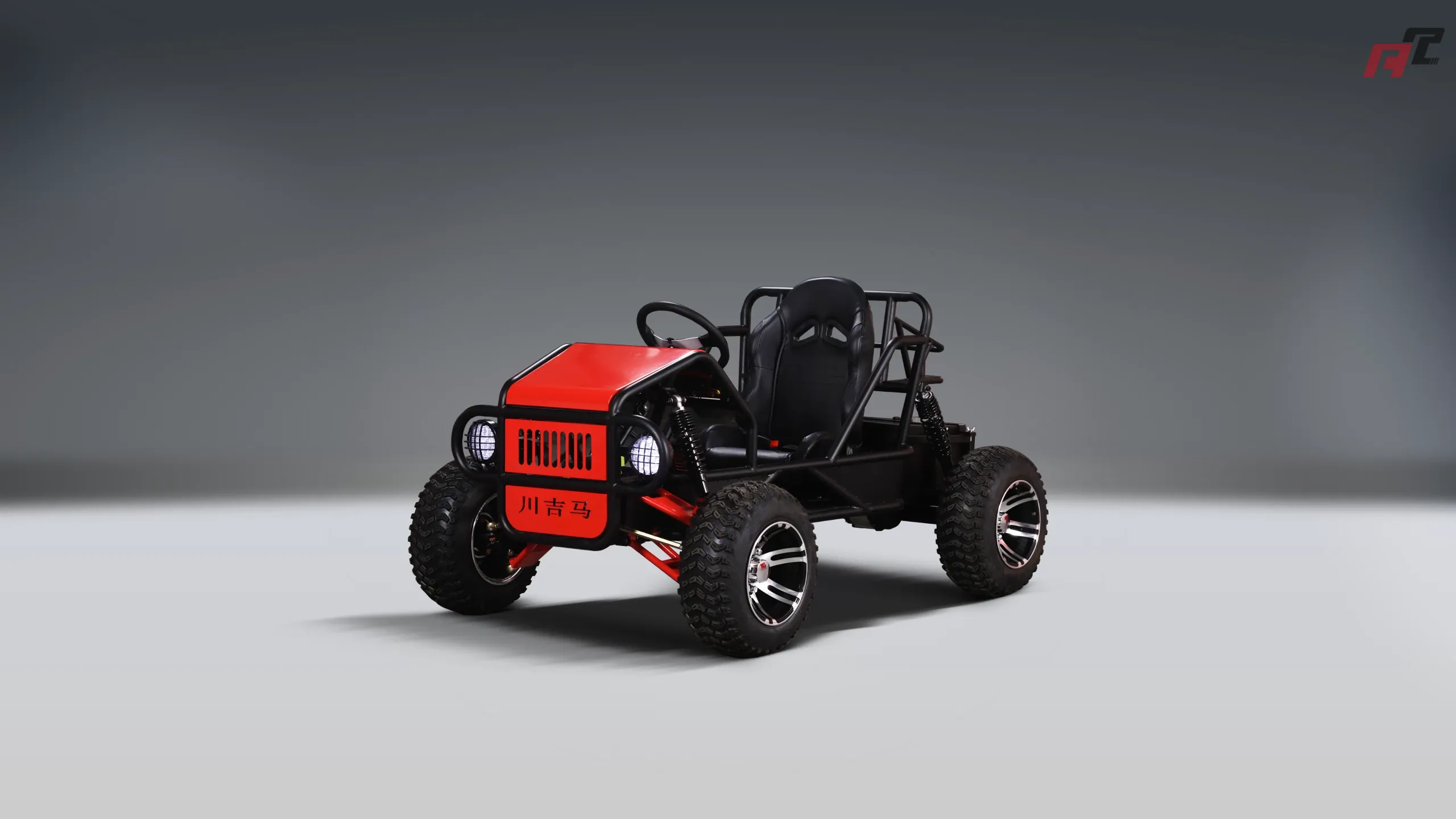
Kids Electric Off Roads One-seater ATV
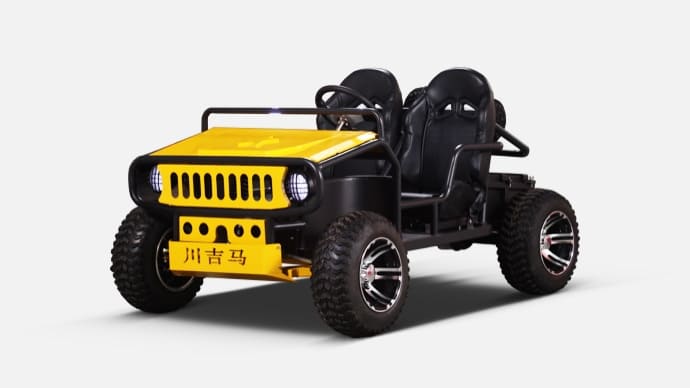
Discover adventure with the ANCHI Kids Electric One-seater ATV, the perfect electric off-road experience for young explorers. Designed for safety and performance, this electric off-road go kart for kids offers unmatched thrills on any terrain. Its durable build and easy-to-use controls ensure a fun and safe ride. Ideal for budding adventurers, this ATV promises endless excitement. Explore the world with confidence with ANCHI’s innovative electric off-road solutions for kids.
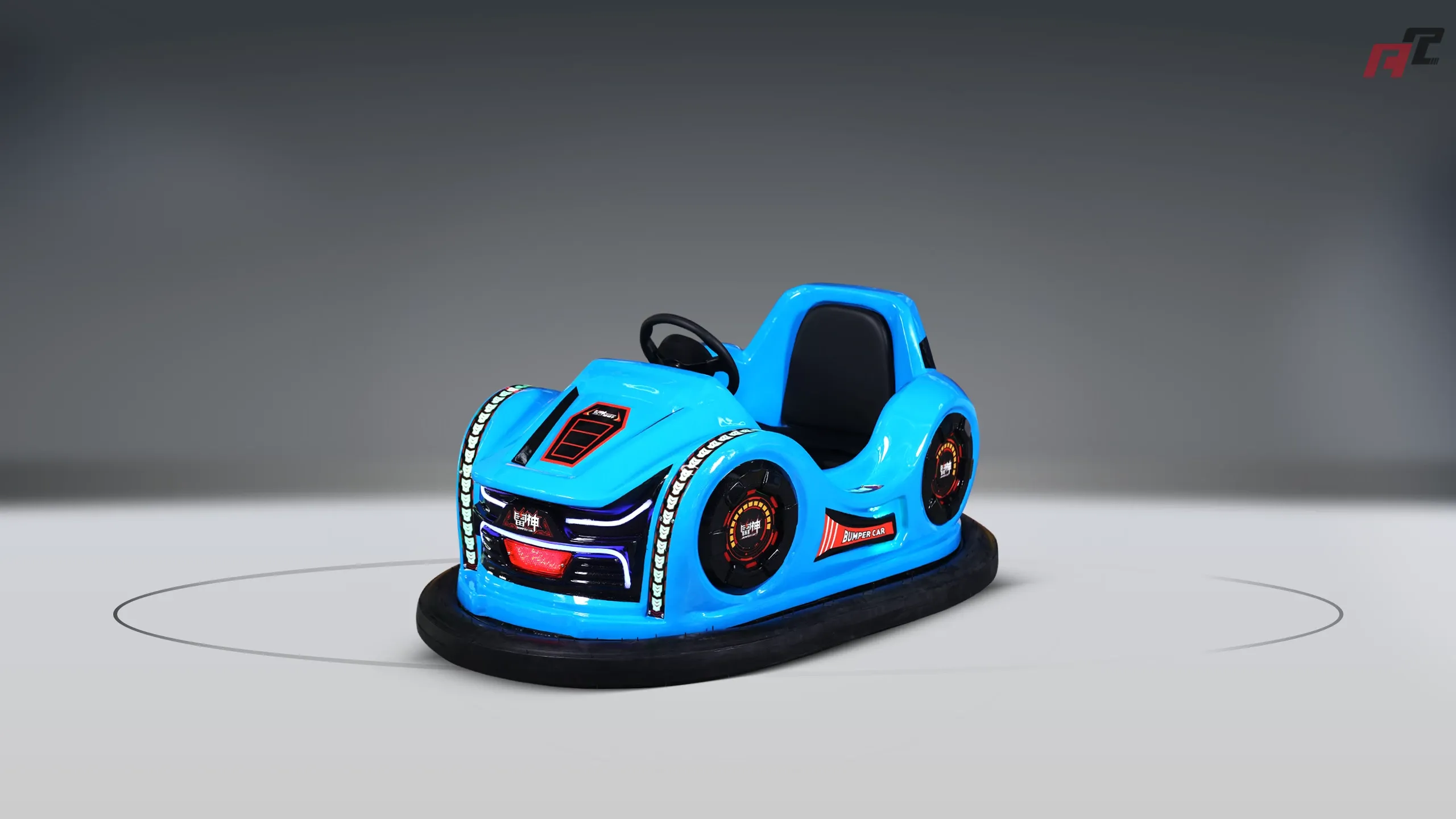
Battery Drift Bumper Car With inflatable tyre
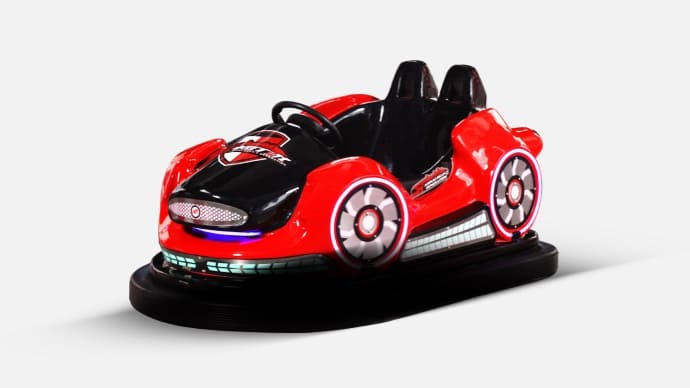
The Battery Drift Bumper Car with Inflatable Tire with 650W steel gear motor, and high quality battery wich can becharged outside the car, the bumper car is ideal for amusement parks, family entertainment centers, build quality for safe, long-lasting fun.
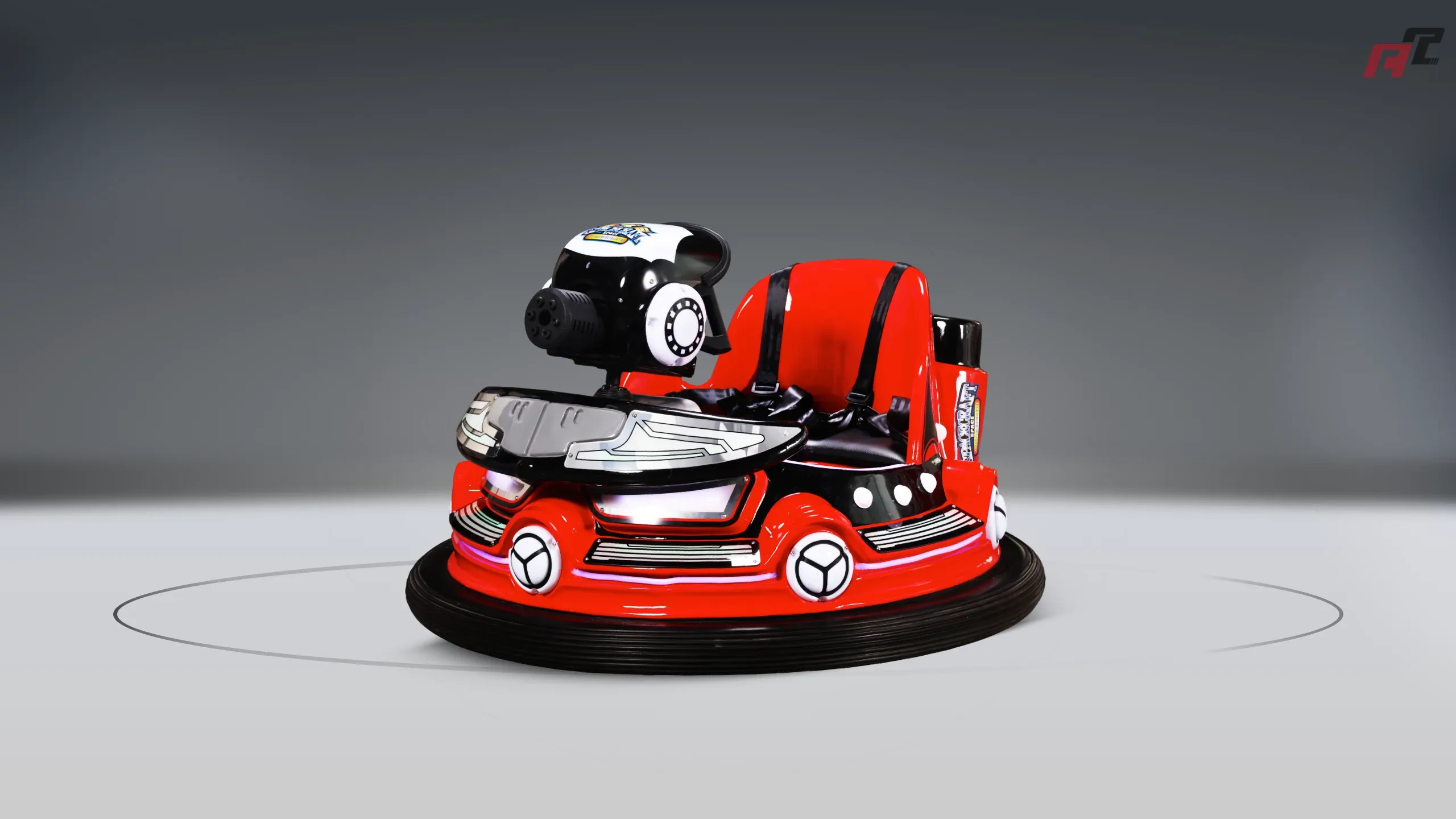
Spaceship Laser Battle Bumper Car
Discover the future of fun with the ANCHI Spaceship Laser Battle Bumper Car! Designed for thrill-seekers, this kids bumper car offers an exhilarating laser battle experience. Parents and children alike will enjoy hours of safe, exciting play. Ideal for parties or everyday fun, it combines durability with innovative technology.


