








Electric Bumper Car Business Cost & ROI: The Complete Financial Guide
A comprehensive financial guide detailing the startup costs, operational expenses, and ROI timeline for launching a profitable commercial bumper car business in 2026.
If you are evaluating the lucrative world of family entertainment, understanding the exact bumper car business cost is your most critical first step. In 2026, the indoor amusement sector is experiencing explosive growth, transitioning from simple arcades to immersive, high-tech experiential venues. However, launching a successful arena requires more than just purchasing vehicles; it demands a strict analysis of capital expenditures (CAPEX), ongoing operational costs (OPEX), and realistic ROI timelines. This comprehensive guide breaks down the financial blueprint of starting and scaling a highly profitable commercial bumper car business.
How Much Does a Bumper Car Business Cost to Start?
Starting a commercial bumper car business typically costs between $20,000 and $150,000+, depending on the scale, arena size, and equipment type. This initial bumper car business cost covers vehicle purchases, specialized flooring, safety barriers, control systems, licensing, and initial liability insurance.
To understand where this capital goes, operators must break down the different tiers of entry:
- Entry-Level (Portable & Pop-Up): Portable battery-operated and inflatable setups sit at the lower end of the spectrum. These offer an affordable, flexible entry point ideal for mall kiosks, seasonal fairs, or pop-up events.
- Premium (Permanent Arenas): High-end electric floor grid systems and complete, custom venue designs require much larger upfront investments. However, they yield significantly higher long-term durability and rider capacity.
- Core Infrastructure: Beyond the cars themselves, your budget must account for specialized arena flooring, robust safety barriers, advanced control systems, municipal licensing, and initial liability insurance premiums.
Key Takeaways: The Financial Outlook for Bumper Car Venues
The financial outlook for bumper car venues relies on balancing initial capital expenditures against ongoing operational costs. While battery-powered units offer a lower bumper car arena setup cost, electric grid systems boast easier daily operation and higher long-term durability.
Before diving into the granular numbers, keep these macro-level financial principles in mind:
- Infrastructure Dominates: Equipment is only part of the equation; arena construction, conductive flooring, and safety compliance make up a significant portion of your initial CAPEX.
- Power System Trade-Offs: Battery-powered cars have lower setup costs but higher battery replacement frequency. Conversely, grid systems cost more upfront but eliminate charging downtime.
- Manufacturer Impact: Selecting the right manufacturing partner significantly alters the ROI timeline by reducing long-term repair and maintenance (OPEX) costs.
- Modern Demographics: Trending models in 2026, such as drift bumper cars and laser battle systems, command higher ticket prices and faster breakeven points than traditional kiddie rides.
Capital Expenditure (CAPEX): Initial Equipment and Venue Costs
Capital expenditure for a bumper car venue encompasses the upfront investments required before opening your doors. This includes fleet acquisition, the high cost of conductive arena flooring, customized safety perimeters, immersive lighting, sound systems, and international shipping fees.
The global family entertainment center market is expanding rapidly, with projections indicating it will reach $1.52 billion by 2035, according to a recent market analysis by Business Research Insights. To capture a share of this market, your initial investment must be strategically allocated across several core categories:
- Fleet Acquisition: Analyzing the unit cost is step one. Inflatable models are highly affordable, traditional electric grid cars represent the mid-tier, and adult drift bumper cars sit at the premium end.
- Arena Flooring & Infrastructure: For electric systems, the installation of conductive flooring, specialized electrical grids, and customized safety perimeters is mandatory and capital-intensive.
- Lighting and Sound Systems: Modern consumers expect an experience. Essential investments in club-level lighting and immersive sound systems create a repeatable, highly shareable customer experience.
- Logistics & Assembly: Budgeting for global freight logistics, import taxes, and professional on-site assembly fees is crucial to avoid sudden budget overruns.
Operating Expenditure (OPEX): The Hidden Ongoing Expenses
Operating expenditure represents the hidden ongoing expenses of running your venue, consisting of high liability insurance premiums, daily energy consumption, labor wages, and routine safety maintenance. Properly managing these costs directly impacts your overall indoor amusement park profitability.
Once the doors open, your focus must shift to controlling daily and monthly cash outflows:
- Insurance Premiums: Navigating high liability coverage costs for amusement park rides requires strict risk mitigation tactics and a flawless safety record.
- Energy Consumption: Calculating the daily electricity costs is vital, whether you are running high-voltage charging stations overnight or powering a continuous floor grid during operating hours.
- Labor and Staffing: You must account for the wages of trained ride operators, cashiers, customer service representatives, and certified safety inspectors.
- Routine Maintenance and Certification: Budgeting for compliance checks, motor repairs, and cosmetic upkeep is non-negotiable. Adhering to standards like ASTM F2291-25c, which establishes the standard practice for the design and modification of amusement rides, ensures your venue remains legally compliant and minimizes severe liability risks.
ROI and Profitability: When Will You Break Even?
A bumper car business typically reaches its breakeven point within 12 to 24 months, driven by consistent revenue generation models and high daily capacity. Maximizing your commercial bumper car ROI requires strategic per-ride pricing and lucrative upselling opportunities.
To accurately forecast your profitability, you must analyze your revenue streams against your chosen technology.
Power System Financial Comparison
| Feature | Battery-Powered Bumper Cars | Electric Floor Grid Bumper Cars |
|---|---|---|
| Initial Setup Cost | Low to Medium ($20k - $50k) | High ($70k - $150k+) |
| Portability | High (Ideal for pop-ups/malls) | Low (Permanent indoor installations) |
| Maintenance Focus | Battery powered bumper car maintenance | Floor grid cleaning and electrical checks |
| Uptime / Operation | Requires scheduled charging downtime | Continuous operation for maximum throughput |
| ROI Timeline | Faster initial breakeven | Longer breakeven, higher long-term ceiling |
- Revenue Generation Models: Implementing smart pricing strategies per ride (e.g., $5-$10 per 5-minute session) while factoring in daily capacity limits dictates your baseline income.
- Seasonal Trends vs. Indoor Consistency: Forecasting cash flow differences is essential. Outdoor carnivals peak in summer, whereas indoor mall arenas offer consistent, weather-proof revenue year-round.
- Upselling Opportunities: Boosting profit margins is best achieved through branded merchandise, arcade combo tickets, food and beverage sales, and premium VIP private party bookings.
Maximizing ROI with ANCHI Amusement Venue Solutions

Partnering with an experienced manufacturer like Guangzhou Anchi Amusement Equipment Co., Ltd. maximizes your profitability by drastically reducing your total cost of ownership. We provide robust equipment and comprehensive venue design services to ensure maximum operational flow.
At ANCHI Amusement, we do more than just manufacture rides; we build complete entertainment ecosystems. As one of the leading manufacturers of amusement equipment in China, we leverage over 5,000 square meters of production space and a dedicated team of 30+ highly skilled technicians.
- Unmatched Durability: Whether you need traditional electric go-karts, inflatable bumper cars, or electric off-road buggies, our strict quality control ensures low-maintenance operation.
- Comprehensive Venue Design: Beyond equipment, ANCHI offers complete venue design solutions—from conceptualization to execution. We help you create a venue that is highly optimized for flow, safety, and maximum profitability under your own brand. If you need dedicated assistance, you can reach out directly to our team at sandy@anchiyoule.com.
- Advanced Product Lines: Investing in ANCHI's cutting-edge product line, including laser battle bumper cars and drift bumper cars, differentiates your brand from local competitors and easily justifies premium ticket pricing.
Navigating 2026 Industry Trends to Future-Proof Your Business
Navigating 2026 industry trends requires upgrading to interactive laser battle systems, high-speed drift dynamics, and smart IoT charging to capture modern demographics. These innovations increase ticket value while eco-friendly materials help lower your daily utility bills.
The amusement landscape is evolving rapidly. To stay ahead of the curve, operators must embrace technological advancements:
- Interactive Gaming Integration: Modern consumers want gamification. Laser battle bumper cars turn a simple collision ride into a competitive, highly replayable live-action game.
- Drift Dynamics: Upgrading from standard kiddie cars to advanced drift bumper cars is the fastest way to capture the lucrative teen and adult demographic.
- Smart Charging and Fleet Management: Leveraging IoT sensors allows operators to monitor battery health in real-time, preventing unexpected downtime and extending battery lifespans.
- Safety Through Innovation: Advanced tech maintains the industry's stellar safety record while boosting thrills. According to the International Association of Amusement Parks and Attractions (IAAPA), the chance of being seriously injured on a fixed-site ride at a U.S. amusement park is incredibly low—just 1 in 15.5 million rides taken.
Expert Tips: Common Financial Mistakes to Avoid
Avoiding common financial mistakes involves accurately calculating international shipping duties, optimizing venue flow for higher throughput, and purchasing verified units. Sourcing reliable electric bumper cars for sale wholesale prevents costly motor burnouts and unexpected revenue loss.
Even with a solid business plan, new operators frequently fall into preventable financial traps:
- Underestimating Shipping Costs: Always account for CIF (Cost, Insurance, and Freight) and local import duties when sourcing equipment internationally. The sticker price is never the final landed cost.
- Skipping Proper Venue Flow: Poorly designed waiting areas and bottlenecks limit your hourly throughput. Professional venue design is essential to process more riders per hour safely.
- Buying Solely on Price: Cheap, unverified units from unknown suppliers often suffer from premature motor burnouts, leading to massive downtime, negative reviews, and lost weekend revenue.
- Ignoring Local Ordinances: Delaying the acquisition of municipal amusement permits and safety inspections can push back your grand opening, draining your working capital before you even sell a single ticket.
Conclusion
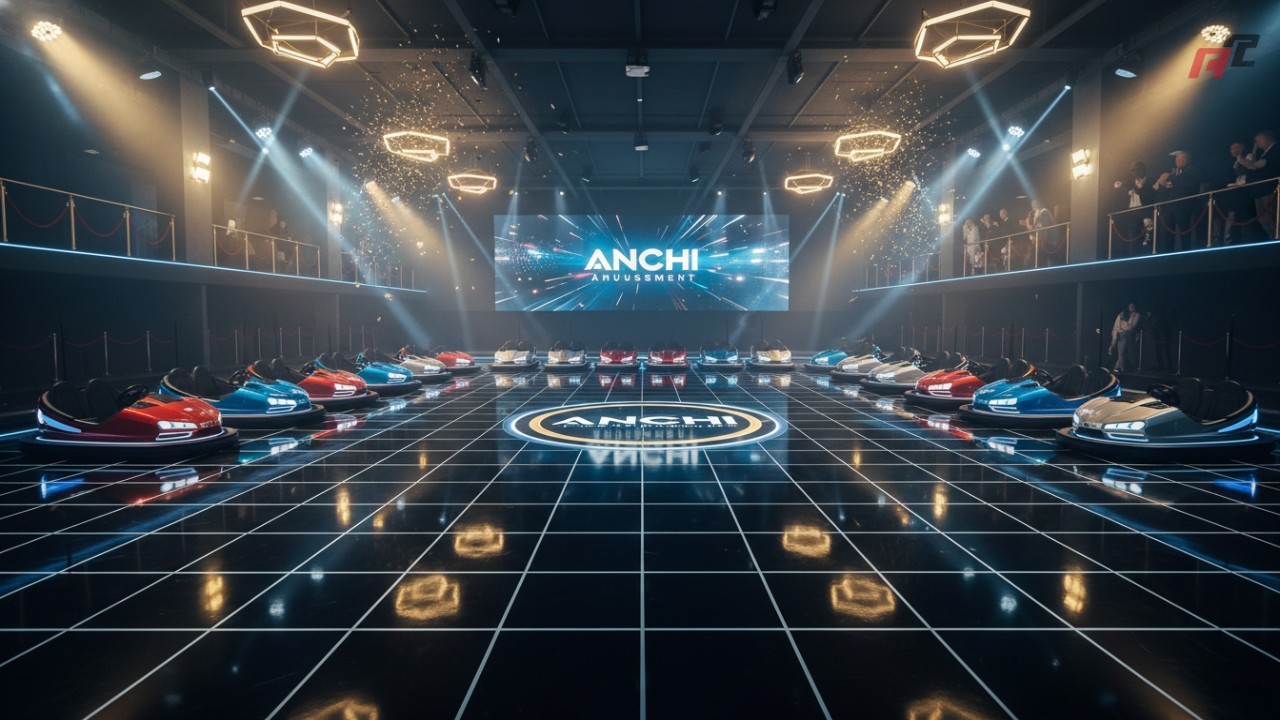
Concluding your financial research is the final step before launching your venue. Launching a profitable bumper car business requires a clear understanding of both upfront infrastructure investments and ongoing operational expenses, ensuring your long-term success in the family entertainment industry.
By carefully selecting your power system, prioritizing equipment durability, and mapping out a realistic ROI timeline, you can build a highly lucrative attraction. Whether you are planning a small mall kiosk with inflatable units or a massive indoor electric arena, partnering with a reliable manufacturer like ANCHI Amusement is your biggest strategic advantage.
Contact us today to optimize your bumper car business cost strategy.
FAQs About Bumper car business cost
Understanding the most common questions about this industry is crucial for new operators. The following frequently asked questions provide clear, concise answers regarding profitability, equipment lifespan, insurance requirements, and space planning to help you finalize your financial strategy.
Are bumper car businesses profitable?
Yes, they can be highly profitable. Bumper cars typically have low variable costs per ride. Once the initial equipment and arena are paid off, the profit margins are substantial. Success relies heavily on location, foot traffic, and maintaining high ride uptime.
How much does a single commercial bumper car cost?
Prices range widely based on type, technology, and manufacturer quality. Inflatable or basic battery-powered cars can cost between $500 and $1,500 each. High-end electric floor grid cars or advanced drift bumper cars generally range from $1,500 to $3,500+ per unit.
Which is better: electric grid or battery-powered bumper cars?
Electric grid systems allow for continuous operation without charging breaks but have high installation costs. Battery-powered cars are cheaper to install and portable but require charging downtime and routine battery replacements. The best choice depends on your venue type (permanent indoor vs. portable events).
What kind of insurance is required for a bumper car venue?
You must carry robust General Liability Insurance specifically tailored for amusement rides. Property insurance for your equipment and Workers' Compensation for your staff are also necessary. Premiums vary by state and safety record.
How long do commercial bumper cars last?
With proper maintenance, a high-quality fiberglass bumper car body can last 10 to 15 years. Motors and electrical components typically require servicing or replacement every 3 to 5 years. Batteries in portable units usually need replacing every 12 to 18 months, depending on usage.
Can I open a bumper car business in a shopping mall?
Absolutely. Malls are excellent locations due to high natural foot traffic and climate control. For mall setups, battery-operated and inflatable bumper cars are ideal as they don't require permanent floor grid construction. You will need to negotiate lease terms and ensure mall safety compliance.
How much space is needed for a bumper car arena?
A typical commercial indoor arena requires at least 1,000 to 2,000 square feet. You generally need about 100 to 150 square feet of driving space per car to ensure safe and fun operation. Additional space must be allocated for queueing, ticketing, and maintenance.
What are the best bumper cars to attract adult customers?
Standard kiddie bumper cars rarely appeal to adults or teenagers. Drift bumper cars and laser battle bumper cars are highly popular with older demographics. These models offer higher speeds, advanced maneuverability, and gamified elements that justify higher ticket prices.
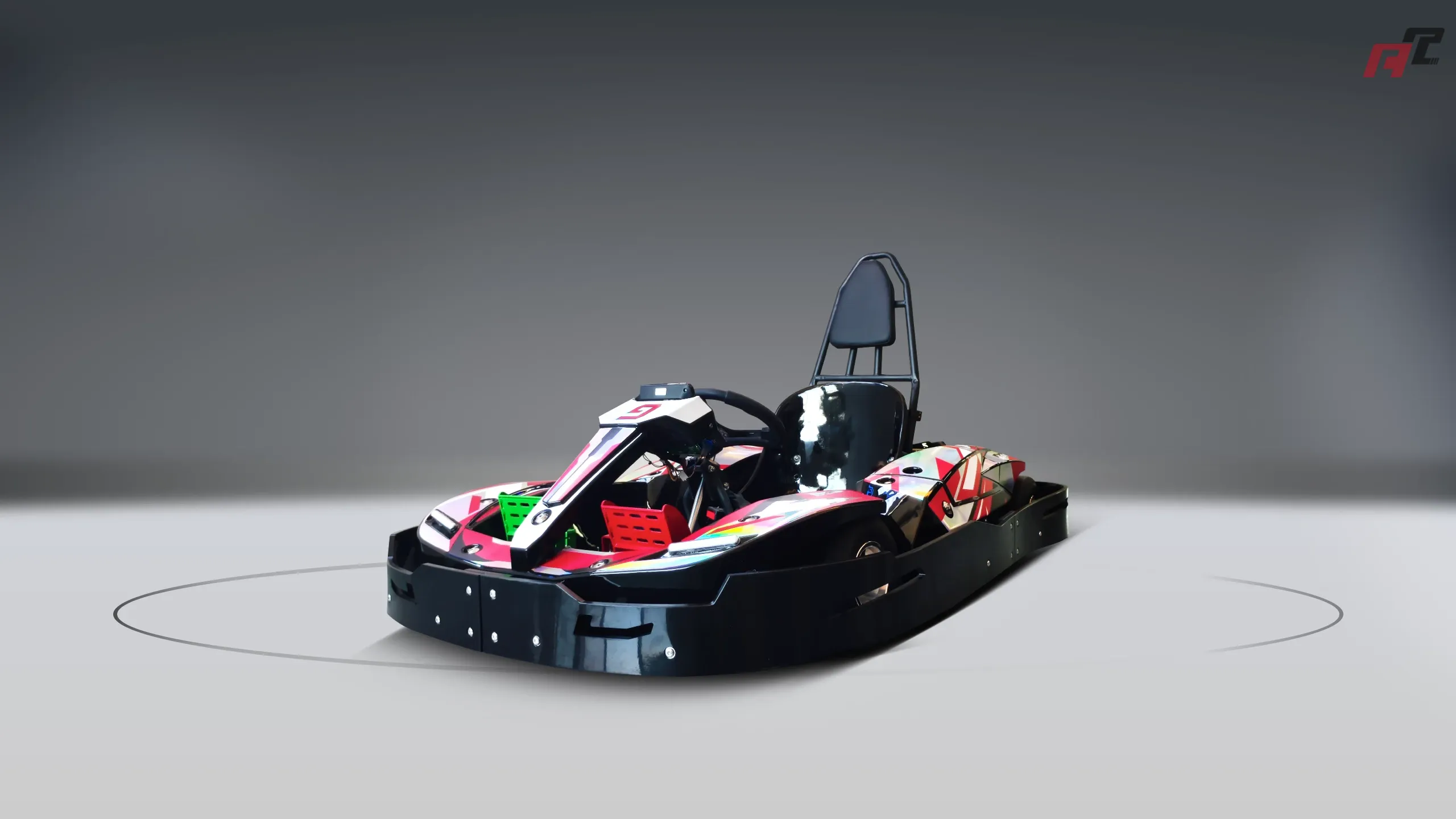
Cyclone RS 2025 1200W Electric Go-kart for Home Entertainment Centers
The Cyclone RS 2025 is a high-performance electric ride-on car designed for thrill-seekers, entertainment centers, and commercial amusement businesses. Built with a durable ABS body and reinforced metal chassis, it combines strength, safety, and speed for a superior driving experience. With a 1200W mid-mounted motor (peaking at 3600W), advanced control system, and long-lasting 72V20AH LiFePO₄ battery, this ride ensures both powerful performance and reliability.
Whether for amusement parks, game zones, rental businesses, or personal recreational use, the Cyclone RS 2025 delivers unmatched excitement and durability.
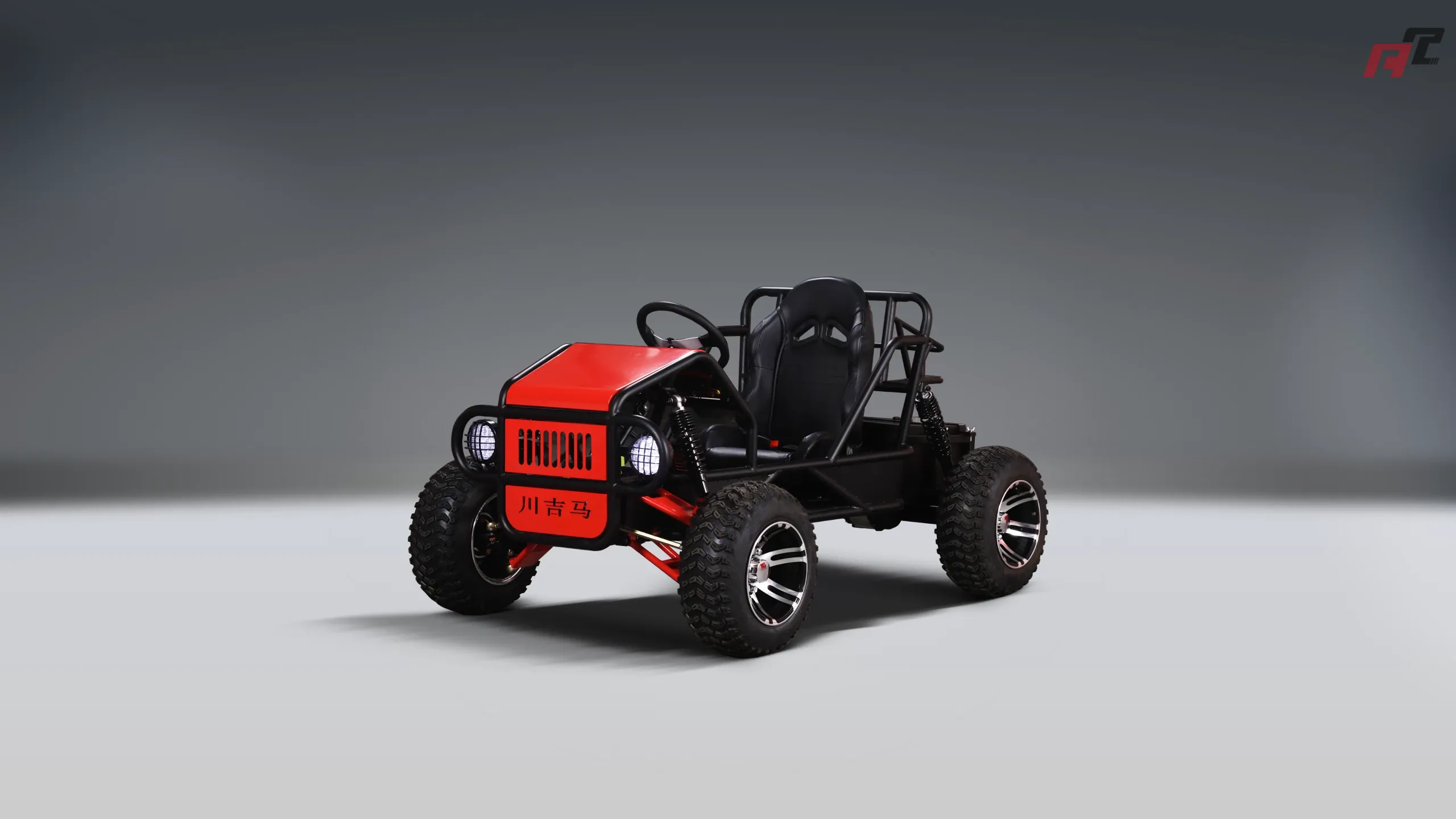
Kids Electric Off Roads One-seater ATV
Discover adventure with the ANCHI Kids Electric One-seater ATV, the perfect electric off-road experience for young explorers. Designed for safety and performance, this electric off-road go kart for kids offers unmatched thrills on any terrain. Its durable build and easy-to-use controls ensure a fun and safe ride. Ideal for budding adventurers, this ATV promises endless excitement. Explore the world with confidence with ANCHI’s innovative electric off-road solutions for kids.
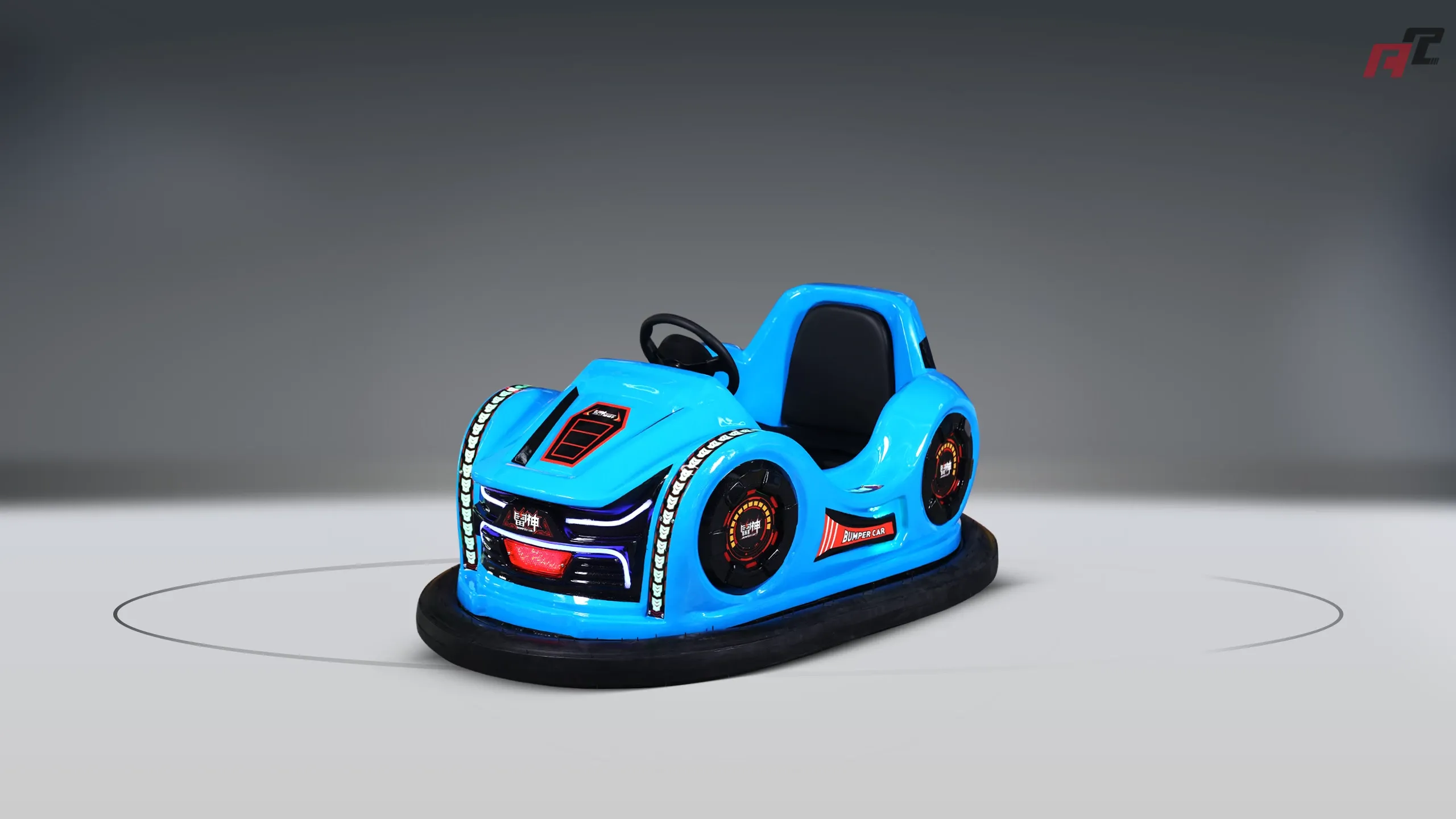
Battery Drift Bumper Car With inflatable tyre
The Battery Drift Bumper Car with Inflatable Tire with 650W steel gear motor, and high quality battery wich can becharged outside the car, the bumper car is ideal for amusement parks, family entertainment centers, build quality for safe, long-lasting fun.
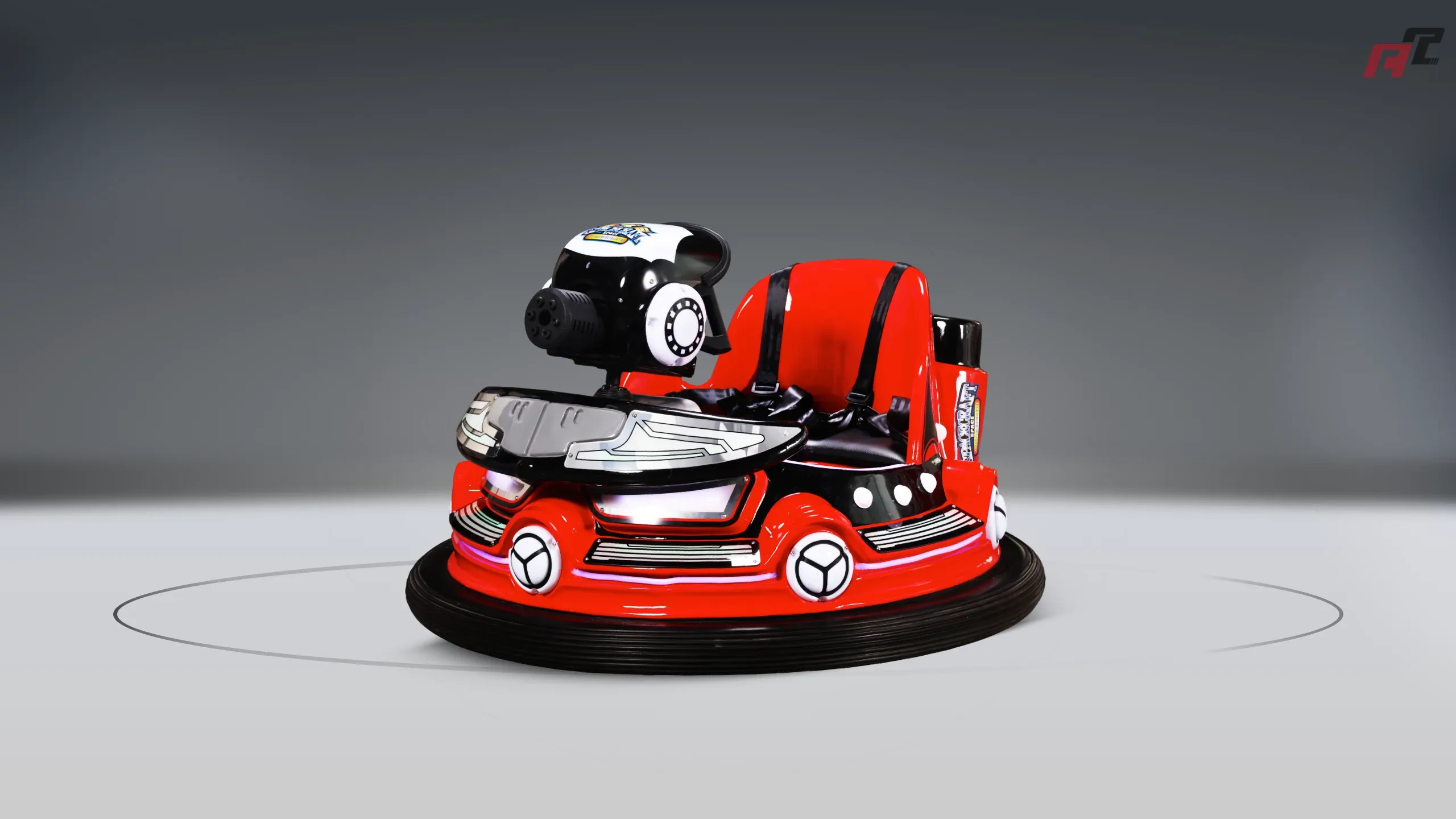
Spaceship Laser Battle Bumper Car
Discover the future of fun with the ANCHI Spaceship Laser Battle Bumper Car! Designed for thrill-seekers, this kids bumper car offers an exhilarating laser battle experience. Parents and children alike will enjoy hours of safe, exciting play. Ideal for parties or everyday fun, it combines durability with innovative technology.


