








The Essential Maintenance Checklist for Electric Bumper Car Batteries in 2026
A comprehensive 2026 guide to maintaining commercial electric bumper car batteries, featuring daily checklists, expert tips, and a lithium vs. lead-acid comparison to help FEC operators maximize ROI.
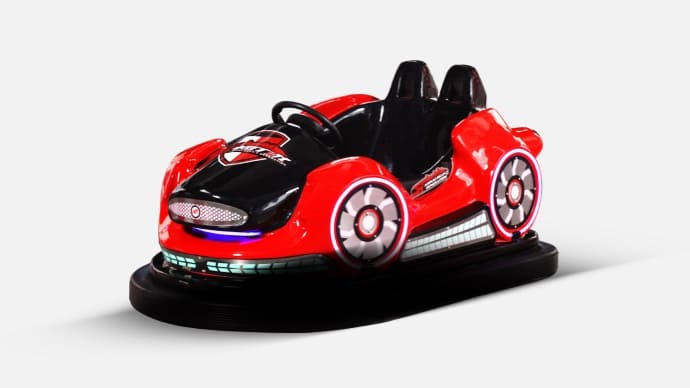
Operating a successful Family Entertainment Center (FEC) requires reliable attractions, and the Commercial Electric Bumper Car remains a top revenue generator for indoor and outdoor parks alike. However, the secret to keeping these rides profitable isn't just about flashy lights or upbeat music—it is fundamentally about how well you manage your power systems. In 2026, battery technology has evolved, but the need for rigorous, daily upkeep remains the same.
Why Does Commercial Electric Bumper Car Battery Maintenance Matter?
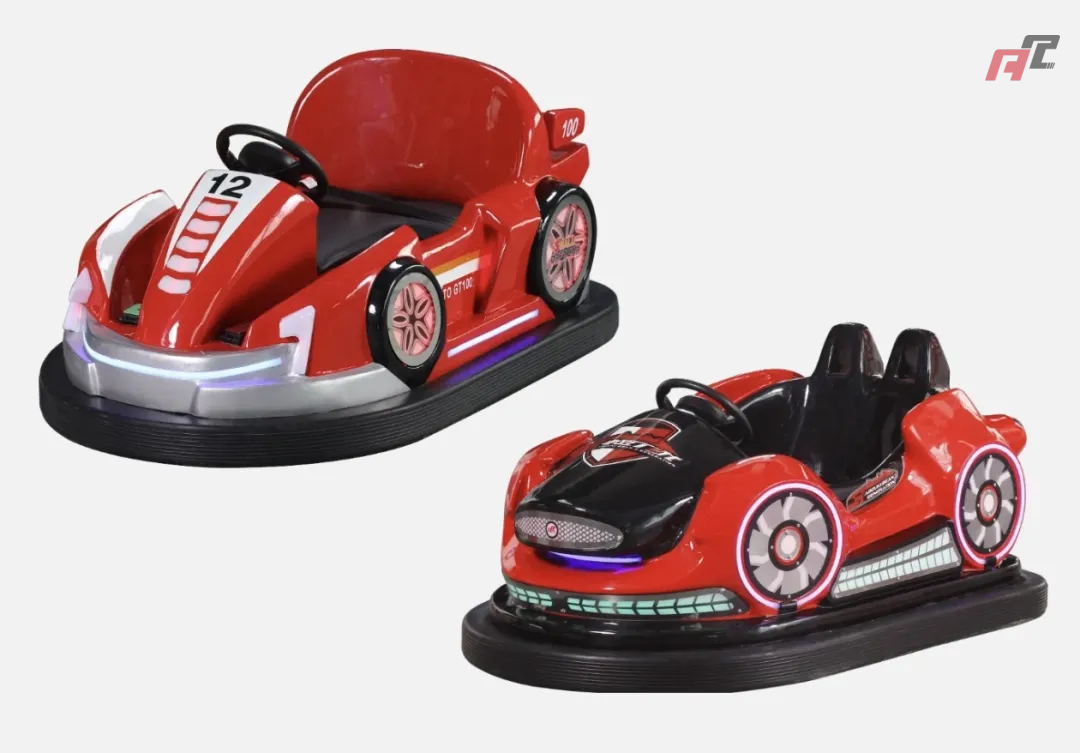
Maintaining commercial electric bumper car batteries ensures peak vehicle performance, prevents unexpected downtime during high-traffic hours, and significantly extends the lifespan of the ride. Proper care directly boosts your Family Entertainment Center's (FEC) profitability by reducing replacement costs and maximizing rider throughput.
When you ignore battery health, FEC ride operational costs skyrocket due to premature battery failures, emergency maintenance calls, and issuing refunds to disappointed guests. According to the International Association of Amusement Parks and Attractions (IAAPA), routine inspection and maintenance activities by trained personnel are critical for ride safety and regulatory compliance. By proactively managing your power systems, you protect your investment and ensure that every car in your fleet is ready to deliver a thrilling experience from opening to closing time.
Key Takeaways: Quick Summary of Bumper Car Battery Health
The fastest way to ensure optimal bumper car battery health is to establish strict daily charging schedules, regularly inspect terminals for corrosion, operate rides in temperature-controlled environments, and utilize modern smart chargers to prevent overcharging and dangerous thermal runaway scenarios.
To keep your fleet running smoothly, implement these foundational practices:
- Establish a strict daily charging schedule to avoid deep battery discharges that permanently damage cell capacity.
- Regularly inspect battery terminals for acid corrosion and ensure all electrical connections are tightly secured.
- Store and operate your commercial electric bumper cars in temperature-controlled environments to prevent weather-related degradation.
- Upgrade to modern smart chargers equipped with auto-shutoff features to prevent overcharging and thermal runaway.
The Ultimate 2026 Maintenance Checklist for Battery-Operated Bumper Cars
A comprehensive maintenance checklist for battery-operated bumper cars requires structured daily operational voltage checks, weekly physical terminal inspections, monthly deep-dive controller calibrations, and quarterly structural bracket reviews to guarantee consistent safety, maximize operational uptime, and extend the overall ride lifespan.
Keeping your battery-operated amusement rides in top condition requires a systematic approach. Print this checklist and integrate it into your staff's routine:
- Daily Operations:
- Check charge levels on the dashboard before opening the venue.
- Monitor voltage indicators during operation to spot cars that drain unusually fast.
- Ensure all chargers are properly connected and actively charging after closing.
- Weekly Inspections:
- Clean battery casings with a dry cloth to remove dust and debris.
- Check water levels (if your fleet still utilizes traditional lead-acid types).
- Inspect wiring harnesses for fraying, pinching, or loose connections.
- Monthly Deep Dives:
- Perform Voltage Drop Tests to ensure batteries hold power under load.
- Clean terminals with a specialized anti-corrosion spray and wire brush.
- Calibrate speed controllers to ensure optimal, even power draw across the motor.
- Quarterly Reviews:
- Evaluate overall battery load capacities and document degradation.
- Inspect the structural integrity of the battery mounting brackets and straps.
- Review the overall health, wiring, and output of your central charging stations.
Expert Tips: Common Mistakes That Destroy Amusement Ride Batteries
The most common mistakes that destroy amusement ride batteries include short opportunity charging during operational breaks, leaving units plugged into outdated chargers without auto-shutoff, ignoring extreme environmental temperatures, and skipping routine terminal cleaning which drastically increases electrical resistance and drain.
Proper amusement park battery maintenance is often misunderstood by new operators. Avoid these costly pitfalls:
- Opportunity Charging: Plugging cars in for short 10-minute bursts during the day degrades battery capacity over time, especially for older battery chemistries.
- Overcharging: Leaving units plugged into outdated, non-smart chargers leads to overheating, boiling of battery acids, and irreversible cell damage.
- Ignoring Environmental Factors: Storing commercial electric bumper cars in freezing temperatures or excessive heat significantly impacts chemical efficiency and ruins battery life.
- Skipping Terminal Cleaning: Allowing acid or dirt buildup to cause electrical resistance forces the bumper car's motor to work harder, draining power faster and causing premature motor burnout.
Future Trends: Lithium vs Lead-Acid Bumper Cars in 2026
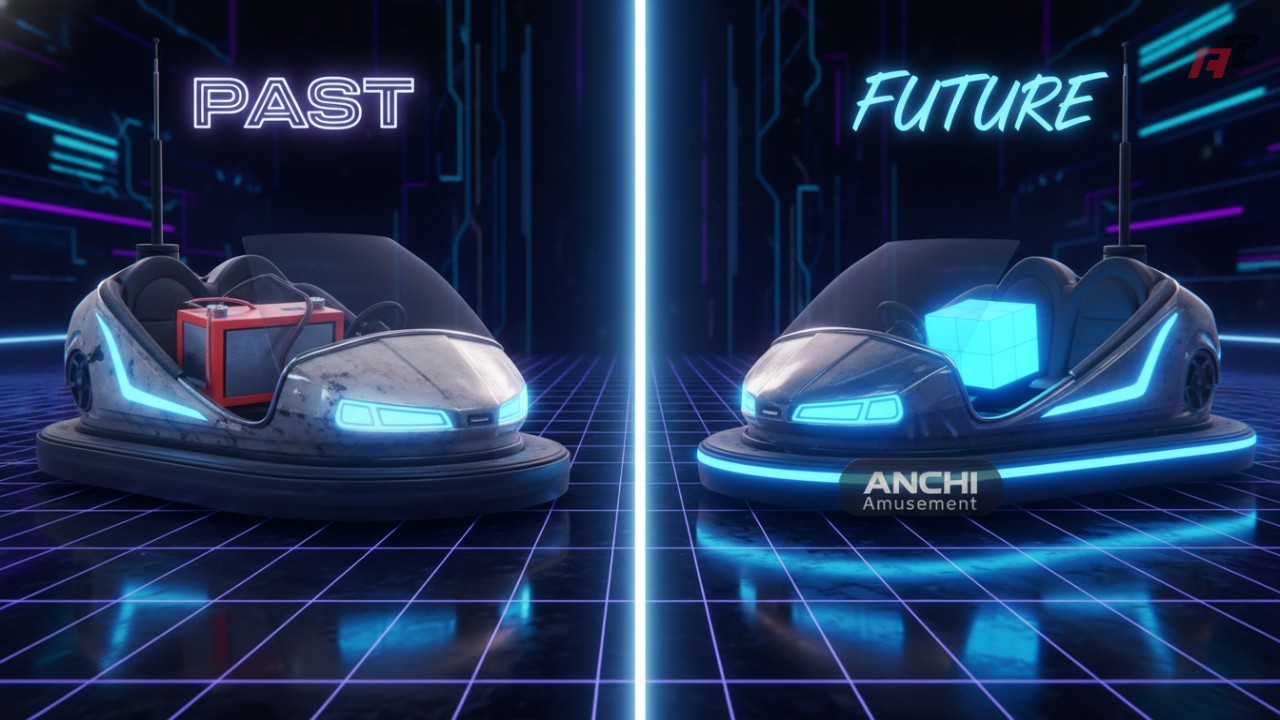
In 2026, the FEC industry is rapidly shifting toward lithium-ion batteries because they offer up to five thousand charge cycles, faster charging times, zero daily maintenance, and significant weight reduction compared to the limited lifespan of traditional lead-acid battery systems.
The debate over Lithium vs lead-acid bumper cars has a clear winner for modern venues. Industry data shows that lithium-ion batteries deliver up to 3,000-5,000 partial cycles, translating to over 10 years of life, compared to just 400 cycles for traditional lead-acid batteries. While traditional lead-acid batteries have a lower upfront cost, a Total Cost of Ownership (TCO) analysis reveals lithium systems yield a vastly higher ROI over a 5-year operational period.
2026 Battery Comparison Data
| Feature | Traditional Lead-Acid Batteries | Modern Lithium-Ion Batteries (2026) |
|---|---|---|
| Average Lifespan | 300 - 500 Charge Cycles | 3,000 - 5,000 Charge Cycles |
| Charging Time | 6 - 8 Hours | 2 - 4 Hours |
| Maintenance Required | High (Watering, Terminal Cleaning) | Zero to Minimal |
| Weight | Heavy (Impacts ride speed) | Lightweight (Improves handling) |
| Upfront Cost | Lower | Higher |
| Long-Term ROI | Low (Frequent replacements) | High (Lower Total Cost of Ownership) |
Furthermore, lithium batteries offer significant weight reduction, leading to faster bumper car speeds, better handling, and longer run times per charge. Understanding these new environmental compliance and safety certifications is vital for upgrading your fleet.
How ANCHI Amusement Engineers Bumper Cars for High ROI and Longevity
Guangzhou Anchi Amusement Equipment Co., Ltd. engineers high-ROI bumper cars by integrating advanced, low-maintenance battery systems and rigorously testing every vehicle for power efficiency, safety, and operational stability across our expansive five-thousand-square-meter manufacturing facility using highly skilled dedicated technicians.
At ANCHI Amusement, we understand that the commercial indoor bumper car lifespan is directly tied to the quality of its internal components. Our system R&D focuses heavily on equipping our fleets with the most efficient power systems available. With a dedicated team of over 30 highly skilled technicians, we ensure that every inflatable, laser battle, and drift bumper car leaving our assembly lines is built to withstand the rigorous demands of daily FEC operations.
Beyond just manufacturing, we provide complete venue design solutions. We ensure your track layout and charging stations are perfectly optimized to handle your battery-operated fleet efficiently. Whether you are currently Sourcing Commercial Electric Bumper Cars: Battery vs. Grid Systems or looking to completely revamp your indoor park, choosing ANCHI Amusement means partnering with an enterprise that prioritizes your venue's uptime and profitability.
Conclusion
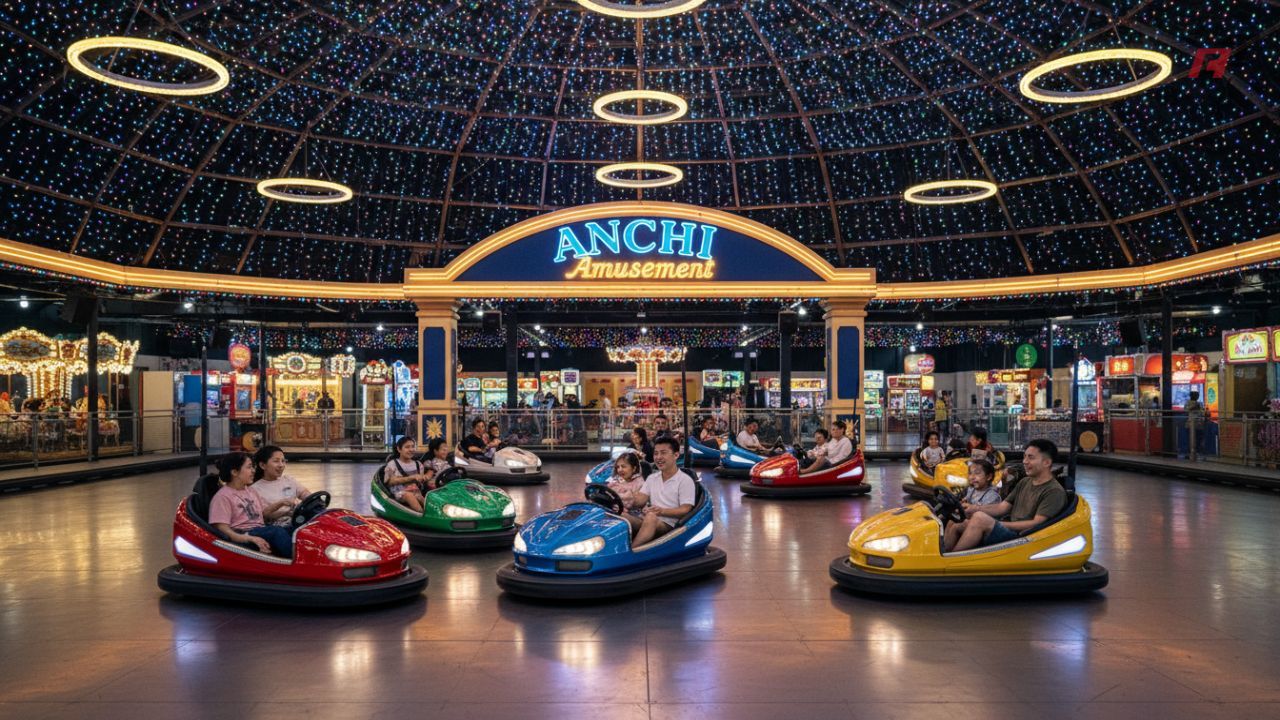
Proper battery maintenance is the cornerstone of a profitable, safe, and exciting bumper car attraction, directly impacting your amusement park's bottom line while ensuring years of reliable service, reduced overhead costs, and consistently happy guests throughout the entire operational season.
By adhering to a structured daily checklist, avoiding common charging pitfalls like opportunity charging, and investing in high-quality, modern vehicles, operators can drastically reduce their operational headaches. The shift towards advanced battery technologies in 2026 makes it easier than ever to maintain a high-performing fleet.
Contact us today at sandy@anchiyoule.com to optimize your commercial electric bumper car strategy and maximize your venue's profitability.
FAQs About Commercial Electric Bumper Car Battery Maintenance
Reviewing frequently asked questions about commercial electric bumper car battery maintenance helps venue operators quickly troubleshoot rapid charge loss, understand replacement timelines, and implement safe terminal cleaning procedures to protect their investment and maintain peak performance for their amusement rides.
How long do commercial electric bumper car batteries last?
With proper daily maintenance, traditional lead-acid batteries last 1 to 2 years, while modern lithium-ion batteries can last 3 to 5 years under standard commercial use.
How long does it take to fully charge a bumper car?
Depending on the battery type and charger efficiency, a full charge typically takes between 6 to 8 hours for lead-acid and 3 to 5 hours for lithium systems.
Can you leave electric bumper cars plugged in overnight?
Yes, provided you are using modern smart chargers that automatically switch to a trickle charge or shut off entirely once the battery reaches 100% capacity.
What is the best battery for a commercial bumper car?
Lithium-ion batteries are currently considered the best option for commercial FECs due to their lightweight design, zero maintenance requirements, and longer operational lifespans.
How often should bumper car batteries be replaced?
Batteries should be replaced when they can no longer hold a charge sufficient for a full day of operation, typically every 18-24 months for standard heavily-used fleets.
Why is my electric bumper car losing charge quickly?
Rapid charge loss can be caused by aging battery cells, corroded terminals, parasitic power draw, or extreme temperature fluctuations in your venue.
Do weather conditions affect bumper car battery life?
Yes, extreme cold slows down the chemical reactions within the battery reducing its capacity, while extreme heat can cause the battery to overwork and degrade prematurely.
How do you clean bumper car battery terminals safely?
Disconnect the battery, use a mixture of baking soda and water to neutralize any acid buildup, scrub with a wire brush, wipe clean, and apply an anti-corrosion spray.
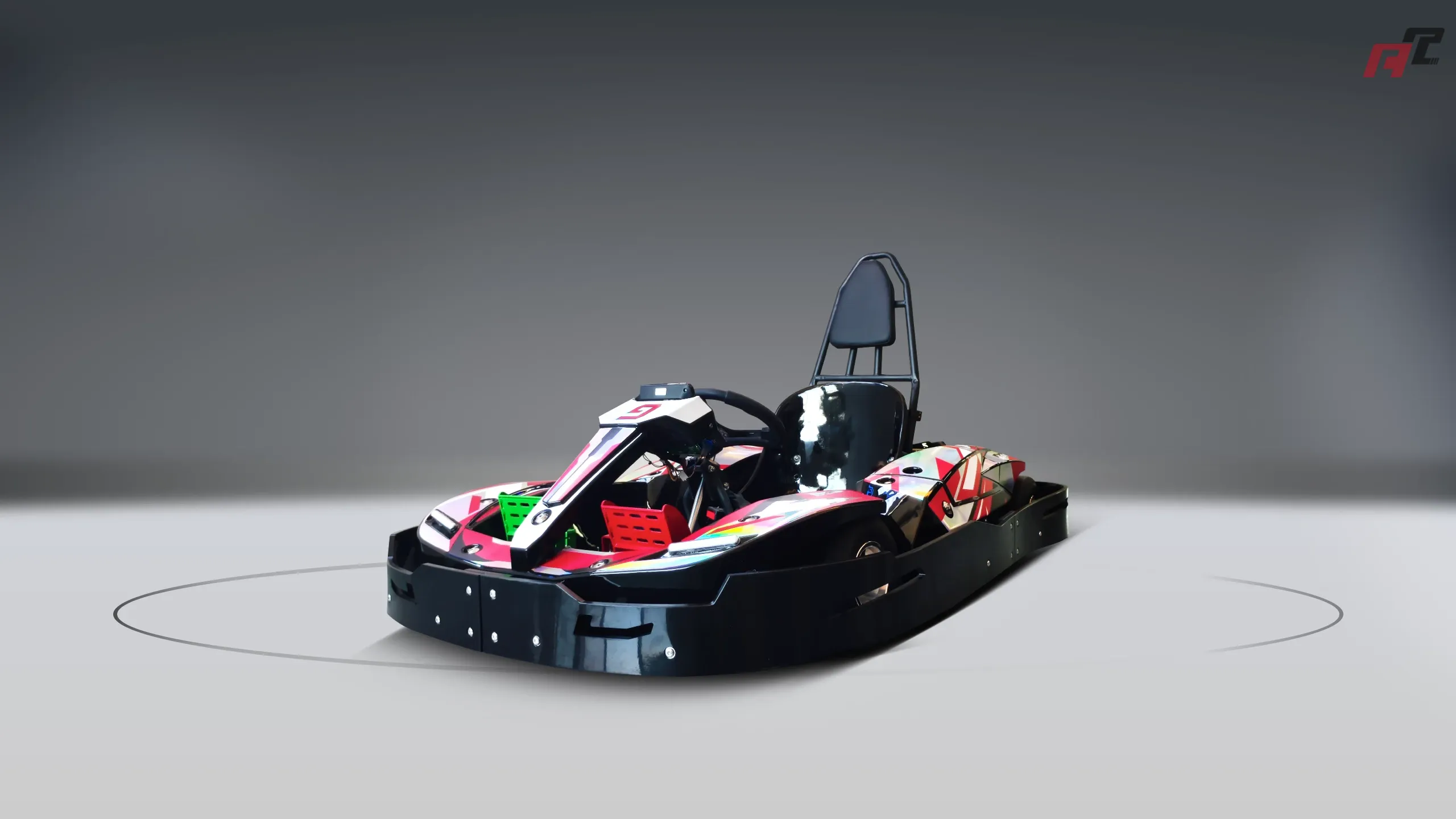
Cyclone RS 2025 1200W Electric Go-kart for Home Entertainment Centers
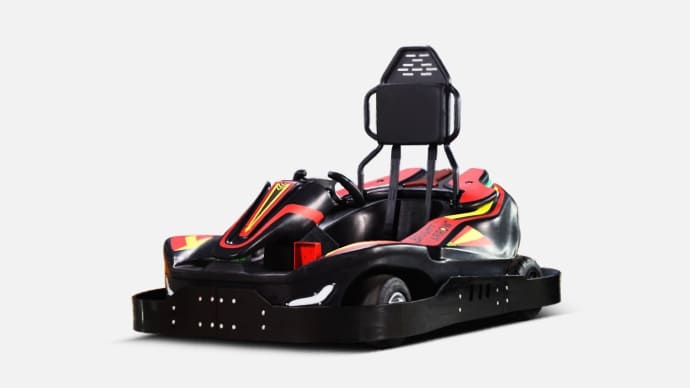
The Cyclone RS 2025 is a high-performance electric ride-on car designed for thrill-seekers, entertainment centers, and commercial amusement businesses. Built with a durable ABS body and reinforced metal chassis, it combines strength, safety, and speed for a superior driving experience. With a 1200W mid-mounted motor (peaking at 3600W), advanced control system, and long-lasting 72V20AH LiFePO₄ battery, this ride ensures both powerful performance and reliability.
Whether for amusement parks, game zones, rental businesses, or personal recreational use, the Cyclone RS 2025 delivers unmatched excitement and durability.
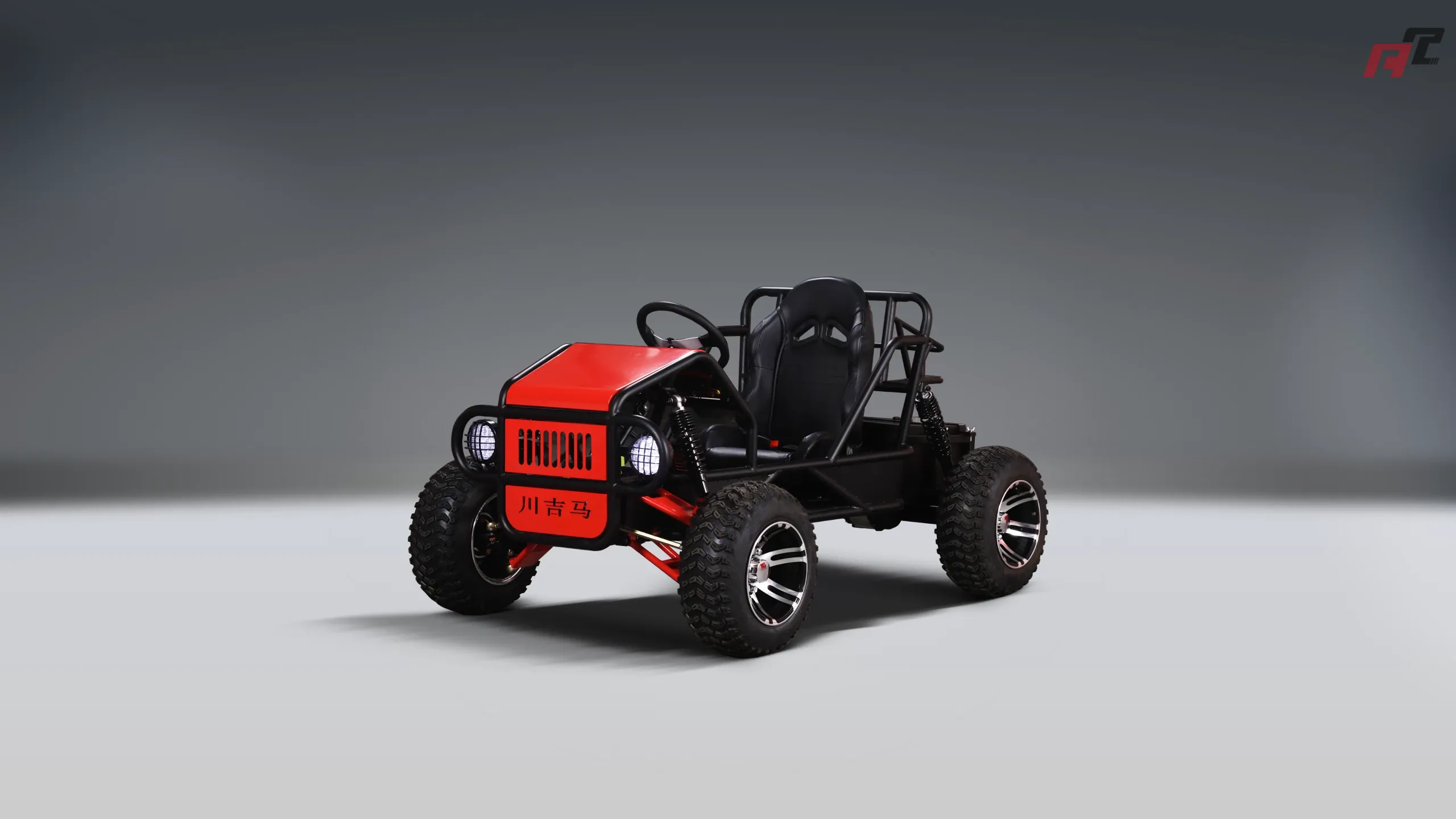
Kids Electric Off Roads One-seater ATV
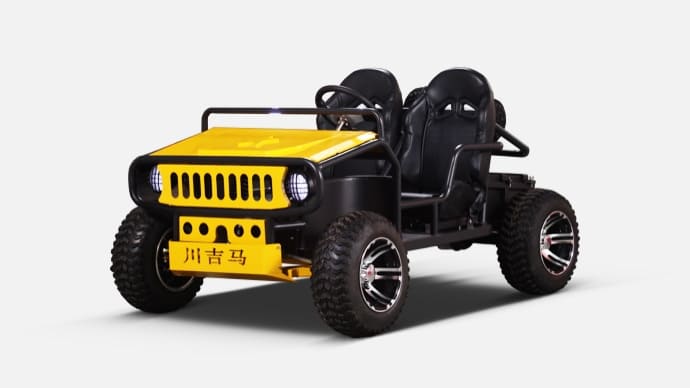
Discover adventure with the ANCHI Kids Electric One-seater ATV, the perfect electric off-road experience for young explorers. Designed for safety and performance, this electric off-road go kart for kids offers unmatched thrills on any terrain. Its durable build and easy-to-use controls ensure a fun and safe ride. Ideal for budding adventurers, this ATV promises endless excitement. Explore the world with confidence with ANCHI’s innovative electric off-road solutions for kids.
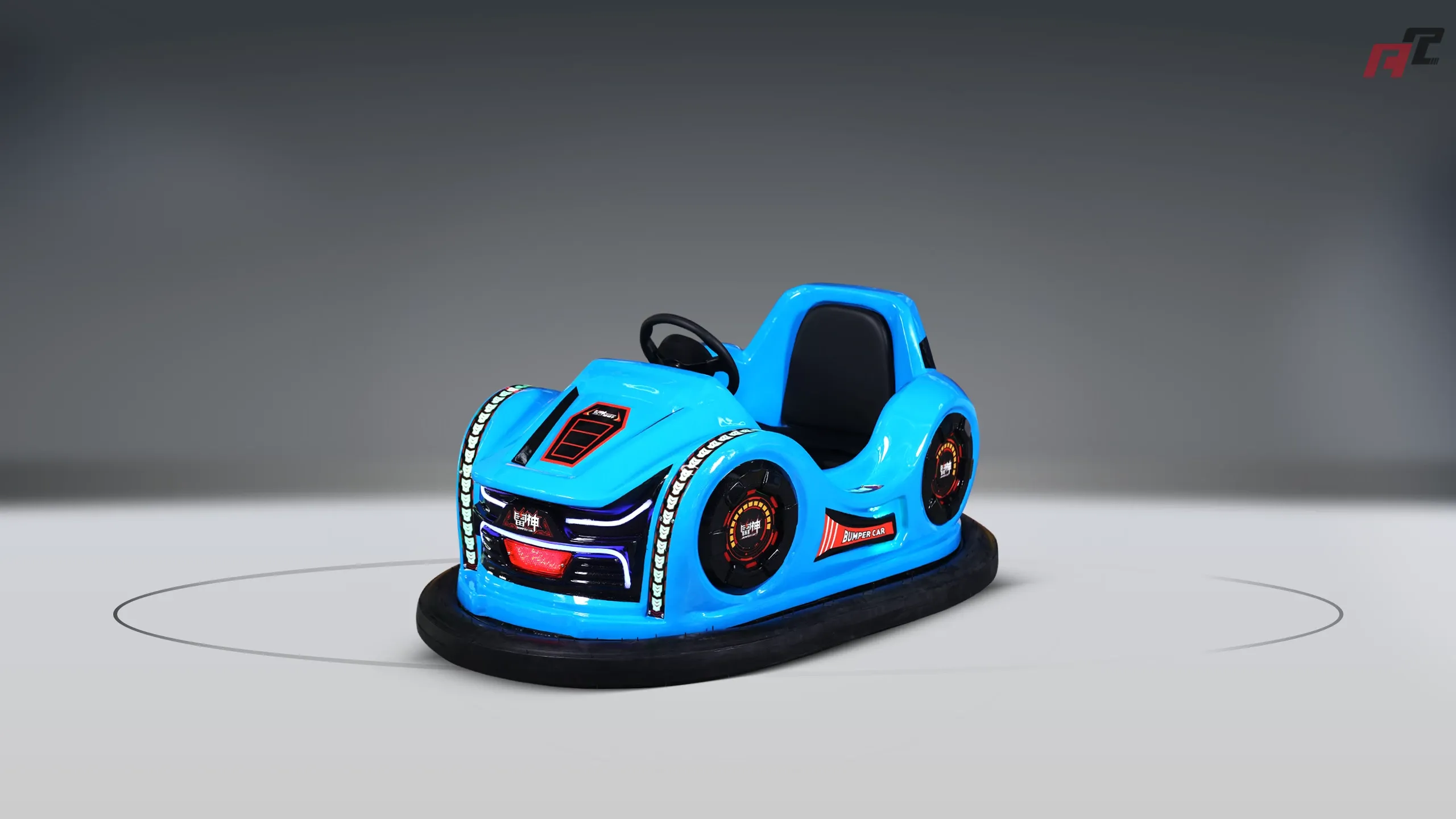
Battery Drift Bumper Car With inflatable tyre
The Battery Drift Bumper Car with Inflatable Tire with 650W steel gear motor, and high quality battery wich can becharged outside the car, the bumper car is ideal for amusement parks, family entertainment centers, build quality for safe, long-lasting fun.
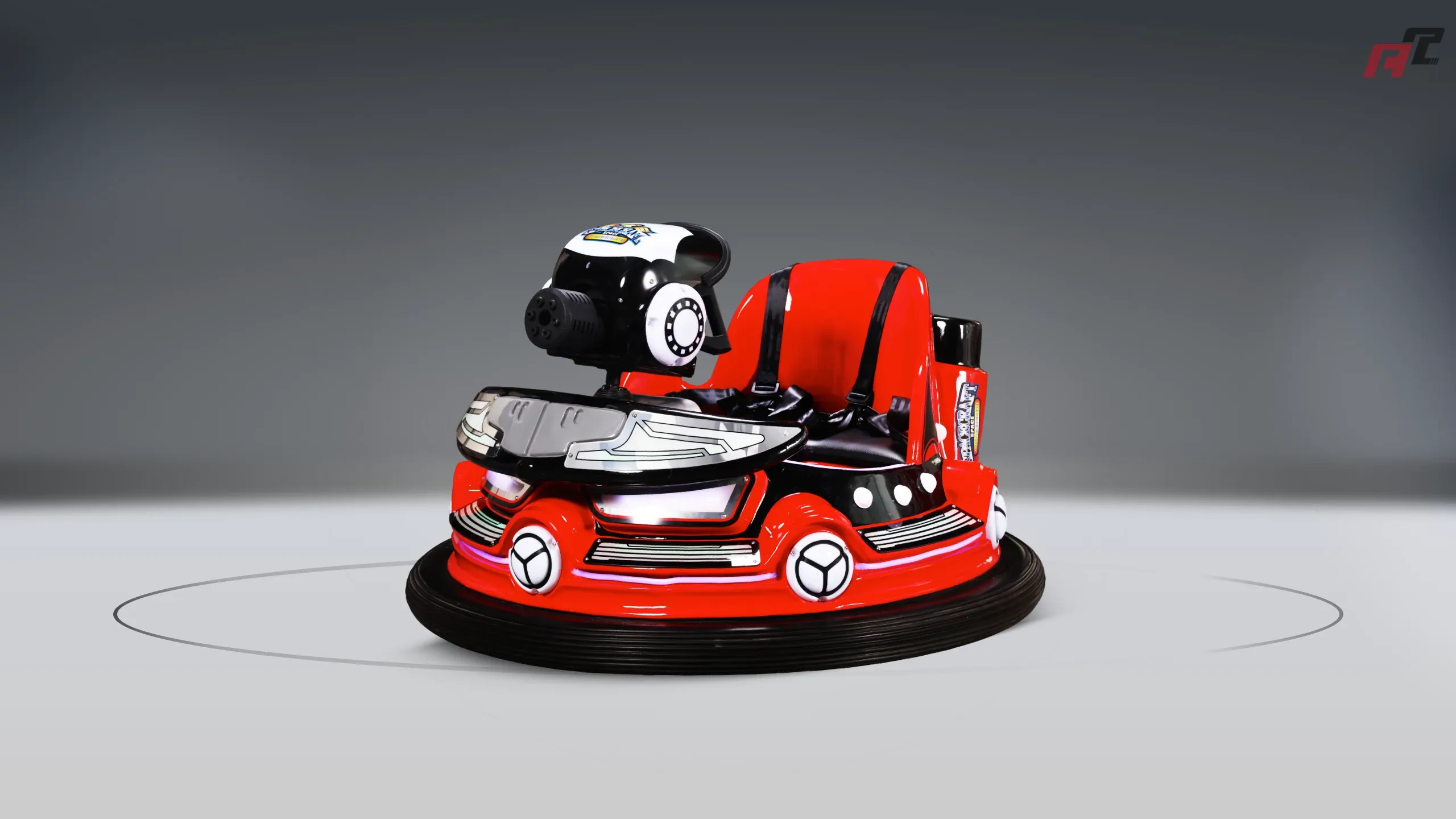
Spaceship Laser Battle Bumper Car
Discover the future of fun with the ANCHI Spaceship Laser Battle Bumper Car! Designed for thrill-seekers, this kids bumper car offers an exhilarating laser battle experience. Parents and children alike will enjoy hours of safe, exciting play. Ideal for parties or everyday fun, it combines durability with innovative technology.


