








Sourcing Commercial Electric Bumper Cars: Battery vs. Grid Systems (2026 Guide)
A comprehensive 2026 guide comparing battery and grid commercial bumper car systems to help amusement operators maximize ROI, understand infrastructure needs, and choose the right ride setup.
When outfitting a new entertainment venue in 2026, choosing the right attraction is critical to your long-term success. Among the most reliable and universally loved investments are bumper cars, a timeless favorite for guests of all ages. However, selecting between Battery vs Grid bumper cars is the most consequential decision an operator will make during the planning phase. This choice dictates your initial capital expenditure, ongoing maintenance routines, and overall venue flexibility.
Whether you are upgrading your FEC amusement rides or launching a brand-new indoor theme park, understanding the intricate nuances of these power systems is essential. In this comprehensive 2026 guide, we explore the technical specifications, safety protocols, and commercial ROI of both battery and grid systems to help you make an informed, highly profitable decision.
What is the Difference Between Battery and Grid Bumper Cars?
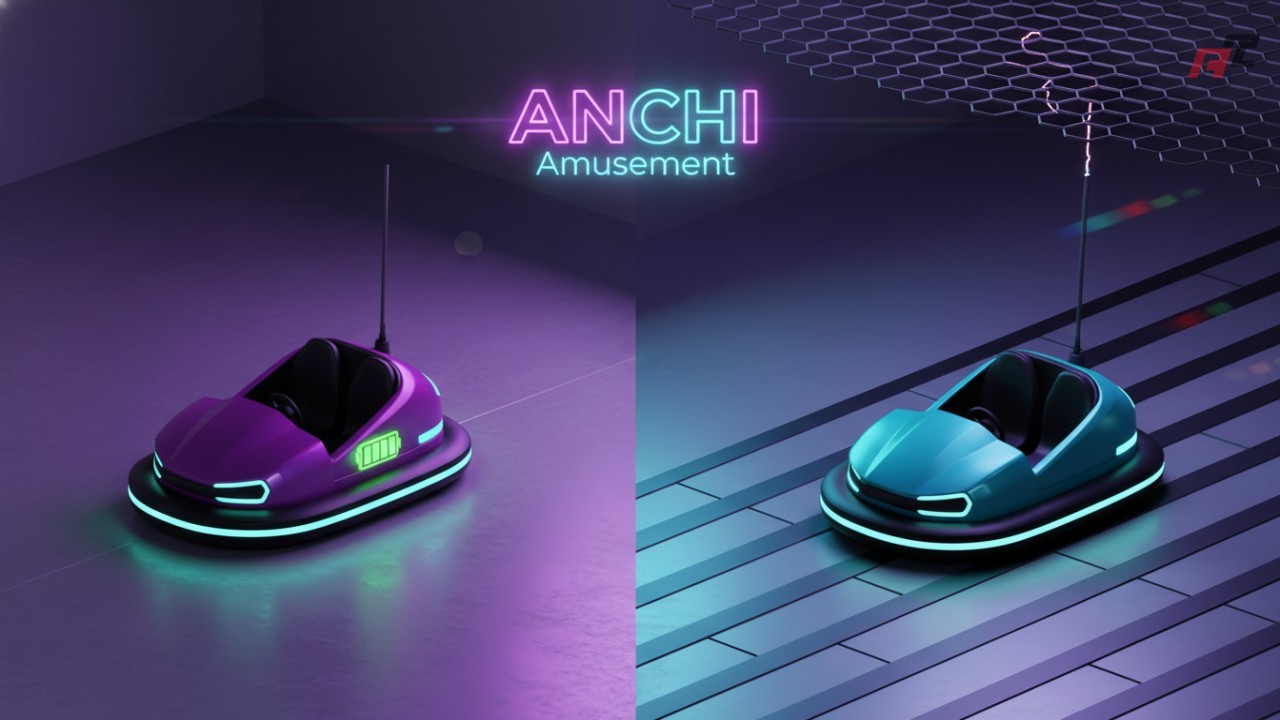
Battery vs Grid bumper cars differ primarily in their power delivery and infrastructure needs. Battery bumper cars operate using onboard rechargeable batteries, providing high mobility without specialized flooring. In contrast, grid bumper cars draw continuous electricity from an electrified floor or ceiling, requiring a permanent, purpose-built conductive arena.
For operators, this fundamental difference shapes the entire business model. Battery systems offer a plug-and-play approach, while grid systems represent a long-term real estate commitment.
Key Takeaways: Quick Summary for Operators
Understanding the core benefits of each system can help streamline your purchasing decision. Here is a quick snapshot for prospective buyers:
- Infrastructure Flexibility: Battery systems drastically reduce upfront infrastructure costs and allow for flexible, multi-use venue spaces. You can run them on standard concrete or wood.
- Operational Capacity: Grid systems provide uninterrupted, high-capacity operation ideal for permanent, high-traffic amusement parks. There is no downtime for charging.
- Financial Return: Your commercial dodgem ROI depends heavily on your venue type, lease duration, and daily expected visitor turnover.
Deep Dive: Ground-Grid and Overhead-Grid Systems
For decades, grid systems have been the gold standard for permanent amusement parks. These setups rely on continuous conductive power transmission to keep vehicles moving without interruption.
- Overhead-Grid (Sky Net): This traditional system uses a ceiling grid and a conductive pole attached to the rear of the car. While nostalgic, it requires high ceilings and can be visually obstructive.
- Ground-Grid (Ground Net): This modern approach uses alternating polarity conductive strips directly on the floor, completely eliminating the need for a ceiling pole. Ground-grid bumper cars are highly popular for their sleek aesthetic, improved rider immersion, and slightly safer operational profile.
While ground-grids offer the distinct advantage of continuous, uninterrupted power, they come with strict and unforgiving installation requirements. Operators must invest heavily in laying an electrified steel pavement, installing robust control cabinets, and ensuring the foundation is perfectly leveled. Even a minor dip in the concrete substrate can cause dead zones where cars lose power. Furthermore, safety design and motor voltage standards for modern grid setups must be strictly adhered to. According to the ASTM F2291 standard practice for amusement ride design, ensuring proper clearance envelopes, containment, and electrical safety control systems is paramount to preventing hazards in permanent installations.
The Rise of Commercial Battery Bumper Cars in 2026
The landscape of battery-powered amusement vehicles has shifted dramatically in 2026. Historically, operators avoided battery cars due to long charging times, heavy Sealed Lead-Acid (SLA) batteries, and the dreaded mid-ride power loss. Today, modern battery technology has completely bridged the operational gap with grid systems.
The transition from traditional SLA to commercial Lithium-ion batteries has been a massive game-changer for the amusement industry. According to a comprehensive guide by Power-Sonic, lithium batteries can endure up to 3,000 charge cycles—roughly ten times the cycle life of traditional SLA batteries—while charging up to four times faster. This technological leap eliminates the need for expensive control cabinets and permanent floor modifications, allowing operators to run cars for 6 to 8 hours on a single charge.
Consequently, there is a surging popularity of battery bumper cars in shopping malls, pop-up carnivals, and mixed-use Family Entertainment Centers (FECs). Operators can now deploy high-performance rides in temporary or leased spaces without sinking capital into immovable infrastructure. If a mall lease expires, the entire attraction can be packed up and moved to a new location in a matter of hours.
ROI and Profitability: Which Power System Wins?
When calculating your commercial dodgem ROI, you must weigh the heavy initial capital investment of a grid arena against the recurring replacement costs of battery systems. Profitability isn't just about ticket sales; it's about managing your overhead.
Here is a breakdown of the financial and operational factors:
| Feature/Metric | Battery Bumper Cars | Grid Bumper Cars (Ground/Overhead) |
|---|---|---|
| Initial Investment | Low ($1,500 - $3,000 per car) | High ($50,000 - $150,000+ for arena) |
| Infrastructure Needed | Standard flat surface (concrete, tile) | Conductive steel floor / Ceiling net |
| Operational Uptime | 6-8 hours per charge (requires charging) | Continuous (no charging downtime) |
| Maintenance Focus | Battery health, charging protocols | Floor polishing, contact brush replacement |
| Venue Flexibility | High (Easily movable, multi-purpose) | Low (Permanent installation) |
| Ideal Venue | FECs, Malls, Pop-ups, Leased spaces | Theme Parks, Permanent outdoor parks |
To maximize daily turnover rates, grid systems win on continuous operation. During a busy Saturday, a grid system never has to stop for a recharge. However, battery operators can achieve similar turnover by implementing a "hot-swap" battery ecosystem or purchasing a few extra cars to rotate during charging cycles. Labor and maintenance factors also differ significantly: grid systems require regular floor polishing and brush replacement to maintain conductivity, whereas battery systems require strict battery lifespan monitoring and organized charging schedules.
For a more comprehensive look at sourcing these vehicles and planning your budget, check out The Complete Guide to Commercial Electric Bumper Cars.
Expert Tips & Common Operator Mistakes
Whether you choose a battery or grid system, avoiding common pitfalls is essential for a smooth, profitable launch. Here are top tips from industry veterans:
- Mistake: Underestimating the foundation and leveling requirements for a successful ground-grid installation. As mentioned, an uneven floor will lead to sparking, stalled cars, and a frustrating guest experience.
- Tip: Always verify local safety compliance, voltage regulations, and battery certifications before purchasing. Industry safety guidelines from IAAPA emphasize the importance of rigorous daily inspections and strict adherence to manufacturer electrical standards to keep guests safe and liability low.
- Tip: If opting for battery systems, buy extra battery packs to create a hot-swap ecosystem. This minimizes vehicle downtime during peak weekend hours and extends the overall lifespan of your battery inventory by preventing deep discharges.
Creating the Ultimate Venue with ANCHI Amusement
Finding a reliable electric bumper car manufacturer is just as important as choosing your power system. Guangzhou Anchi Amusement Equipment Co., Ltd. is a leading industry manufacturer, boasting over 5,000 square meters of production space and multiple advanced assembly lines in China.
Beyond manufacturing high-quality electric bumper cars, inflatable dodgems, and go-karts, our brand, ANCHI Amusement, offers comprehensive venue design services from conceptualization to execution. We don't just sell rides; we provide complete, end-to-end venue design solutions tailored to your specific brand and space. Partner with ANCHI’s dedicated team of 30+ highly skilled technicians to source cutting-edge rides and build a highly profitable, custom-branded entertainment space.
Whether you need an agile indoor battery setup for a local mall or a massive ground-grid arena for a regional theme park, our deep expertise in the amusement sector ensures your project's success. We integrate system R&D, production, sales, and exceptional after-sales service to guarantee your attraction runs flawlessly.
Conclusion
Choosing between battery and grid systems ultimately comes down to your venue’s permanence, initial budget, and desired operational flexibility. Battery bumper cars offer unmatched versatility and lower upfront costs, making them perfect for modern FECs, pop-ups, and leased spaces. Conversely, grid systems remain the undisputed champions of continuous, high-volume operation for permanent amusement parks with the capital to invest in long-term infrastructure. By carefully evaluating your business model and partnering with a reputable, experienced manufacturer, you can ensure a thrilling, safe experience for your guests while securing a robust, long-term return on investment.
Contact us today to optimize your Battery vs Grid bumper cars strategy.
FAQs About Battery vs Grid bumper cars
How long do commercial battery bumper cars last on a single charge?
Depending on the battery capacity (e.g., 58AH to 100AH) and rider weight, most commercial units operate continuously for 6 to 8 hours before requiring a recharge.
Are ground-grid bumper cars safe for children?
Yes, commercial ground-grid systems use low DC voltage (typically 24V to 48V) and alternating polarity strips, meaning the floor is safe to walk on with shoes, and shocks are prevented.
How much does a commercial bumper car setup cost?
Battery setups can start around $1,500-$3,000 per car with zero floor cost, while full grid arenas can range from $50,000 to over $150,000 depending on floor size and car volume.
Do electric grid bumper cars spark?
Occasional sparking is a normal part of friction-based power transmission in traditional ceiling and ground-grid systems, though modern designs minimize this for safety.
Can battery bumper cars be used outdoors?
Yes, battery models are highly versatile and can be used outdoors on smooth concrete or asphalt, though they should not be operated in heavy rain to protect electronic components.
What is the lifespan of a grid vs. battery bumper car?
The fiberglass chassis and motors can last 10+ years for both, but battery units will require battery replacements every 1 to 3 years depending on usage and battery type.
Do I need special flooring for battery bumper cars?
No, battery bumper cars do not require conductive steel floors. They can operate on standard level surfaces like concrete, wood, or commercial tile.
How do I maintain commercial bumper car batteries?
Operators must follow strict charging protocols, avoid completely draining the batteries (deep discharging), and store them in temperature-controlled environments to maximize lifespan.
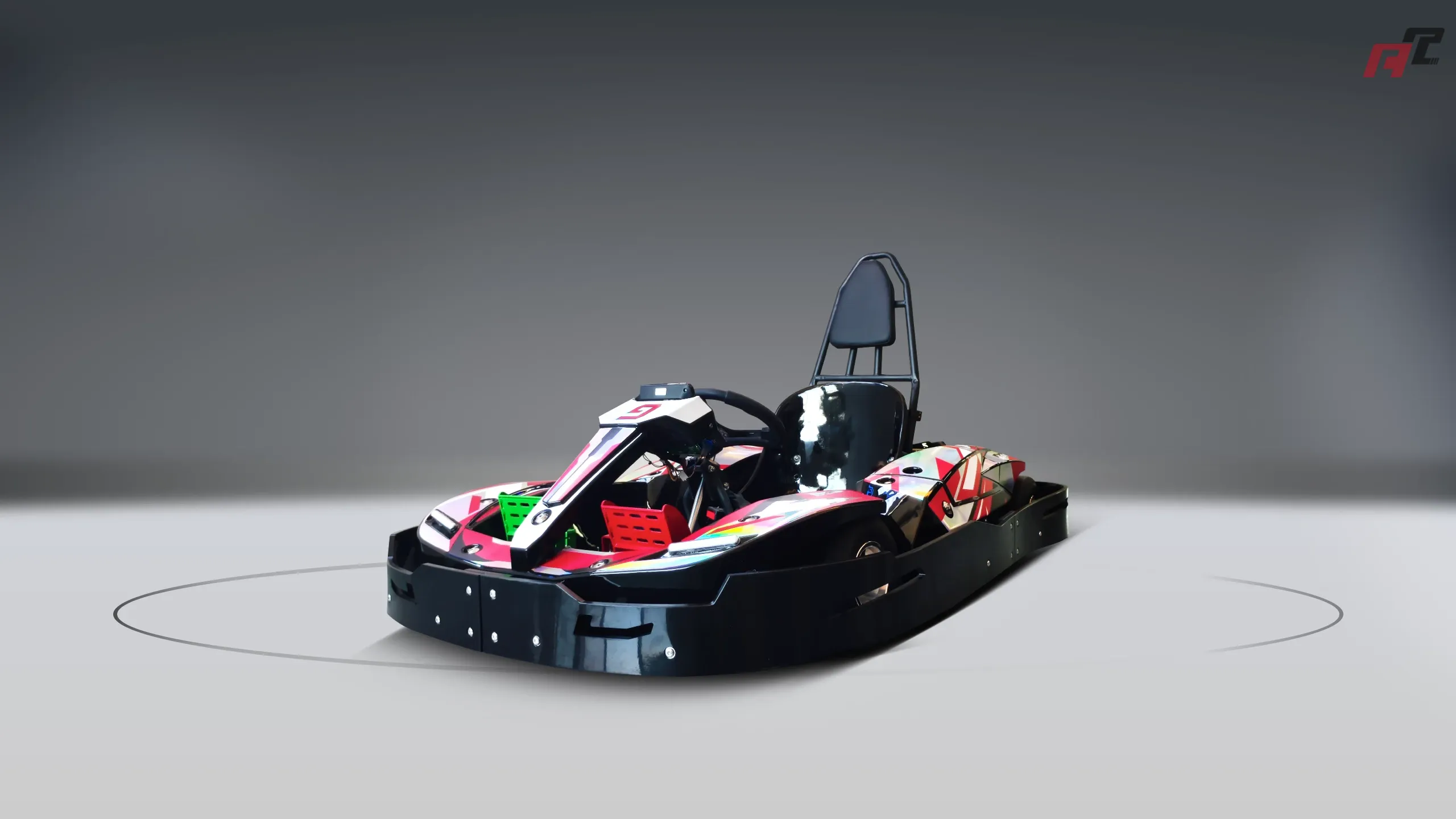
Cyclone RS 2025 1200W Electric Go-kart for Home Entertainment Centers
The Cyclone RS 2025 is a high-performance electric ride-on car designed for thrill-seekers, entertainment centers, and commercial amusement businesses. Built with a durable ABS body and reinforced metal chassis, it combines strength, safety, and speed for a superior driving experience. With a 1200W mid-mounted motor (peaking at 3600W), advanced control system, and long-lasting 72V20AH LiFePO₄ battery, this ride ensures both powerful performance and reliability.
Whether for amusement parks, game zones, rental businesses, or personal recreational use, the Cyclone RS 2025 delivers unmatched excitement and durability.
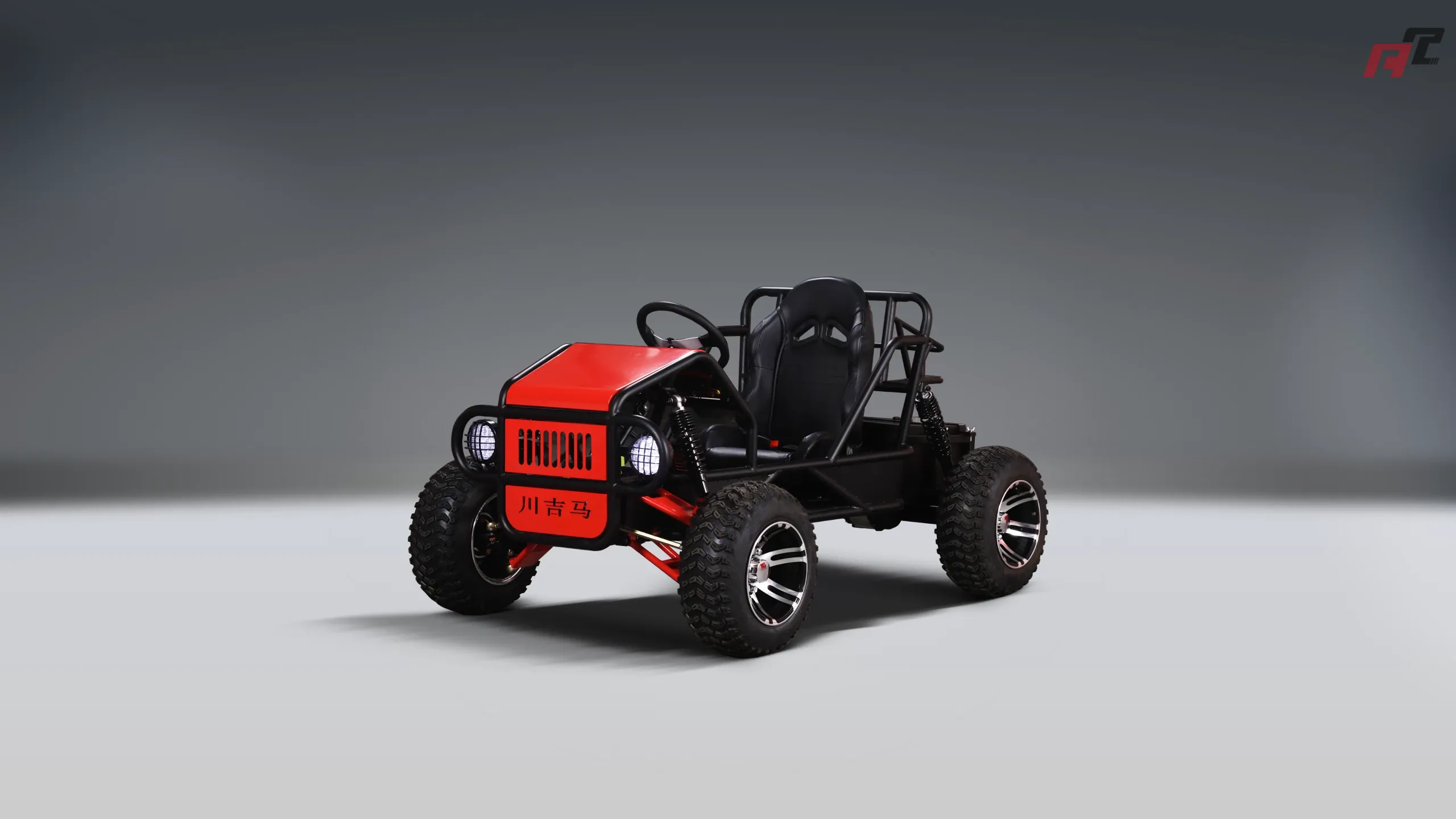
Kids Electric Off Roads One-seater ATV
Discover adventure with the ANCHI Kids Electric One-seater ATV, the perfect electric off-road experience for young explorers. Designed for safety and performance, this electric off-road go kart for kids offers unmatched thrills on any terrain. Its durable build and easy-to-use controls ensure a fun and safe ride. Ideal for budding adventurers, this ATV promises endless excitement. Explore the world with confidence with ANCHI’s innovative electric off-road solutions for kids.
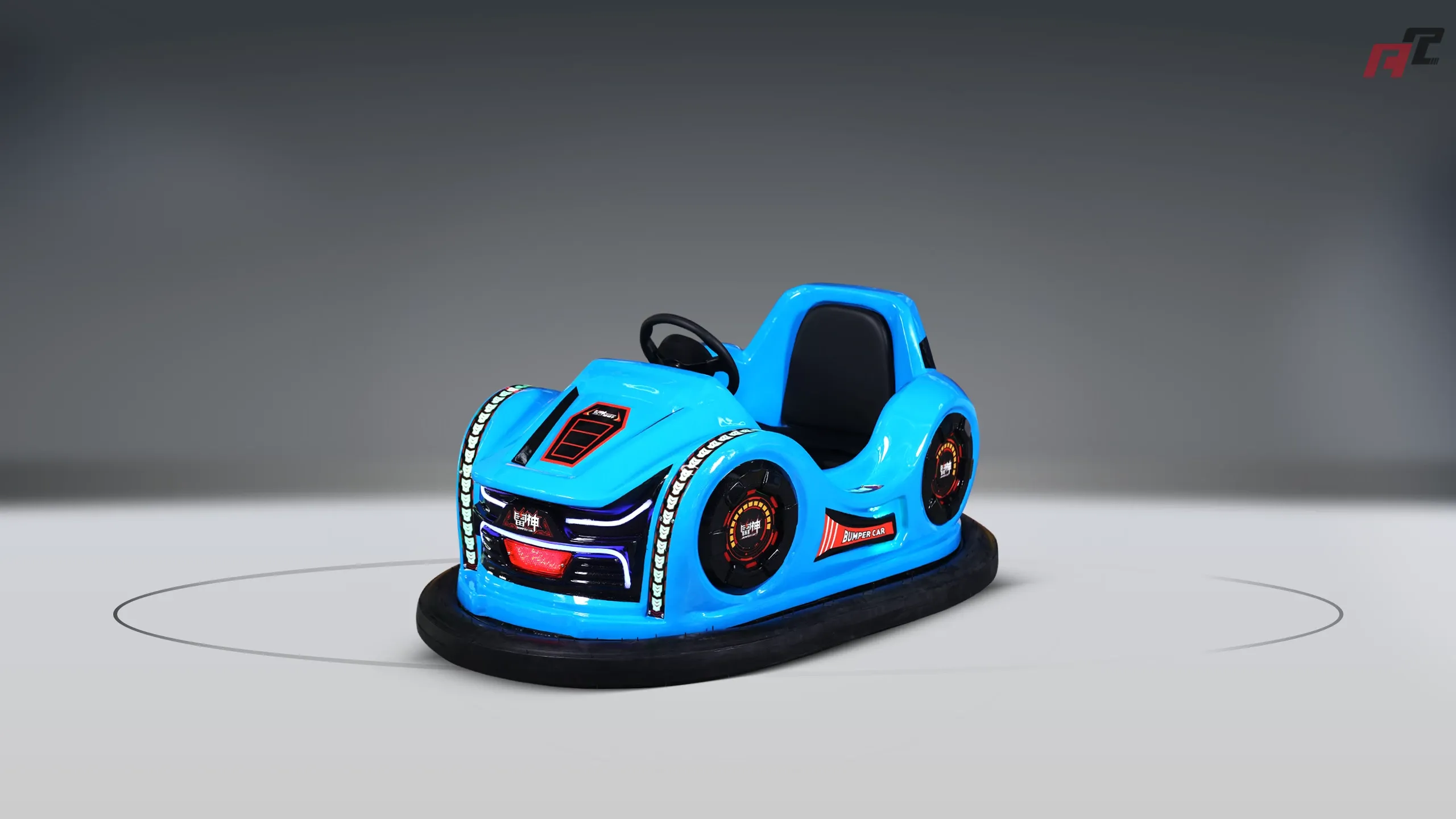
Battery Drift Bumper Car With inflatable tyre
The Battery Drift Bumper Car with Inflatable Tire with 650W steel gear motor, and high quality battery wich can becharged outside the car, the bumper car is ideal for amusement parks, family entertainment centers, build quality for safe, long-lasting fun.
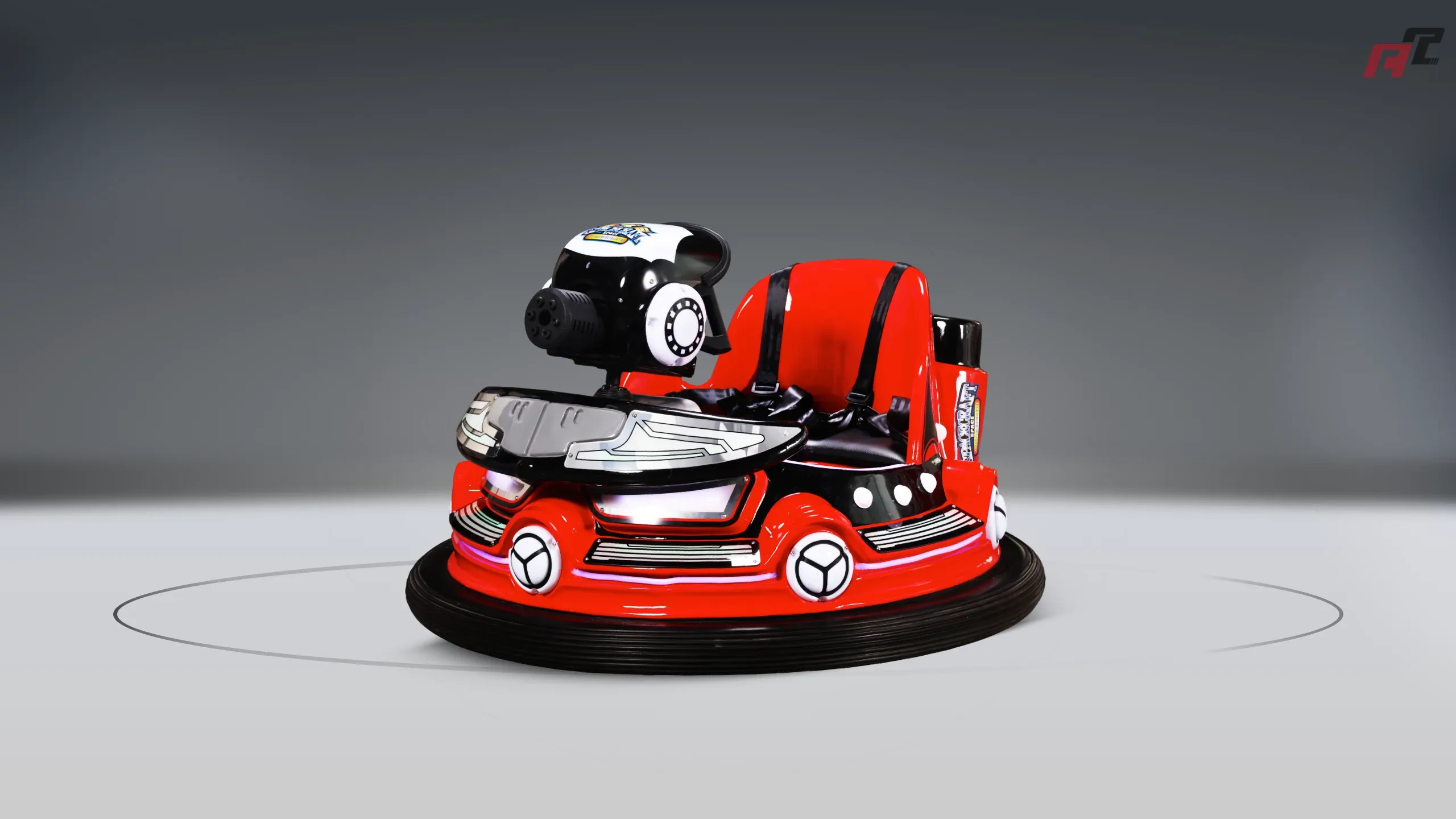
Spaceship Laser Battle Bumper Car
Discover the future of fun with the ANCHI Spaceship Laser Battle Bumper Car! Designed for thrill-seekers, this kids bumper car offers an exhilarating laser battle experience. Parents and children alike will enjoy hours of safe, exciting play. Ideal for parties or everyday fun, it combines durability with innovative technology.


