







How Electric Go Karts Work: Motors and Battery Basics
- How Electric Go Karts Work: Motors and Battery Basics
- Introduction: Why understanding Electric Go Karts matters
- Core components overview: What makes an electric kart move
- Motors: Types and where they’re used
- Motor placement and drive options
- Motor power and torque: What to expect
- Motor controllers (ESC): The motor’s brain
- Batteries: Types you’ll encounter
- Battery voltage and capacity basics
- Charging: time and strategies
- Thermal management and battery safety
- Regenerative braking: energy recovery on track
- Maintenance: simpler but still required
- Performance trade-offs: power, runtime and cost
- Comparison table: Battery types
- Comparison table: Motor types
- Choosing the right Electric Go Karts for your venue
- Operational tips: maximize uptime and lifespan
- Why choose ANCHI Amusement for Electric Go Karts?
- FAQ: Common questions about Electric Go Karts
- How long do electric go karts run on a single charge?
- Are electric go karts safer than petrol karts?
- Can electric karts match petrol kart performance?
- How should I maintain battery health?
- What is the typical lifespan of an electric kart battery?
- How quickly can I integrate electric karts into an existing venue?
How Electric Go Karts Work: Motors and Battery Basics
Introduction: Why understanding Electric Go Karts matters
Electric Go Karts are changing the amusement and racing industries because they are quieter, cleaner, and easier to maintain than gasoline karts. For track owners, operators and buyers searching for Electric Go Karts, understanding motors, batteries, and controllers is essential to choose the right vehicles, optimize uptime and deliver a consistent customer experience.
Core components overview: What makes an electric kart move
At a basic level, an electric go kart consists of a battery pack, a motor, a motor controller (ESC), a drivetrain (gearbox or direct drive), braking system and a battery management and charging system. Each component affects acceleration, top speed, runtime and operating costs.
Motors: Types and where they’re used
There are two main motor types in electric go karts: brushed DC motors (older, less common) and brushless DC motors (BLDC). Today’s commercial and rental Electric Go Karts overwhelmingly use BLDC motors because they are more efficient, more reliable and require less maintenance.
Motor placement and drive options
Motors can be mounted as hub motors (integrated into the wheel), mid-mounted with a chain or belt drive, or mounted to a gearbox. Hub motors simplify drivetrain layout and reduce parts, while mid-mounted motors with chains/belts often deliver better cooling and easier service for high-performance applications.
Motor power and torque: What to expect
Motor power is usually stated in kilowatts (kW). Typical ranges: children’s karts 1–3 kW, youth karts 3–7 kW, adult rental/recreational karts 6–15 kW, and high-performance racing karts 10–30+ kW. Torque matters more for acceleration; electric motors deliver peak torque instantly, which is why Electric Go Karts often feel quicker off the line than comparable petrol karts.
Motor controllers (ESC): The motor’s brain
The Electronic Speed Controller (ESC) translates driver throttle input into precise motor power. Good ESCs support regenerative braking, thermal protection, configurable acceleration curves and safety interlocks. Choosing a reliable ESC is critical for smooth power delivery and protecting the motor and battery.
Batteries: Types you’ll encounter
Two primary battery chemistries appear in Electric Go Karts: lead-acid (SLA) and lithium-based batteries. Within lithium, Lithium Iron Phosphate (LiFePO4) is especially popular commercially because it balances safety, cycle life and cost. Lithium packs (LiFePO4 or other lithium variants) dominate modern commercial and amusement applications due to higher energy density and faster charging.
Battery voltage and capacity basics
Common pack voltages for Electric Go Karts are 48V and 72V. Capacity is measured in amp-hours (Ah); energy equals volts × Ah (giving watt-hours or kilowatt-hours). For example, a 48V 50Ah pack stores 2.4 kWh (48 × 50 = 2400 Wh). Typical commercial kart packs range from ~1.5 kWh for small kids’ units to 3–5 kWh for full-size rental karts, giving practical runtimes from 30 minutes to several hours depending on usage and drive cycles.
Charging: time and strategies
Charging depends on charger power and chemistry. Lead-acid charges slowly (often 6–10 hours). Lithium packs can accept higher charge rates—many commercial chargers replenish a kart in 1–3 hours for daily operations. Fast charging is possible but requires thermal management and a battery designed for higher C-rates. For venue operations, having spare battery packs and a charging rotation often beats a single fast charger for minimizing downtime.
Thermal management and battery safety
Heat is the enemy of battery life. LiFePO4 is more thermally stable than other lithium chemistries, and modern packs include a Battery Management System (BMS) that balances cells, prevents over/under-voltage conditions, limits charge/discharge rates and monitors temperature. Proper ventilation, BMS settings and regular inspections are essential for safe long-term operation of Electric Go Karts.
Regenerative braking: energy recovery on track
Many Electric Go Karts use regenerative braking to capture some braking energy and feed it back into the battery, which can extend runtime and reduce brake wear. The effectiveness depends on controller programming, battery acceptance of regen current and driving style—tracks with frequent braking will benefit more.
Maintenance: simpler but still required
Compared with internal combustion karts, Electric Go Karts reduce fuel, oil and complex engine maintenance. Still, operators must maintain battery health (correct charging and storage), check electrical connectors, inspect motor bearings, belts/chains, brakes and steering components. Proper training for staff on battery handling and emergency procedures is critical.
Performance trade-offs: power, runtime and cost
Higher motor power and faster acceleration drain batteries quicker. Operators must balance maximum performance vs runtime and charging logistics. For commercial tracks, choosing a battery and motor configuration that supports several sessions between charges, or rotating packs, improves throughput and guest satisfaction.
Comparison table: Battery types
Below is a concise comparison of common battery choices for Electric Go Karts.
| Attribute | Lead-acid (SLA) | Lithium Iron Phosphate (LiFePO4) |
|---|---|---|
| Energy density | Low | High |
| Cycle life | 200–500 cycles | 1,000–4,000+ cycles |
| Charge time | 6–10 hours | 1–3 hours (typical) |
| Cost (initial) | Lower | Higher |
| Safety & thermal stability | Stable but heavy | Very stable (esp. LiFePO4) |
Comparison table: Motor types
| Attribute | Brushed DC | Brushless DC (BLDC) |
|---|---|---|
| Maintenance | Higher (brush replacement) | Lower |
| Efficiency | Lower | Higher |
| Control | Simple | Precise, supports regen |
| Typical use | Older/low-cost units | Modern commercial & performance karts |
Choosing the right Electric Go Karts for your venue
For commercial indoor/outdoor tracks, prioritize LiFePO4 batteries, BLDC motors and quality ESCs with regen and thermal protection. For children's areas, lower-voltage and lower-power configurations increase safety. Consider spare battery packs, charging infrastructure and a defined maintenance schedule before you scale operations.
Operational tips: maximize uptime and lifespan
Rotate batteries to avoid deep discharges, provide sufficient cool-down time after heavy runs, and train staff on correct charging and storage. Track operators often keep a 20–30% battery reserve to ensure guests always have full sessions during peak hours.
Why choose ANCHI Amusement for Electric Go Karts?
ANCHI Amusement is one of China’s leading manufacturers of amusement equipment and a trusted supplier for Electric Go Karts. With over 5,000 m² of production space, multiple assembly lines and a team of 30+ technicians, ANCHI offers custom go-kart manufacturing, turnkey venue design and after-sales service. Our product range includes electric adult karts, youth karts and children’s karts—all engineered to meet commercial performance, safety and reliability standards. Learn more at https://www.anchiamusement.com/.
FAQ: Common questions about Electric Go Karts
How long do electric go karts run on a single charge?
Runtime depends on battery size, motor power and driving conditions. Typical commercial adult karts with 2–4 kWh packs deliver 30–120 minutes of cumulative operation under typical track use. Using battery rotation or fast charging can support continuous operation in busy venues.
Are electric go karts safer than petrol karts?
Electric karts eliminate fuel and combustion risks, reduce noise and have fewer high-temperature engine parts. However, electric systems require careful electrical and battery safety management, including BMS, fuses, correct charging procedures and staff training.
Can electric karts match petrol kart performance?
Yes. Modern electric karts, especially those with BLDC motors and high-power battery packs, often match or exceed petrol kart acceleration due to instant electric torque. Top speed can be tuned via gearing and controller settings to match your safety and performance goals.
How should I maintain battery health?
Store batteries at moderate state of charge (around 40–60%) if not used for extended periods, avoid deep discharges, maintain correct temperature ranges, and use a compatible charger. Regular BMS checks and visual inspections for damage or swelling are recommended.
What is the typical lifespan of an electric kart battery?
LiFePO4 packs commonly last 1,000–4,000 cycles depending on depth of discharge and operating conditions. In commercial use, this often translates to multiple years of service with proper care and charging practices.
How quickly can I integrate electric karts into an existing venue?
Integration depends on charging infrastructure, track layout and staff readiness. Basic setups can be operational within a few weeks; full venue rollouts with custom karts and brand integration may take longer. ANCHI Amusement offers venue design and turnkey services to streamline the process.
Best costco bumper cars manufacturers and supplier brands
Wholesale electric go kart business manufacturer and supplier
Wholesale electric go kart controller manufacturer and supplier
Everything You Need to Know About custom go kart builders
About Logistics
Is your logistics and distribution service reliable?
Yes, we cooperate with a number of well-known logistics companies to ensure the timeliness and reliability of logistics and distribution services and provide you with a satisfactory distribution experience.
About Cooperation Process
How to start working with your company?
You can contact us through our official website or contact information, and our team will be happy to assist you.
What steps does the collaboration process include?
The cooperation process mainly includes demand communication, sample confirmation, contract signing, production and production, quality inspection, logistics and distribution, etc.
What information do I need to provide to start the cooperation process?
You need to provide your company information, product needs, venue information, customization requirements, cooperation intentions and other relevant information.
About Price and Payment
How can I obtain pricing information for your customized amusement ride equipment?
Pricing varies based on customization scope, project scale, and specific requirements. Contact our sales team for a personalized quote tailored to your desired features and budget considerations.
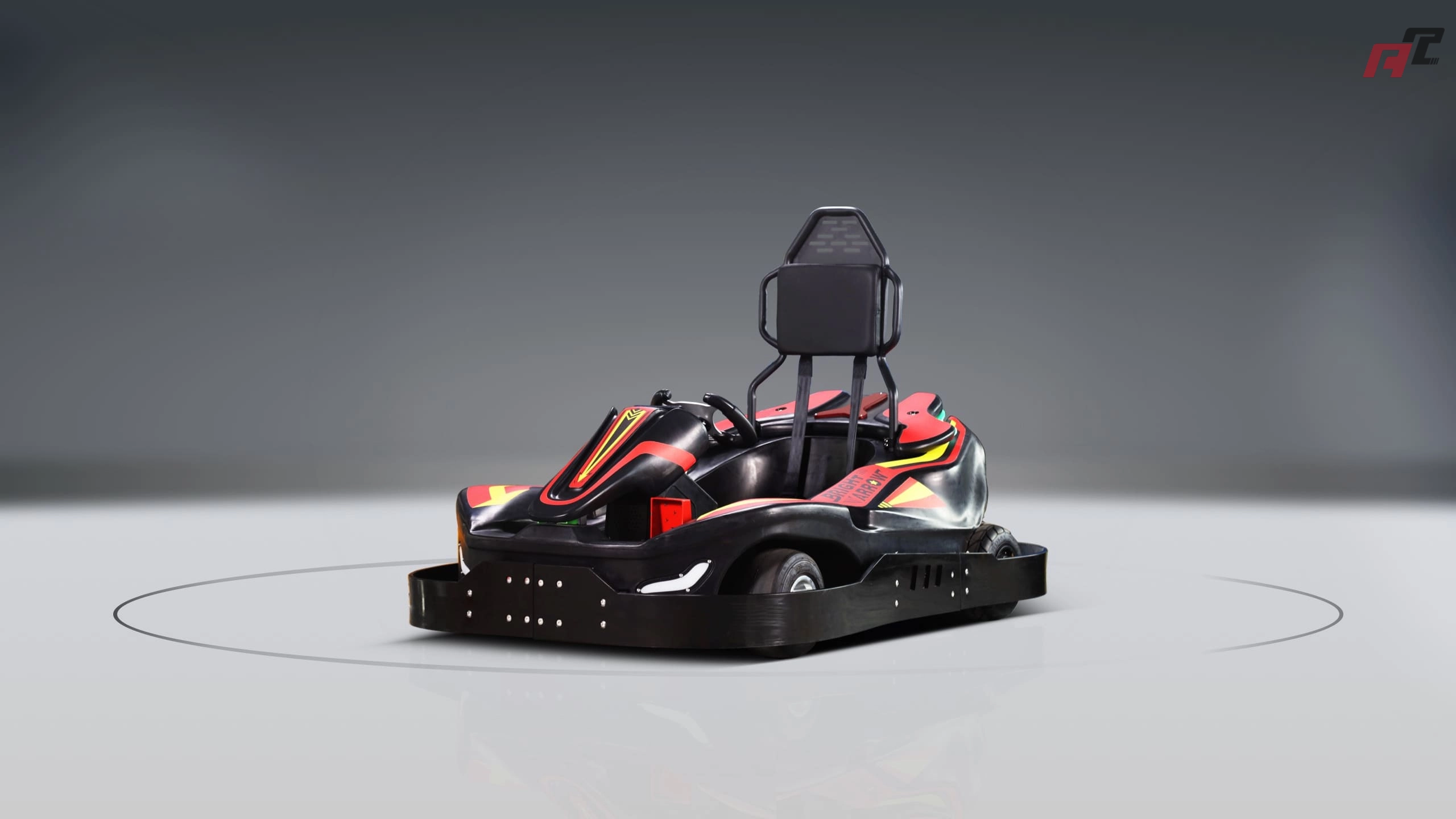
Bright Arrow Electric Go Karts
2024 new model with two powerful hub motors; each motor is 1000 watts with shock absorbers. It has fast-charging iron phosphate lithium that can be cycled 2000 times. It has three speeds. Remote control for starting, checking accounts, and setting volume. LCD dispay for showing speed, battery power, and game time.
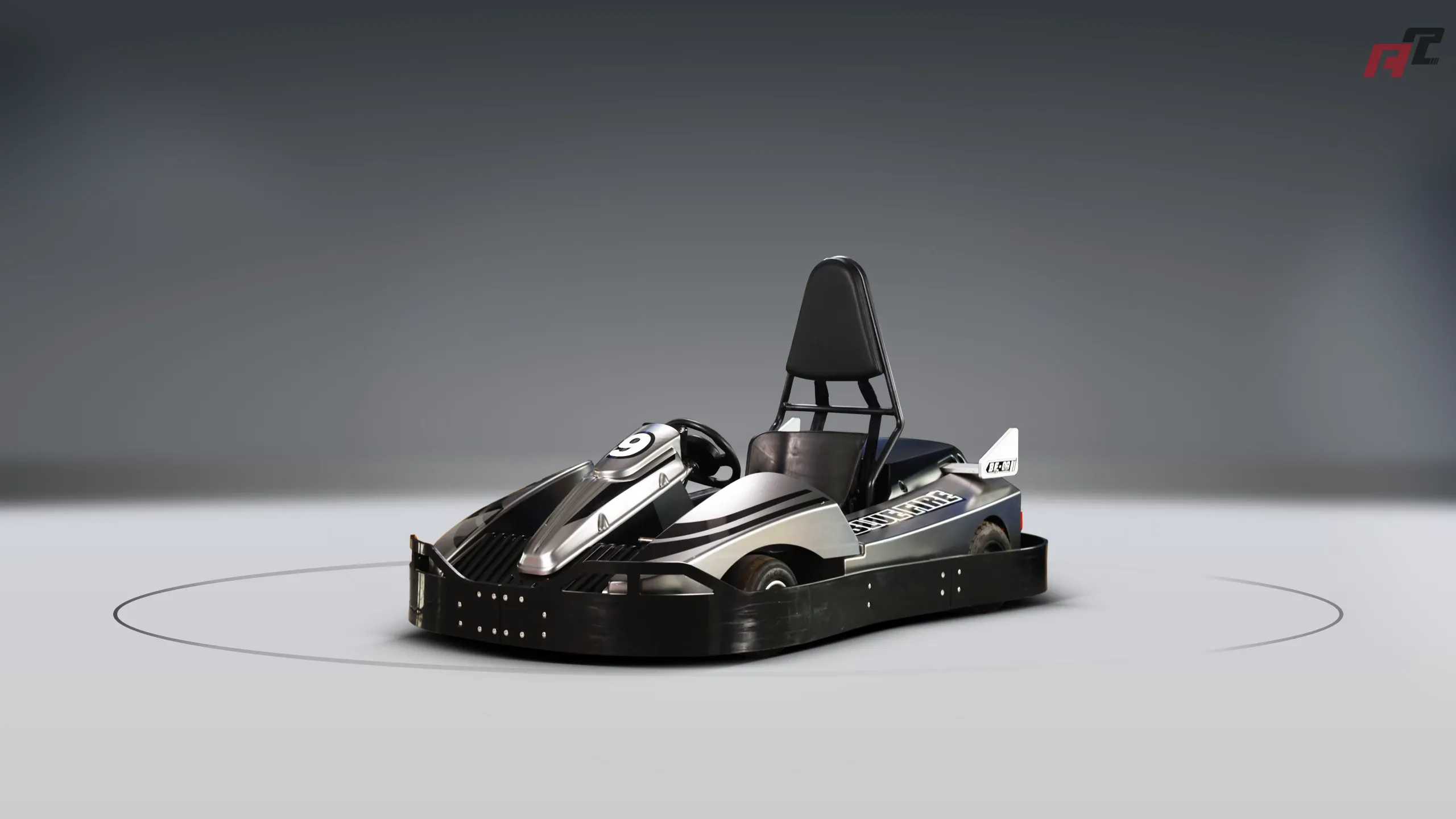
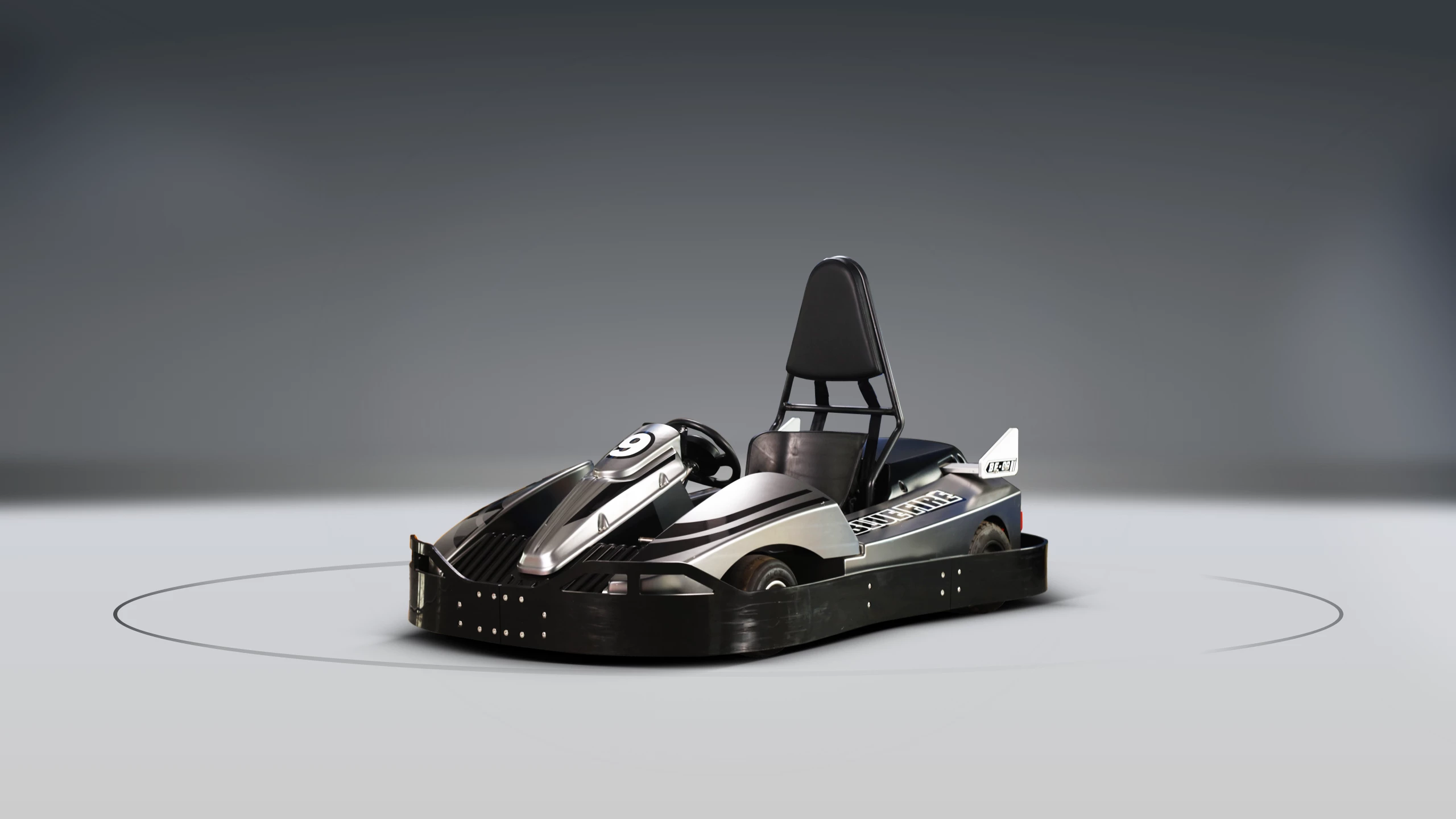
Blue Fire Electric Go Karts
Experience the thrill of speed with ANCHI's Blue Fire Electric Go Karts, perfect for both adults and kids. These high-performance electric go karts deliver unparalleled excitement while ensuring safety and reliability. Ideal for family fun or competitive racing, our electric go karts blend innovation with cutting-edge technology. Explore the future of racing with ANCHI, where performance meets sustainability. Discover more today and rev up your passion for adventure with our premium electric go karts.
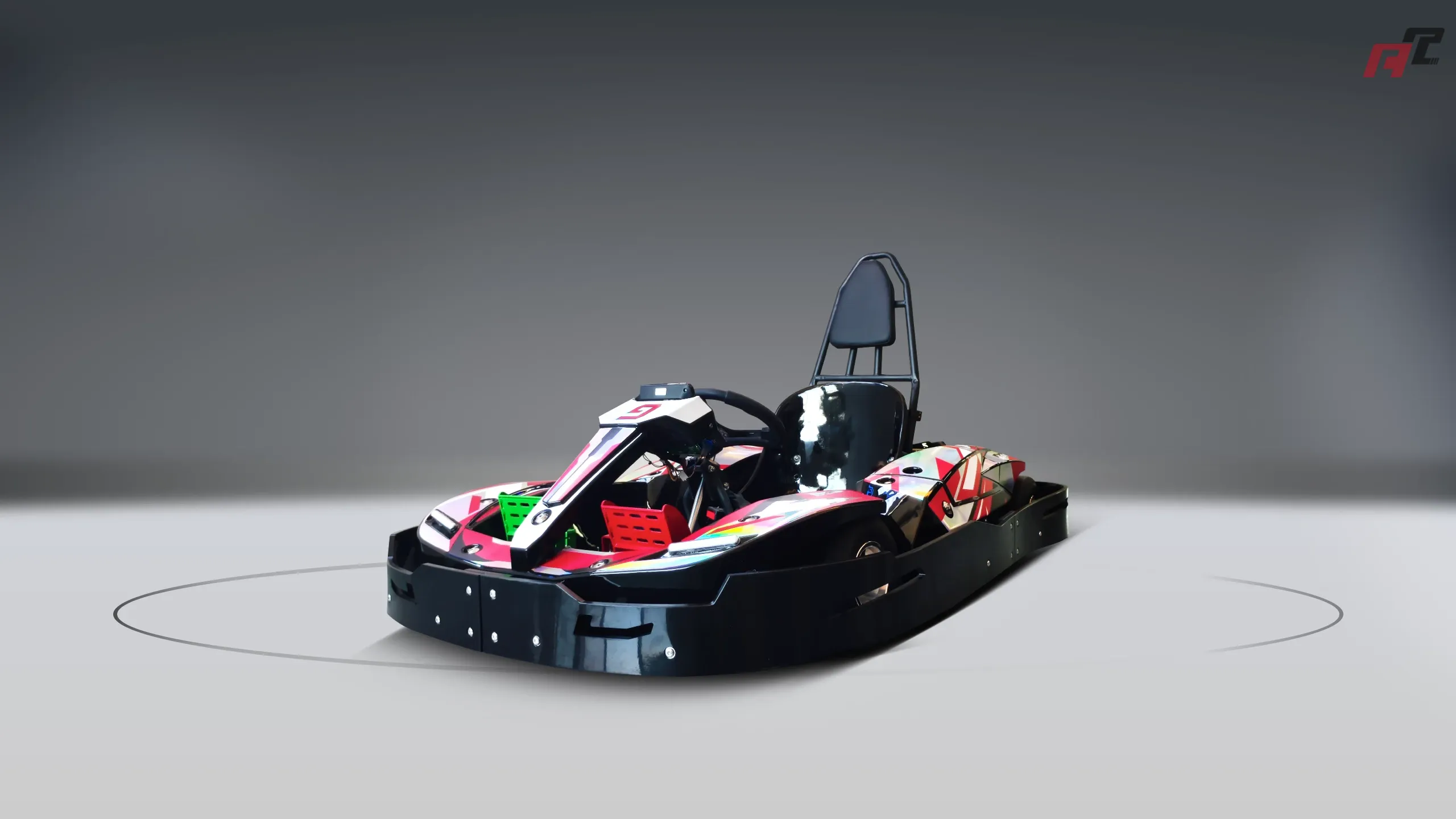
Cyclone RS 2025 1200W Electric Go-kart for Home Entertainment Centers
The Cyclone RS 2025 is a high-performance electric ride-on car designed for thrill-seekers, entertainment centers, and commercial amusement businesses. Built with a durable ABS body and reinforced metal chassis, it combines strength, safety, and speed for a superior driving experience. With a 1200W mid-mounted motor (peaking at 3600W), advanced control system, and long-lasting 72V20AH LiFePO₄ battery, this ride ensures both powerful performance and reliability.
Whether for amusement parks, game zones, rental businesses, or personal recreational use, the Cyclone RS 2025 delivers unmatched excitement and durability.
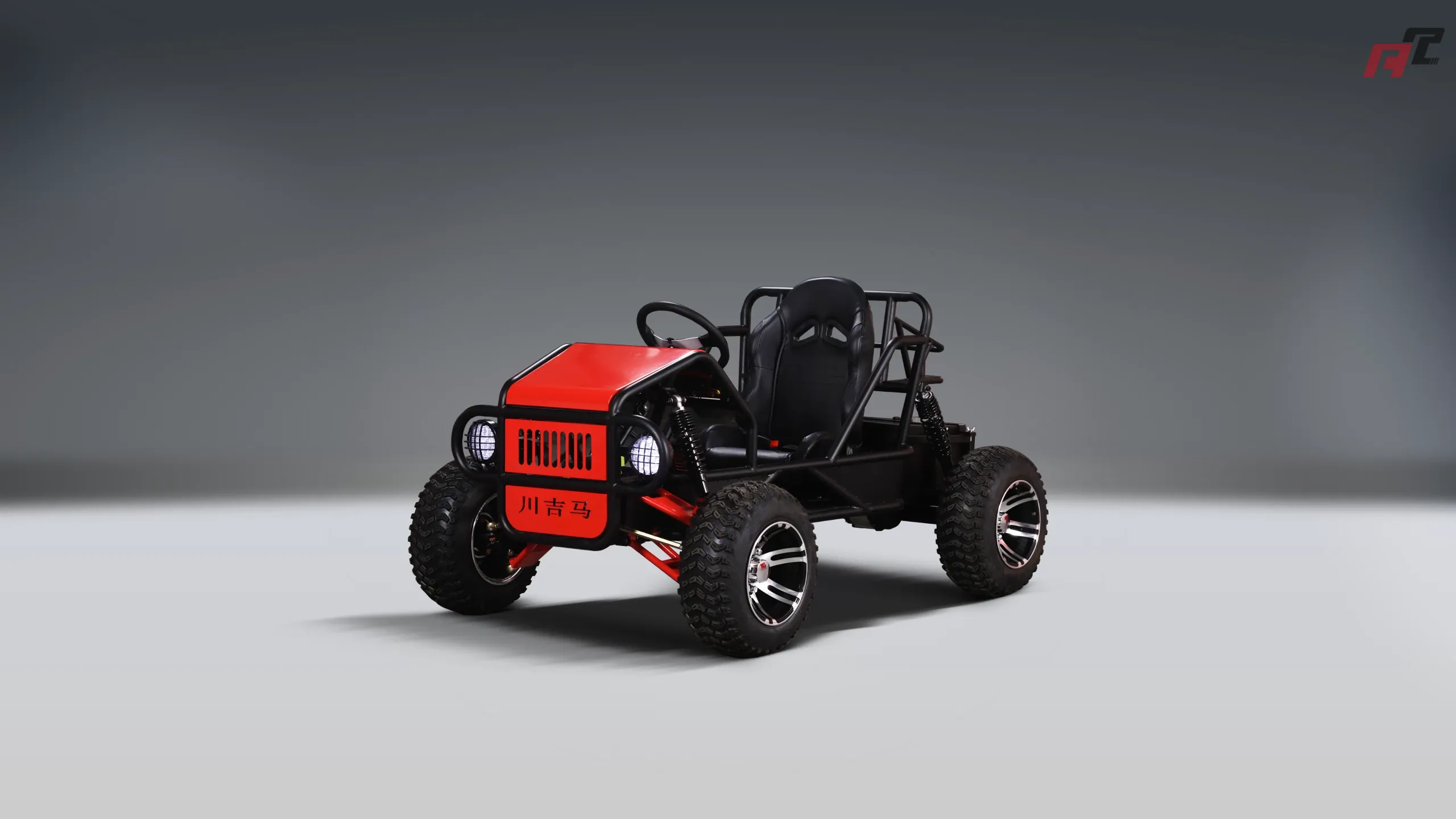
Kids Electric Off Roads One-seater ATV
Discover adventure with the ANCHI Kids Electric One-seater ATV, the perfect electric off-road experience for young explorers. Designed for safety and performance, this electric off-road go kart for kids offers unmatched thrills on any terrain. Its durable build and easy-to-use controls ensure a fun and safe ride. Ideal for budding adventurers, this ATV promises endless excitement. Explore the world with confidence with ANCHI’s innovative electric off-road solutions for kids.


