

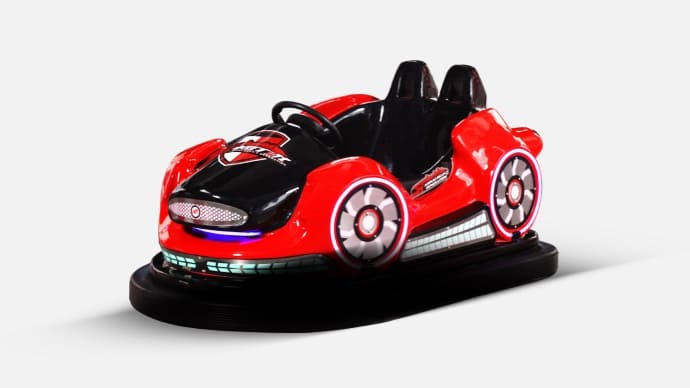
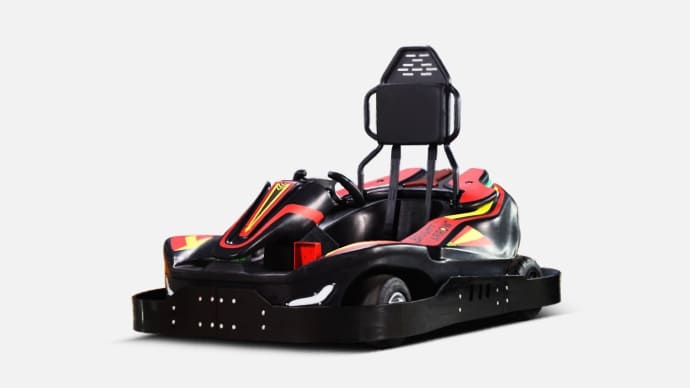
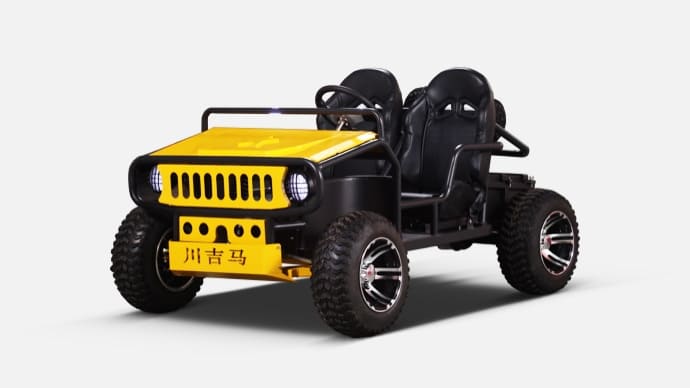






How to transport a kids' bumper car safely?
Explore essential safety features, age and height requirements, and transportation tips for kids' bumper cars. Learn how to ensure a safe and enjoyable experience for your child.
Comprehensive Guide to Kids' Bumper Cars: Safety, Features, and Transportation
Bumper cars are a classic amusement ride that offer children the thrill of driving and friendly collisions in a safe and controlled environment. Ensuring your child's safety and comfort is paramount when selecting and transporting a kids' bumper car. Below, we address common questions to guide you through the process.
1. What are the age and height restrictions for kids' bumper cars?
Age and height restrictions are implemented to ensure that children are physically capable of safely operating the bumper cars. Typically, riders should be at least 42 inches (107 cm) tall to reach the pedals comfortably and be adequately restrained by the seatbelt. Some parks may also have age requirements, such as a minimum age of 5 years, to ensure the child can understand and follow the ride's instructions. Always check the specific rules posted at the bumper car ride before allowing your child to participate. ((https://www.anchiamusement.com/bumper-car-safety-for-kids-guide-tips-anchi.html))
2. What safety features should I look for in kids' bumper cars?
Modern kids' bumper cars are designed with several safety features to minimize the risk of injury:
Seatbelts and Harnesses: Ensure the bumper car is equipped with lap belts or shoulder harnesses to keep riders securely in their seats during collisions.
Padding and Protective Bumpers: Look for cars with thick, well-padded, and durable outer bumper rings to absorb impacts and protect riders.
Speed Limiters: Opt for models with speed governors to prevent excessive speeds, reducing the force of impacts. Typical maximum speeds range from 5 mph (8 km/h) to 8 mph (13 km/h).
Emergency Stop Mechanisms: Choose bumper cars equipped with emergency stop systems that allow operators to halt the ride instantly if needed. ((https://www.anchiamusement.com/bumper-car-safety-for-kids-guide-tips-anchi.html))
3. How can I ensure my child's safety while riding bumper cars?
To maximize your child's safety during the ride:
Follow Ride Rules: Adhere to all age, height, and weight restrictions. Never try to circumvent these rules.
Proper Restraint: Ensure your child is properly secured in the seatbelt or harness. Make sure it's snug but not too tight.
Instruct Your Child: Explain the rules of the ride to your child and emphasize the importance of keeping their hands and arms inside the car.
Observe the Ride: Before allowing your child to ride, observe the ride in operation to ensure it appears well-maintained and operated safely.
Report Concerns: If you notice any potential hazards, such as loose seatbelts or aggressive driving by other riders, report them to the ride operator immediately. ((https://www.anchiamusement.com/bumper-car-safety-for-kids-guide-tips-anchi.html))
4. What are the common injuries associated with bumper cars?
While designed to be safe, bumper cars can cause minor injuries. The most common include:
Whiplash and Neck Strain: Sudden impacts can cause whiplash, a neck injury resulting from a rapid back-and-forth movement of the head.
Back Pain: Similar to whiplash, the sudden jolt can cause back pain or strain.
Bruises and Bumps: Minor collisions can cause bruises and bumps, especially if riders are not properly secured.
Serious injuries are rare but can occur if safety guidelines are ignored or if there are mechanical malfunctions. ((https://www.anchiamusement.com/bumper-car-safety-for-kids-guide-tips-anchi.html))
5. How should I transport a kids' bumper car safely?
Transporting a kids' bumper car requires careful planning to ensure its safety and functionality upon arrival:
Use a Suitable Vehicle: Ensure your vehicle has sufficient space and weight capacity to accommodate the bumper car.
Secure the Car Properly: Use appropriate tie-downs or straps to secure the bumper car, preventing movement during transit.
Protect from Elements: Cover the bumper car with a tarp or protective cover to shield it from weather conditions during transport.
Check Local Regulations: Be aware of any local transportation regulations or permits required for transporting amusement equipment.
By following these guidelines, you can ensure a safe and smooth transportation process for your child's bumper car.
6. What are the different types of bumper cars available for kids?
Bumper cars come in various types, each offering unique features:
Traditional Electric Bumper Cars: These cars draw power from an overhead grid and are the most common type, usually operating at lower speeds.
Battery-Operated Bumper Cars: These cars have self-contained batteries, allowing for more flexibility in design and operation.
Bumper Boats: Operating in a shallow pool of water, these provide a different experience but may present additional safety concerns due to the water.
Understanding the specific characteristics of each type can help you make a more informed decision about which rides are best suited for your child's age and abilities. ((https://www.anchiamusement.com/bumper-car-safety-for-kids-guide-tips-anchi.html))
7. How do I choose the right bumper car for my child?
When selecting a bumper car, consider the following factors:
Age and Size Appropriateness: Ensure the bumper car is suitable for your child's age and size, with adjustable features to accommodate growth.
Safety Features: Look for cars with reliable safety features, such as seatbelts, padding, and speed limiters.
Durability: Choose models made from durable materials that can withstand regular use.
Ease of Use: Opt for cars with intuitive controls that your child can operate comfortably.
By considering these factors, you can select a bumper car that provides both fun and safety for your child.
8. How can I ensure the bumper car remains in good condition?
To maintain the bumper car's condition:
Regular Maintenance: Perform routine checks and maintenance as recommended by the manufacturer.
Proper Storage: Store the bumper car in a dry, cool place to prevent damage from weather conditions.
Safe Operation: Ensure that all riders follow safety guidelines to prevent unnecessary wear and tear.
By following these maintenance tips, you can extend the lifespan of the bumper car and ensure it remains safe for use.
In conclusion, selecting and transporting a kids' bumper car involves careful consideration of safety features, age and height requirements, and proper handling during transit. By adhering to these guidelines, you can provide your child with a fun and secure bumper car experience.
ANCHI Amusement offers a range of high-quality bumper cars designed with safety and durability in mind. Their products feature robust safety features, user-friendly designs, and are built to withstand the rigors of commercial use. Choosing ANCHI Amusement ensures a reliable and enjoyable bumper car experience for your child.
Note: The information provided is based on general industry standards and may vary depending on specific models and manufacturers.
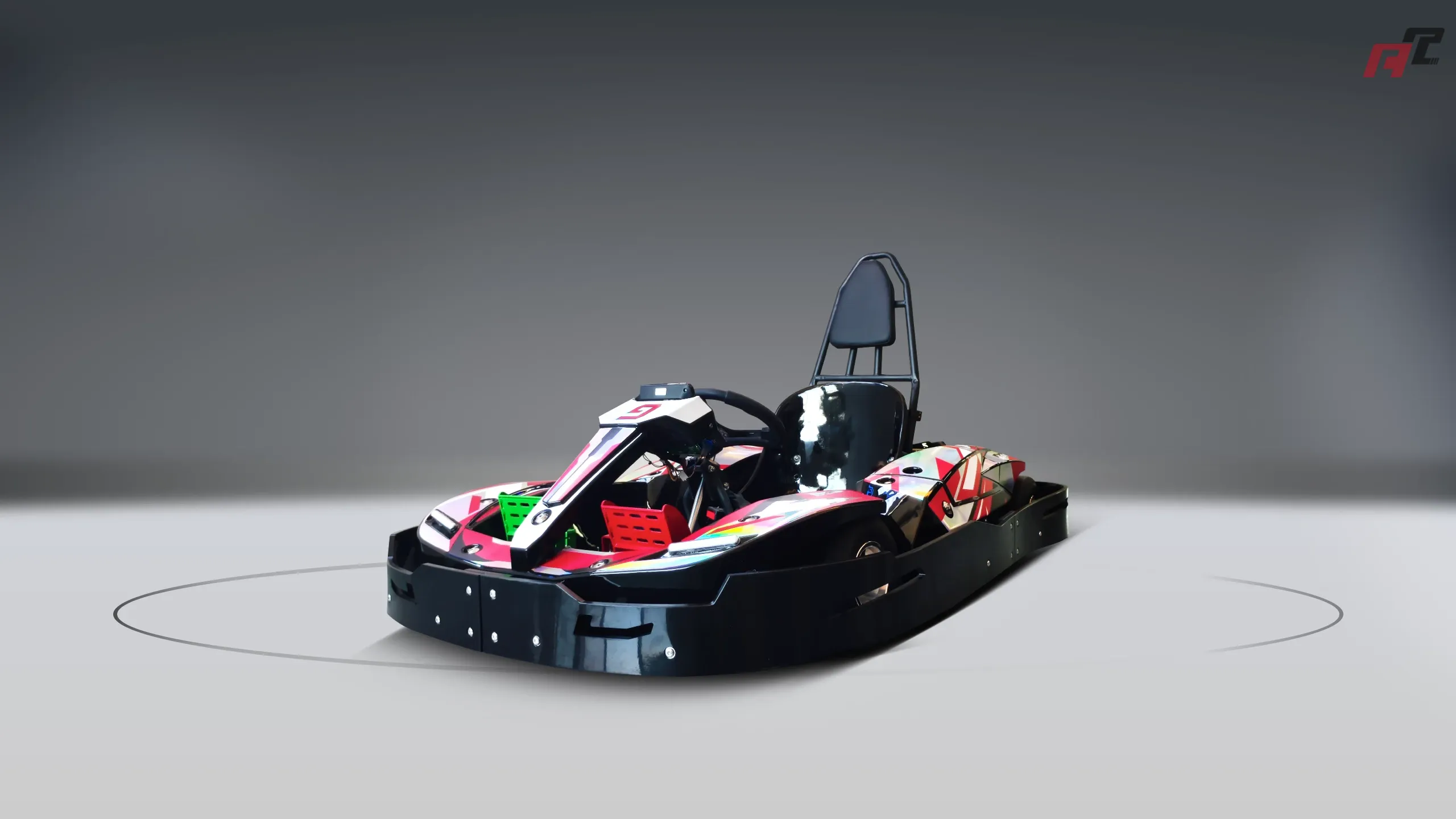
Cyclone RS 2025 1200W Electric Go-kart for Home Entertainment Centers
The Cyclone RS 2025 is a high-performance electric ride-on car designed for thrill-seekers, entertainment centers, and commercial amusement businesses. Built with a durable ABS body and reinforced metal chassis, it combines strength, safety, and speed for a superior driving experience. With a 1200W mid-mounted motor (peaking at 3600W), advanced control system, and long-lasting 72V20AH LiFePO₄ battery, this ride ensures both powerful performance and reliability.
Whether for amusement parks, game zones, rental businesses, or personal recreational use, the Cyclone RS 2025 delivers unmatched excitement and durability.
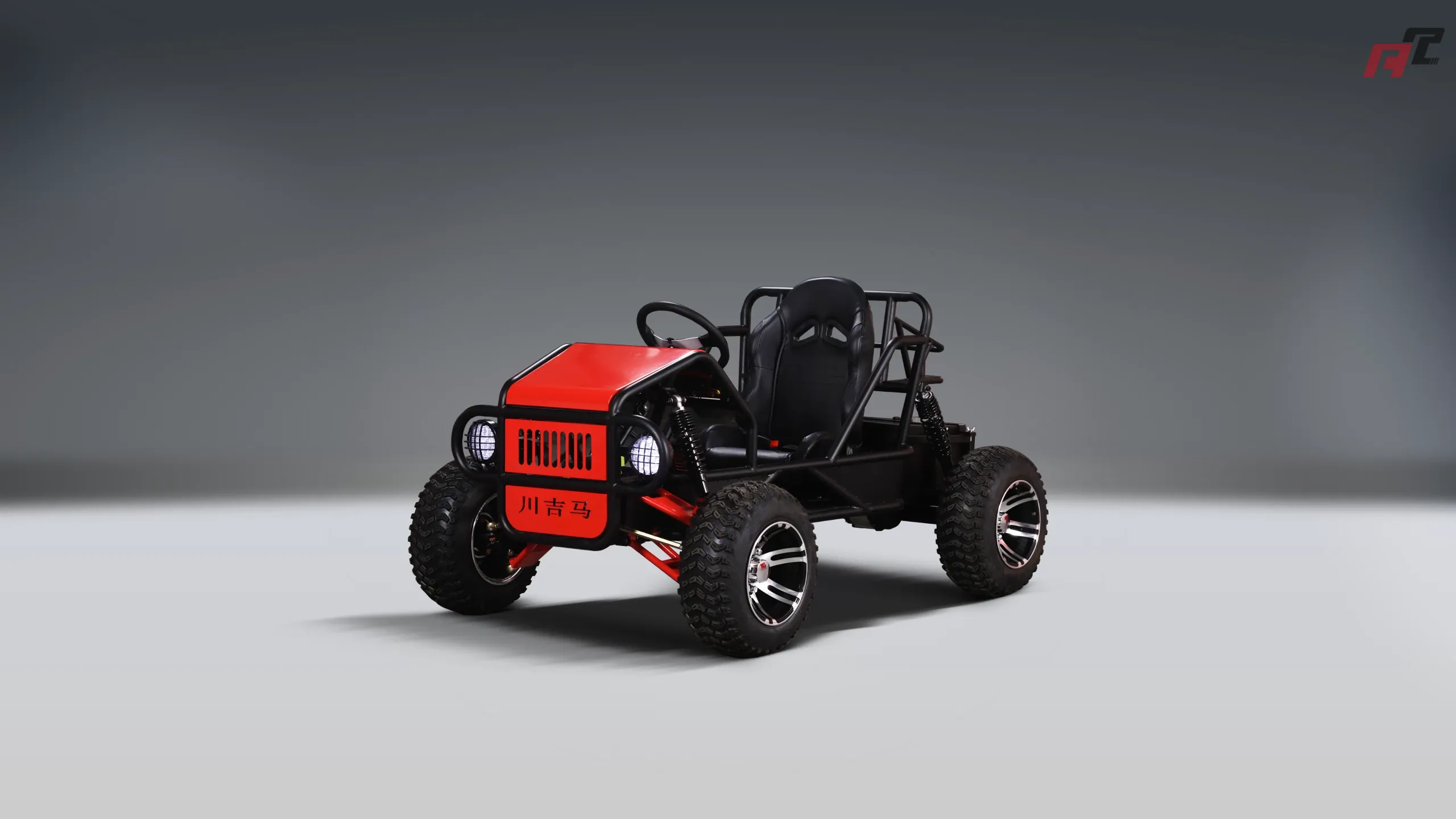
Kids Electric Off Roads One-seater ATV
Discover adventure with the ANCHI Kids Electric One-seater ATV, the perfect electric off-road experience for young explorers. Designed for safety and performance, this electric off-road go kart for kids offers unmatched thrills on any terrain. Its durable build and easy-to-use controls ensure a fun and safe ride. Ideal for budding adventurers, this ATV promises endless excitement. Explore the world with confidence with ANCHI’s innovative electric off-road solutions for kids.
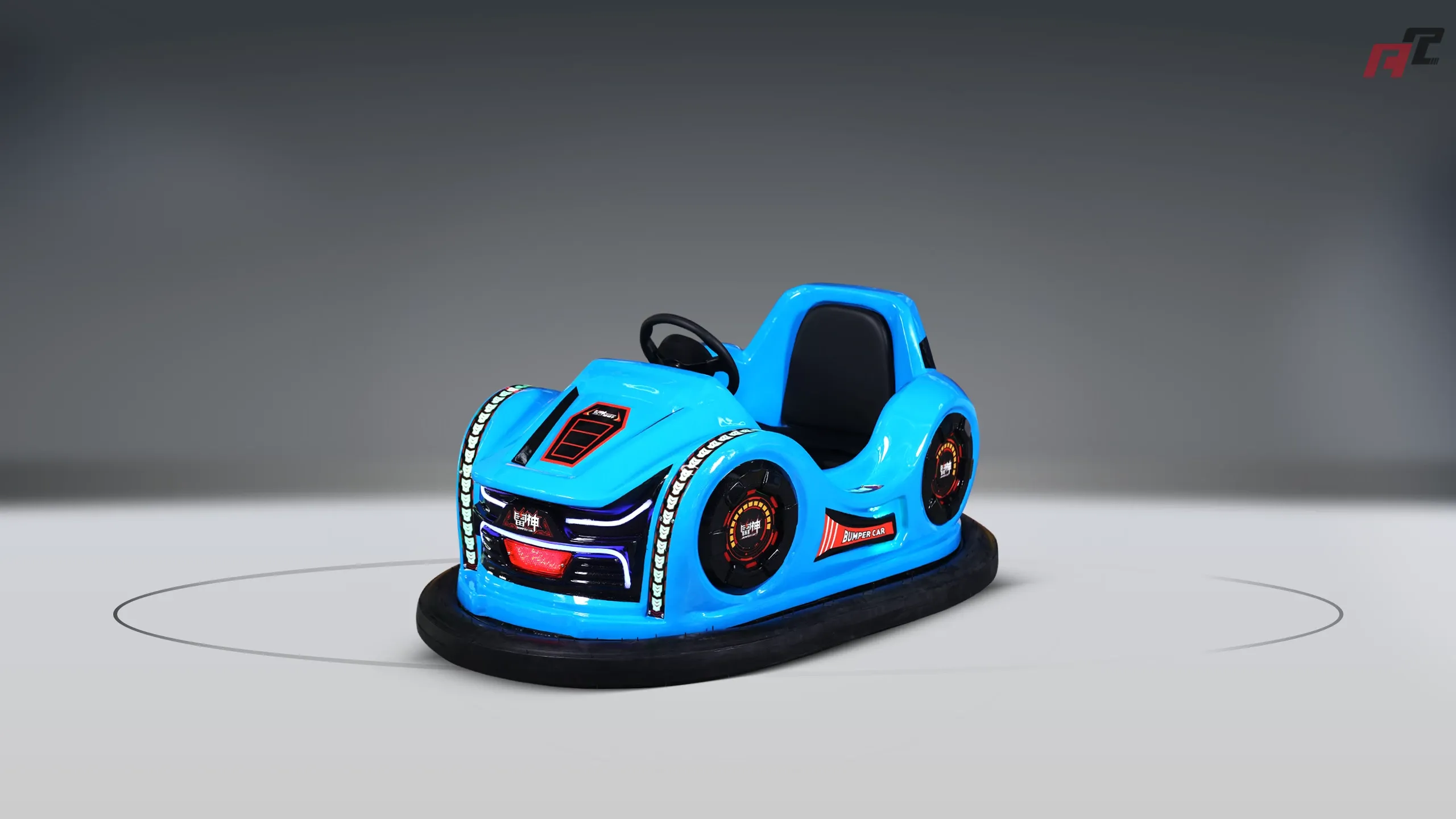
Battery Drift Bumper Car With inflatable tyre
The Battery Drift Bumper Car with Inflatable Tire with 650W steel gear motor, and high quality battery wich can becharged outside the car, the bumper car is ideal for amusement parks, family entertainment centers, build quality for safe, long-lasting fun.
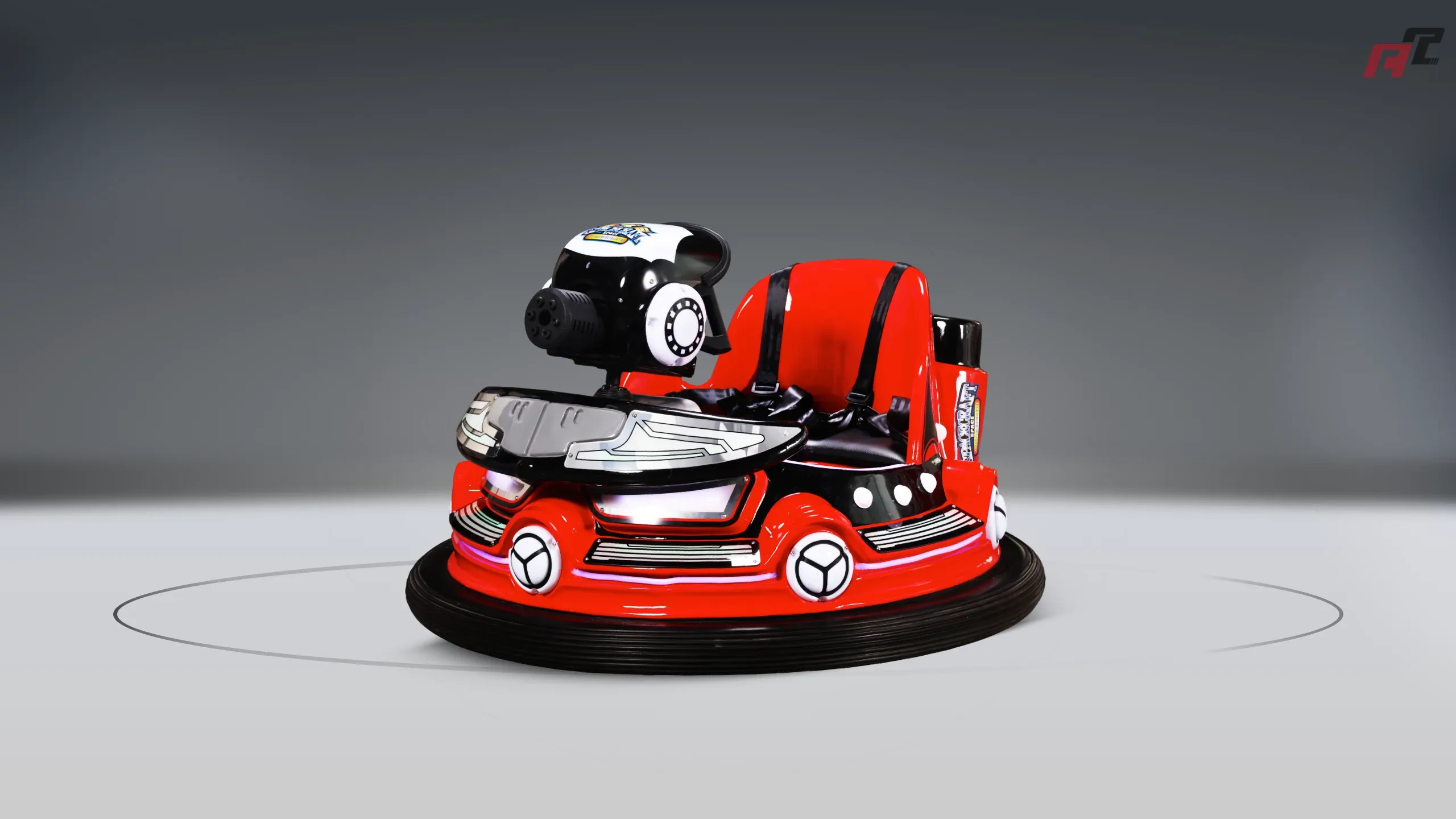
Spaceship Laser Battle Bumper Car
Discover the future of fun with the ANCHI Spaceship Laser Battle Bumper Car! Designed for thrill-seekers, this kids bumper car offers an exhilarating laser battle experience. Parents and children alike will enjoy hours of safe, exciting play. Ideal for parties or everyday fun, it combines durability with innovative technology.


