







What are common injuries and how to prevent them?
Explore essential information on kids' bumper cars, including safety measures, key features, and top product recommendations to ensure a fun and secure experience for children.
Comprehensive Guide to Kids' Bumper Cars: Safety, Features, and Top Recommendations
Bumper cars have long been a favorite amusement ride for children, offering a delightful blend of excitement and friendly competition. As a parent or guardian considering the purchase of a bumper car for your child, it's crucial to understand the key aspects that ensure both safety and enjoyment. This guide addresses common questions and provides insights into selecting the best bumper car for your young one.
1. What Are the Key Safety Features to Look for in Kids' Bumper Cars?
When selecting a bumper car, prioritize the following safety features:
Soft Bumpers: Ensure the car is equipped with soft, cushioned bumpers to minimize impact during collisions, protecting both the child and surrounding structures.
Safety Belts: A reliable safety belt system is essential to keep the child securely seated during the ride.
Speed Limiters: Opt for models with adjustable speed settings to control the car's maximum speed, catering to the child's age and experience level.
Stable Design: A low center of gravity and wide wheelbase enhance stability, reducing the risk of tipping over.
Non-Toxic Materials: Verify that the car is constructed from non-toxic, child-safe materials to prevent exposure to harmful substances.
2. What Age Group Are Kids' Bumper Cars Suitable For?
Kids' bumper cars are designed for various age groups:
Toddlers (Ages 1-3): Smaller, slower models with simple controls are ideal. For instance, the Radio Flyer Classic Bumper Car is suitable for children aged 1-3 years.
Young Children (Ages 3-6): Medium-sized cars with moderate speeds and enhanced features cater to this group.
Older Children (Ages 6+): Larger, faster models with advanced features are appropriate.
Always adhere to the manufacturer's age and weight recommendations to ensure safety.
3. How Do I Maintain and Care for a Kids' Bumper Car?
Proper maintenance extends the lifespan and ensures the safety of the bumper car:
Regular Cleaning: Wipe down the car after each use to remove dirt and debris.
Battery Care: Charge the battery fully before the first use and after each subsequent use. Follow the manufacturer's guidelines for charging times and storage.
Inspect for Wear: Regularly check for signs of wear or damage, especially on bumpers and wheels.
Storage: Store the car in a dry, cool place to prevent damage from weather conditions.
4. What Are the Common Injuries Associated with Kids' Bumper Cars, and How Can They Be Prevented?
While bumper cars are generally safe, potential injuries include:
Minor Bruises and Scrapes: Caused by collisions. Prevention involves ensuring the car has soft bumpers and that children are seated properly with safety belts fastened.
Falls: If a child exits the car improperly. Always supervise children and instruct them to wait for the car to come to a complete stop before disembarking.
Overexertion: Extended play can lead to fatigue. Set time limits for rides to prevent exhaustion.
5. What Are the Top Kids' Bumper Cars Available in the Market?
Here are some highly recommended models:
Radio Flyer Classic Bumper Car: Suitable for toddlers aged 1-3, featuring fun sounds and a honking horn.
XJD 12V Bumper Car: Designed for children aged 1.5-6 years, equipped with remote control, Bluetooth music, and three speed settings.
Bumpeez Dino Bumper Car: An inflatable bumper car offering a unique and safe riding experience for kids.
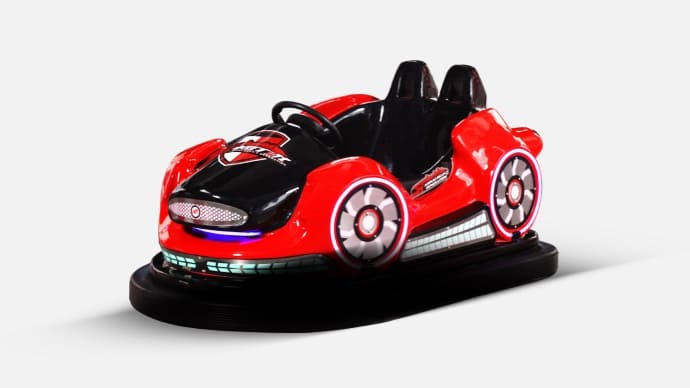
Preston & Barbieri Mini Bumper Cars: Ideal for young children, accommodating up to two kids per car, with customizable themes and LED lighting.
6. How Do I Set Up a Bumper Car Ride at Home?
Setting up a bumper car ride requires:
Adequate Space: A flat, open area of approximately 20 feet by 20 feet is recommended for a small bumper car ride.
Safety Precautions: Remove obstacles, ensure the ground is level, and set up safety barriers to define the riding area.
Power Supply: Ensure a reliable power source for charging the car's battery.
Supervision: Always supervise children during the ride and establish clear guidelines for safe play.
7. What Are the Benefits of Kids' Bumper Cars?
Kids' bumper cars offer several advantages:
Physical Activity: Encourages movement and coordination.
Social Interaction: Promotes sharing and cooperative play.
Confidence Building: Allows children to experience a sense of independence and control.
Fun and Entertainment: Provides hours of enjoyment and excitement.
8. How Do I Choose the Right Kids' Bumper Car for My Child?
Consider the following factors:
Age and Size: Ensure the car is appropriate for your child's age and weight.
Safety Features: Look for essential safety features as mentioned earlier.
Quality and Durability: Opt for cars made from high-quality materials that can withstand regular use.
User Reviews: Read reviews from other parents to gauge satisfaction and potential issues.
Budget: Determine your budget and find a car that offers the best value within that range.
Conclusion: Why Choose ANCHI Amusement's Kids' Bumper Cars?
ANCHI Amusement offers a range of high-quality kids' bumper cars designed with safety, durability, and fun in mind. Their products feature soft bumpers, reliable safety belts, and are constructed from non-toxic materials. With customizable options and a focus on user-friendly controls, ANCHI Amusement ensures an enjoyable and secure experience for children of all ages.
For more information on ANCHI Amusement's products, visit their official website.
Sources:
Radio Flyer Classic Bumper Car:
XJD 12V Bumper Car:
Bumpeez Dino Bumper Car:
Preston & Barbieri Mini Bumper Cars:
Setting Up a Bumper Car Ride:
ANCHI Amusement's Kids' Bumper Cars: ((https://www.anchiamusement.com/product-tag/mini-bumper-cars-for-kids.html))
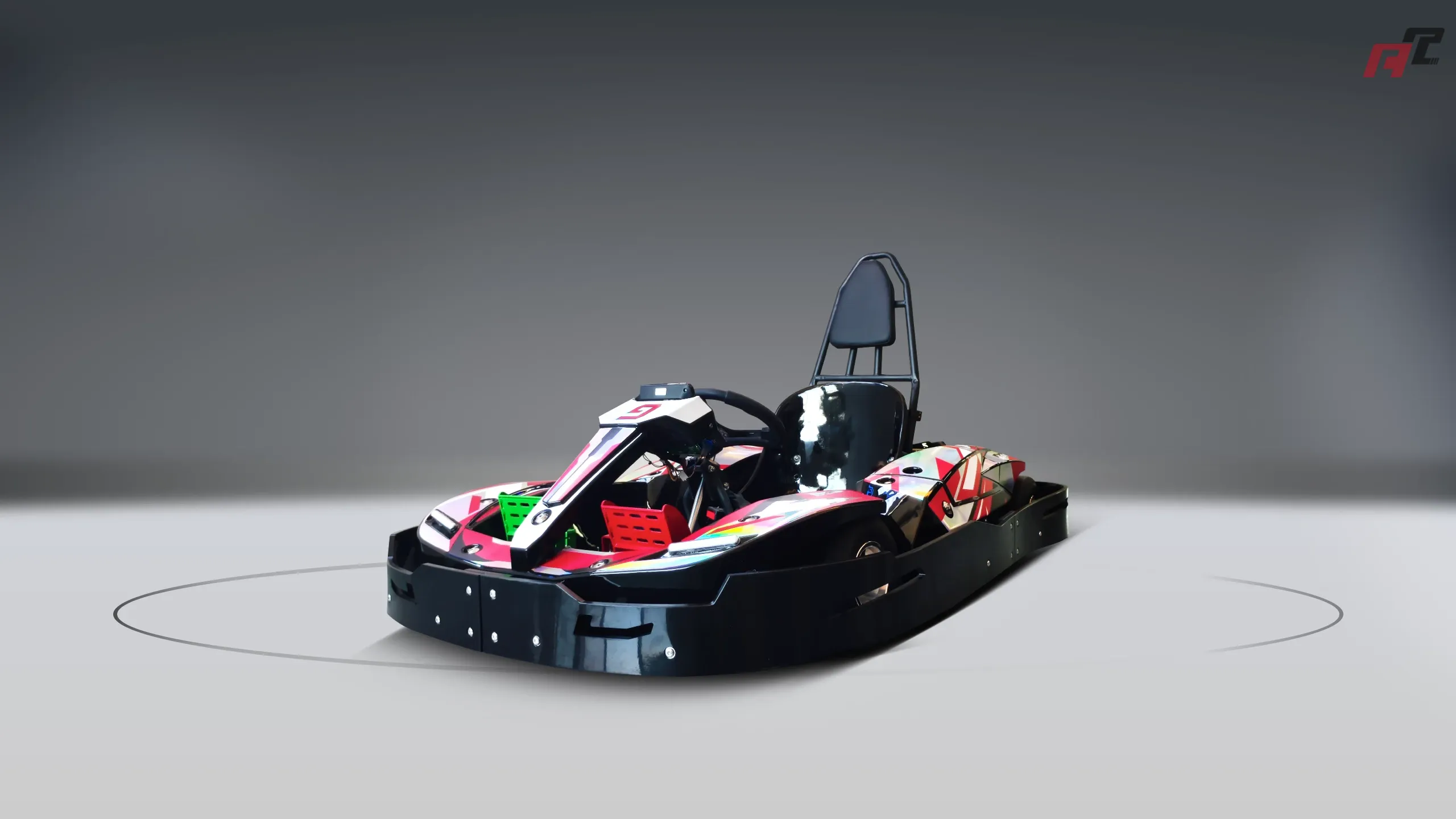
Cyclone RS 2025 1200W Electric Go-kart for Home Entertainment Centers
The Cyclone RS 2025 is a high-performance electric ride-on car designed for thrill-seekers, entertainment centers, and commercial amusement businesses. Built with a durable ABS body and reinforced metal chassis, it combines strength, safety, and speed for a superior driving experience. With a 1200W mid-mounted motor (peaking at 3600W), advanced control system, and long-lasting 72V20AH LiFePO₄ battery, this ride ensures both powerful performance and reliability.
Whether for amusement parks, game zones, rental businesses, or personal recreational use, the Cyclone RS 2025 delivers unmatched excitement and durability.
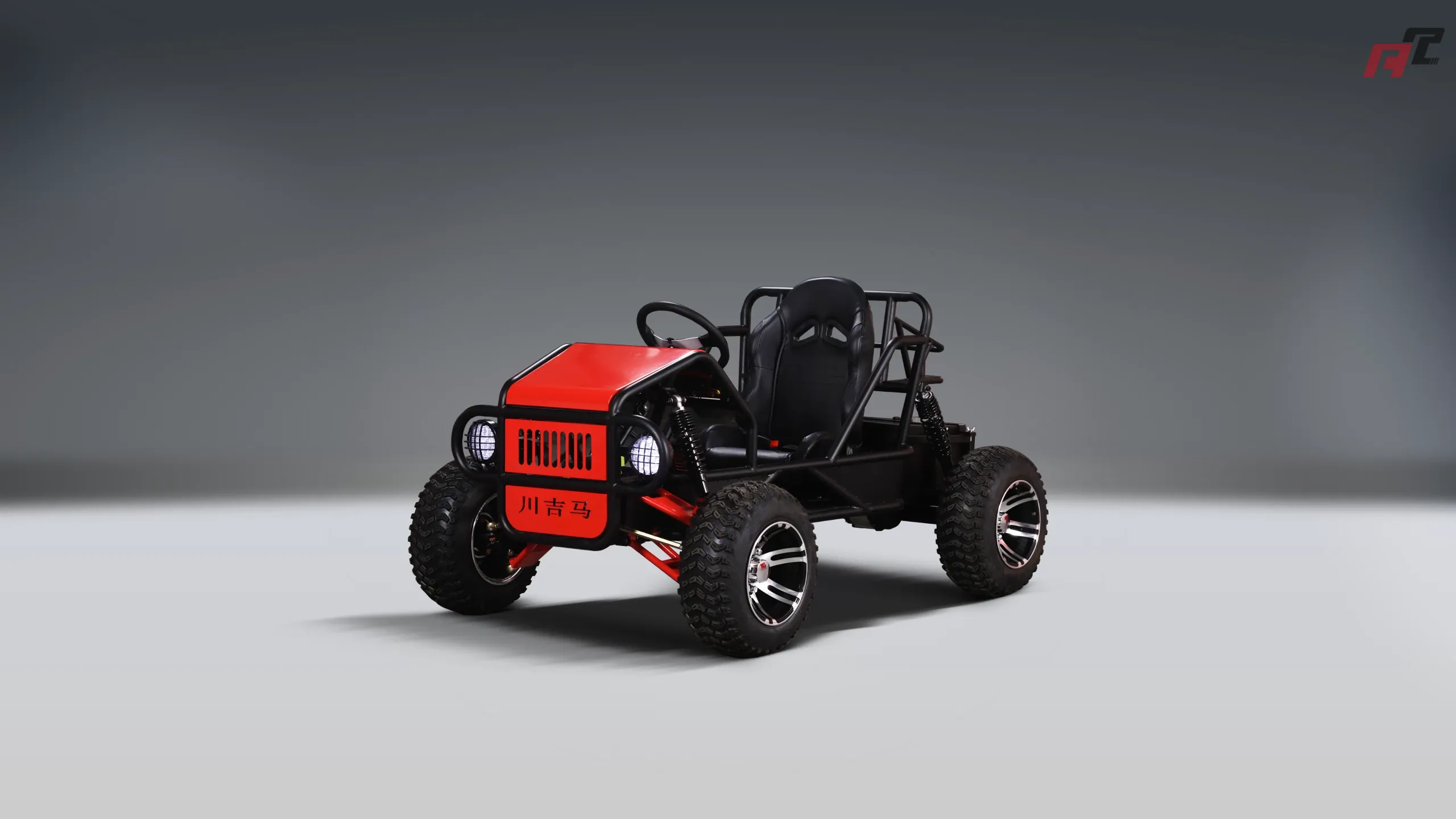
Kids Electric Off Roads One-seater ATV
Discover adventure with the ANCHI Kids Electric One-seater ATV, the perfect electric off-road experience for young explorers. Designed for safety and performance, this electric off-road go kart for kids offers unmatched thrills on any terrain. Its durable build and easy-to-use controls ensure a fun and safe ride. Ideal for budding adventurers, this ATV promises endless excitement. Explore the world with confidence with ANCHI’s innovative electric off-road solutions for kids.
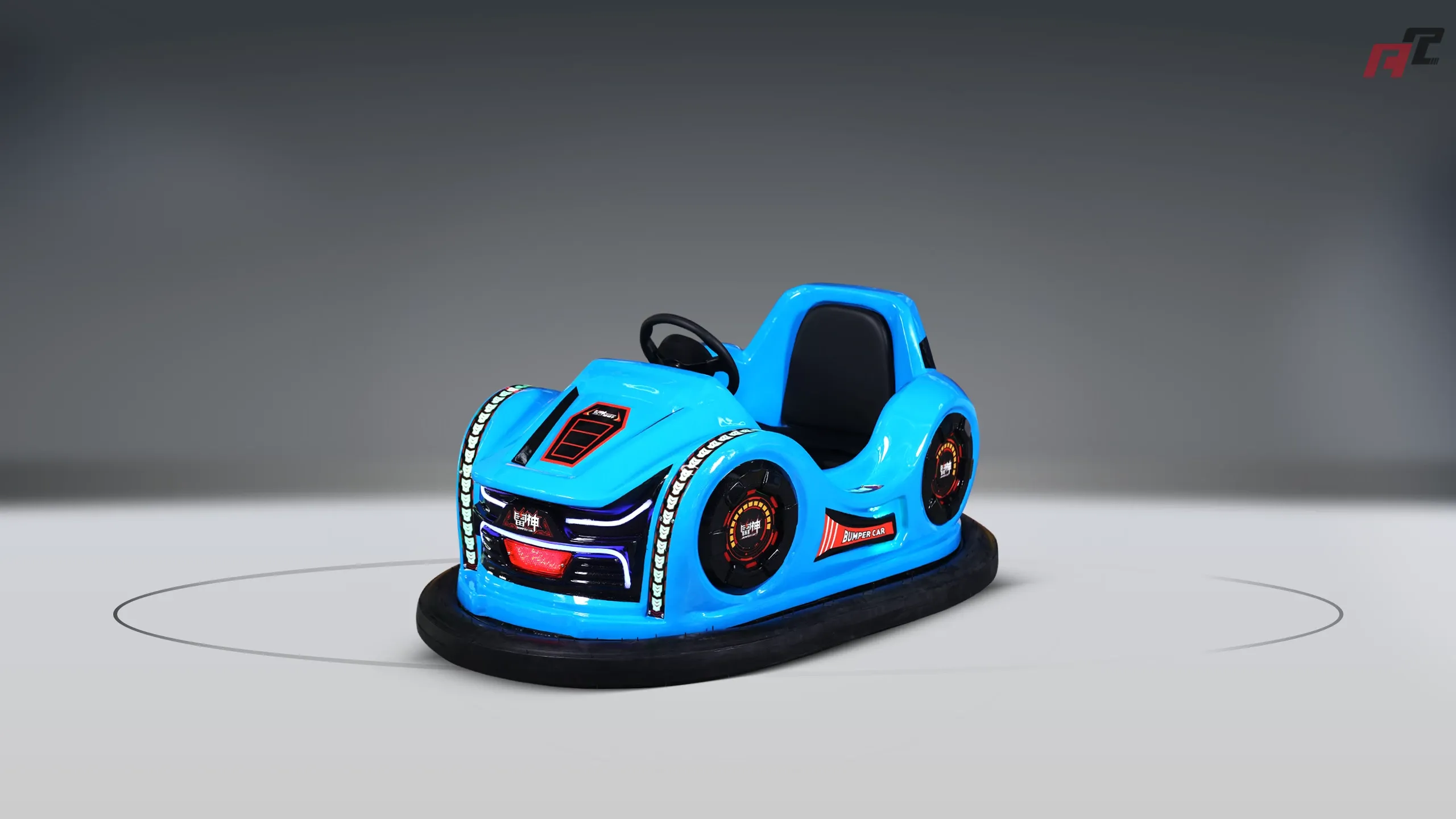
Battery Drift Bumper Car With inflatable tyre
The Battery Drift Bumper Car with Inflatable Tire with 650W steel gear motor, and high quality battery wich can becharged outside the car, the bumper car is ideal for amusement parks, family entertainment centers, build quality for safe, long-lasting fun.
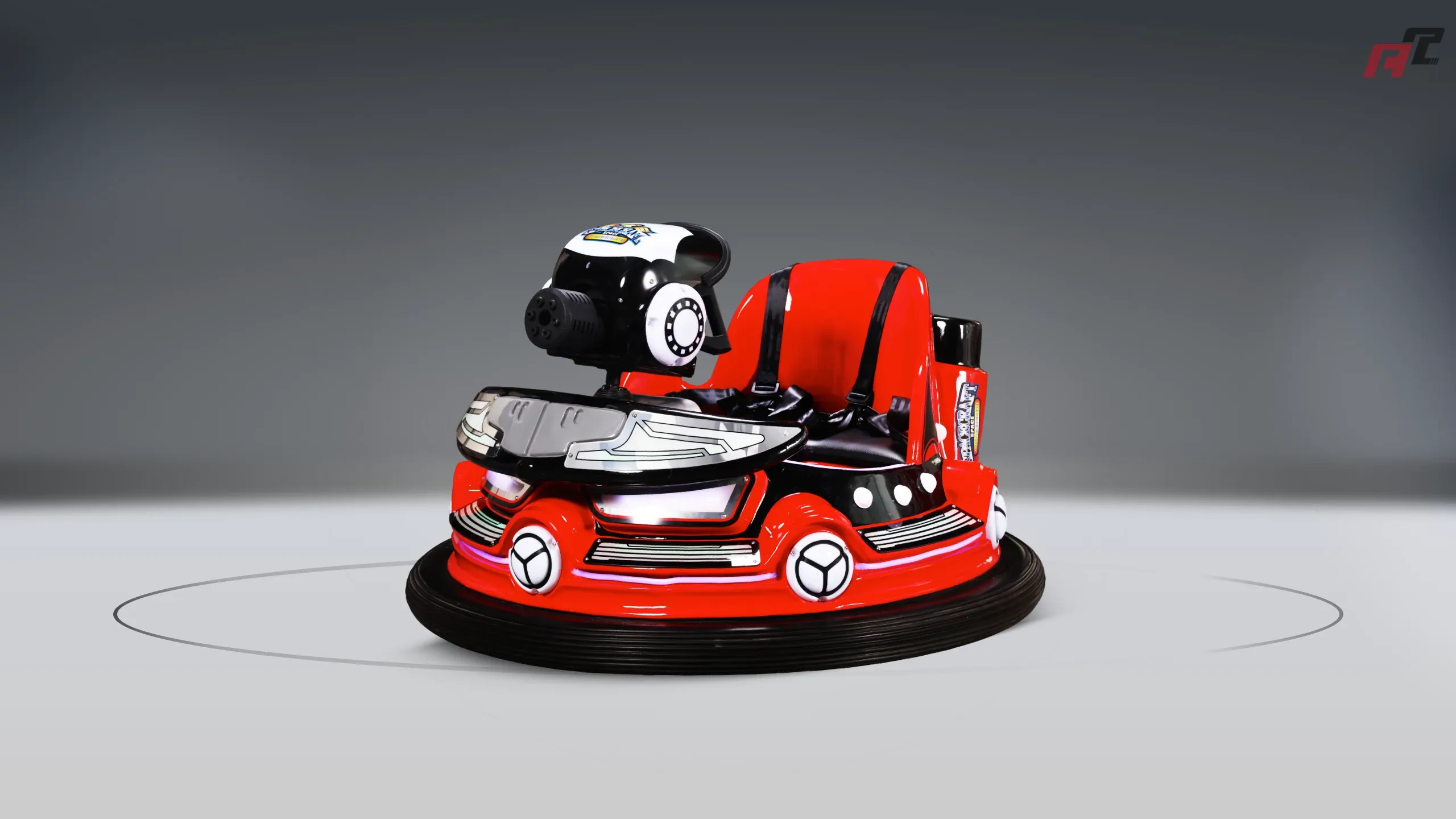
Spaceship Laser Battle Bumper Car
Discover the future of fun with the ANCHI Spaceship Laser Battle Bumper Car! Designed for thrill-seekers, this kids bumper car offers an exhilarating laser battle experience. Parents and children alike will enjoy hours of safe, exciting play. Ideal for parties or everyday fun, it combines durability with innovative technology.


