








What electrical safety standards apply to electric go karts?
Explore key safety standards and considerations for purchasing electric go karts, including compliance with ASTM and ISO regulations, battery types, performance metrics, and environmental impact.
Electric go karts have gained popularity for their eco-friendly nature and thrilling experience. When considering the purchase of an electric go kart, it's crucial to understand the safety standards and features that ensure a secure and enjoyable ride.
What Electrical Safety Standards Apply to Electric Go Karts?
Electric go karts must adhere to specific safety standards to ensure rider protection and vehicle reliability. Key standards include:
ASTM F963: This standard outlines safety requirements for amusement rides, including go karts, covering aspects like structural integrity and electrical safety.
ISO 25194: This international standard specifies safety requirements for electrically powered go karts, focusing on electrical systems and operational safety.
UL 2272: This standard addresses the safety of electrical systems for personal e-mobility devices, ensuring protection against fire and electrical hazards.
What Are the Key Safety Features to Look for in Electric Go Karts?
When evaluating electric go karts, consider the following safety features:
Seat Belts and Harnesses: Ensure the kart is equipped with reliable seat belts or harnesses to secure the rider during operation.
Roll Bars or Cages: These structures provide protection in the event of a rollover, safeguarding the rider from injury.
Braking Systems: Effective braking systems, including regenerative braking, are essential for quick and safe stops.
Lighting and Reflectors: Proper lighting enhances visibility, especially in low-light conditions, reducing the risk of collisions.
Tire Quality and Suspension: High-quality tires and a robust suspension system contribute to stability and control, enhancing rider safety.
How Do Battery Types Affect the Performance and Safety of Electric Go Karts?
The choice of battery significantly influences the performance, safety, and maintenance of electric go karts. Common battery types include:
Sealed Lead-Acid (SLA) Batteries: These are heavier and require periodic maintenance but are cost-effective. They typically offer a runtime of 30–60 minutes, depending on usage.
Lithium-Ion Batteries: Lighter and more efficient, these batteries provide longer runtimes (45–120 minutes) and require less maintenance. They also improve handling due to reduced weight.
It's essential to choose a battery type that aligns with your performance needs and maintenance capabilities.
What Performance Metrics Should Be Considered When Purchasing an Electric Go Kart?
Key performance metrics to evaluate include:
Top Speed: Ensure the kart's maximum speed is appropriate for the rider's age and skill level.
Acceleration: Quick acceleration enhances the racing experience but should be manageable for the rider.
Battery Life and Charging Time: Consider the duration the kart can operate on a single charge and the time required for a full recharge.
Handling and Stability: Assess the kart's responsiveness to steering inputs and its stability during turns and at high speeds.
What Environmental Considerations Should Be Taken into Account?
Electric go karts are more environmentally friendly than their gasoline counterparts, producing zero emissions during operation. When considering environmental impact, think about:
Battery Disposal and Recycling: Proper disposal and recycling of batteries are crucial to minimize environmental harm.
Energy Source for Charging: Charging the kart using renewable energy sources further reduces its carbon footprint.
Manufacturing Practices: Opt for manufacturers committed to sustainable production methods and materials.
How Do Local Regulations Affect the Use of Electric Go Karts?
Regulations governing the use of electric go karts vary by location. Common requirements include:
Age Restrictions: Minimum age requirements for riders, often ranging from 8 to 12 years, depending on the jurisdiction.
Safety Gear: Mandates for helmets, gloves, and other protective equipment.
Insurance: Requirements for liability insurance for operators and venues.
Street Legality: In some areas, electric go karts may be permitted on public roads if they meet specific safety standards and are registered accordingly.
It's essential to consult local laws and regulations to ensure compliance and safe operation.
What Are the Maintenance Requirements for Electric Go Karts?
Regular maintenance is vital for the longevity and safety of electric go karts. Key maintenance tasks include:
Battery Care: Regularly check battery health, ensure proper charging practices, and monitor for signs of wear.
Brake System Inspection: Periodically inspect and test brakes to ensure they function correctly.
Tire Maintenance: Check tire pressure and tread depth to maintain optimal performance and safety.
Electrical System Checks: Inspect wiring and connections for signs of damage or corrosion.
Adhering to a consistent maintenance schedule helps prevent issues and ensures a safe riding experience.
Why Choose ANCHI Amusement for Your Electric Go Kart Needs?
ANCHI Amusement stands out as a leading manufacturer of electric go karts, offering:
Customization: Tailored solutions to meet specific requirements, including design and branding.
Quality Assurance: Commitment to high-quality materials and adherence to international safety standards.
Comprehensive Support: From venue design to after-sales service, ANCHI provides end-to-end assistance.
Choosing ANCHI Amusement ensures a reliable, safe, and enjoyable electric go kart experience.
By considering these factors, you can make an informed decision when purchasing an electric go kart, ensuring safety, performance, and compliance with relevant standards.
Note: The information provided is based on current industry standards and may vary by region. Always consult local regulations and manufacturers for the most accurate and up-to-date information.
Data sources: (https://www.high-per.com/blog/best-48-volt-electric-go-karts-industry-standards/), (https://www.anchiamusement.com/best-electric-go-karts-for-kids-safety-size-guide.html), (https://www.xjd.com/t-are-electric-go-karts-street-legal/), (https://rydertoys.com/blogs/learning-center/safety-first-essential-guidelines-for-riding-electric-go-karts), (https://riiroo.com/blogs/lifestyle/heres-the-safety-features-required-for-a-go-kart-to-be-street-legal), (https://www.diygokarts.com/community/threads/lets-discuss-electric-go-kart-safety.37630/), (https://www.anchiamusement.com/battery-bumper-car-regulations-insurance.html)
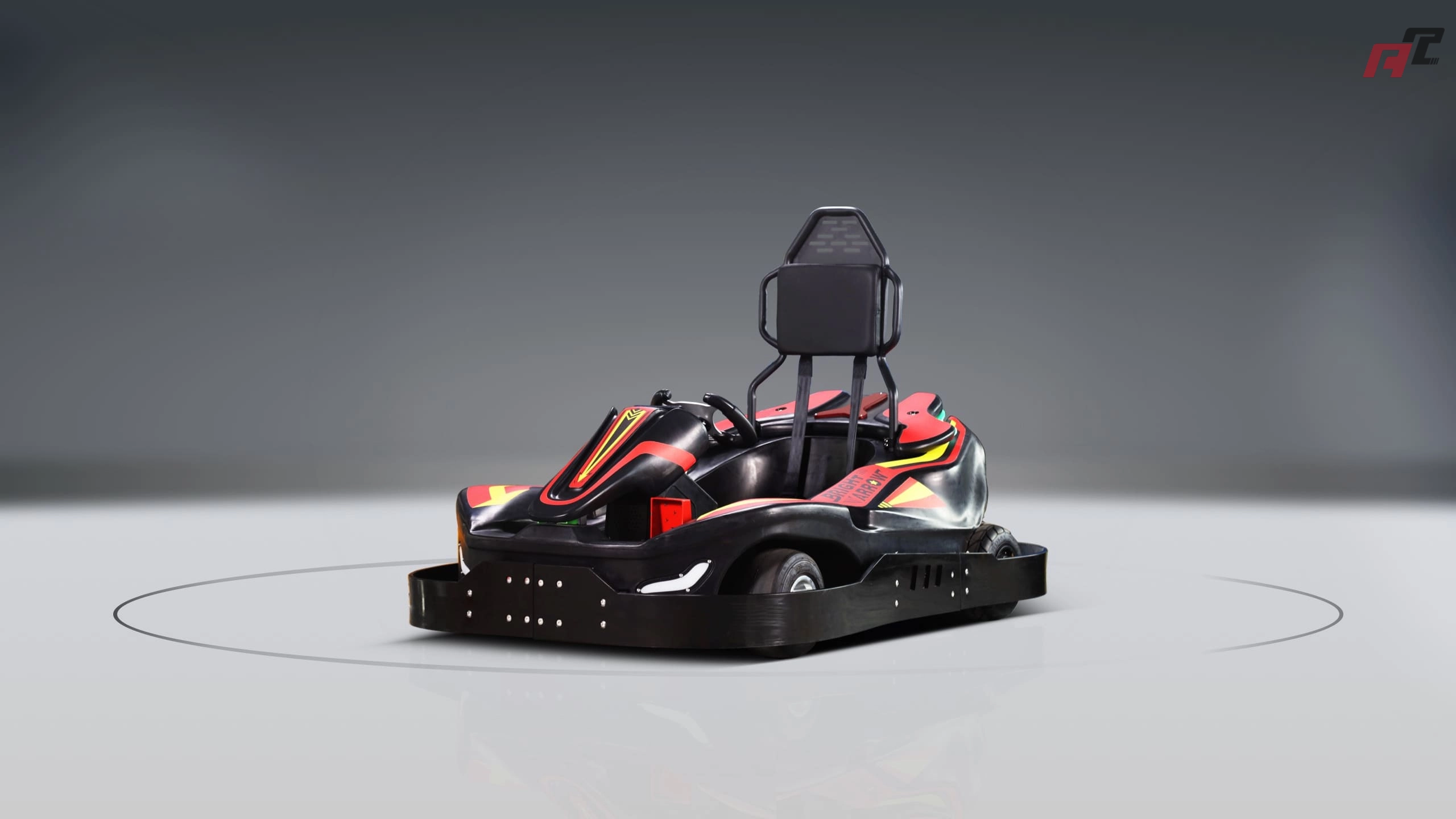
Bright Arrow Electric Go Karts
2024 new model with two powerful hub motors; each motor is 1000 watts with shock absorbers. It has fast-charging iron phosphate lithium that can be cycled 2000 times. It has three speeds. Remote control for starting, checking accounts, and setting volume. LCD dispay for showing speed, battery power, and game time.
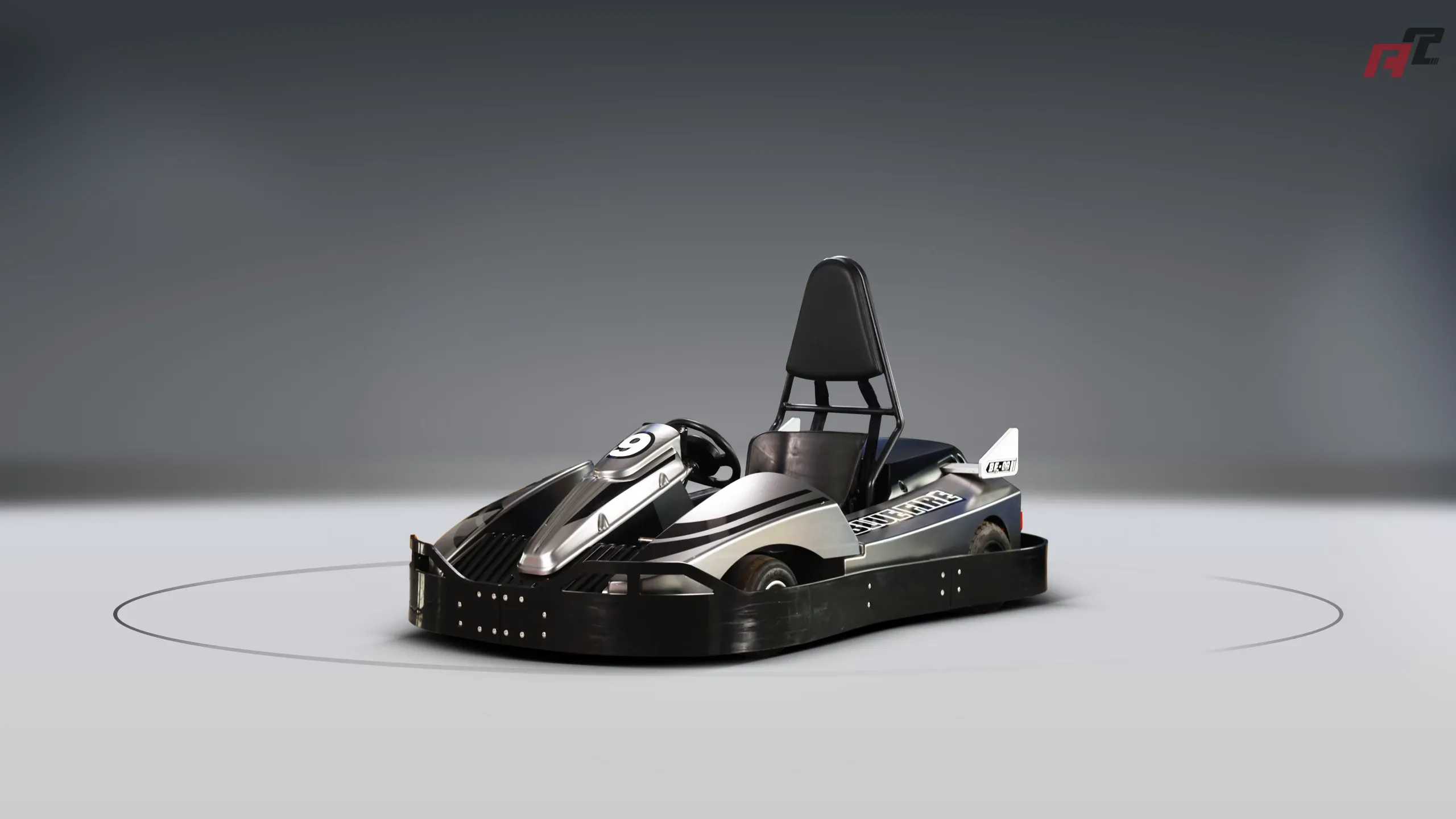
Blue Fire Electric Go Karts
Experience the thrill of speed with ANCHI's Blue Fire Electric Go Karts, perfect for both adults and kids. These high-performance electric go karts deliver unparalleled excitement while ensuring safety and reliability. Ideal for family fun or competitive racing, our electric go karts blend innovation with cutting-edge technology. Explore the future of racing with ANCHI, where performance meets sustainability. Discover more today and rev up your passion for adventure with our premium electric go karts.
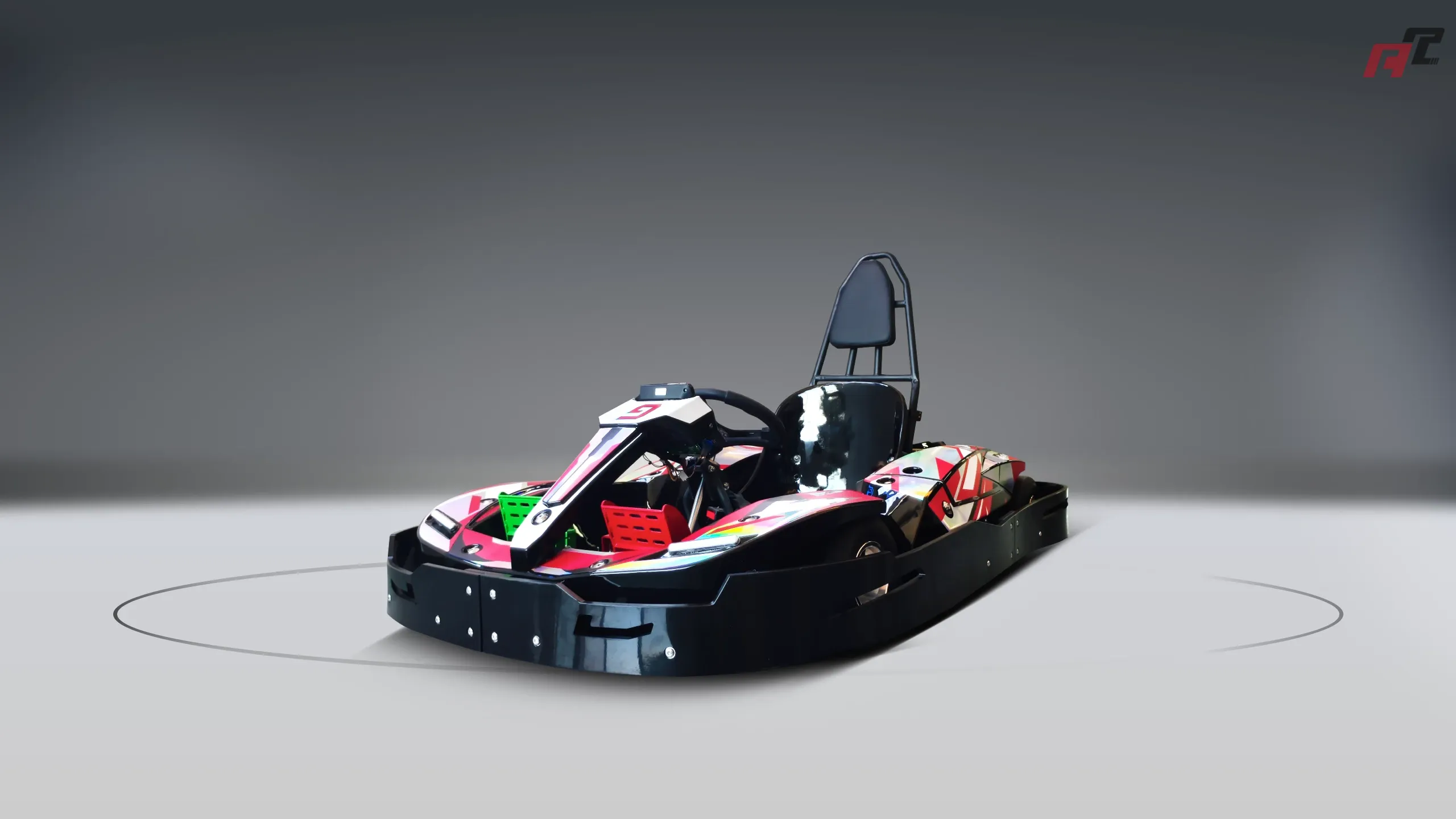
Cyclone RS 2025 1200W Electric Go-kart for Home Entertainment Centers
The Cyclone RS 2025 is a high-performance electric ride-on car designed for thrill-seekers, entertainment centers, and commercial amusement businesses. Built with a durable ABS body and reinforced metal chassis, it combines strength, safety, and speed for a superior driving experience. With a 1200W mid-mounted motor (peaking at 3600W), advanced control system, and long-lasting 72V20AH LiFePO₄ battery, this ride ensures both powerful performance and reliability.
Whether for amusement parks, game zones, rental businesses, or personal recreational use, the Cyclone RS 2025 delivers unmatched excitement and durability.
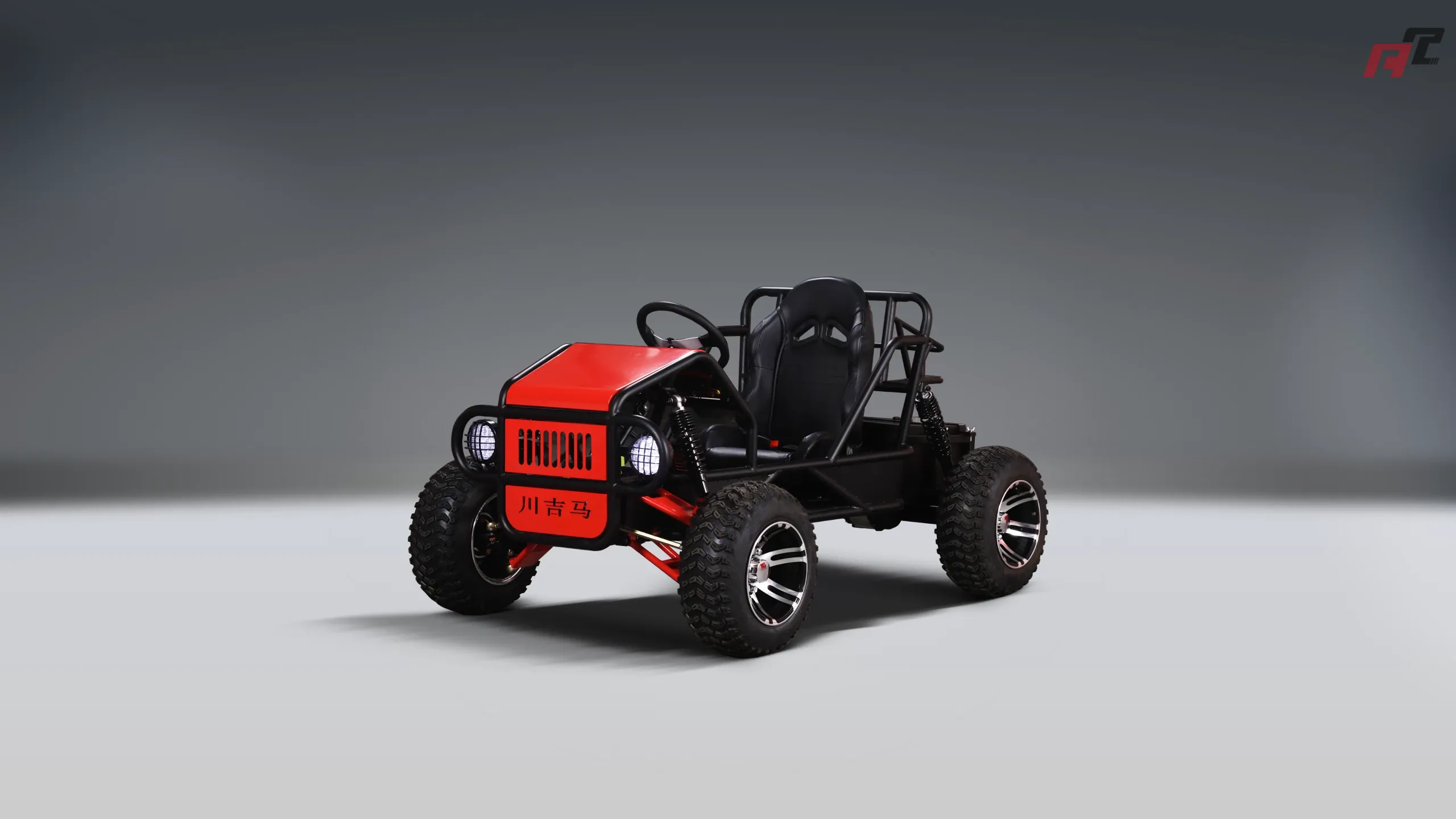
Kids Electric Off Roads One-seater ATV
Discover adventure with the ANCHI Kids Electric One-seater ATV, the perfect electric off-road experience for young explorers. Designed for safety and performance, this electric off-road go kart for kids offers unmatched thrills on any terrain. Its durable build and easy-to-use controls ensure a fun and safe ride. Ideal for budding adventurers, this ATV promises endless excitement. Explore the world with confidence with ANCHI’s innovative electric off-road solutions for kids.


