








How to set procurement specs for passenger restraint systems?
A comprehensive guide for purchasing electric go-karts, covering essential specifications, safety features, and procurement strategies to ensure optimal performance and value.
As the demand for electric go-karts continues to rise, understanding the key considerations for procurement is essential for businesses aiming to offer a thrilling and safe experience to their customers. This guide addresses common questions and provides insights into selecting the right electric go-karts for your needs.
Key Considerations for Procuring Electric Go Karts
1. What are the essential technical specifications to consider when purchasing electric go-karts?
When evaluating electric go-karts, focus on the following technical specifications:
Motor Power: Typically ranging from 1,000W to 3,000W, motor power influences acceleration and top speed. Higher wattage offers better performance but may increase energy consumption.
Battery Capacity and Type: Lithium-ion batteries are preferred for their longer lifespan and faster charging times compared to lead-acid batteries. A capacity of 20Ah or more is recommended for extended runtime.
Frame Material: Steel frames provide strength and durability, while aluminum frames are lighter and resistant to corrosion.
Safety Features: Ensure the karts are equipped with seat belts, roll bars or cages, and electronic braking systems to enhance rider safety.
Weight Capacity: Verify that the karts can accommodate the weight of intended riders, typically supporting between 150–300 lbs.
2. How do battery type and capacity impact the performance and operational costs of electric go-karts?
Battery type and capacity significantly affect both performance and operational expenses:
Performance: Lithium-ion batteries offer higher energy density, resulting in longer operational times and faster charging. A 20Ah battery typically supports 1–2 hours of continuous operation under normal conditions.
Operational Costs: Lithium-ion batteries reduce energy costs by approximately 40% compared to lead-acid batteries and have a longer lifespan, reducing the frequency of replacements.
3. What safety certifications should be verified when procuring electric go-karts?
Ensure that the electric go-karts meet the following safety certifications:
EN 17128:2020: Specifies safety requirements for electrically powered ride-on vehicles.
IEC 62133: Pertains to the safety of portable sealed secondary cells and batteries.
IP54 Rating: Indicates protection against dust and water ingress, suitable for outdoor use.
UL 2272: For operators in the U.S., this certification ensures electrical systems are safe.
4. What are the typical lead times and minimum order quantities (MOQs) for electric go-karts?
Lead times and MOQs vary among manufacturers:
Lead Times: Standard models typically have lead times of 25–35 days, while customized orders may take 45–60 days.
MOQs: Standard MOQs range from 50–200 units for bespoke designs. Some suppliers offer lower thresholds (20–30 units) for clients sharing mold costs.
5. How do lithium batteries impact operational costs and performance in electric go-karts?
Lithium batteries offer several advantages:
Cost Efficiency: They reduce energy costs by approximately 40% compared to lead-acid batteries and have a longer lifespan, reducing the frequency of replacements.
Performance: Lithium batteries provide faster charging times and maintain a higher capacity over more charge cycles, ensuring consistent performance.
6. What warranty terms are standard for commercial electric go-karts?
Industry-standard warranties typically include:
Structural Components: 24 months.
Electronics: 12 months.
Batteries: 6 months.
Pro-rated warranties after the initial period are becoming common.
7. Can electric go-kart kits be customized for branding and specific operational needs?
Many manufacturers offer customization options, including:
Color Schemes and Decals: Custom colors and logos can be applied, often at no additional cost for orders exceeding 50 units.
Frame Modifications: Some suppliers provide frame modifications for unique track requirements, typically involving engineering fees for prototype development.
8. How do regenerative braking systems enhance the performance and efficiency of electric go-karts?
Regenerative braking systems convert kinetic energy back into electrical energy, which is stored in the battery. This process:
Improves Efficiency: Extends battery life and reduces energy consumption.
Enhances Performance: Provides smoother deceleration and reduces wear on mechanical brake components.
Incorporating regenerative braking contributes to the overall sustainability and cost-effectiveness of electric go-kart operations.
9. What are the advantages of choosing ANCHI Amusement for electric go-kart procurement?
ANCHI Amusement stands out as a trusted manufacturer offering:
Comprehensive Services: Providing custom manufacturing, venue design, production, sales, and after-sales service.
Diverse Product Range: Offering adult karts, youth karts, children’s karts, and related amusement vehicles.
Expertise: With over 5,000 square meters of production space and a team of 30+ skilled technicians, ANCHI ensures high-quality products and services.
Choosing ANCHI Amusement ensures a reliable partnership for your electric go-kart procurement needs.
By addressing these key considerations, businesses can make informed decisions when procuring electric go-karts, ensuring safety, performance, and value for their customers.
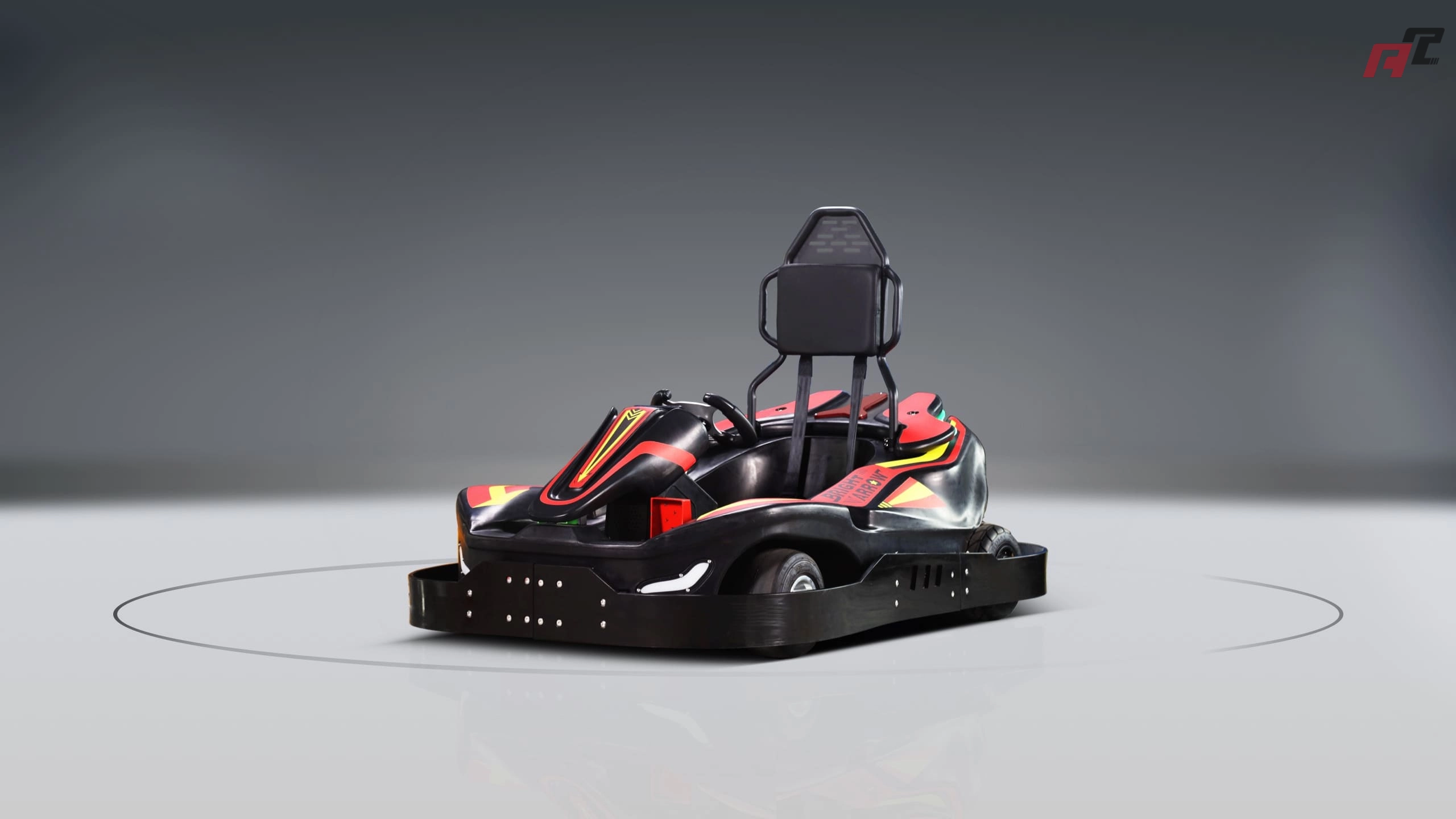
Bright Arrow Electric Go Karts
2024 new model with two powerful hub motors; each motor is 1000 watts with shock absorbers. It has fast-charging iron phosphate lithium that can be cycled 2000 times. It has three speeds. Remote control for starting, checking accounts, and setting volume. LCD dispay for showing speed, battery power, and game time.
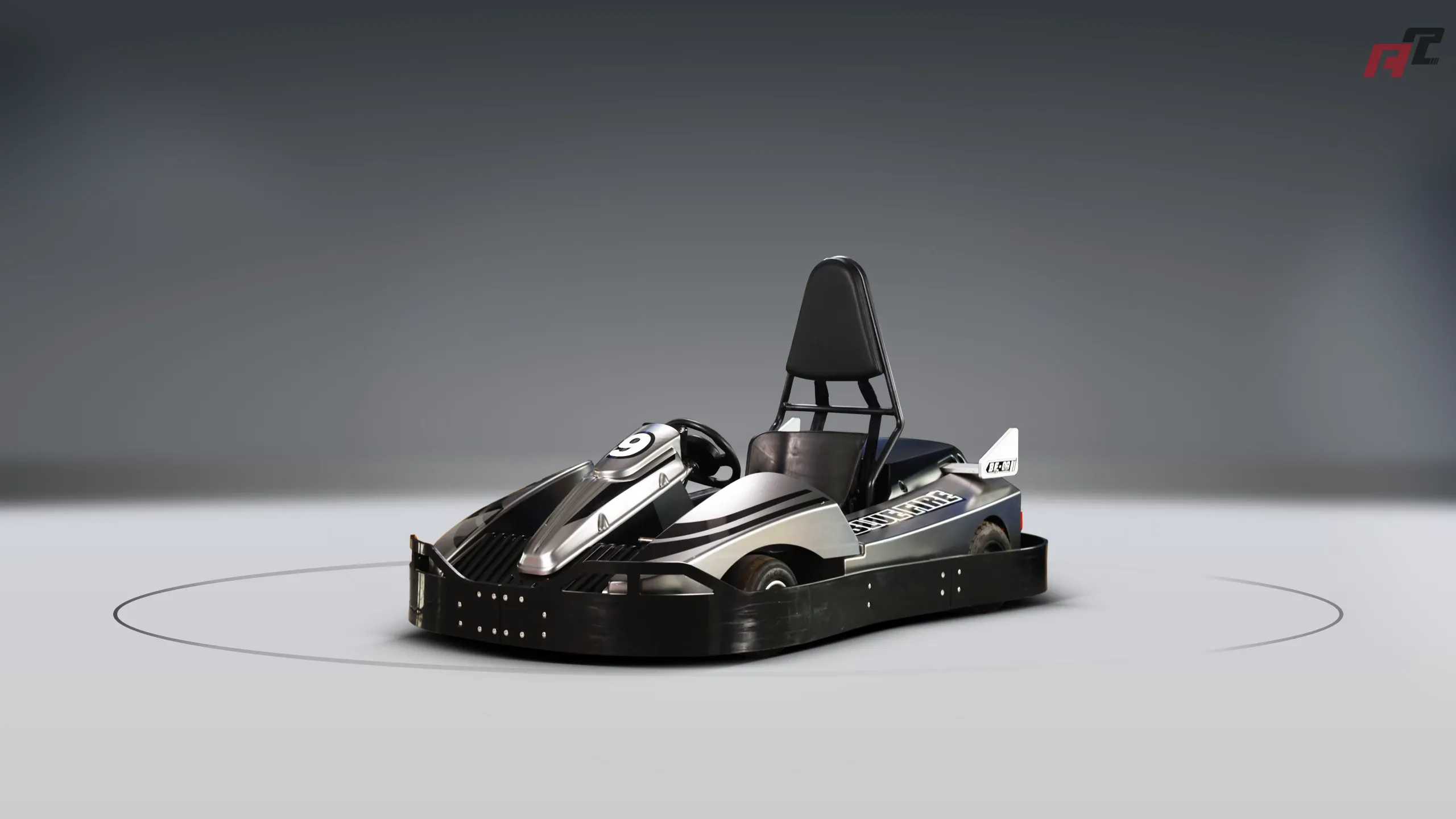
Blue Fire Electric Go Karts
Experience the thrill of speed with ANCHI's Blue Fire Electric Go Karts, perfect for both adults and kids. These high-performance electric go karts deliver unparalleled excitement while ensuring safety and reliability. Ideal for family fun or competitive racing, our electric go karts blend innovation with cutting-edge technology. Explore the future of racing with ANCHI, where performance meets sustainability. Discover more today and rev up your passion for adventure with our premium electric go karts.
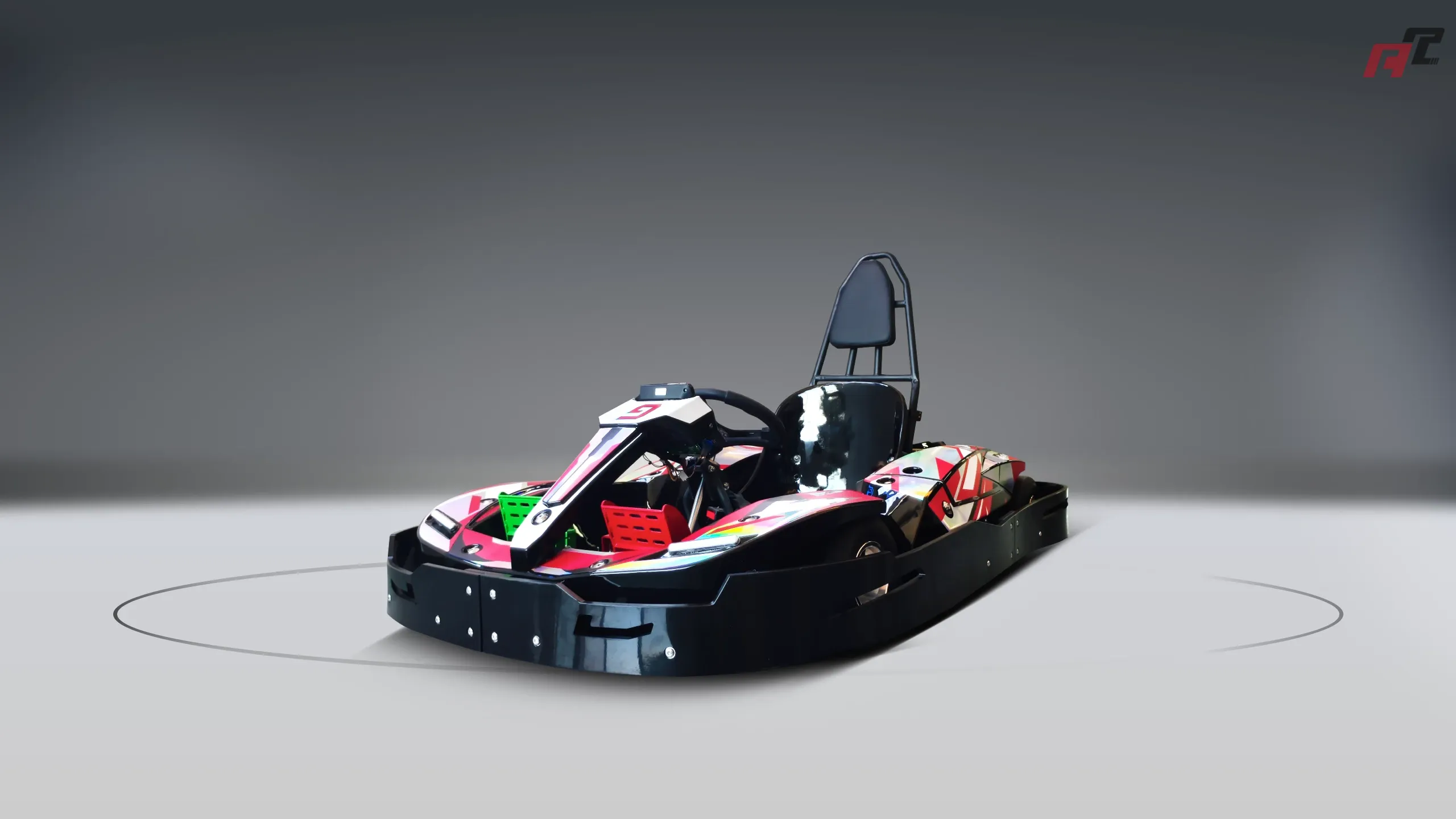
Cyclone RS 2025 1200W Electric Go-kart for Home Entertainment Centers
The Cyclone RS 2025 is a high-performance electric ride-on car designed for thrill-seekers, entertainment centers, and commercial amusement businesses. Built with a durable ABS body and reinforced metal chassis, it combines strength, safety, and speed for a superior driving experience. With a 1200W mid-mounted motor (peaking at 3600W), advanced control system, and long-lasting 72V20AH LiFePO₄ battery, this ride ensures both powerful performance and reliability.
Whether for amusement parks, game zones, rental businesses, or personal recreational use, the Cyclone RS 2025 delivers unmatched excitement and durability.
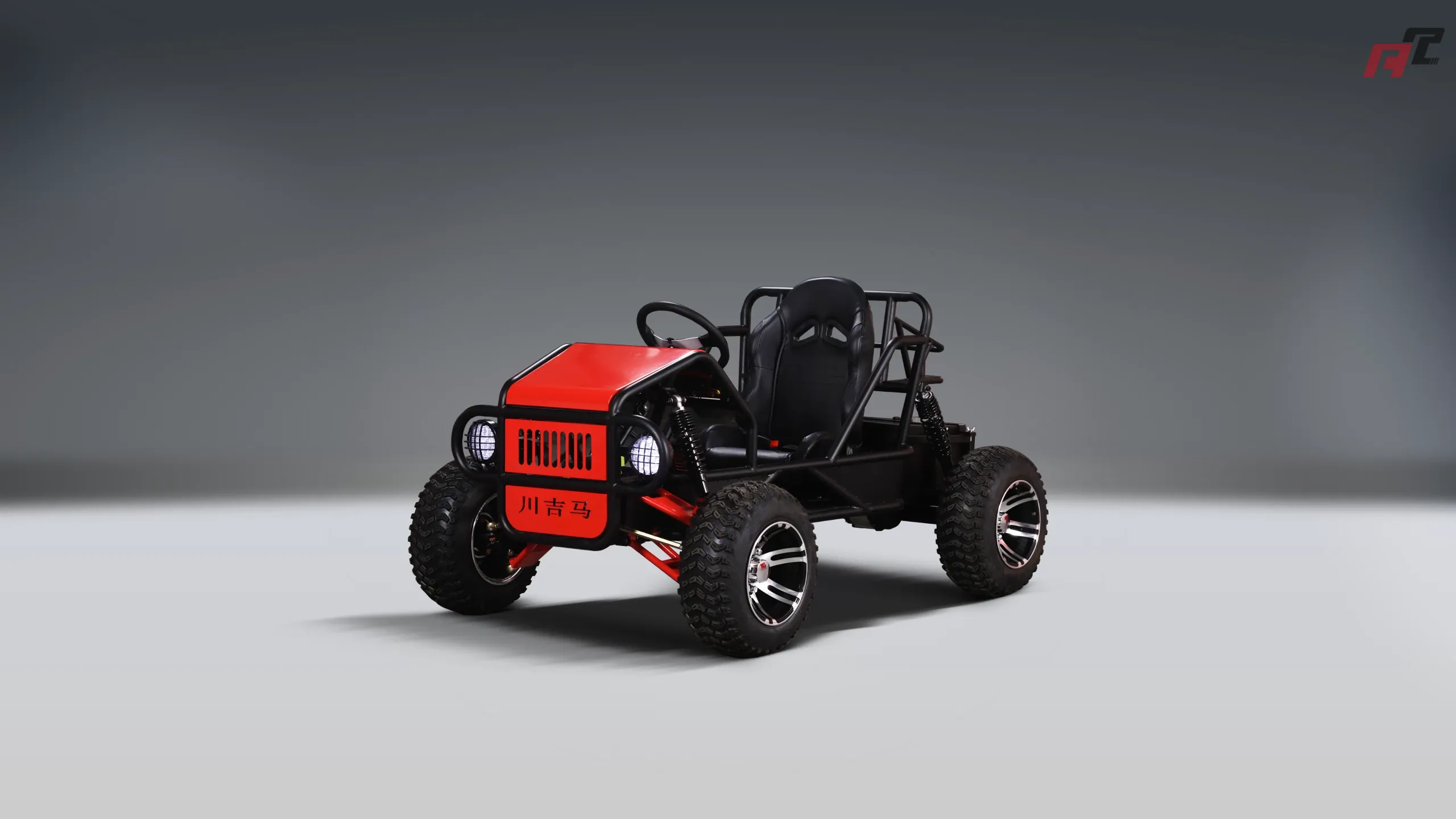
Kids Electric Off Roads One-seater ATV
Discover adventure with the ANCHI Kids Electric One-seater ATV, the perfect electric off-road experience for young explorers. Designed for safety and performance, this electric off-road go kart for kids offers unmatched thrills on any terrain. Its durable build and easy-to-use controls ensure a fun and safe ride. Ideal for budding adventurers, this ATV promises endless excitement. Explore the world with confidence with ANCHI’s innovative electric off-road solutions for kids.


