








How to benchmark electric go kart performance across vendors?
Explore key considerations for benchmarking electric go-kart performance across vendors, including speed, battery life, handling, and safety features.
Electric go-karts have revolutionized the racing experience, offering eco-friendly, low-maintenance alternatives to traditional gas-powered karts. When evaluating electric go-karts from various vendors, it's essential to benchmark their performance across several critical factors to ensure optimal choice.
Key Considerations for Benchmarking Electric Go-Kart Performance
1. What are the typical performance specifications of electric go-karts?
Electric go-karts vary in performance based on their intended use:
Commercial Rental Karts: Top speeds range from 40–70 km/h (25–45 mph), powered by motors between 6–20 kW, and equipped with batteries of 2–6 kWh capacity. These karts are designed for durability and consistent performance during frequent use. ((https://www.anchiamusement.com/top-electric-go-karts-2025.html))
Family & Leisure Karts: These models typically reach speeds of 25–50 km/h (15–30 mph), with motor power between 3–10 kW and battery capacities of 1–3 kWh. They emphasize comfort and ease of use for a broad age range. ((https://www.anchiamusement.com/top-electric-go-karts-2025.html))
Youth & Junior Karts: Designed for younger drivers, these karts have top speeds of 20–35 km/h (12–22 mph), motors ranging from 1–4 kW, and batteries of 0.5–1.5 kWh. Safety and driver development are primary focuses. ((https://www.anchiamusement.com/top-electric-go-karts-2025.html))
2. How do electric go-karts compare to gas-powered karts in terms of performance?
Electric go-karts offer several advantages over their gas-powered counterparts:
Instant Torque and Acceleration: Electric motors provide immediate torque, resulting in quicker acceleration and smoother handling.
Quieter Operation: Electric karts operate more quietly, reducing noise pollution and allowing for indoor racing and operation in noise-sensitive areas.
Lower Maintenance Costs: With fewer moving parts and no need for fuel, electric karts generally require less maintenance, leading to cost savings over time.
3. What are the key safety features to consider when benchmarking electric go-karts?
Safety is paramount in go-karting. When evaluating electric go-karts, consider the following features:
Speed Limiters: Ensure the kart has adjustable speed settings to accommodate different skill levels and age groups.
Durable Frames and Roll Bars: A robust chassis with roll bars provides protection in the event of a collision.
Advanced Braking Systems: Regenerative braking systems not only enhance safety but also improve energy efficiency.
4. How does battery life and charging time impact the performance of electric go-karts?
Battery performance is crucial for uninterrupted racing:
Battery Life: Depending on the kart's design and usage, battery life can range from 30 minutes to several hours. For instance, commercial rental karts often feature batteries that support 1.5–4 hours of intermittent laps. ((https://www.anchiamusement.com/top-electric-go-karts-2025.html))
Charging Time: Fast-charging capabilities are essential for minimizing downtime. Some models offer quick recharging options, allowing for rapid turnaround between races.
5. What customization and upgrade options are available for electric go-karts?
Customization can enhance the racing experience:
Adjustable Components: Many electric go-karts come with adjustable seats, steering wheels, and pedals to accommodate various driver sizes and preferences.
Performance Upgrades: Options such as enhanced batteries, motors, and tires can be considered to improve speed, handling, and durability.
6. How do electric go-karts contribute to environmental sustainability?
Electric go-karts offer several environmental benefits:
Zero Emissions: They produce no harmful emissions during operation, contributing to cleaner air and reduced environmental impact.
Energy Efficiency: Electric motors are more efficient than internal combustion engines, converting a higher percentage of energy into motion.
Reduced Noise Pollution: Their quieter operation minimizes noise pollution, making them suitable for urban and indoor environments.
7. What are the cost considerations when purchasing electric go-karts?
While the initial investment in electric go-karts may be higher, they offer long-term cost savings:
Lower Operating Costs: Savings on fuel and maintenance can offset the higher upfront costs over time.
Incentives and Subsidies: Depending on the region, there may be financial incentives for purchasing electric vehicles, including go-karts.
In conclusion, when benchmarking electric go-karts across vendors, it's essential to consider performance specifications, safety features, battery life, customization options, environmental impact, and cost. By thoroughly evaluating these factors, you can make an informed decision that aligns with your racing needs and sustainability goals.
ANCHI Amusement offers a range of electric go-karts that excel in performance, safety, and customization. Their commitment to quality and innovation makes them a leading choice for both commercial and leisure applications.
References:
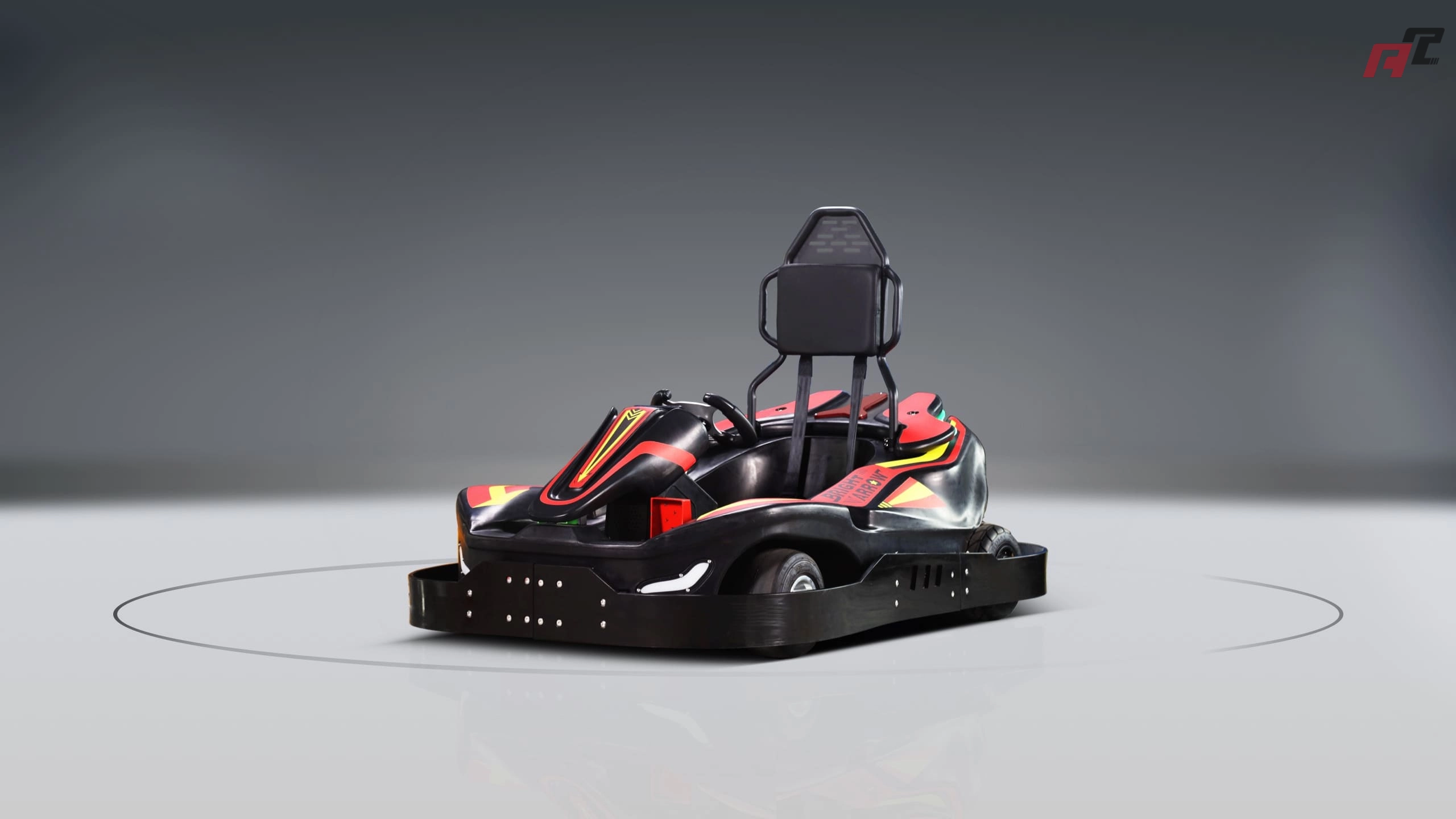
Bright Arrow Electric Go Karts
2024 new model with two powerful hub motors; each motor is 1000 watts with shock absorbers. It has fast-charging iron phosphate lithium that can be cycled 2000 times. It has three speeds. Remote control for starting, checking accounts, and setting volume. LCD dispay for showing speed, battery power, and game time.
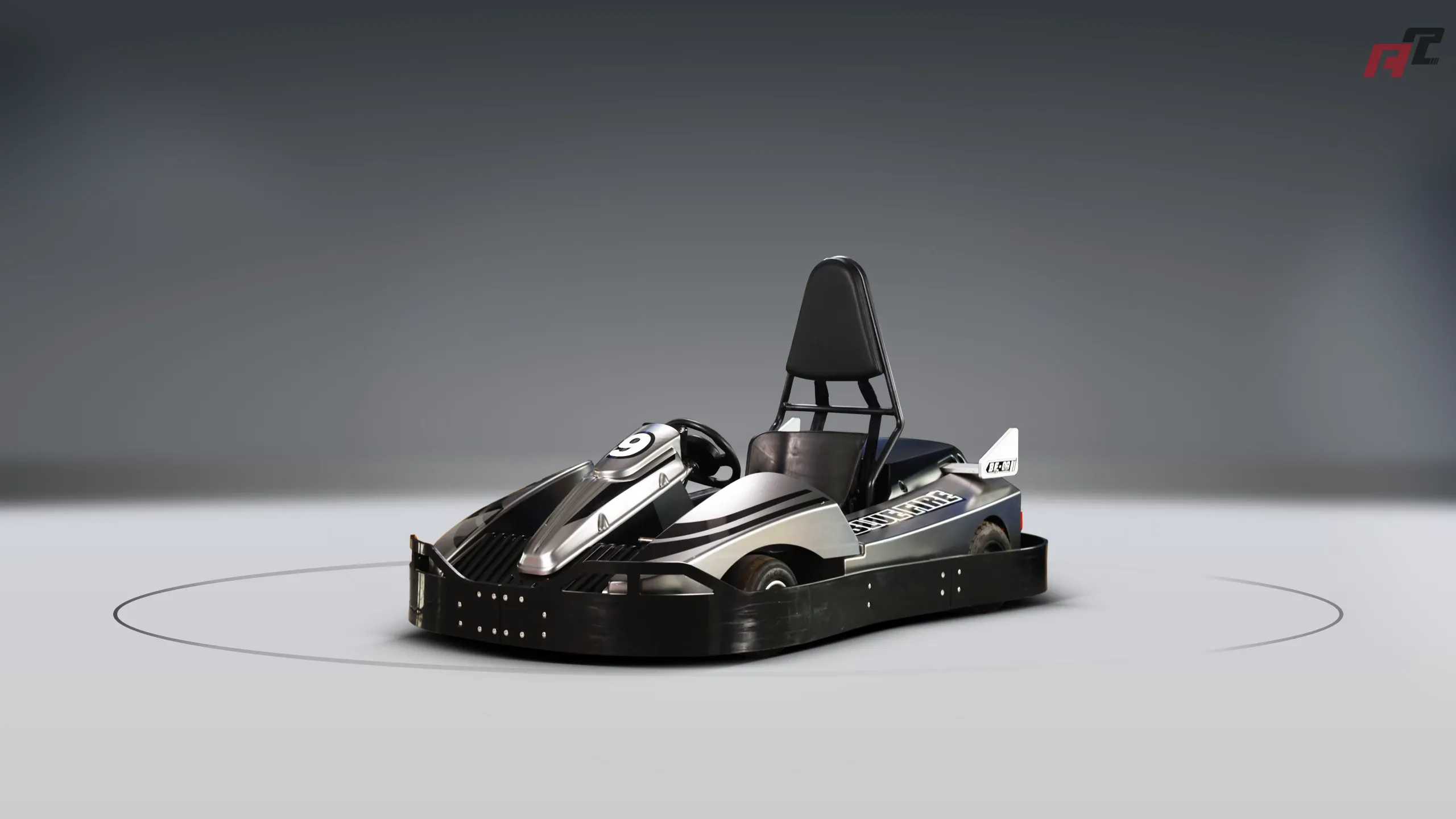
Blue Fire Electric Go Karts
Experience the thrill of speed with ANCHI's Blue Fire Electric Go Karts, perfect for both adults and kids. These high-performance electric go karts deliver unparalleled excitement while ensuring safety and reliability. Ideal for family fun or competitive racing, our electric go karts blend innovation with cutting-edge technology. Explore the future of racing with ANCHI, where performance meets sustainability. Discover more today and rev up your passion for adventure with our premium electric go karts.
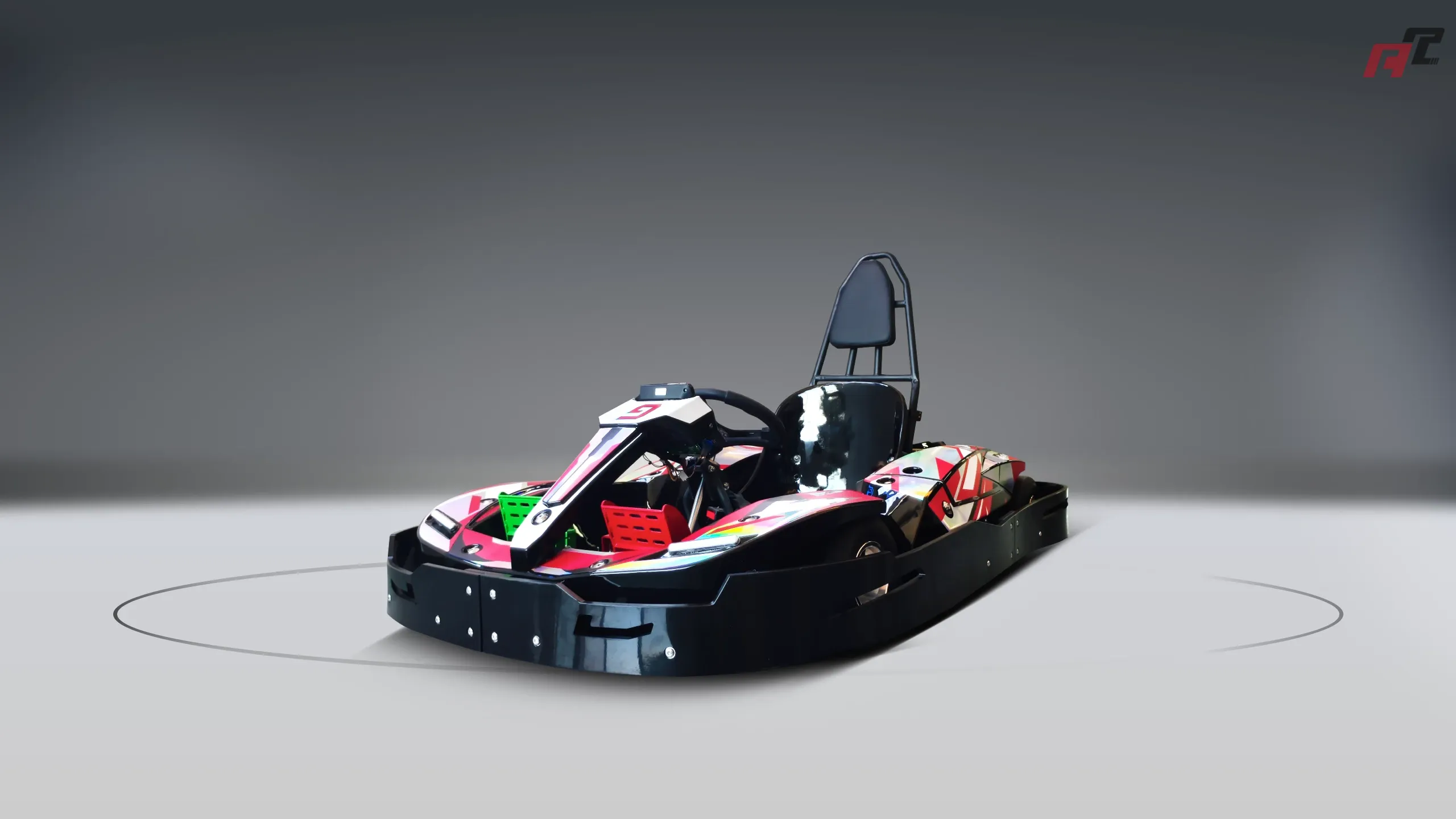
Cyclone RS 2025 1200W Electric Go-kart for Home Entertainment Centers
The Cyclone RS 2025 is a high-performance electric ride-on car designed for thrill-seekers, entertainment centers, and commercial amusement businesses. Built with a durable ABS body and reinforced metal chassis, it combines strength, safety, and speed for a superior driving experience. With a 1200W mid-mounted motor (peaking at 3600W), advanced control system, and long-lasting 72V20AH LiFePO₄ battery, this ride ensures both powerful performance and reliability.
Whether for amusement parks, game zones, rental businesses, or personal recreational use, the Cyclone RS 2025 delivers unmatched excitement and durability.
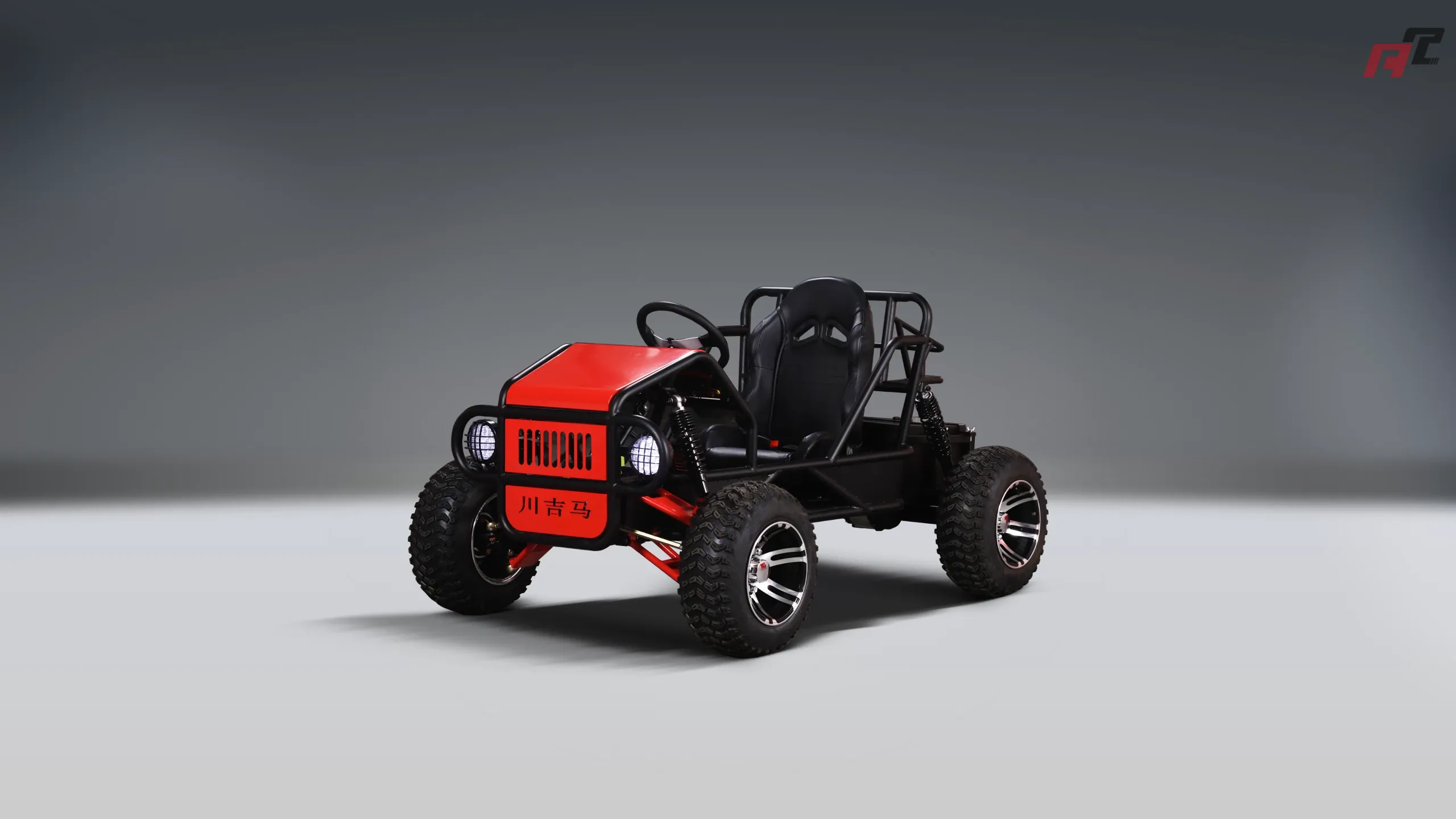
Kids Electric Off Roads One-seater ATV
Discover adventure with the ANCHI Kids Electric One-seater ATV, the perfect electric off-road experience for young explorers. Designed for safety and performance, this electric off-road go kart for kids offers unmatched thrills on any terrain. Its durable build and easy-to-use controls ensure a fun and safe ride. Ideal for budding adventurers, this ATV promises endless excitement. Explore the world with confidence with ANCHI’s innovative electric off-road solutions for kids.


