







How to assess battery lifespan for electric go kart fleets?
Explore key factors affecting electric go-kart battery lifespan, maintenance practices, and how to assess battery health to optimize fleet performance and longevity.
Understanding Electric Go-Kart Battery Lifespan
Electric go-karts are powered by batteries, which are crucial for their performance and longevity. Proper understanding and maintenance of these batteries can significantly enhance the operational efficiency of your fleet. Below are some common questions and answers to guide you in managing your electric go-kart batteries effectively.
1. What are the common types of batteries used in electric go-karts?
Electric go-karts typically utilize three main types of batteries:
Lithium Iron Phosphate (LiFePO₄): Known for their high safety, long life, and stable thermal performance, LiFePO₄ batteries offer 2,000–3,000 charge cycles and have a charging time of 3–6 hours for standard charging. They are recyclable for iron and lithium. ((https://www.anchiamusement.com/electric-go-kart-batteries-charging-lifespan-recycling.html))
Nickel Manganese Cobalt (NMC) / Nickel Cobalt Aluminum (NCA) Lithium-ion: These batteries provide higher energy density and lighter weight, with a lifespan of 1,000–2,000 cycles and a charging time of 2–5 hours for standard charging. Recycling facilities recover materials like nickel, cobalt, and lithium. ((https://www.anchiamusement.com/electric-go-kart-batteries-charging-lifespan-recycling.html))
Sealed Lead-Acid (SLA) / Absorbent Glass Mat (AGM): Offering a lower upfront cost and simple charging, SLA batteries have a shorter lifespan of 300–500 cycles and require 6–12 hours for overnight charging. They have a longstanding recycling network but are heavier and less efficient. ((https://www.anchiamusement.com/electric-go-kart-batteries-charging-lifespan-recycling.html))
2. How can I assess the lifespan of my electric go-kart batteries?
Assessing battery lifespan involves monitoring several key factors:
Charge Cycles: Track the number of full charge and discharge cycles. Most batteries have a limited number of cycles before their capacity diminishes.
State of Charge (SOC): Regularly check the battery's charge level. Avoid deep discharges and overcharging, as they can shorten battery life. ((https://www.anchiamusement.com/electric-go-karts-battery-maintenance.html))
Temperature Conditions: Monitor the operating and storage temperatures. Extreme temperatures can adversely affect battery performance and longevity. ((https://www.anchiamusement.com/electric-go-karts-battery-maintenance.html))
Performance Metrics: Observe any decline in performance, such as reduced runtime or slower acceleration, which may indicate battery degradation.
3. What maintenance practices can extend the lifespan of electric go-kart batteries?
Implementing proper maintenance practices can significantly extend battery life:
Proper Charging: Use chargers compatible with the battery type and avoid overcharging. For lithium batteries, avoid continuous trickle charging. ((https://www.anchiamusement.com/electric-go-karts-battery-maintenance.html))
Avoid Deep Discharges: Refrain from discharging batteries below 20–30% regularly, as deep discharges can shorten battery life. ((https://www.anchiamusement.com/electric-go-karts-battery-maintenance.html))
Temperature Control: Store and charge batteries in a temperature-controlled environment, ideally between 15–25°C (59–77°F), to prevent thermal stress. ((https://www.anchiamusement.com/electric-go-karts-battery-maintenance.html))
Regular Inspections: Conduct routine checks for signs of wear, corrosion, or damage to connectors and wiring. ((https://www.anchiamusement.com/electric-go-karts-battery-maintenance.html))
4. How does driving behavior impact battery lifespan?
Driving habits play a significant role in battery longevity:
Aggressive Driving: Rapid acceleration and hard braking can drain batteries faster and increase wear.
Smooth Operation: Encouraging smooth acceleration and deceleration can help extend battery life.
5. When should I consider replacing the batteries in my electric go-karts?
Consider replacing batteries when:
Reduced Capacity: If the battery's capacity falls below 70–80% of its original value, it may be time for a replacement.
Frequent Failures: If batteries frequently fail to hold a charge or require constant recharging, replacement is advisable.
Age: Batteries that have been in use for several years, especially under heavy usage, may need replacement to maintain optimal performance.
6. How can I optimize the performance of my electric go-kart fleet?
To optimize fleet performance:
Battery Rotation: Implement a rotation schedule to ensure even wear and extend overall fleet lifespan. ((https://www.anchiamusement.com/electric-go-karts-battery-maintenance.html))
Training: Educate operators on efficient driving techniques to minimize battery strain.
Monitoring: Utilize battery management systems (BMS) to monitor battery health and performance metrics in real-time. ((https://www.anchiamusement.com/electric-go-karts-battery-maintenance.html))
7. What are the environmental considerations for electric go-kart batteries?
Environmental considerations include:
Recycling: Ensure batteries are recycled properly to recover valuable materials and reduce environmental impact. ((https://www.anchiamusement.com/electric-go-kart-batteries-charging-lifespan-recycling.html))
Disposal: Follow local regulations for battery disposal to prevent environmental contamination. ((https://www.anchiamusement.com/electric-go-kart-batteries-charging-lifespan-recycling.html))
8. How does ANCHI Amusement support battery maintenance and longevity?
ANCHI Amusement offers comprehensive support for battery maintenance:
Expert Guidance: Provides detailed maintenance tips and best practices to extend battery life. ((https://www.anchiamusement.com/electric-go-karts-battery-maintenance.html))
Quality Products: Supplies high-quality batteries designed for durability and performance.
Customer Support: Offers responsive customer service to assist with any battery-related inquiries or issues.
By understanding these aspects and implementing best practices, you can effectively manage your electric go-kart fleet, ensuring optimal performance and extended battery lifespan.
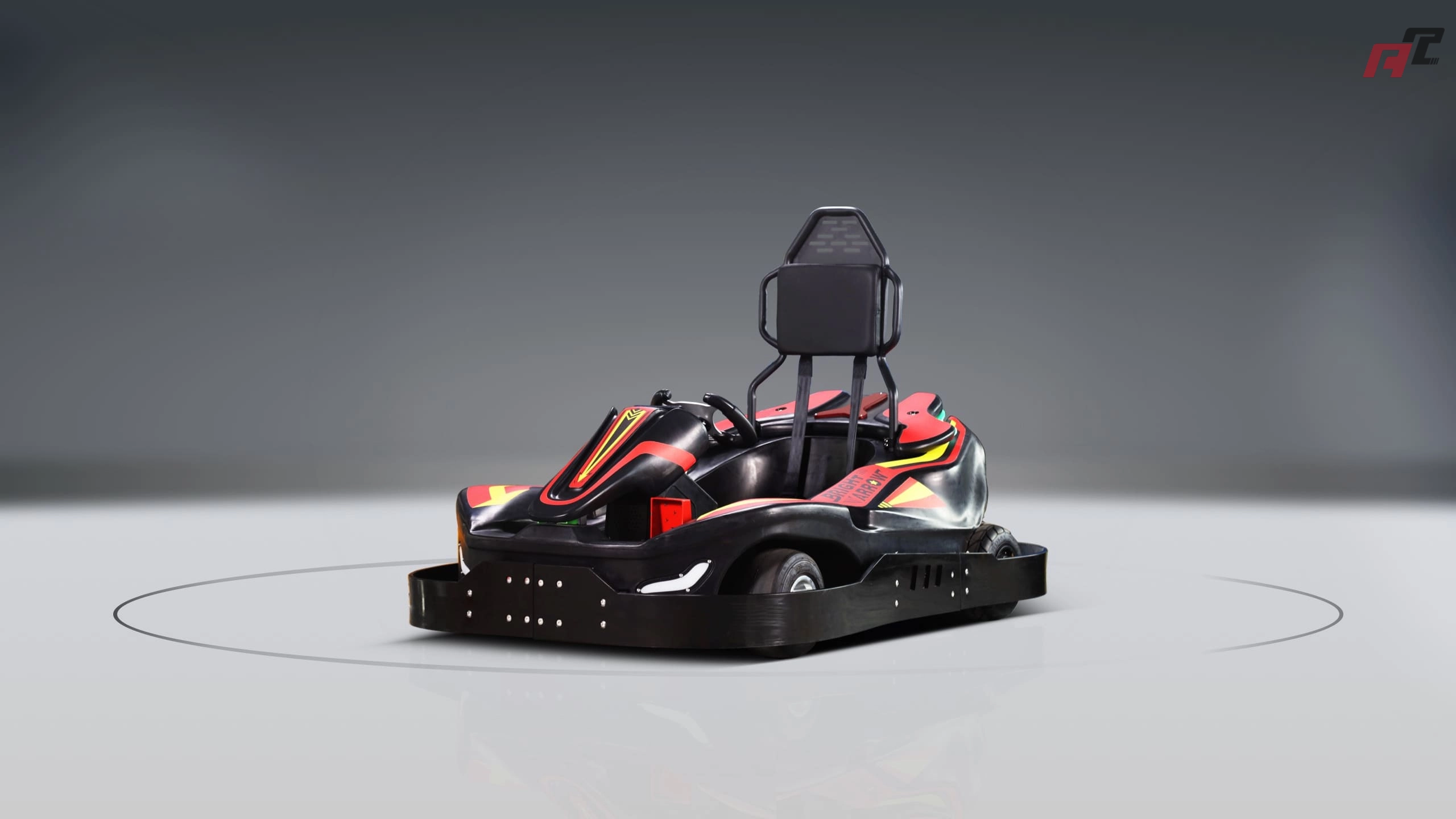
Bright Arrow Electric Go Karts
2024 new model with two powerful hub motors; each motor is 1000 watts with shock absorbers. It has fast-charging iron phosphate lithium that can be cycled 2000 times. It has three speeds. Remote control for starting, checking accounts, and setting volume. LCD dispay for showing speed, battery power, and game time.
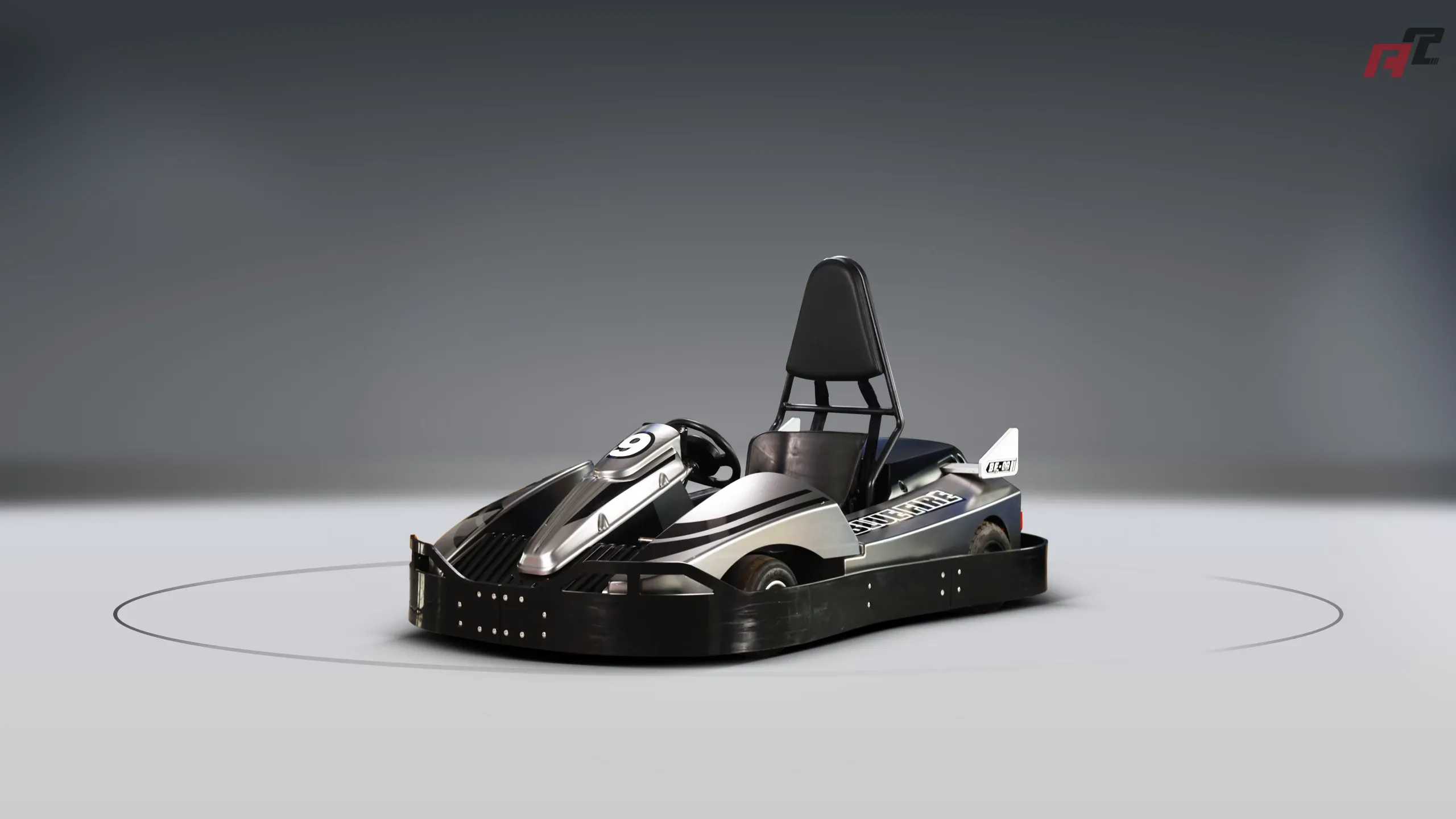
Blue Fire Electric Go Karts
Experience the thrill of speed with ANCHI's Blue Fire Electric Go Karts, perfect for both adults and kids. These high-performance electric go karts deliver unparalleled excitement while ensuring safety and reliability. Ideal for family fun or competitive racing, our electric go karts blend innovation with cutting-edge technology. Explore the future of racing with ANCHI, where performance meets sustainability. Discover more today and rev up your passion for adventure with our premium electric go karts.
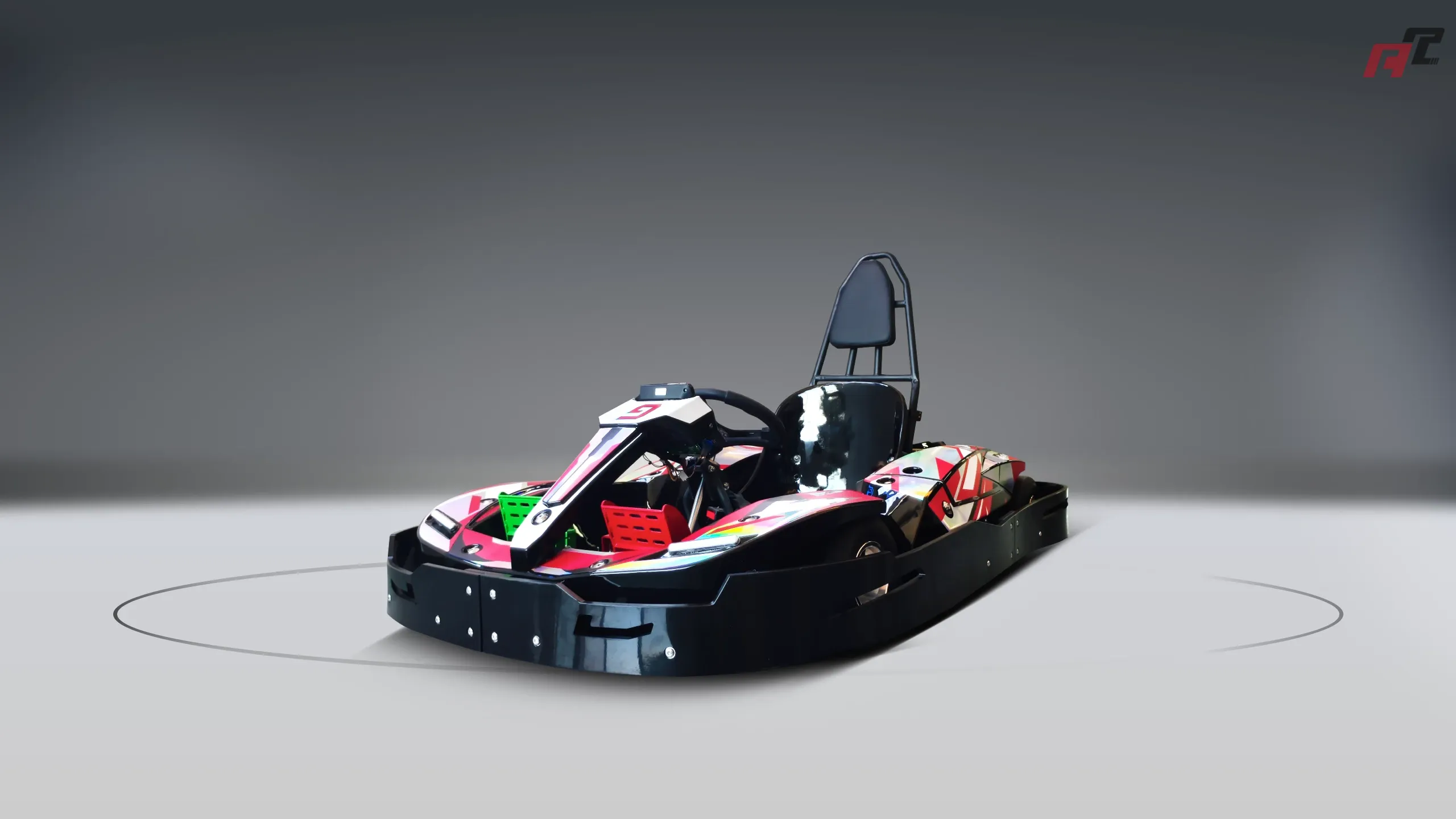
Cyclone RS 2025 1200W Electric Go-kart for Home Entertainment Centers
The Cyclone RS 2025 is a high-performance electric ride-on car designed for thrill-seekers, entertainment centers, and commercial amusement businesses. Built with a durable ABS body and reinforced metal chassis, it combines strength, safety, and speed for a superior driving experience. With a 1200W mid-mounted motor (peaking at 3600W), advanced control system, and long-lasting 72V20AH LiFePO₄ battery, this ride ensures both powerful performance and reliability.
Whether for amusement parks, game zones, rental businesses, or personal recreational use, the Cyclone RS 2025 delivers unmatched excitement and durability.
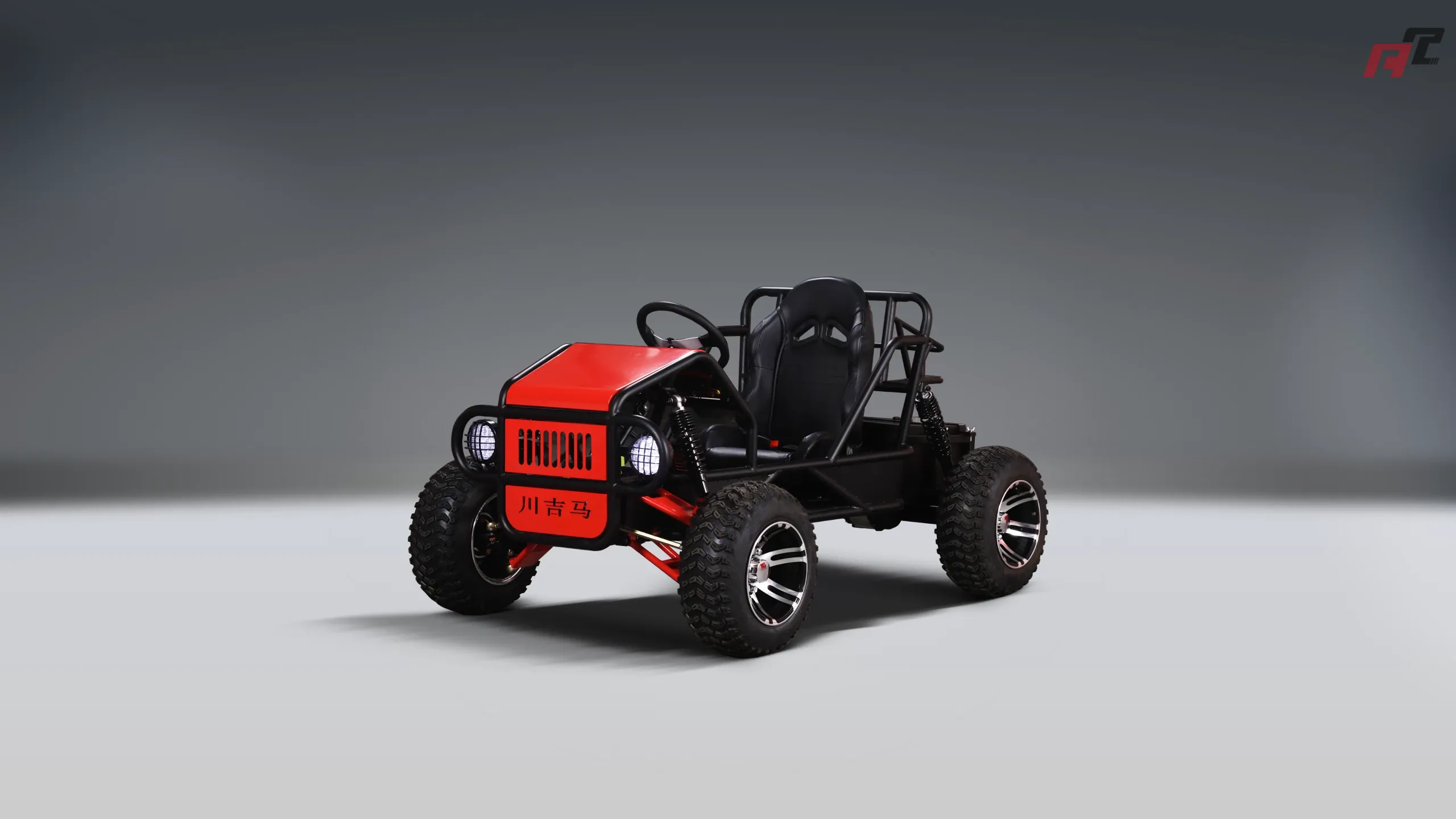
Kids Electric Off Roads One-seater ATV
Discover adventure with the ANCHI Kids Electric One-seater ATV, the perfect electric off-road experience for young explorers. Designed for safety and performance, this electric off-road go kart for kids offers unmatched thrills on any terrain. Its durable build and easy-to-use controls ensure a fun and safe ride. Ideal for budding adventurers, this ATV promises endless excitement. Explore the world with confidence with ANCHI’s innovative electric off-road solutions for kids.


