








What are best practices for electric go kart battery disposal?
Learn about electric go-kart battery disposal, best practices, and maintenance tips to ensure safety and longevity.
Essential Guide to Electric Go-Kart Battery Disposal and Best Practices
Electric go-karts have revolutionized the racing and recreational industry, offering a cleaner and more efficient alternative to traditional gas-powered karts. However, with the adoption of electric go-karts comes the responsibility of proper battery disposal and maintenance. This guide addresses common questions and provides expert insights to assist operators in making informed decisions.
1. What Are the Common Battery Types Used in Electric Go-Karts?
Electric go-karts primarily utilize two types of batteries:
Lead-Acid Batteries: These are the traditional choice, known for their affordability and reliability. They typically offer 300–500 charge cycles and require longer charging times.
Lithium Iron Phosphate (LiFePO₄) Batteries: A modern alternative, LiFePO₄ batteries provide 2,000–3,000 charge cycles, shorter charging times, and a longer lifespan, making them suitable for high-usage commercial tracks. ((https://www.anchiamusement.com/electric-go-kart-batteries-charging-lifespan-recycling.html))
2. How Can I Extend the Lifespan of My Electric Go-Kart Batteries?
To maximize battery longevity:
Proper Charging: Use chargers matched to the battery chemistry and voltage. Avoid deep discharges; for LiFePO₄ batteries, try to avoid repeated discharges below 20% state-of-charge. ((https://www.anchiamusement.com/electric-go-karts-battery-maintenance.html))
Temperature Control: Store and charge batteries in a temperature-controlled environment, ideally between 15–25°C (59–77°F). Extreme temperatures can degrade battery performance. ((https://www.anchiamusement.com/electric-go-karts-battery-maintenance.html))
Regular Maintenance: Conduct routine inspections to check for corrosion, loose connections, and other issues. Keeping connectors clean and ensuring Battery Management System (BMS) firmware updates can extend battery life. ((https://www.anchiamusement.com/electric-go-karts-battery-maintenance.html))
3. What Are the Best Practices for Recycling Electric Go-Kart Batteries?
Proper recycling is crucial for environmental sustainability:
Preparation: Discharge the battery to approximately 30% capacity and insulate terminals with non-conductive tape to prevent short circuits.
Certified Recyclers: Use EPA-approved recycling facilities that specialize in handling lithium-ion batteries to ensure safe and efficient processing.
Avoid Incineration: Never incinerate lithium-ion batteries, as they can cause explosive fires due to thermal runaway.
4. How Do Temperature Extremes Affect Battery Performance?
Temperature plays a significant role in battery efficiency:
High Temperatures: Excessive heat can accelerate battery degradation and reduce lifespan. It's essential to store and charge batteries in a cool, dry place.
Low Temperatures: Cold temperatures can decrease battery capacity and performance. Ensure batteries are stored and charged in environments with stable, moderate temperatures.
5. What Are the Signs That an Electric Go-Kart Battery Needs Replacement?
Indicators of a failing battery include:
Reduced Runtime: Significantly shorter ride times than usual.
Slow Charging: Longer than normal charging times.
Swelling or Leaking: Physical deformities or leaks from the battery pack.
If these signs are observed, it's advisable to consult a professional technician for assessment and potential replacement.
6. How Should I Store Electric Go-Kart Batteries When Not in Use?
Proper storage extends battery life:
Partial Charge: Store batteries at around 50% charge for long-term storage.
Cool, Dry Place: Keep batteries in a temperature-controlled environment, avoiding direct sunlight and humidity.
Regular Checks: Inspect stored batteries periodically for signs of damage or degradation. ((https://www.anchiamusement.com/electric-go-karts-battery-maintenance.html))
7. Can I Replace Lead-Acid Batteries with LiFePO₄ in Existing Go-Karts?
Yes, upgrading to LiFePO₄ batteries can offer several benefits:
Longer Lifespan: LiFePO₄ batteries typically last 2,000–5,000 cycles, compared to 300–800 cycles for lead-acid batteries. ((https://www.anchiamusement.com/electric-go-karts-battery-maintenance.html))
Lighter Weight: They are lighter, improving kart performance and handling.
Faster Charging: LiFePO₄ batteries generally have shorter charging times.
Before making the switch, ensure that the new battery's voltage and capacity are compatible with your go-kart's specifications.
8. What Are the Environmental Benefits of Proper Battery Recycling?
Recycling electric go-kart batteries offers several environmental advantages:
Resource Conservation: Recycling recovers valuable materials like lithium, cobalt, and nickel, reducing the need for mining.
Pollution Reduction: Proper disposal prevents hazardous substances from contaminating soil and water sources.
Energy Savings: Recycling processes often consume less energy compared to producing new materials.
Conclusion: Why Choose ANCHI Amusement?
ANCHI Amusement stands out as a leading manufacturer in the amusement equipment industry, offering a range of electric go-karts designed for performance and durability. With over 5,000 m² of production space and a team of skilled technicians, ANCHI combines research and development, production, sales, and after-sales service to support operators in running reliable electric go-kart venues. ((https://www.anchiamusement.com/electric-go-karts-battery-maintenance.html))
By adhering to the best practices outlined above and choosing ANCHI Amusement's products, operators can ensure a safe, efficient, and environmentally friendly experience for their customers.
For more information on ANCHI Amusement's electric go-kart offerings and support services, visit their official website.
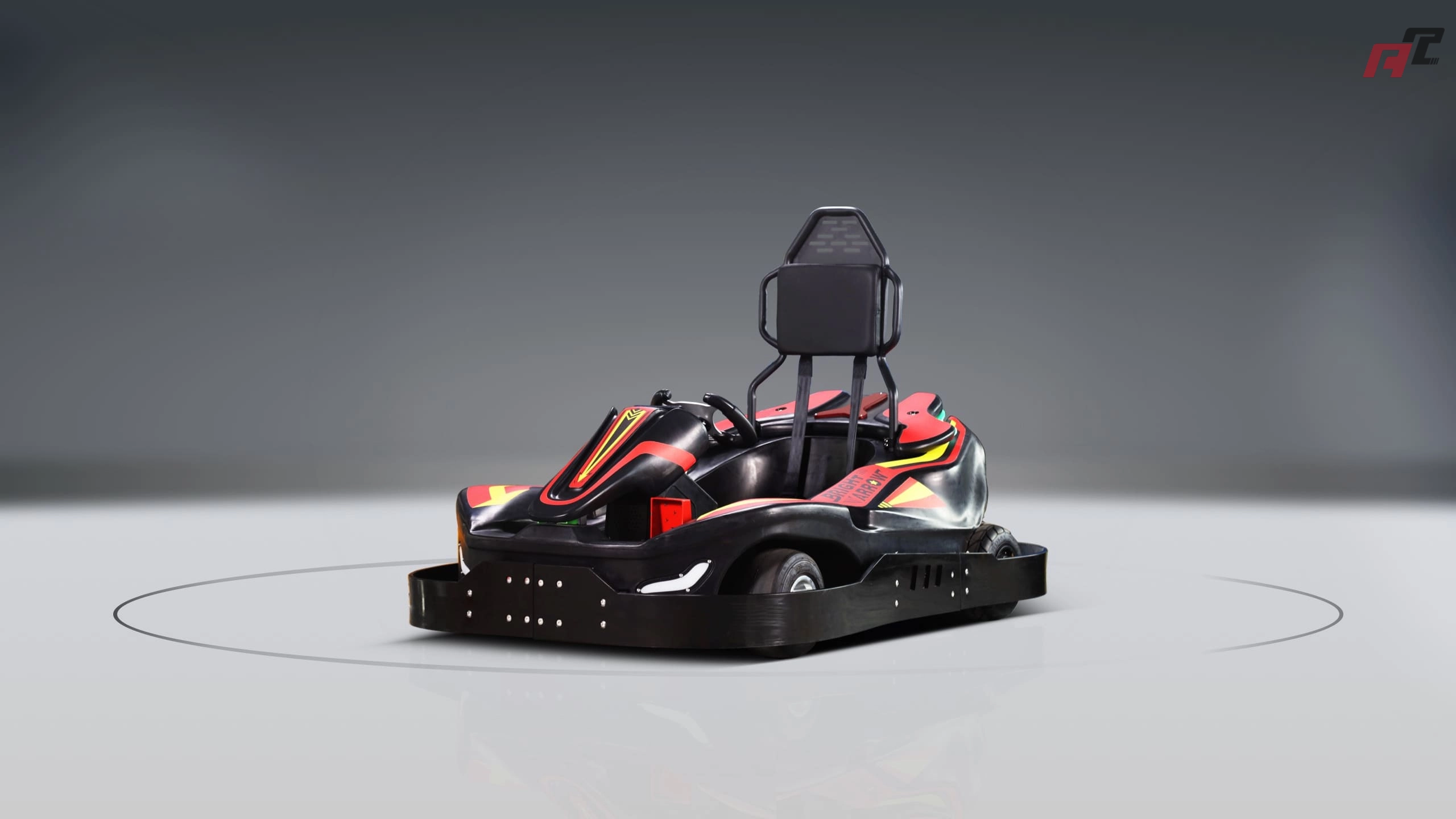
Bright Arrow Electric Go Karts
2024 new model with two powerful hub motors; each motor is 1000 watts with shock absorbers. It has fast-charging iron phosphate lithium that can be cycled 2000 times. It has three speeds. Remote control for starting, checking accounts, and setting volume. LCD dispay for showing speed, battery power, and game time.
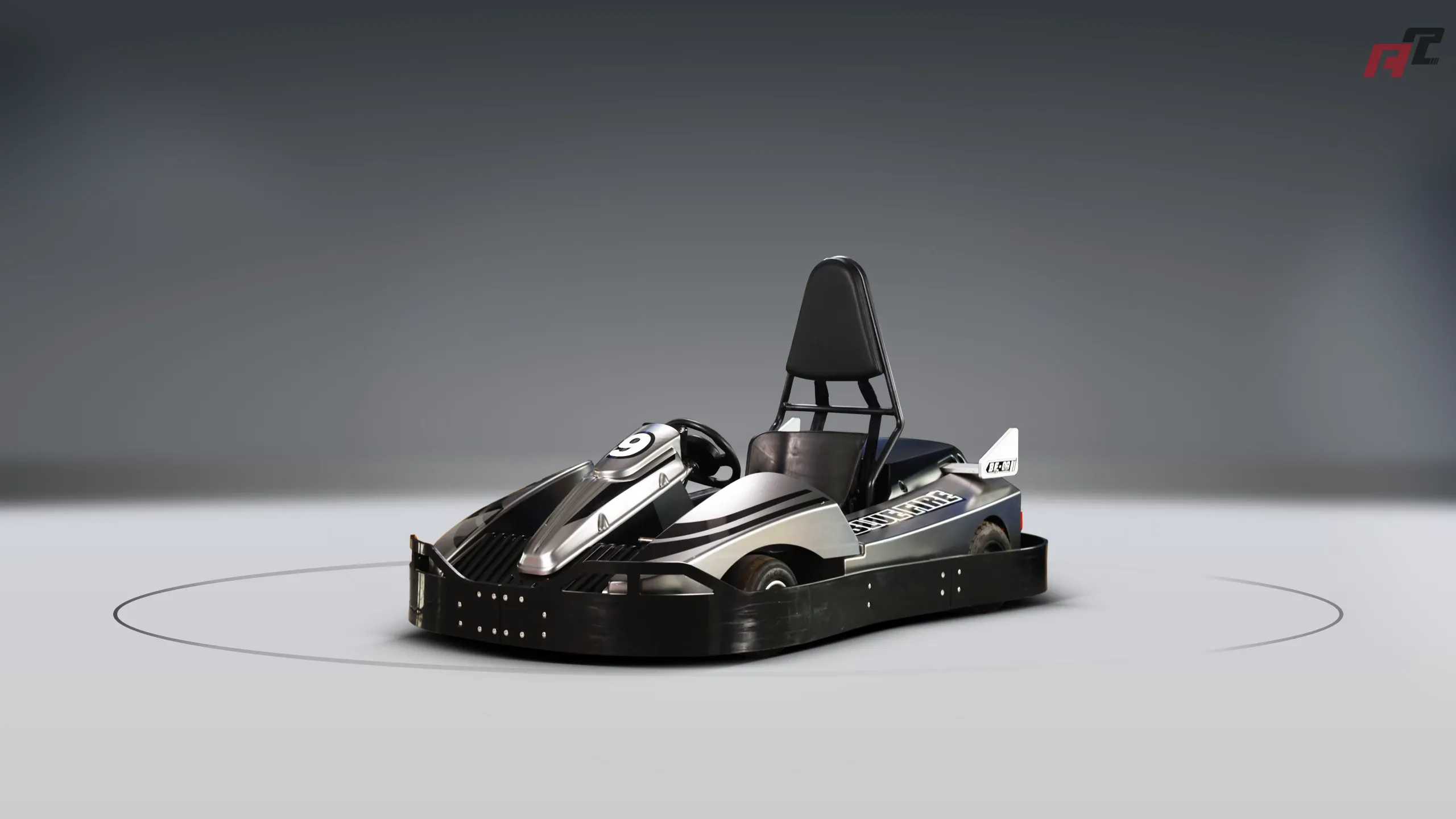
Blue Fire Electric Go Karts
Experience the thrill of speed with ANCHI's Blue Fire Electric Go Karts, perfect for both adults and kids. These high-performance electric go karts deliver unparalleled excitement while ensuring safety and reliability. Ideal for family fun or competitive racing, our electric go karts blend innovation with cutting-edge technology. Explore the future of racing with ANCHI, where performance meets sustainability. Discover more today and rev up your passion for adventure with our premium electric go karts.
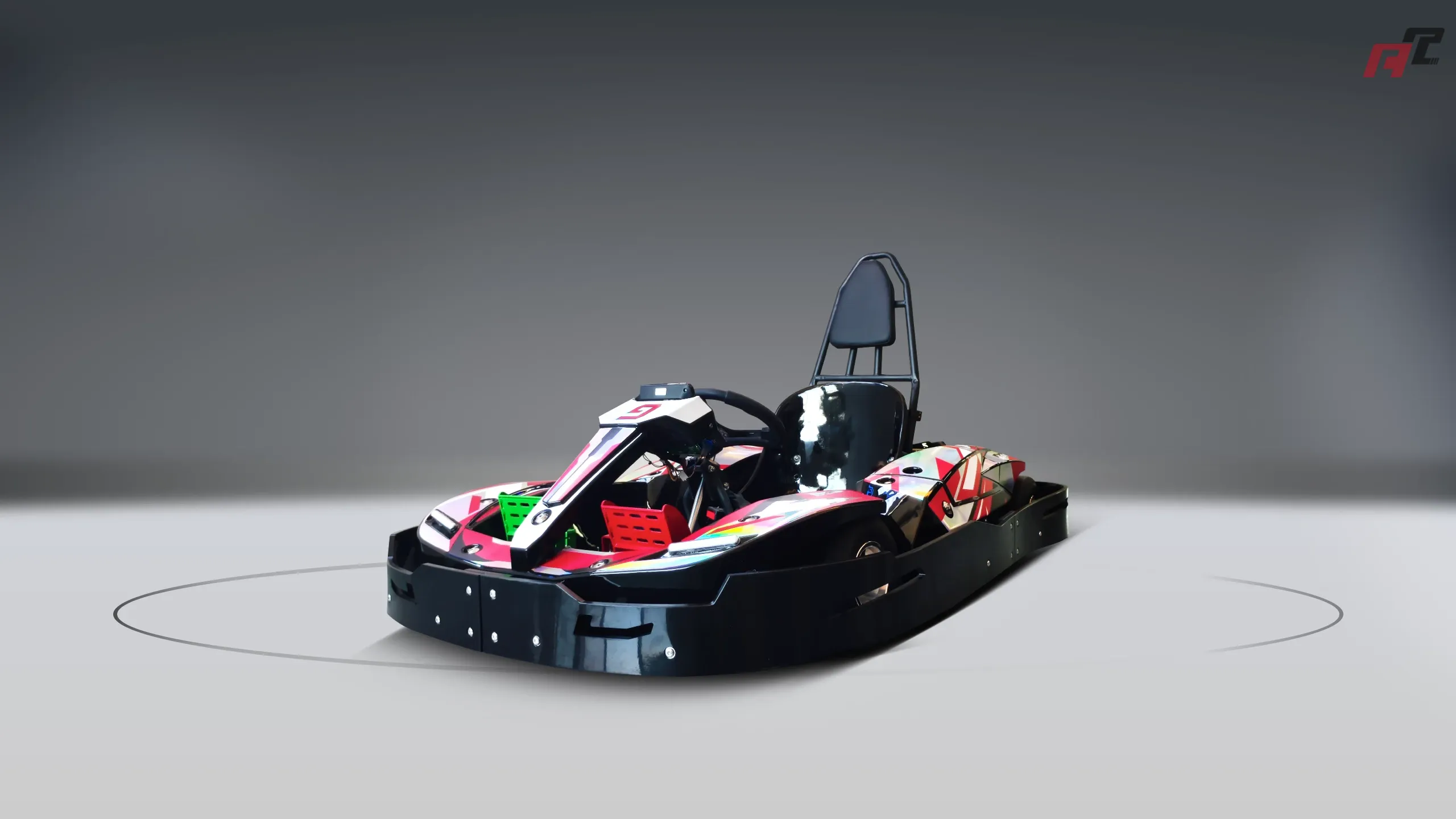
Cyclone RS 2025 1200W Electric Go-kart for Home Entertainment Centers
The Cyclone RS 2025 is a high-performance electric ride-on car designed for thrill-seekers, entertainment centers, and commercial amusement businesses. Built with a durable ABS body and reinforced metal chassis, it combines strength, safety, and speed for a superior driving experience. With a 1200W mid-mounted motor (peaking at 3600W), advanced control system, and long-lasting 72V20AH LiFePO₄ battery, this ride ensures both powerful performance and reliability.
Whether for amusement parks, game zones, rental businesses, or personal recreational use, the Cyclone RS 2025 delivers unmatched excitement and durability.
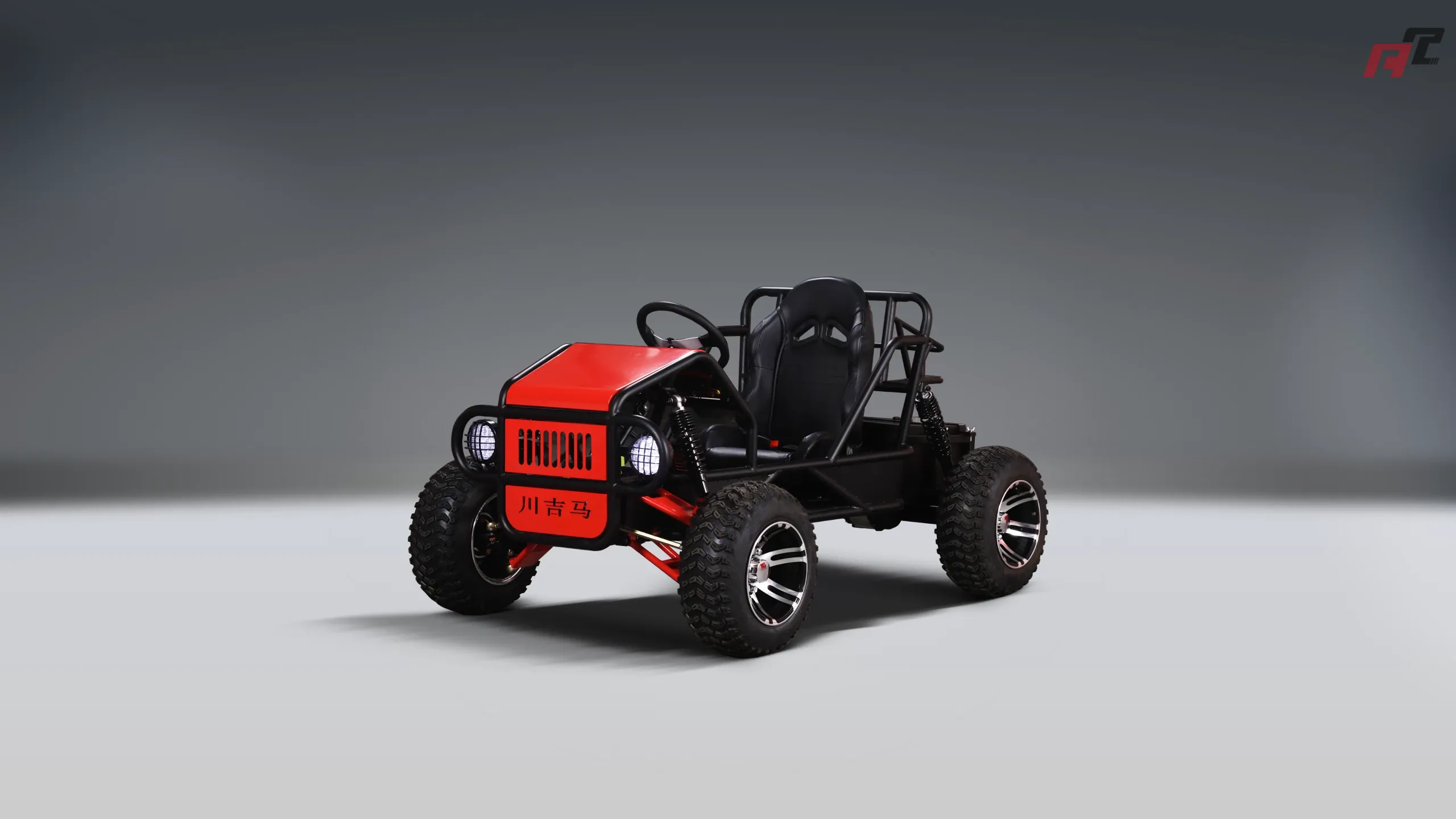
Kids Electric Off Roads One-seater ATV
Discover adventure with the ANCHI Kids Electric One-seater ATV, the perfect electric off-road experience for young explorers. Designed for safety and performance, this electric off-road go kart for kids offers unmatched thrills on any terrain. Its durable build and easy-to-use controls ensure a fun and safe ride. Ideal for budding adventurers, this ATV promises endless excitement. Explore the world with confidence with ANCHI’s innovative electric off-road solutions for kids.


