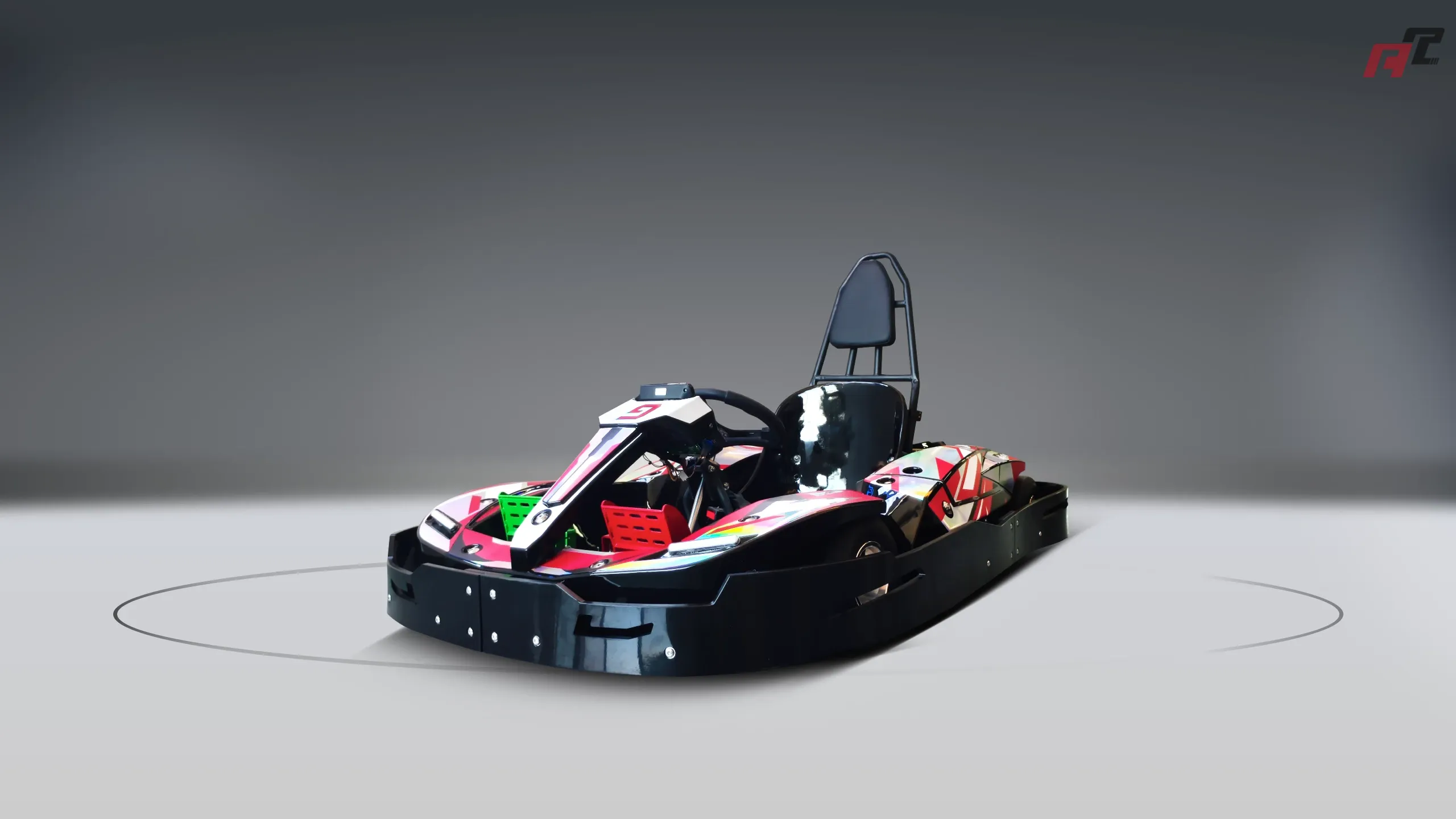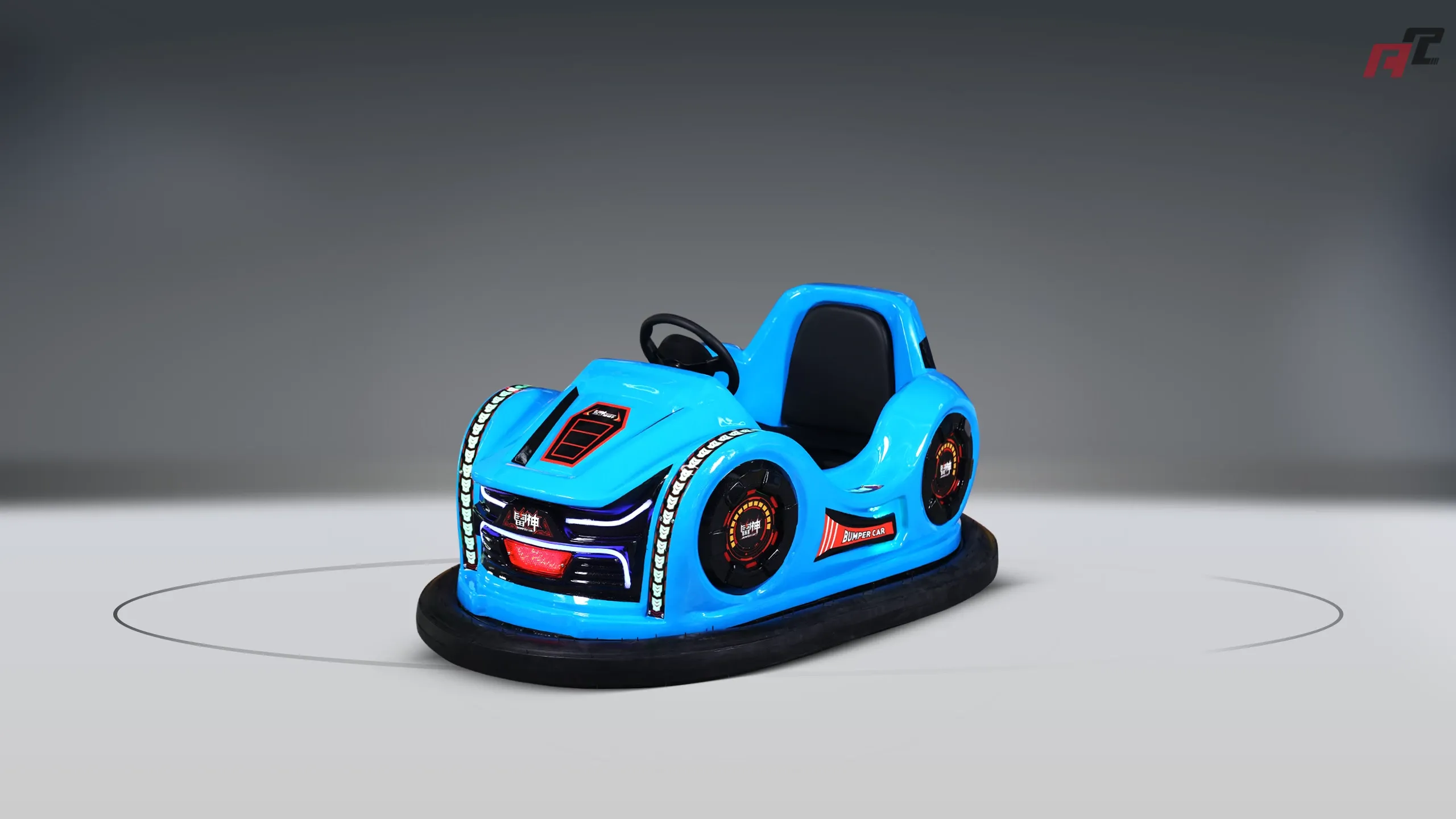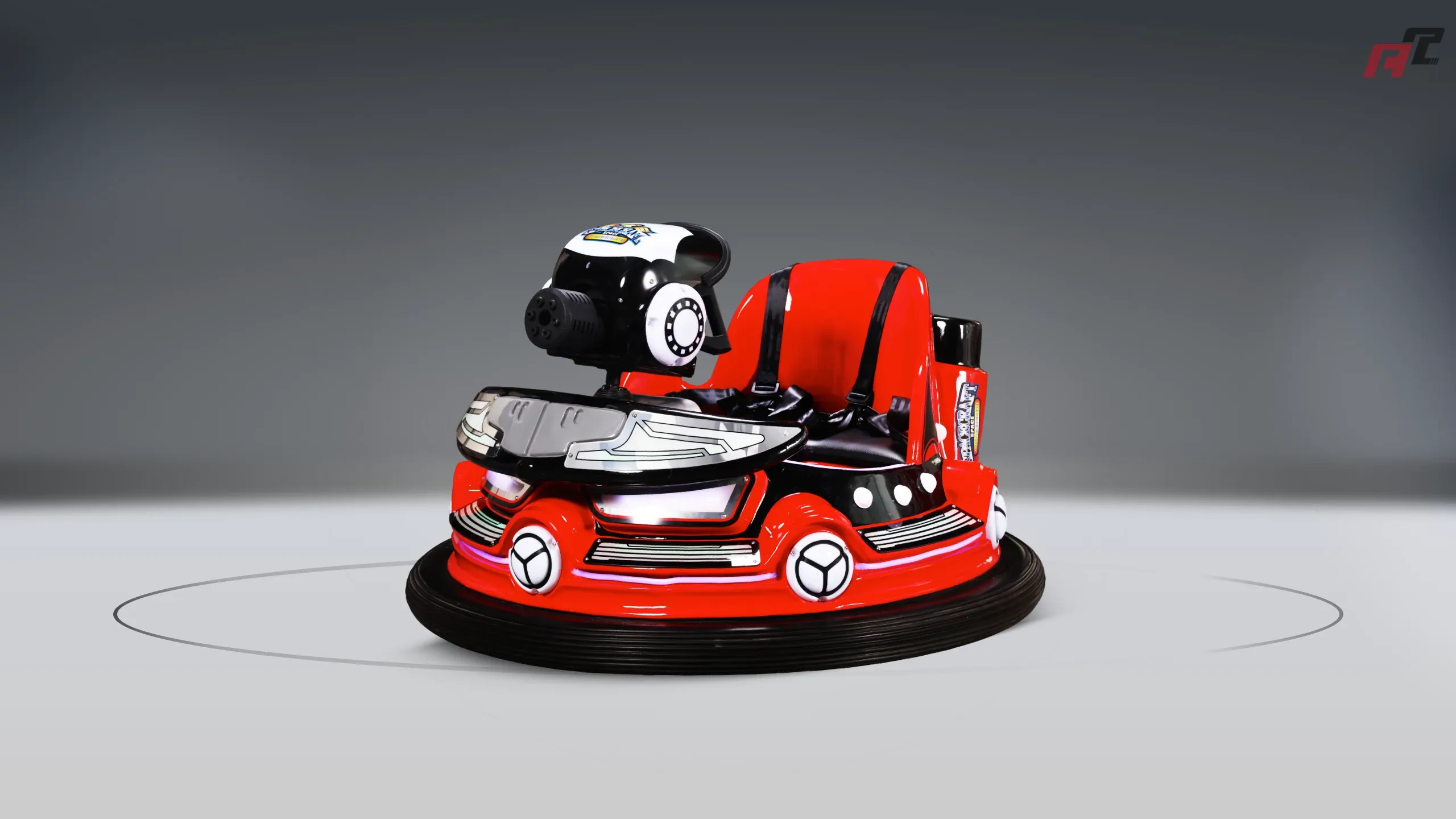






Best Electric Go-Karts for Adults: Start With the Use Case

The best electric go-kart for adults is not automatically the fastest model or the one with the largest peak-power number. A private buyer, a racing enthusiast, and a family entertainment center all need different things from the vehicle. Before comparing specifications, decide where the kart will run, who will drive it, how many sessions it must complete, and who will maintain it.

For commercial venues, the kart is part of an operating system. Motor output, battery capacity, charging, fleet controls, spare parts, track layout, and operator procedures must work together. A model that feels exciting for occasional private use may not be suitable for repeated public sessions, while a heavy commercial rental kart may be unnecessary for a home buyer.

Use caseWhat usually matters mostWhat to verify before buying
Indoor commercial rental trackRepeatable acceleration, speed control, low downtime, service accessCommercial duty cycle, fleet-control functions, charger plan, braking tests, spare-parts support
Outdoor paved commercial trackThermal performance, weather exposure, track gradient, impact protectionOperating-temperature limits, ingress protection, tire and brake setup, charging-area design
Private recreational useRider fit, storage, charge time, permitted riding areaPublished rider limits, terrain limits, manufacturer instructions, local-use restrictions
Performance or racing useChassis class, sustained output, braking, safety equipmentSanctioning rules, track approval, required protective equipment, technical inspection
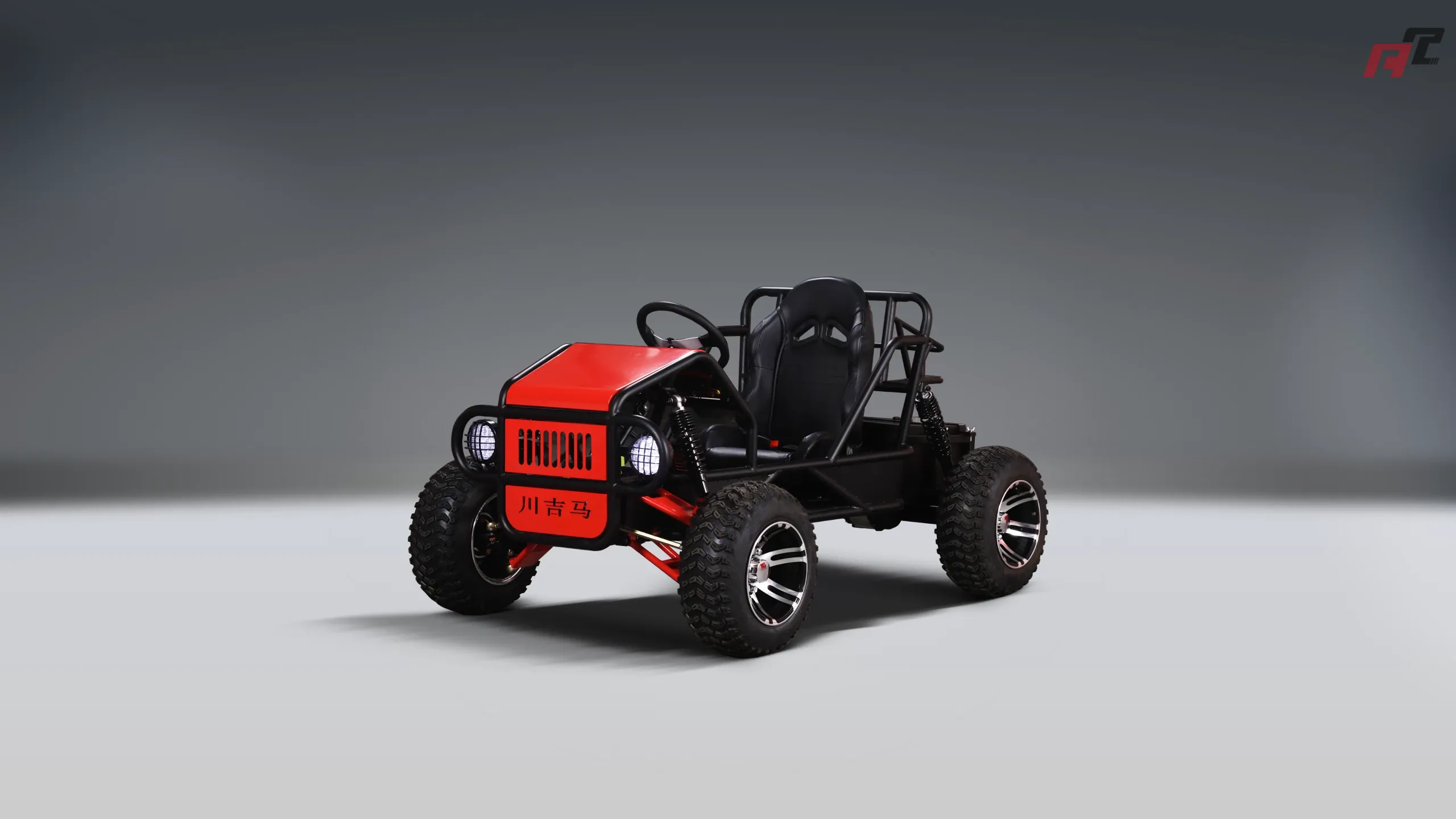
Rough-surface or all-terrain useGround clearance, suspension, tires, water/dust exposureWhether the product is actually designed for off-road use; do not treat a low-clearance track kart as an all-terrain vehicle

If your project is a commercial venue, browse ANCHI’s electric go-kart range first, then use the procurement checks below to request comparable evidence from every shortlisted supplier.

Fast Adult Electric Go-Karts: Why Top Speed Is Not the First Filter

Searches for a fast electric go-kart for adults often focus on one headline number. For a venue operator, speed should come after rider class, track geometry, braking performance, control functions, and the kart’s ability to repeat the same session without overheating or losing charge unexpectedly.

Ask the supplier to show how the advertised speed was measured: rider mass, battery state of charge, surface, tire setup, gradient, ambient temperature, and controller mode all affect the result. Peak speed measured once is not the same as repeatable performance across a full operating day.

Claims such as “70 mph electric go-kart for adults” require particular caution. At that level, the buyer is no longer evaluating an ordinary amusement product by speed alone. The complete vehicle class, chassis, braking system, tires, track rules, protective equipment, and local approval must be reviewed as one safety case. A high number in a product title is not evidence that a kart is suitable for public rental use.

For mixed-age venues, speed profiles should also match the rider group and session format. Adult and youth fleets may share operational infrastructure, but they should not be treated as interchangeable vehicles. If the venue needs rough-surface attractions, compare purpose-built electric off-road vehicles separately from track karts.

Motor Parameters That Matter in Commercial Operation

Motor selection starts with the difference between continuous rated power and short-duration peak power. Peak power may help describe acceleration, but commercial buyers also need to know what the motor and controller can sustain repeatedly before thermal protection reduces output.

Request the following information for the exact kart configuration being quoted:

  • Continuous rated motor power and peak motor power, with the duration allowed at peak.
  • Motor type, controller model, current limits, cooling method, and thermal-derating logic.
  • Torque or acceleration data under the intended adult rider load, not only with an unloaded chassis.
  • Test conditions, including ambient temperature, track gradient, tire setup, and battery state of charge.
  • Speed profiles available to the operator and whether acceleration can be adjusted separately from maximum speed.
  • What happens after repeated sessions: whether output remains stable, reduces gradually, or triggers a protective stop.

There is no universal kilowatt threshold that makes an adult electric go-kart “commercial grade.” A tight indoor track may prioritize controllable low-speed torque, while a longer outdoor circuit may require different gearing and thermal capacity. Give each supplier the same rider range, track plan, target session length, and sessions per hour so the proposals can be compared on the same duty cycle.

Battery System and Session Availability

Battery chemistry is only one part of the decision. Buyers should compare the complete pack, battery management system, charger, ventilation or cooling needs, charging workflow, and replacement strategy.

For each proposed battery system, request:

  • Chemistry, nominal voltage, nominal energy, usable energy, pack weight, and enclosure rating.
  • Battery-management protections and the fault conditions they cover, such as over-temperature, over-current, short circuit, cell imbalance, and over/under-voltage.
  • Charging time under stated conditions, charger input requirements, and the temperature range allowed for charging.
  • Cycle-life test conditions and the capacity-retention point used in the claim. A cycle number without depth of discharge, temperature, charge rate, and end-of-life definition is not comparable.
  • Whether packs are fixed or swappable, how a removable pack is locked, and how damaged or quarantined packs are handled.
  • Warranty exclusions, replacement-pack availability, diagnostic access, and end-of-life or recycling instructions.

Translate the battery proposal into venue availability instead of relying on a single runtime claim. Start with the planned session length, turnaround time, expected occupancy, number of sessions per operating day, and the minimum fleet that must remain available during peak hours. Then model charging overlap, spare packs, spare karts, and a capacity reserve for battery aging or unusually busy days.

Fleet Management and Operator Control

A commercial fleet-control system should be evaluated as safety-related operating infrastructure, not as a convenience feature. The exact functions vary by supplier, so the buyer should test the quoted system rather than assume that “fleet management included” means the same thing across proposals.

Useful requirements to verify include:

  • Individual and group speed profiles for novice, standard, and advanced sessions.
  • A group slow or stop command and a documented response if communication is interrupted.
  • Pit-lane or loading-area speed control, where offered.
  • Battery state, fault alerts, session status, and maintenance logs at the operator station.
  • Permission levels so only authorized staff can change critical settings.
  • Operation during an internet outage and the terms for software licenses, updates, and replacement controllers.
  • Interference and range testing in the finished venue, including peak customer-device density.
  • Operator training, fault-recovery instructions, and a manual fallback procedure.

Ask the supplier to demonstrate the system with multiple karts and to document which functions are standard, optional, or dependent on venue hardware. A dashboard screenshot is not a commissioning test.

Ten-Dimension Comparison Table for Adult Electric Go-Kart Procurement

Use the same table for every supplier. It prevents a visually polished proposal from hiding gaps in duty-cycle evidence, maintenance planning, or documentation.

Comparison dimensionEvidence to requestOperational implicationRed flag
1. Intended use and rider envelopeCommercial/private classification, rider height and mass limits, terrain and gradient limitsDetermines whether the kart fits the actual riders and track“Adult” label with no published limits
2. Motor and controllerContinuous and peak ratings, test conditions, thermal behavior, controller limitsAffects repeatable acceleration and session consistencyPeak number only; no repeated-session test
3. Battery and BMSChemistry, usable energy, protection functions, pack documentationAffects availability, charging risk, and replacement planningChemistry name used as a substitute for pack evidence
4. Charging and duty cycleCharge time, charger load, session model, swap procedure, aging reserveDetermines how many karts or packs are needed at peakRuntime claim with no rider, speed, or temperature conditions
5. Speed and fleet controlSpeed profiles, group slow/stop, communication-loss behavior, logsSupports mixed-skill sessions and incident responseRemote control claimed but not demonstrated
6. Braking and impact protectionBrake-system description, test method, bumper/guard design, inspection pointsAffects stopping consistency and collision managementNo test record or wear-limit guidance
7. Chassis and ergonomicsMaterials, dimensions, seat/pedal adjustment, ingress/egress reviewAffects adult fit, handling, throughput, and comfortOne fixed setup presented as suitable for all adults
8. Serviceability and diagnosticsService manual, diagnostic tools, module-removal procedure, labor-time examplesAffects mean time to repair and staff capabilitySealed system with no diagnostic path
9. Parts and after-sales supportWear-parts list, opening spares, lead times, revision control, trainingAffects downtime and five-year operating riskParts promise without codes, stock plan, or delivery terms
10. Compliance and venue integrationApplicable standards, test reports, local approval responsibilities, track/electrical inputsConnects the equipment to the authority, facility, and operating planGeneric certificate offered without model or market scope

Safety and Compliance: Use the Standard That Fits the Facility

Compliance depends on the destination market, facility type, and the authority having jurisdiction. Buyers should ask which rules apply to the exact vehicle and paid-use facility, which edition is referenced, who performed any testing, and whether the submitted documents cover the quoted model and configuration.

For U.S. concession operations, ASTM F2007-24 is specifically titled for the design, manufacture, and operation of concession go-karts and their facilities. Its scope covers facilities offering public or member use for a fee and excludes race karts and general-purpose private fun karts. That makes it a more relevant starting point than a generic, unrelated ISO number, but the buyer must still confirm local legal and regulatory requirements.

ISO 17840 should not be presented as a go-kart structural-integrity or amusement-ride safety standard. The ISO 17840-1 scope concerns rescue-sheet information for first and second responders dealing with passenger cars and light commercial vehicles. It does not validate a commercial go-kart chassis. The old page’s ISO 17840 wording has therefore been removed rather than carried into this guide.

A procurement file should include, as applicable, the model identification, drawings, materials and component specifications, risk assessment, braking and control test records, electrical and battery documents, operating manual, inspection schedule, and training requirements. Do not accept a certificate image that cannot be connected to the exact product being purchased.

Maintenance Planning Before the Fleet Arrives

The purchase price does not show how quickly a venue can return a kart to service. Ask each supplier to build a maintenance plan around the actual operating schedule.

At minimum, the plan should identify:

  • Pre-opening, daily, weekly, and periodic inspection items.
  • Wear limits and replacement steps for tires, brakes, steering parts, drive components, bearings, bumpers, restraints, and electrical connectors.
  • Battery inspection, state-of-health checks, charger inspection, and damaged-pack isolation.
  • Fault codes, diagnostic procedures, required tools, and staff skill level.
  • An opening spare-parts kit with part numbers and quantities tied to fleet size.
  • Normal and urgent parts lead times, shipping method, and revision compatibility.
  • Remote-support hours, escalation contacts, training format, and documentation language.

Run a maintainability demonstration before acceptance: have a technician access common wear items, remove the bodywork, retrieve a fault, and complete a routine service task. Record the time and tools required. This provides better operating evidence than a general claim that electric karts need “less maintenance.”

ANCHI can support product customization and venue planning; buyers can review the go-kart customization process and request a proposal tied to the planned track, rider mix, and operating schedule.

A Practical ROI Model for a Commercial Electric Go-Kart Fleet

There is no responsible universal payback period. Ticket price, utilization, opening days, staffing, rent, energy cost, financing, tax, downtime, and local demand vary too much. Build a scenario model using the venue’s own inputs.

First calculate the total installed investment:

Total installed investment = karts + batteries and chargers + freight/import + track and barriers + electrical work + fleet software + training + opening spares + commissioning

Then estimate paid ride volume:

Paid rides per day = scheduled sessions per day × karts dispatched per session × paid occupancy rate × available-fleet rate

The available-fleet rate forces downtime into the model. If the business case only works when every kart is available every hour, the plan has no maintenance or battery reserve.

Next estimate annual contribution before fixed overhead and financing:

Annual fleet contribution = operating days × paid rides per day × contribution per paid ride − annual fleet maintenance − battery replacement reserve − software/support fees

Finally:

Simple payback period = total installed investment ÷ annual fleet contribution, provided the annual contribution is positive.

Use low, base, and high cases. Stress-test the result with lower occupancy, fewer operating days, a reduced available-fleet rate, and earlier battery replacement. Keep the assumptions beside the output so the ROI figure can be reviewed when real operating data becomes available.

Commercial Buyer Workflow

  1. Define the rider range, venue type, track surface, gradient, session length, target throughput, and opening hours.
  2. Send the same duty-cycle brief and ten-dimension comparison table to each supplier.
  3. Separate required functions from options and request model-specific evidence.
  4. Test adult fit, repeated-session performance, charging, fleet controls, braking, and maintenance access.
  5. Confirm standards and approval responsibilities with the local authority and qualified project professionals.
  6. Build low/base/high ROI cases, then negotiate the fleet, spare-battery, charger, training, and opening-parts package as one system.

For a separate supplier-level comparison, see the guide to commercial electric go-kart manufacturers. This page focuses on selecting an adult kart and planning its operation; the manufacturer guide focuses on comparing potential supply partners.

Plan the Kart and the Venue Together

For an adult electric go-kart project, the strongest proposal connects vehicle selection to track design, electrical capacity, charging, rider flow, maintenance, operator training, and local approval. ANCHI Amusement supplies electric go-karts and supports customization and venue design, allowing buyers to discuss the fleet and facility as one project rather than as isolated purchases.

Prepare your rider range, site dimensions, target capacity, operating schedule, and destination market, then contact ANCHI for a configuration and project discussion. Specifications, commercial terms, compliance scope, and performance commitments should be confirmed for the final quoted model before purchase.