








¿Qué materiales de chasis ofrecen la mejor durabilidad para los karts eléctricos?
Explore los mejores materiales de chasis para karts eléctricos, centrándose en consideraciones de durabilidad, rendimiento y mantenimiento para tomar decisiones de compra informadas.
Al seleccionar un chasis para su kart eléctrico, es fundamental considerar materiales que ofrezcan durabilidad, rendimiento y facilidad de mantenimiento óptimos. A continuación, se presentan algunos materiales comunes utilizados en la construcción de chasis de karts:
| Material | Fuerza de fluencia | Resistencia a la tracción | Dureza | Peso | Resistencia a la corrosión | Costo |
|---|---|---|---|---|---|---|
| Acero inoxidable 304 | 215 MPa | 505 MPa | 200 HB | Más pesado | Moderado | Moderado |
| Aleación de aluminio | 276 MPa | 310 MPa | 70 HB | Encendedor | Alto | Más alto |
| Acero al cromo-molibdeno | 460 MPa | 560 MPa | 200 HB | Más pesado | Moderado | Más alto |
1. ¿Cuáles son los materiales primarios utilizados para el chasis de los karts eléctricos?
Los chasis de los karts eléctricos se fabrican principalmente con acero inoxidable, aleaciones de aluminio y acero al cromo-molibdeno. Cada material ofrece distintas ventajas y consideraciones:
Acero inoxidableConocido por su durabilidad y resistencia a la corrosión, el acero inoxidable es una opción común para los chasis de karts. Sin embargo, es más pesado que otros materiales.
Aleación de aluminioEl aluminio es más ligero que el acero, lo que mejora la aceleración y la maniobrabilidad. También ofrece buena resistencia a la corrosión. Sin embargo, es menos resistente que el acero y puede ser más susceptible a sufrir daños por impacto.
Acero al cromo-molibdenoEl acero al cromo-molibdeno ofrece un equilibrio entre resistencia y peso, ofreciendo alta resistencia a la tracción y durabilidad. Se utiliza comúnmente en karts de carreras de alto rendimiento.
2. ¿Cómo afecta la elección del material del chasis al rendimiento de un kart eléctrico?
El material del chasis influye significativamente en el rendimiento del kart:
Peso:Los materiales más ligeros como el aluminio pueden mejorar la aceleración y el manejo.
Resistencia y durabilidad:Materiales como el acero cromado ofrecen mayor resistencia, mejorando la capacidad del chasis para soportar impactos y tensiones.
Resistencia a la corrosión:Materiales como el aluminio y el acero inoxidable son más resistentes a la corrosión, lo que es beneficioso para la longevidad.
3. ¿Cuáles son los requisitos de mantenimiento para los diferentes materiales del chasis?
Las necesidades de mantenimiento varían según el material del chasis:
Acero inoxidable:Requiere limpieza regular para evitar la corrosión, especialmente en ambientes húmedos o mojados.
Aleación de aluminio:Necesita inspecciones periódicas para detectar grietas o dobleces, ya que es más susceptible a sufrir daños bajo tensión.
Acero al cromo-molibdeno:Requiere una inspección cuidadosa para detectar fatiga y posibles grietas, particularmente después de los impactos.
4. ¿Existen materiales o tecnologías emergentes en la construcción de chasis de karts?
Se están explorando avances en materiales compuestos, como la fibra de carbono, para chasis de karts debido a su alta relación resistencia-peso. Sin embargo, estos materiales son actualmente más caros y podrían no estar ampliamente disponibles.
5. ¿Cómo influyen los factores ambientales en la elección del material del chasis?
Las condiciones ambientales juegan un papel en la selección del material:
Humedad y humedad:El acero inoxidable y el aluminio ofrecen una mejor resistencia a la corrosión en ambientes húmedos o mojados.
Temperaturas extremas:Los materiales como el aluminio pueden volverse quebradizos en temperaturas extremadamente frías, lo que afecta el rendimiento.
6. ¿Cuál es la vida útil esperada de un chasis de kart?
La vida útil de un chasis de kart depende del material y del mantenimiento:
Acero inoxidableCon el cuidado adecuado, puede durar entre 5 y 15 años.
Aleación de aluminio:Puede tener una vida útil más corta debido a la susceptibilidad a los daños, pero puede durar varios años con el mantenimiento adecuado.
Acero al cromo-molibdeno:Ofrece una vida útil duradera, especialmente en aplicaciones de alto rendimiento.
7. ¿Cómo afecta la elección del material del chasis al coste del kart?
Materiales como el acero cromado y la fibra de carbono aumentan el coste total del kart debido a su mayor resistencia y rendimiento. El aluminio ofrece una opción intermedia, mientras que el acero inoxidable suele ser más asequible.
8. ¿Cuáles son las implicaciones de seguridad de los diferentes materiales del chasis?
El material del chasis afecta la seguridad a través de su resistencia y capacidad para absorber impactos:
Acero inoxidable:Proporciona buena resistencia al impacto pero es más pesado, lo que puede afectar el manejo.
Aleación de aluminio:Más ligero, lo que puede mejorar el manejo, pero menos resistente a los impactos.
Acero al cromo-molibdeno:Ofrece alta resistencia y durabilidad, mejorando la seguridad en escenarios de alto rendimiento.
Conclusión
Seleccionar el material adecuado para el chasis de su kart eléctrico implica equilibrar factores como el peso, la resistencia, la durabilidad, el mantenimiento y el costo. Comprender las propiedades de estos materiales le ayudará a tomar una decisión informada que se ajuste a sus objetivos de rendimiento y presupuesto.
Acerca de ANCHI Amusement
ANCHI Amusement se especializa en la fabricación de karts de alta calidad y ofrece una gama de materiales para chasis adaptados a diversas necesidades de rendimiento. Sus productos están diseñados pensando en la durabilidad, la seguridad y el rendimiento, garantizando una experiencia de carrera superior.
Información SEO
MetatítuloLos mejores materiales para chasis de karts eléctricos
Meta descripción:Explore los mejores materiales de chasis para karts eléctricos, centrándose en consideraciones de durabilidad, rendimiento y mantenimiento para tomar decisiones de compra informadas.
Palabras claveKarts eléctricos, materiales del chasis, durabilidad, rendimiento, mantenimiento
Alias de URLMateriales para chasis de karts eléctricos
Referencias
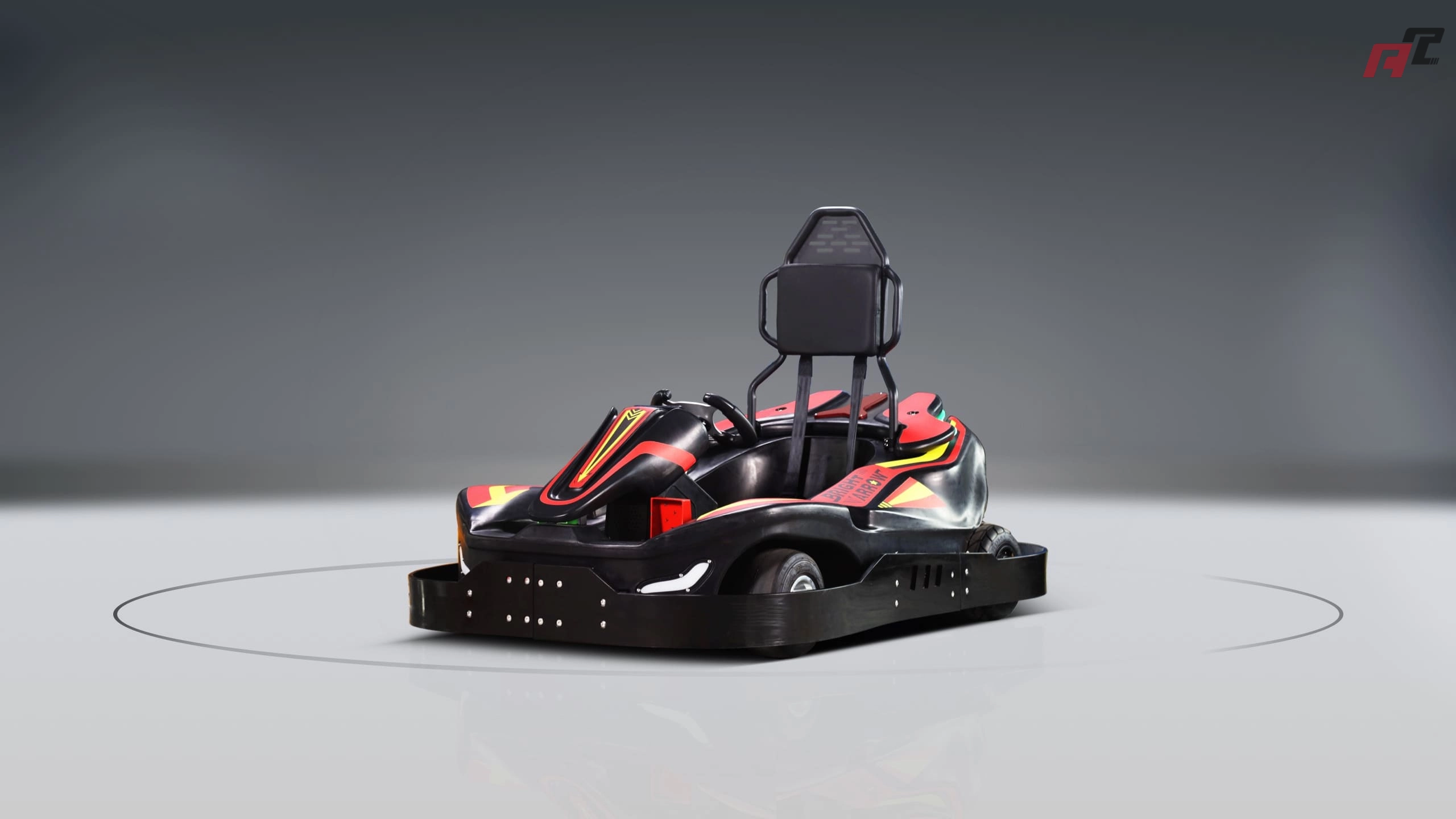
Karts eléctricos Bright Arrow
Nuevo modelo 2024 con dos potentes motores de buje; cada motor es de 1000 vatios con amortiguadores. Tiene fosfato de hierro y litio de carga rápida que puede ciclarse 2000 veces. Tiene tres velocidades. Control remoto para iniciar, consultar cuentas y configurar el volumen. Pantalla LCD para mostrar la velocidad, la carga de la batería y el tiempo de juego.
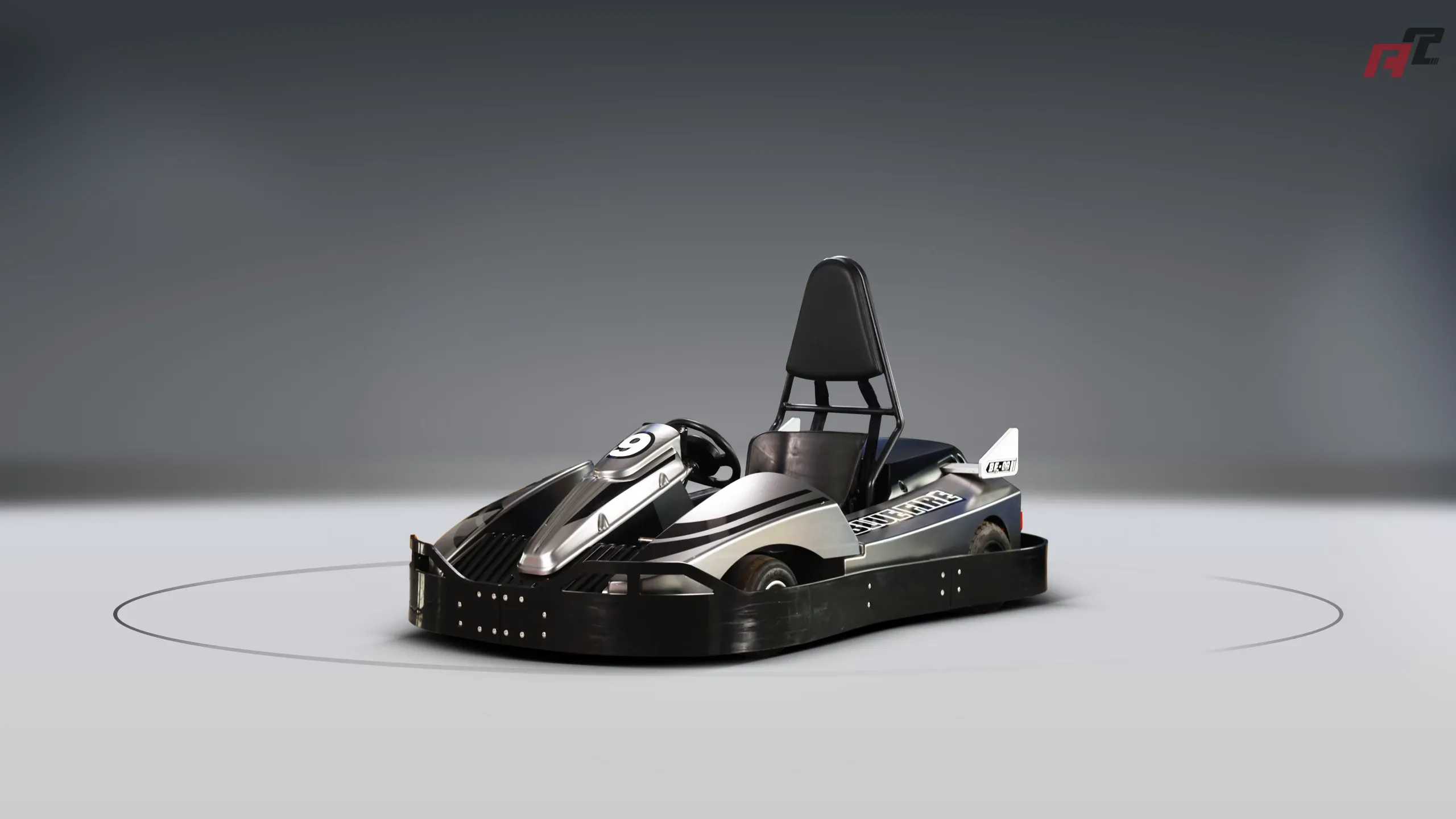
Karts eléctricos Blue Fire
Experimente la emoción de la velocidad con los karts eléctricos Blue Fire de ANCHI, perfectos tanto para adultos como para niños. Estos karts eléctricos de alto rendimiento ofrecen una emoción incomparable a la vez que garantizan la seguridad y la confiabilidad. Ideales para la diversión familiar o las carreras competitivas, nuestros karts eléctricos combinan innovación con tecnología de vanguardia. Explore el futuro de las carreras con ANCHI, donde el rendimiento se combina con la sostenibilidad. Descubra más hoy y acelere su pasión por la aventura con nuestros karts eléctricos premium.
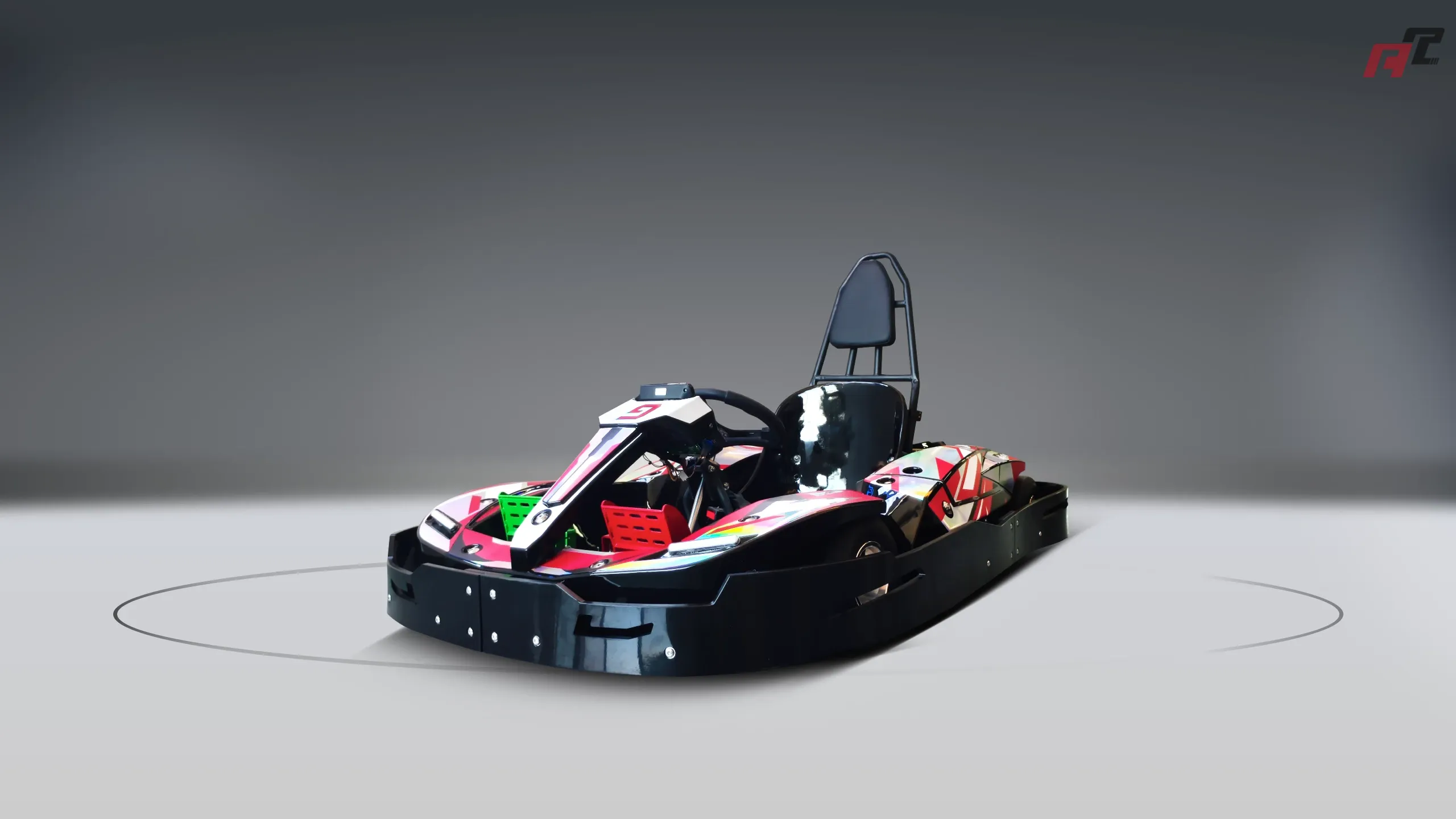
Kart eléctrico Cyclone RS 2025 de 1200 W para centros de entretenimiento domésticos
ElCiclón RS 2025Es un vehículo eléctrico de alto rendimiento diseñado para amantes de la adrenalina, centros de entretenimiento y negocios de entretenimiento comercial. Fabricado con una resistente carrocería de ABS y un chasis de metal reforzado, combina resistencia, seguridad y velocidad para una experiencia de conducción superior. Con unMotor de 1200 W montado en el centro(con un máximo de 3600 W), sistema de control avanzado y larga duraciónBatería de LiFePO₄ de 72 V y 20 AhEste vehículo garantiza tanto un rendimiento potente como fiabilidad.
Ya sea para parques de atracciones, zonas de juegos, negocios de alquiler o uso recreativo personal, el Cyclone RS 2025 ofrece emoción y durabilidad inigualables.
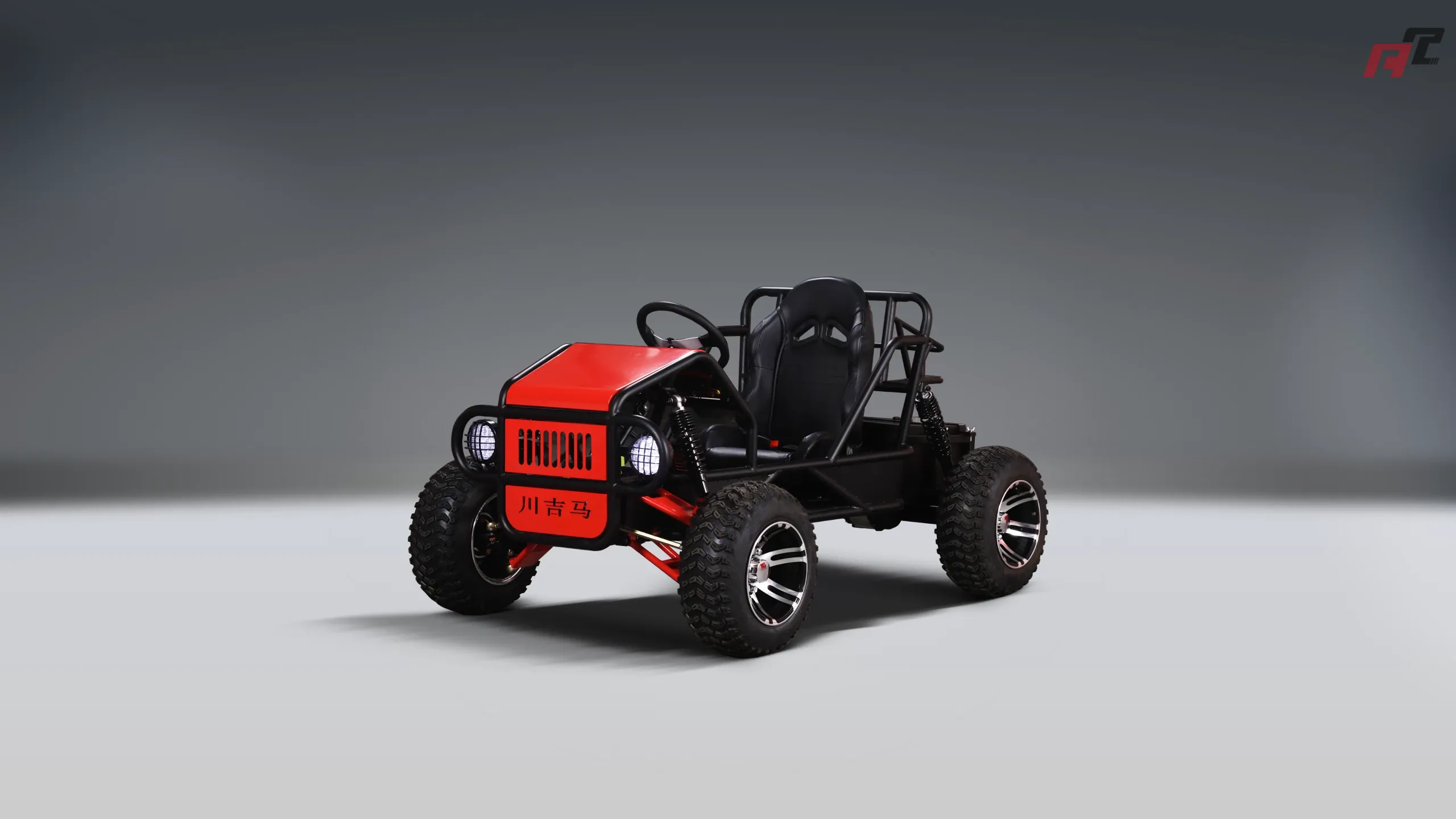
ATV monoplaza todoterreno eléctrico para niños
Descubra la aventura con el ATV monoplaza eléctrico para niños ANCHI, la experiencia todoterreno eléctrica perfecta para los jóvenes exploradores. Diseñado para la seguridad y el rendimiento, este kart todoterreno eléctrico para niños ofrece emociones inigualables en cualquier terreno. Su construcción duradera y sus controles fáciles de usar garantizan un viaje divertido y seguro. Ideal para los aventureros en ciernes, este ATV promete emoción sin fin. Explore el mundo con confianza con las innovadoras soluciones todoterreno eléctricas de ANCHI para niños.
© 2025 ANCHI AMUSEMENT Todos los derechos reservados.Privacidad|Términos|Mapa del sitio*El uso no autorizado de imágenes será perseguido.


