








Amusement Ride Liability Insurance for Bumper Cars Explained (2026 Guide)
A comprehensive 2026 guide to amusement ride liability insurance for bumper car operators, covering costs, coverage types, and risk management strategies.
When operating a family entertainment center or an amusement park in 2026, securing comprehensive Liability Insurance is the most critical step you can take to protect your business. Bumper cars are a staple of family fun, drawing massive crowds and generating significant revenue. However, the interactive and physical nature of these rides inherently carries a degree of risk. From minor whiplash to accidental trips in the queue area, operators must be financially prepared for the unexpected.
Navigating the complexities of Amusement park risk management doesn't have to be overwhelming. By understanding the specific types of coverage available, how equipment quality influences your premiums, and the common pitfalls to avoid, you can safeguard your assets while providing a thrilling, safe experience for your guests.
What Is Amusement Ride Liability Insurance?
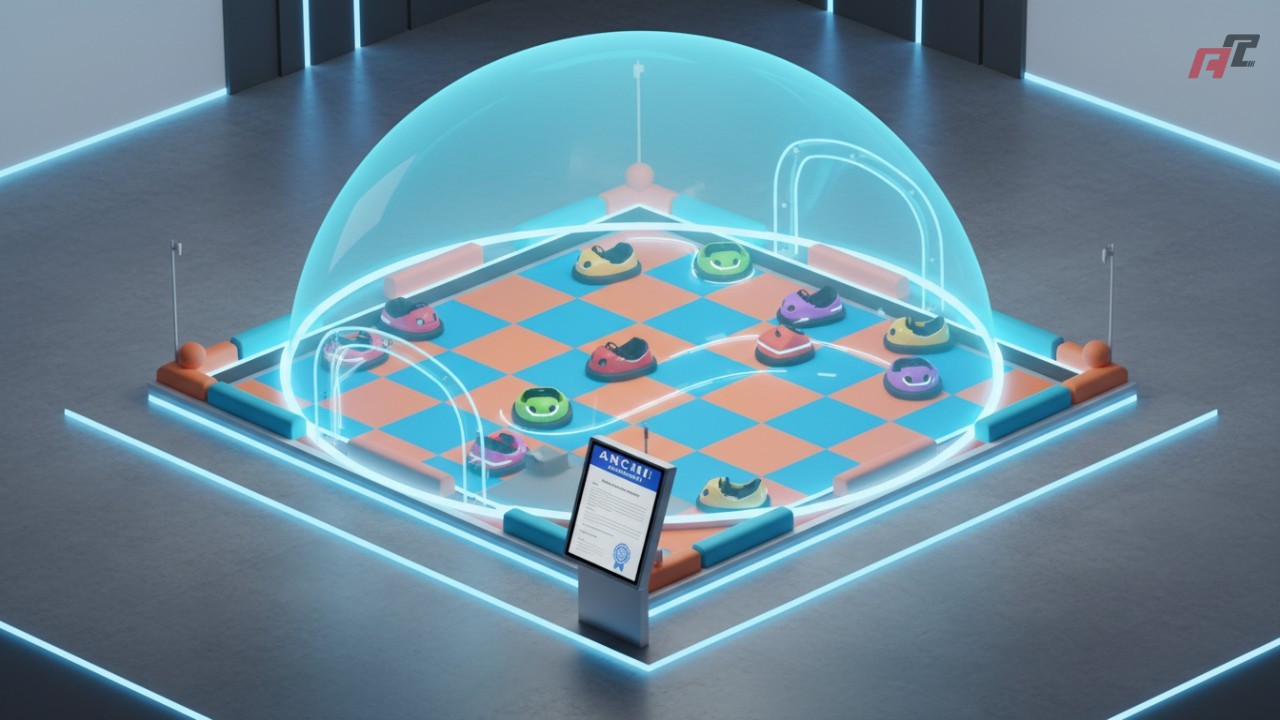
Amusement ride liability insurance is a specialized form of general liability insurance designed to protect operators financially from third-party claims. It primarily covers medical costs, legal defense fees, and settlements if a guest sustains a bodily injury or property damage while using rides like bumper cars.
At its core, this insurance acts as a financial shield. According to the Insurance Information Institute, a commercial general liability policy is vital because it covers the costs of your legal defense and pays damages if you are found liable, up to the limits of your policy. For bumper car operators, this means that if a patron is injured during a collision and decides to sue, your business will not have to drain its operating capital to cover the legal fees and medical bills.
Securing this coverage is not just a best practice; it is a mandatory legal requirement in most jurisdictions and a critical step in overall risk financing. Landlords, event organizers, and local municipalities will universally require proof of General liability insurance before granting you the permits necessary to operate your venue.
Key Takeaways: Quick Summary of Coverage Needs
Bumper car operators typically require a comprehensive liability insurance policy with a minimum of $1 million to $2 million in coverage. This ensures protection against bodily injury, premises hazards, and product defects, making it a non-negotiable component of amusement park risk management.
To ensure your venue is fully protected in 2026, keep these essential points in mind:
- High Policy Limits: Most bumper car operators need at least a $1 million to $2 million general liability insurance policy to adequately cover potential lawsuits.
- Comprehensive Scope: Coverage must include Premises liability for slips and falls around the bumper car arena, not just incidents on the ride itself.
- Defect Protection: Amusement equipment product liability is essential to cover potential defects in the ride's manufacturing or maintenance.
- Quality Matters: Investing in high-quality, certified amusement equipment from reputable manufacturers significantly reduces your risk profile and your insurance premiums.
Essential Types of Liability Coverage for Bumper Car Venues
A robust insurance portfolio for a bumper car venue must include general liability, premises liability, product liability, and workers' compensation. Together, these policies create a safety net that shields your business from lawsuits arising from customer injuries, equipment malfunctions, or workplace accidents.
Understanding the nuances of each policy type is critical for comprehensive Amusement park risk management. Below is a detailed breakdown of the coverage types you need.
| Coverage Type | Primary Protection Focus | Real-World Bumper Car Venue Example |
|---|---|---|
| General Liability Insurance | Third-party bodily injury coverage and property damage. | A rider suffers whiplash from a collision and requires medical attention. |
| Premises Liability | Accidents occurring on the physical property, outside the ride. | A guest slips on a wet floor in the queue area or trips over a loose cable. |
| Product Liability | Injuries caused by a manufacturing defect or equipment failure. | A steering wheel on a bumper car malfunctions, causing an unsafe crash. |
| Workers' Compensation | Employee medical expenses and lost wages due to work injuries. | A maintenance technician is injured while repairing a drift bumper car. |
1. General Liability Insurance
This is the foundation of your protection. General liability insurance covers common customer injuries that occur during the normal operation of your rides. Because bumper cars involve intentional collisions, the risk of minor injuries like whiplash or bruises is present. This policy ensures that if a guest requires medical attention, their bills are covered, mitigating the risk of a protracted lawsuit.
2. Premises Liability
While operators often focus on the rides themselves, many accidents happen before a guest even straps in. Premises liability protects your business if a patron is injured walking through the venue, waiting in line, or using the restrooms.
3. Amusement Equipment Product Liability
Even with strict maintenance protocols, equipment can occasionally fail. Amusement equipment product liability offers protection in the event that the bumper car equipment itself malfunctions—such as a battery short-circuit or a seatbelt failure—and causes harm.
4. Workers' Compensation
Your staff is the lifeblood of your operation. Workers' compensation is a legally required policy in most states that covers medical expenses and lost wages for ride operators, ticket attendants, and maintenance staff if they are injured while on the job.
How Quality Equipment Lowers Liability Risks (The ANCHI Advantage)
Insurance underwriters calculate premiums based on risk, meaning safer equipment directly translates to lower monthly insurance costs. Partnering with top-tier manufacturers ensures your bumper car fleet meets rigorous safety standards, significantly reducing the likelihood of accidents and subsequent liability claims.
When an insurance underwriter evaluates your bumper car business, they look closely at the origin, age, and safety features of your fleet. This is where partnering with a leading manufacturer like Guangzhou Anchi Amusement Equipment Co., Ltd. (ANCHI Amusement) provides a massive competitive and financial advantage.
ANCHI Amusement is at the forefront of technological advancement in the amusement sector. Operating out of a massive 5,000 square meter production space with multiple assembly lines, their team of over 30 highly skilled technicians conducts rigorous R&D to ensure every vehicle is optimized for safety.
By investing in modern, safety-tested fleet options—such as inflatable bumper cars, laser battle bumper cars, and drift bumper cars—operators naturally lower their risk profile. For instance, inflatable bumper cars feature advanced shock absorption that drastically reduces the impact force of collisions, thereby lowering the chances of claims against your bodily injury coverage.
Furthermore, ANCHI Amusement goes beyond just custom go-kart and bumper car manufacturing. They offer comprehensive venue design solutions covering everything from conceptualization to execution. A well-planned venue layout optimizes foot traffic flow, creates safe queuing zones, and eliminates environmental hazards, which directly reduces your exposure to Premises liability claims.
How Much Does Bumper Car Insurance Cost in 2026?
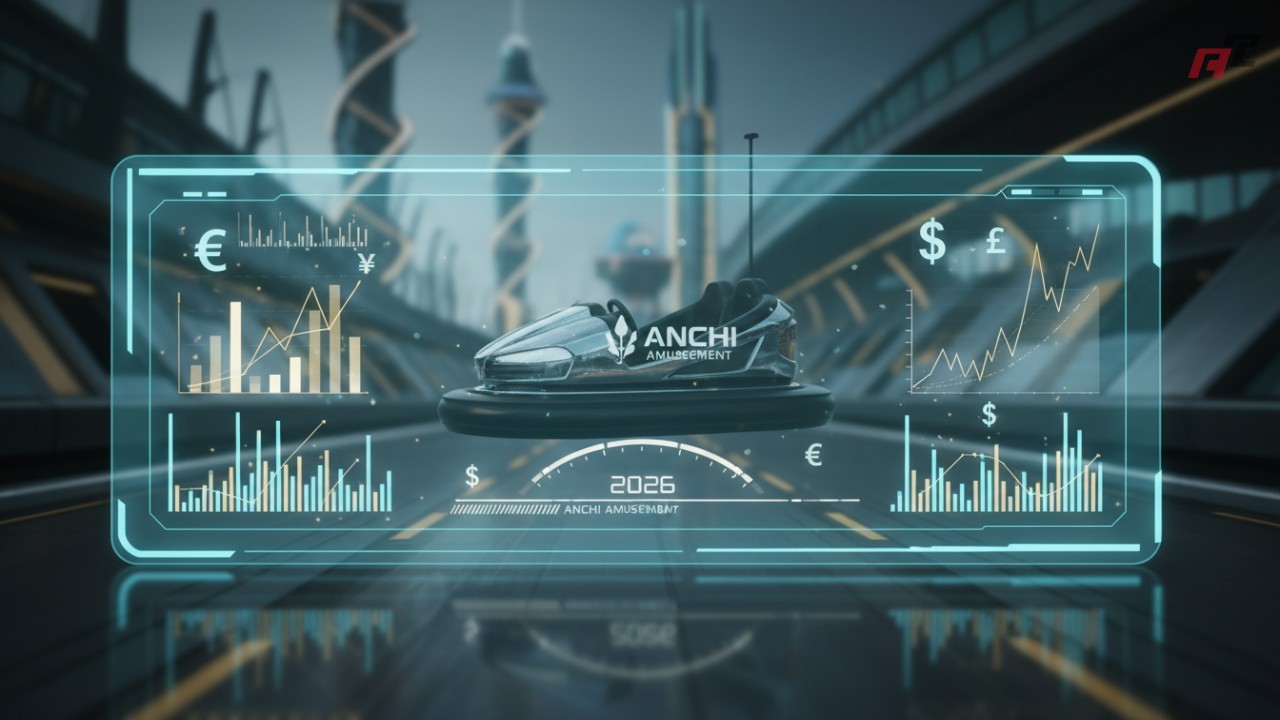
In 2026, bumper car operators can expect to pay between $1,500 and $5,000 annually for comprehensive general liability insurance. Your specific premium is determined by venue size, claims history, equipment safety ratings, and the specific policy limits and deductibles you select.
While these average costs provide a baseline, the amusement industry is heavily data-driven. According to safety reports from the International Association of Amusement Parks and Attractions (IAAPA), the chance of being seriously injured on a fixed-site ride at a U.S. amusement park is incredibly low—approximately 1 in 15.5 million rides taken. Insurance providers use this macro-level safety data, combined with your venue's micro-level data, to price your policy.
Factors that will push your premiums toward the higher end of the spectrum include:
- Operating High-Speed Rides: Mixing traditional bumper cars with high-speed adult electric karts or electric off-road vehicles increases the overall risk profile of the venue.
- High Foot Traffic: Larger venues with massive daily attendance inherently face a higher statistical probability of Premises liability incidents.
- Poor Claims History: A history of frequent payouts will cause underwriters to label your business as high-risk.
Conversely, insurers frequently offer lucrative discounts for venues that can provide extensive modern safety R&D documentation, proof of routine maintenance, and professional venue layouts designed by industry experts.
Expert Tips: Common Mistakes When Insuring Amusement Equipment
Avoiding common insurance pitfalls is crucial for long-term venue profitability and legal protection. Operators frequently make costly errors such as underinsuring their fleet, failing to update policies when adding new rides, or overlooking the hazards of poorly designed venue layouts.
To ensure your Amusement park risk management strategy is flawless, avoid these four critical mistakes:
- Mistake 1: Underinsuring to Save Money. Opting for the absolute minimum coverage might save you a few dollars a month, but a single severe lawsuit can easily exceed a low-limit policy, leaving your personal and business assets vulnerable.
- Mistake 2: Failing to Update Your Insurer. If you upgrade your fleet to include new youth karts, children's off-road vehicles, or laser battle bumper cars, you must inform your insurer immediately. Unreported equipment may not be covered in the event of an accident.
- Mistake 3: Overlooking Venue Layout Hazards. Poorly designed arenas increase the risk of trips, falls, and crowd crushes. Utilizing professional venue design services is crucial. To further understand how a well-designed venue impacts both safety and profitability, check out our guide on Electric Bumper Car Operations & Marketing: Maximizing Park Traffic.
- Mistake 4: Poor Documentation. Insurers require meticulous records during a claim. Not thoroughly documenting routine daily maintenance, employee safety training, and incident reports gives insurance companies grounds to deny your coverage.
Conclusion
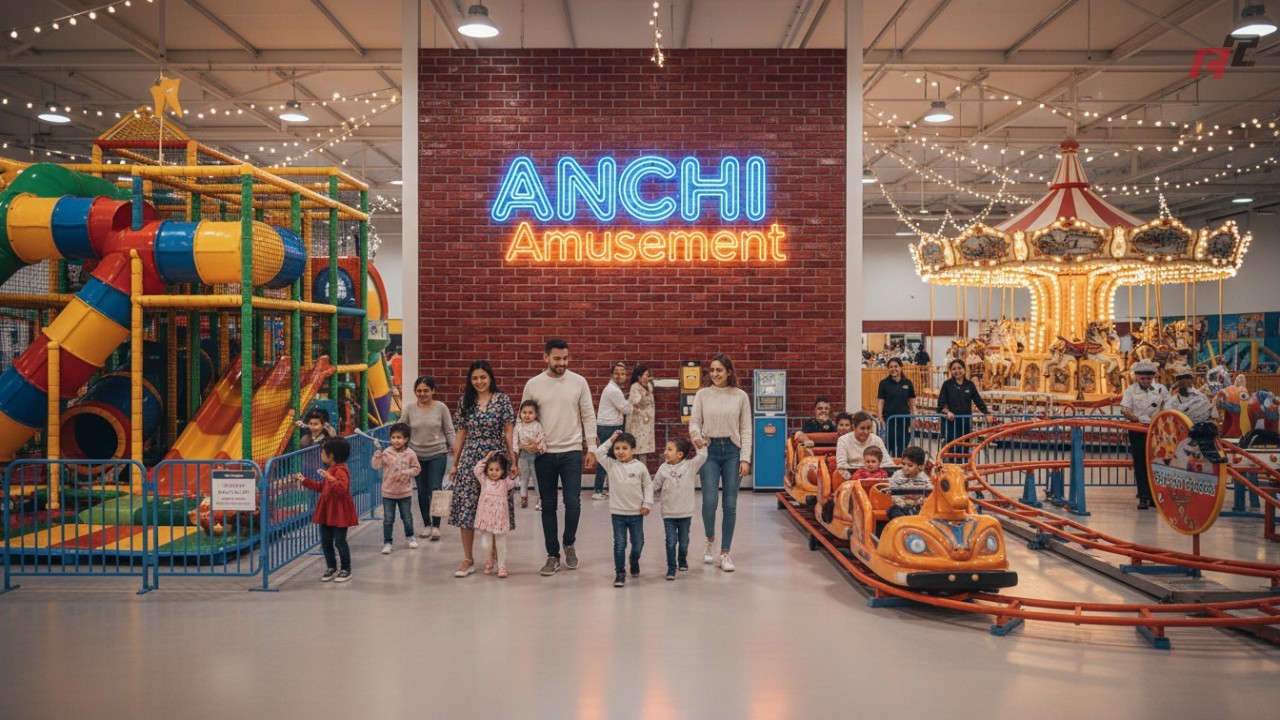
Understanding and securing the right amusement ride liability insurance is critical for protecting your bumper car business and personal assets in 2026. By focusing on comprehensive General liability insurance, securing adequate premises coverage, and investing in exceptionally safe equipment, you can manage risks effectively and lower your annual premiums. Choosing a trusted manufacturing partner like ANCHI Amusement ensures your venue is safe, fun, and fully optimized for long-term success.
Contact us at sandy@anchiyoule.com or visit www.anchiamusement.com today to upgrade your venue with premium, safety-tested bumper cars and custom design solutions.
FAQs About Liability Insurance
Do I need liability insurance to run a bumper car business?
Yes, liability insurance is required to protect your business from the financial fallout of customer injuries and lawsuits. Many landlords and local governments legally mandate proof of general liability insurance before granting operating licenses.
What does general liability insurance cover for amusement rides?
It covers third-party bodily injury, meaning it pays for medical bills if a customer gets hurt on the bumper cars. It also covers legal defense fees, settlements, and property damage caused by your business operations.
How much liability coverage should a bumper car venue have?
Most industry experts recommend a minimum aggregate limit of $1 million to $2 million. Larger amusement parks with a wider array of products, like go-karts and off-road vehicles, may require umbrella policies for additional coverage.
Does the type of bumper car affect insurance premiums?
Absolutely. Modern equipment with advanced safety features and collision mitigation generally qualifies for lower insurance rates. For example, high-quality inflatable bumper cars may present a lower injury risk than older, heavy-metal traditional models.
What is premises liability in an amusement park?
Premises liability holds the property owner responsible for any accidents that occur on the property itself, outside of the actual rides. This covers incidents like a guest tripping over an exposed wire or slipping on a wet floor near the bumper car arena.
Are inflatable bumper cars cheaper to insure than traditional ones?
They often can be, as the inflatable barrier provides better shock absorption, reducing the likelihood of whiplash or physical trauma. Insurance providers assess the safety records and R&D backing of the equipment when determining the premium.
How can venue design reduce liability insurance costs?
A professionally designed venue ensures safe traffic flow, proper fencing, and adequate space for boarding and disembarking. Utilizing an experienced provider for comprehensive venue design minimizes hazards, which underwriters view favorably when pricing your policy.
Does product liability cover defective amusement equipment?
Yes, product liability insurance protects against claims that a flaw in the equipment's manufacturing or design caused an injury. This is why buying from reputable manufacturers with strict quality control, assembly lines, and expert technicians is critical to mitigating risk.
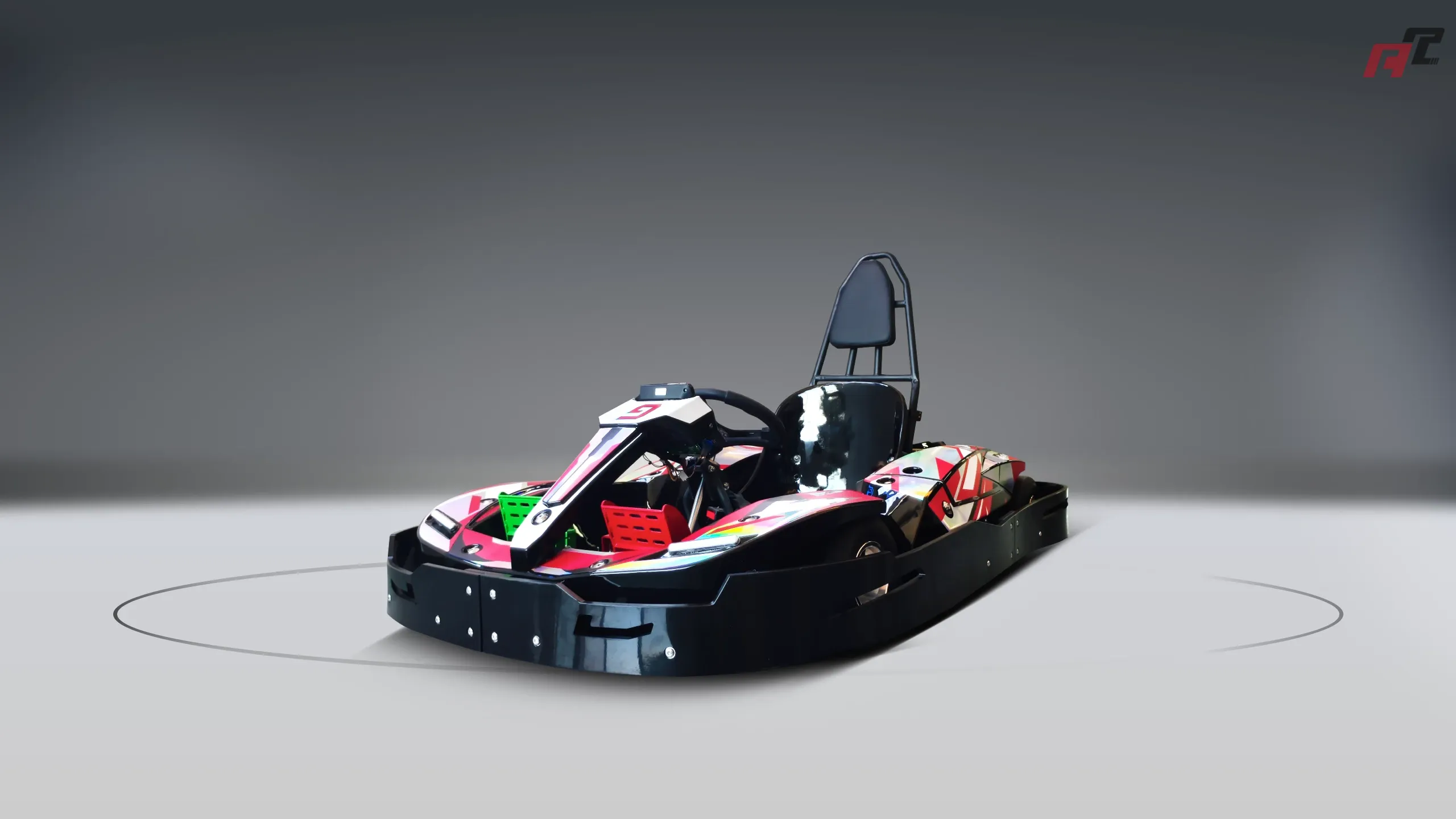
Cyclone RS 2025 1200W Electric Go-kart for Home Entertainment Centers
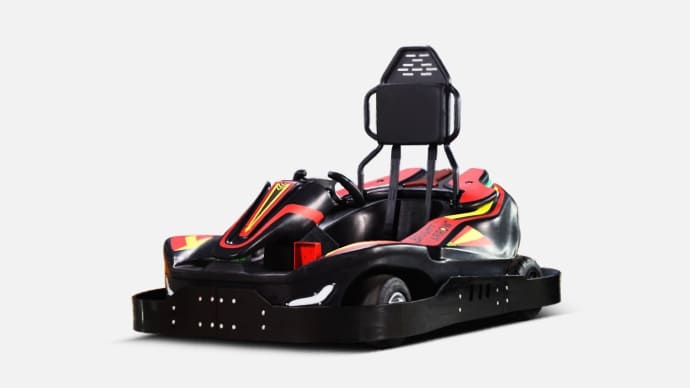
The Cyclone RS 2025 is a high-performance electric ride-on car designed for thrill-seekers, entertainment centers, and commercial amusement businesses. Built with a durable ABS body and reinforced metal chassis, it combines strength, safety, and speed for a superior driving experience. With a 1200W mid-mounted motor (peaking at 3600W), advanced control system, and long-lasting 72V20AH LiFePO₄ battery, this ride ensures both powerful performance and reliability.
Whether for amusement parks, game zones, rental businesses, or personal recreational use, the Cyclone RS 2025 delivers unmatched excitement and durability.
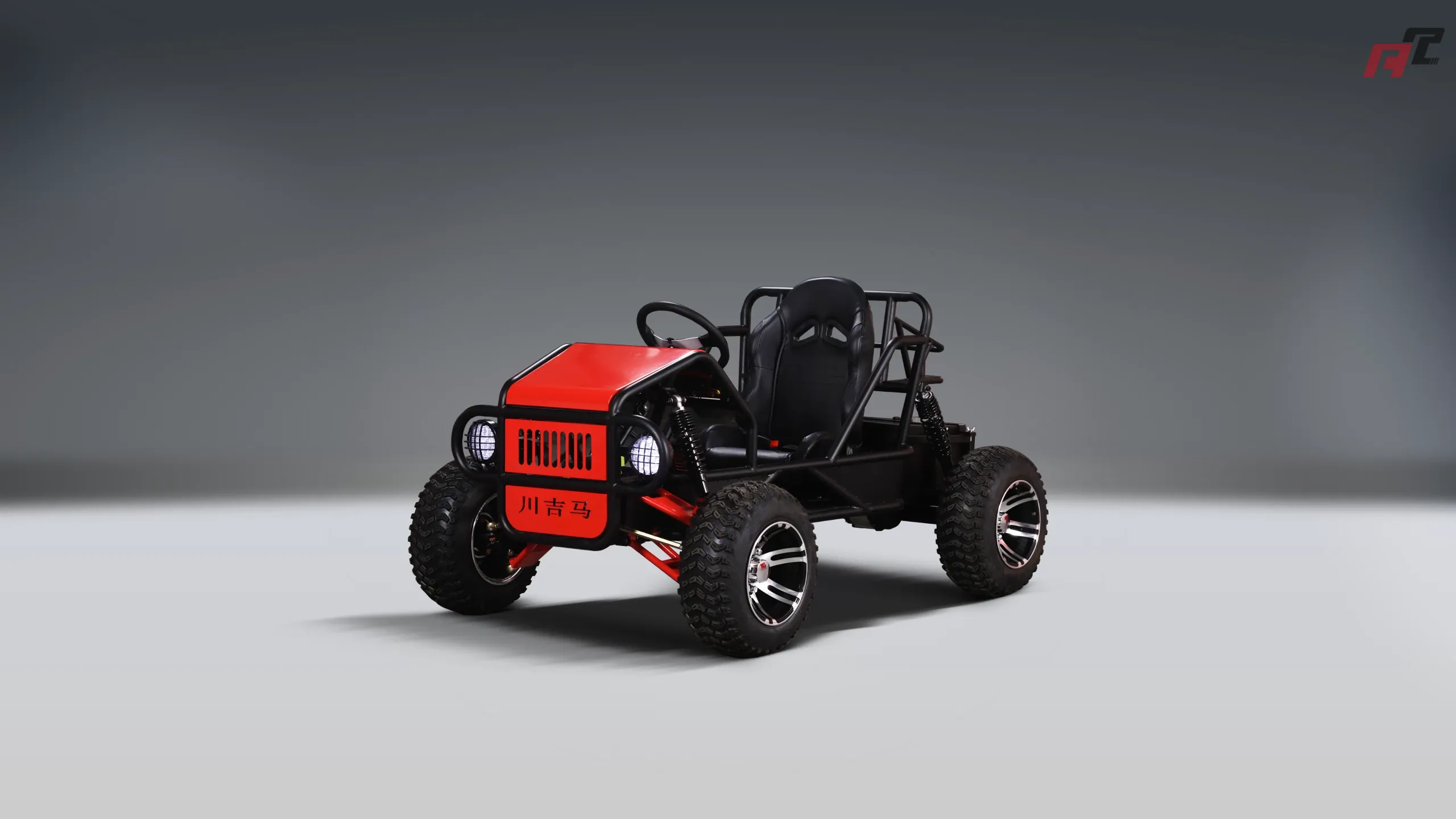
Kids Electric Off Roads One-seater ATV
Discover adventure with the ANCHI Kids Electric One-seater ATV, the perfect electric off-road experience for young explorers. Designed for safety and performance, this electric off-road go kart for kids offers unmatched thrills on any terrain. Its durable build and easy-to-use controls ensure a fun and safe ride. Ideal for budding adventurers, this ATV promises endless excitement. Explore the world with confidence with ANCHI’s innovative electric off-road solutions for kids.
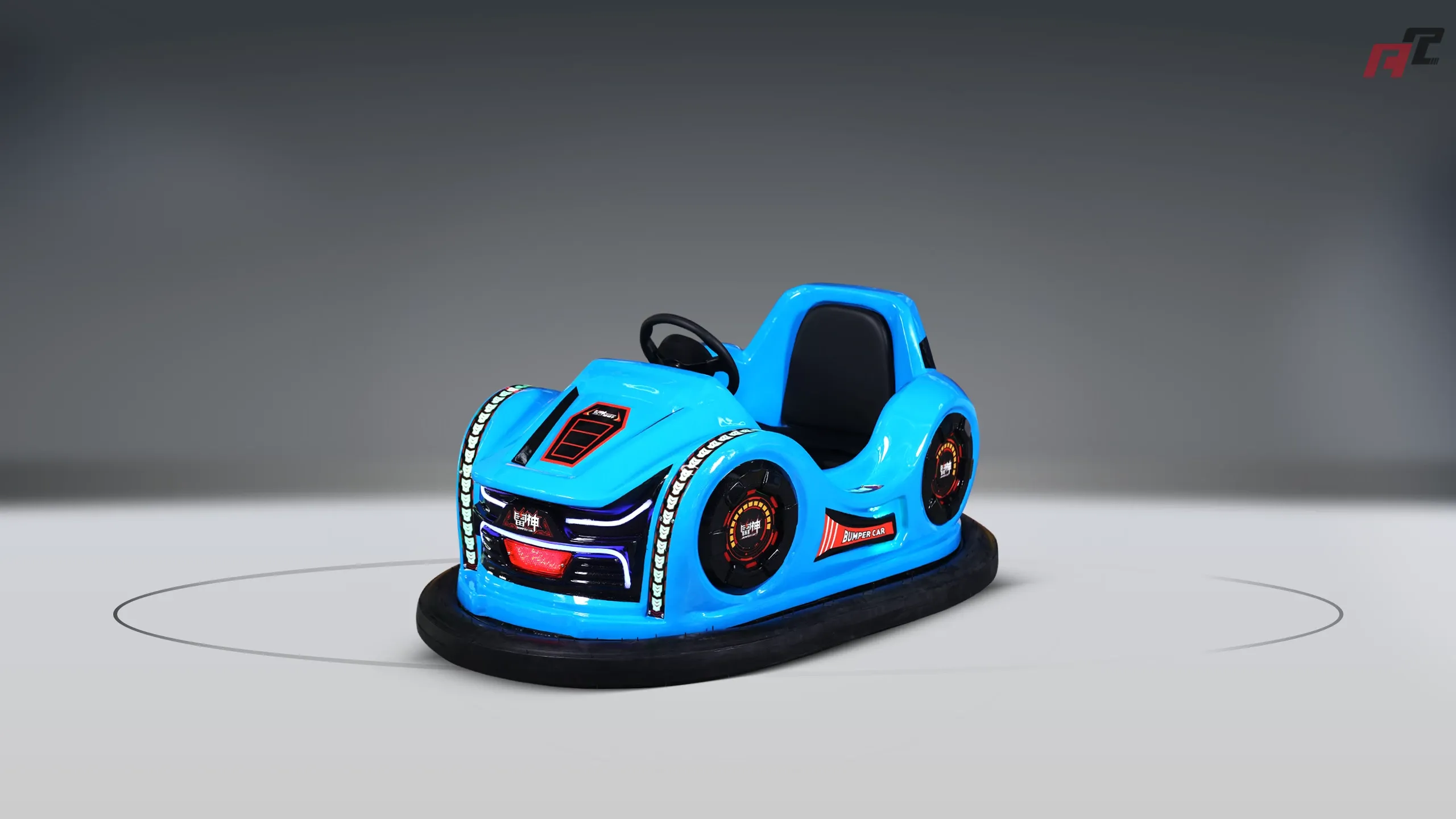
Battery Drift Bumper Car With inflatable tyre
The Battery Drift Bumper Car with Inflatable Tire with 650W steel gear motor, and high quality battery wich can becharged outside the car, the bumper car is ideal for amusement parks, family entertainment centers, build quality for safe, long-lasting fun.
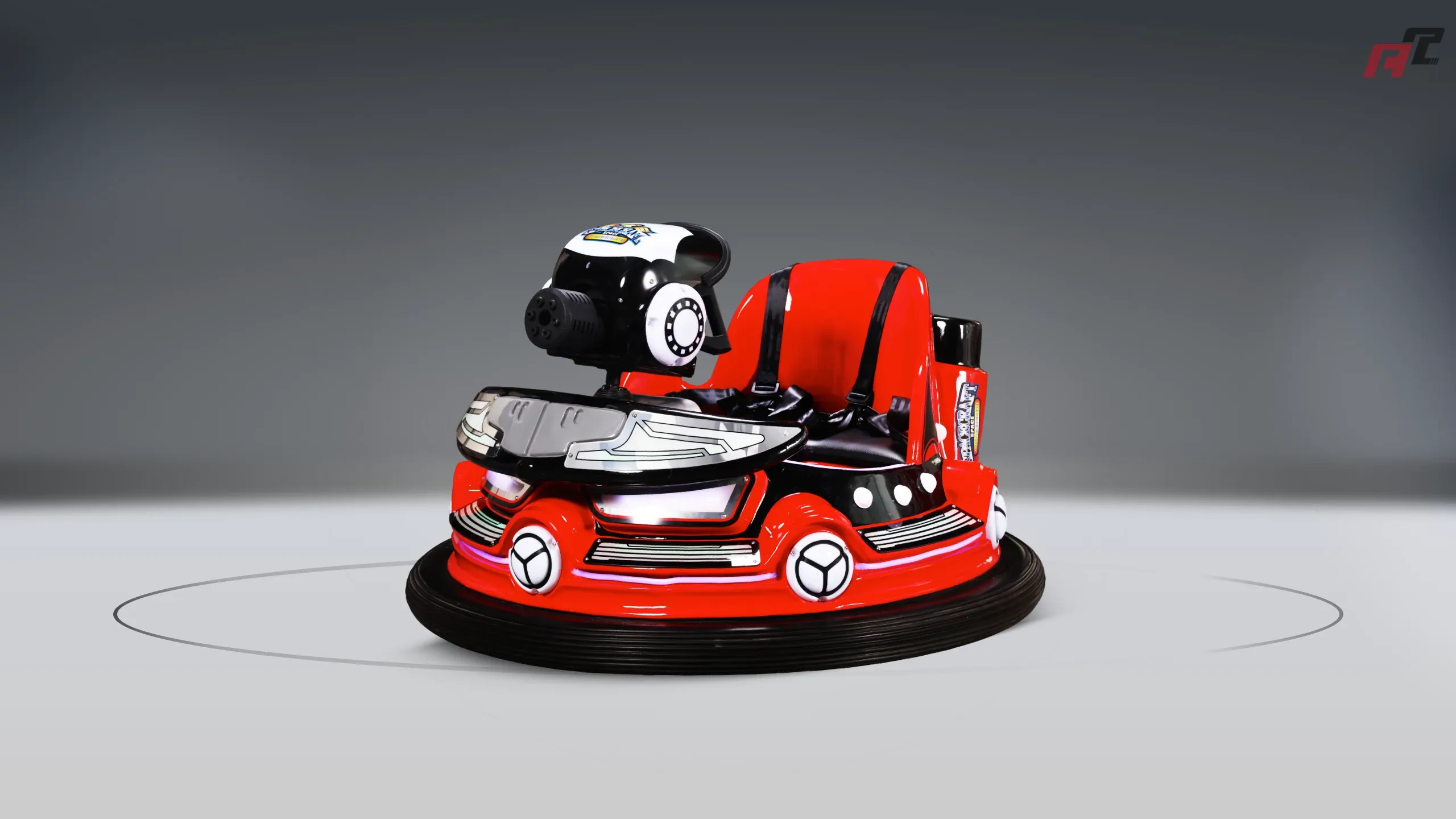
Spaceship Laser Battle Bumper Car
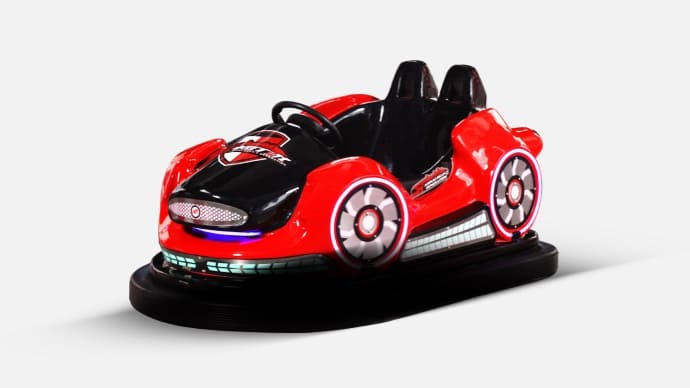
Discover the future of fun with the ANCHI Spaceship Laser Battle Bumper Car! Designed for thrill-seekers, this kids bumper car offers an exhilarating laser battle experience. Parents and children alike will enjoy hours of safe, exciting play. Ideal for parties or everyday fun, it combines durability with innovative technology.


