



Why Are Ceiling Grid Bumper Cars Disappearing?
An engineering and commercial analysis of why legacy ceiling grid bumper cars are being phased out in favor of modern commercial immersive indoor bumper car systems.
Quick Answer
Ceiling grid bumper cars are disappearing due to high structural installation costs, continuous mechanical wear, elevated safety risks from open electrical arcing, and heavy maintenance overhead. Operators are transitioning toward the modern commercial immersive indoor bumper car, which leverages modular floor power or onboard lithium packs. Key decision metrics include ceiling load-bearing limits, power distribution efficiency, maintenance downtime, and spatial adaptability. Final ride selections depend entirely on specific facility structural dimensions and operational constraints.
How Supports Projects
Engineering teams provide tailored attraction design, OEM/ODM manufacturing, and rigorous quality control for modern indoor dynamic attractions. Product solutions prioritize modular deployment, structural safety adherence, and interactive control unit integration to match strict venue requirements.
Prospective operators must confirm venue floor load limits, ceiling clearance height, intended operational capacity, and electrical delivery parameters before project launch. Minimum order quantities (MOQ), production lead times, and project-specific quotations are determined upon technical review of floor layouts.
Discuss Your Indoor Dynamic Attraction Requirements
To evaluate the transition from legacy overhead grid setups to self-contained systems, submit your venue floor plan dimensions, target opening date, expected throughput per cycle, local electrical specifications, and thematic requirements. Engineering options, dynamic tracking systems, and delivery milestones can be reviewed directly via sandy@anchiyoule.com.
FAQ
Why do overhead contact grids fail modern facility safety audits?
Legacy ceiling grid systems utilize hot conductive metal mesh suspended overhead alongside a grounded steel floor. As the trolley pole rubs along the energized mesh, continuous mechanical contact creates visible electrical arcing, carbon debris, and intermittent ozone discharge. Modern commercial building codes and fire safety regulations restrict open sparking in enclosed family entertainment centers. Additionally, suspended electrical grids present potential hazards during seismic events or structural shifts, making them difficult to certify under strict venue safety standards.
How do ceiling pole wear patterns affect operational maintenance budgets?
The continuous kinetic friction between the flexible trolley pole shoe and the suspended copper or steel grid causes high component wear. Maintenance teams must routinely inspect, clean, and replace worn copper graphite contact shoes, tension springs, and distorted grid mesh sections to avoid voltage drops. Furthermore, graphite dust and metallic shavings fall continuously into the operational arena, demanding daily vacuuming and specialized air filtration maintenance to prevent premature mechanical contamination.
What ceiling load limitations prevent grid installations in retail spaces?
Traditional ceiling grid systems require dedicated overhead structural trusses capable of sustaining thousands of kilograms of static tension and dynamic vibration. Modern retail shopping malls and commercial real estate venues rarely feature heavy industrial load-bearing ceiling structures capable of anchoring high-tension electrified netting. Reinforcing roof joists to support dynamic load requirements substantially inflates upfront capital expenditure, rendering retrofits economically non-viable compared to self-contained bumper vehicles.
Why do floor-pickup systems offer superior spatial floor plan flexibility?
Floor-pickup (FPU) and battery-powered platforms eliminate the physical tether between the vehicle and the building roof. Without an overhead structural grid, operators maintain unobstructed sightlines, allowing for flexible venue theming, projection mapping, overhead kinetic lighting, and standard ceiling ventilation ductwork. Furthermore, venues can reconfigure or relocate dynamic track perimeters without undergoing costly structural deconstruction of high-voltage overhead wiring and tensioned steel frames.
How does ambient electrical arcing interfere with modern digital controls?
Legacy trolley pole systems produce intense electromagnetic interference (EMI) due to constant micro-arcing between the contact shoe and the wire mesh. Modern dynamic attractions integrate complex digital components, including programmable logic controllers (PLCs), optical tracking cameras, wireless RFID readers, and responsive interactive soundscapes. Unshielded high-frequency electrical noise from overhead arcing disrupts low-voltage wireless control signals, corrupts digital communications, and triggers frequent false sensor trips across dynamic tracking software.
What total cost of ownership factors drive the battery transition?
While lithium-ion and floor-pickup vehicles require dedicated charging banks or precision-milled floor plates, their long-term operational expenditure is substantially lower than ceiling grid infrastructure. Overhead grids incur perpetual electrical transmission inefficiencies, elevated commercial insurance premiums due to open sparks, and extensive specialized labor for high-altitude maintenance. Transitioning to battery or floor-powered platforms reduces facility installation labor, eliminates high-altitude safety liabilities, and lowers continuous electrical maintenance overhead.
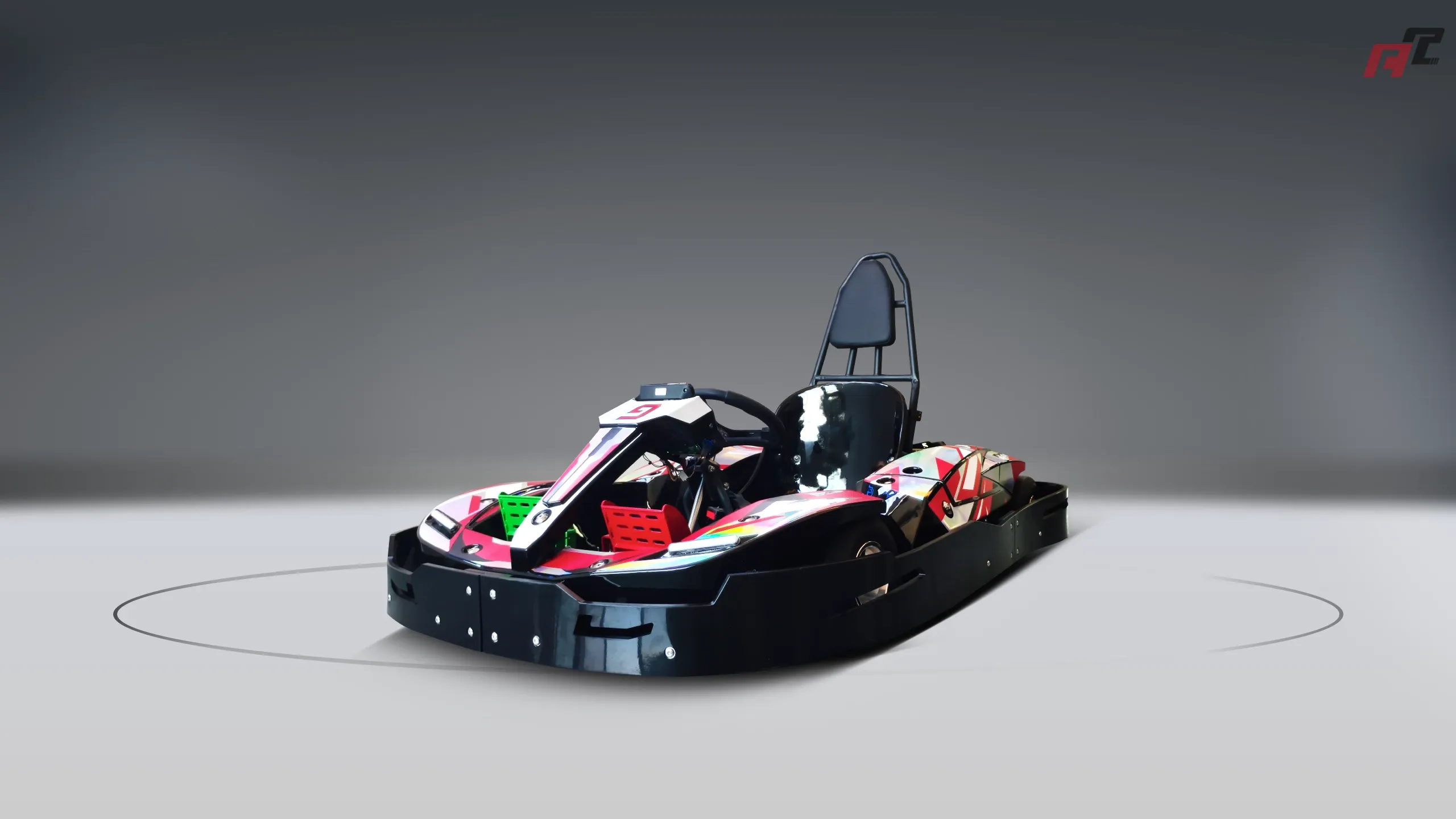
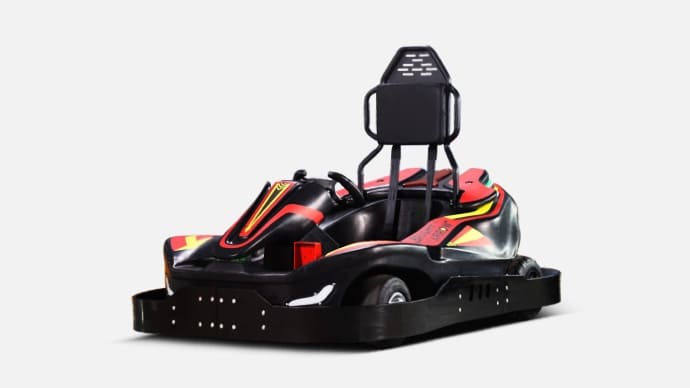
Cyclone RS 2025 1200W Electric Go-kart for Home Entertainment Centers
The Cyclone RS 2025 is a high-performance electric ride-on car designed for thrill-seekers, entertainment centers, and commercial amusement businesses. Built with a durable ABS body and reinforced metal chassis, it combines strength, safety, and speed for a superior driving experience. With a 1200W mid-mounted motor (peaking at 3600W), advanced control system, and long-lasting 72V20AH LiFePO₄ battery, this ride ensures both powerful performance and reliability.
Whether for amusement parks, game zones, rental businesses, or personal recreational use, the Cyclone RS 2025 delivers unmatched excitement and durability.
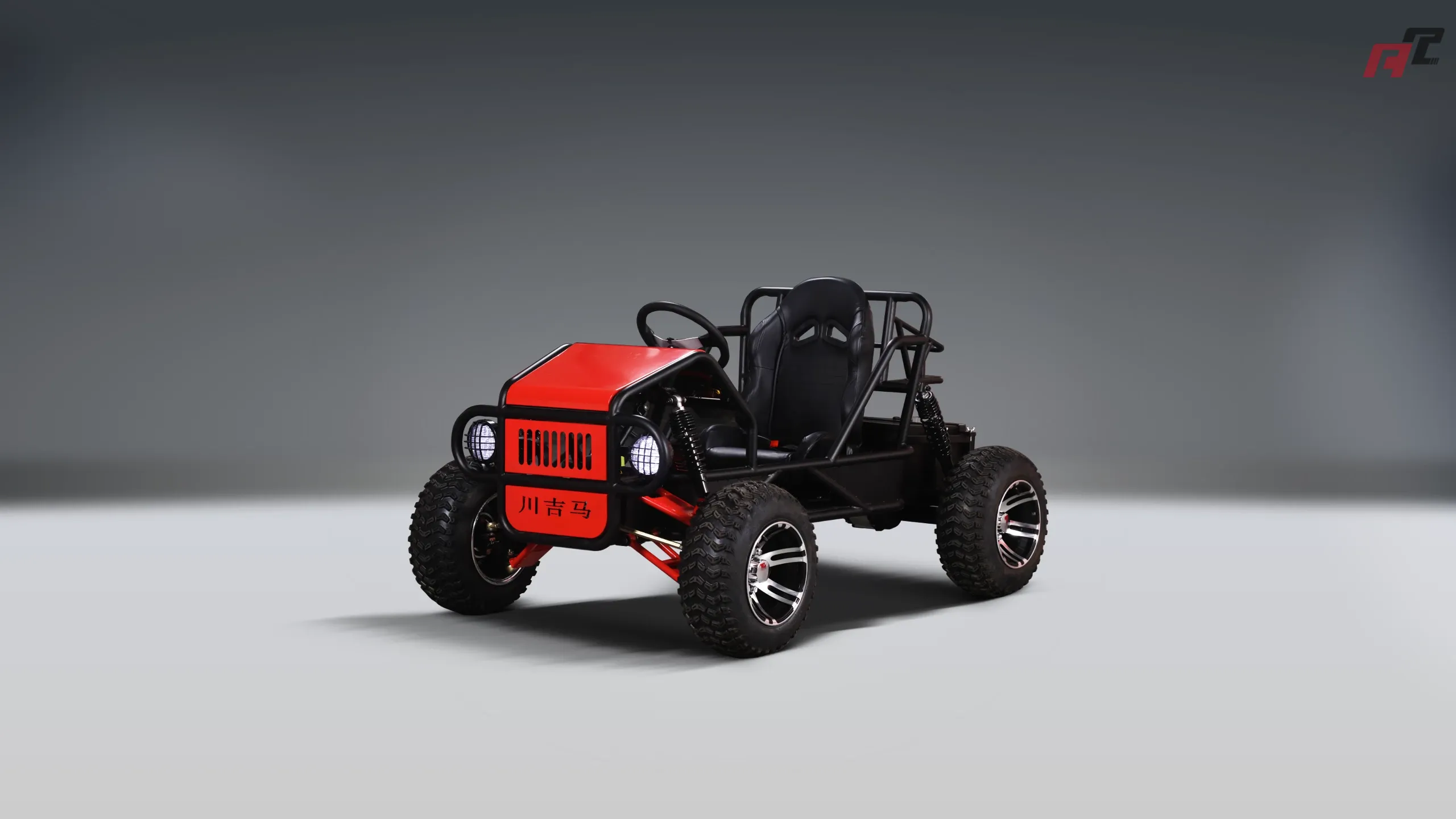
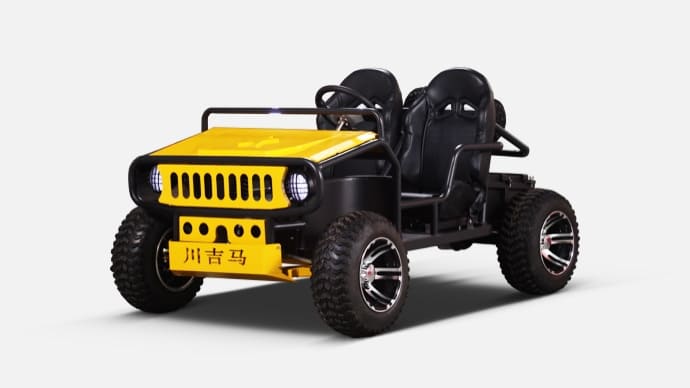
Kids Electric Off Roads One-seater ATV
Discover adventure with the ANCHI Kids Electric One-seater ATV, the perfect electric off-road experience for young explorers. Designed for safety and performance, this electric off-road go kart for kids offers unmatched thrills on any terrain. Its durable build and easy-to-use controls ensure a fun and safe ride. Ideal for budding adventurers, this ATV promises endless excitement. Explore the world with confidence with ANCHI’s innovative electric off-road solutions for kids.
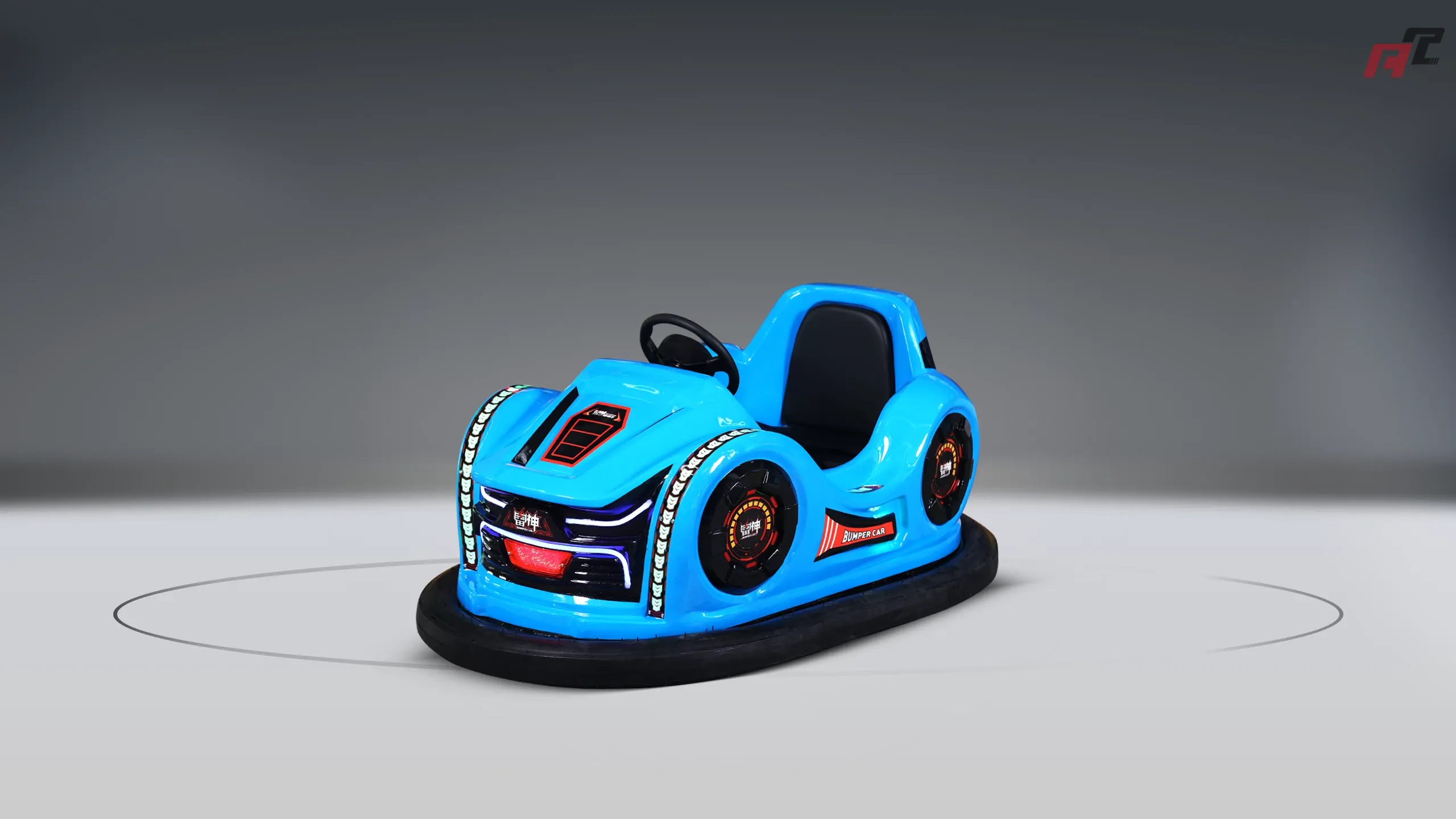
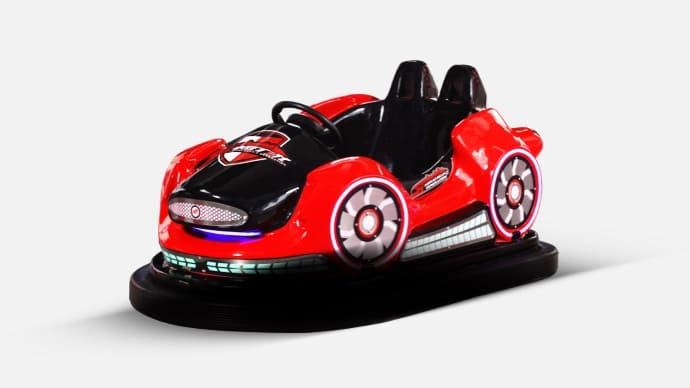
Battery Drift Bumper Car With inflatable tyre
The Battery Drift Bumper Car with Inflatable Tire with 650W steel gear motor, and high quality battery wich can becharged outside the car, the bumper car is ideal for amusement parks, family entertainment centers, build quality for safe, long-lasting fun.
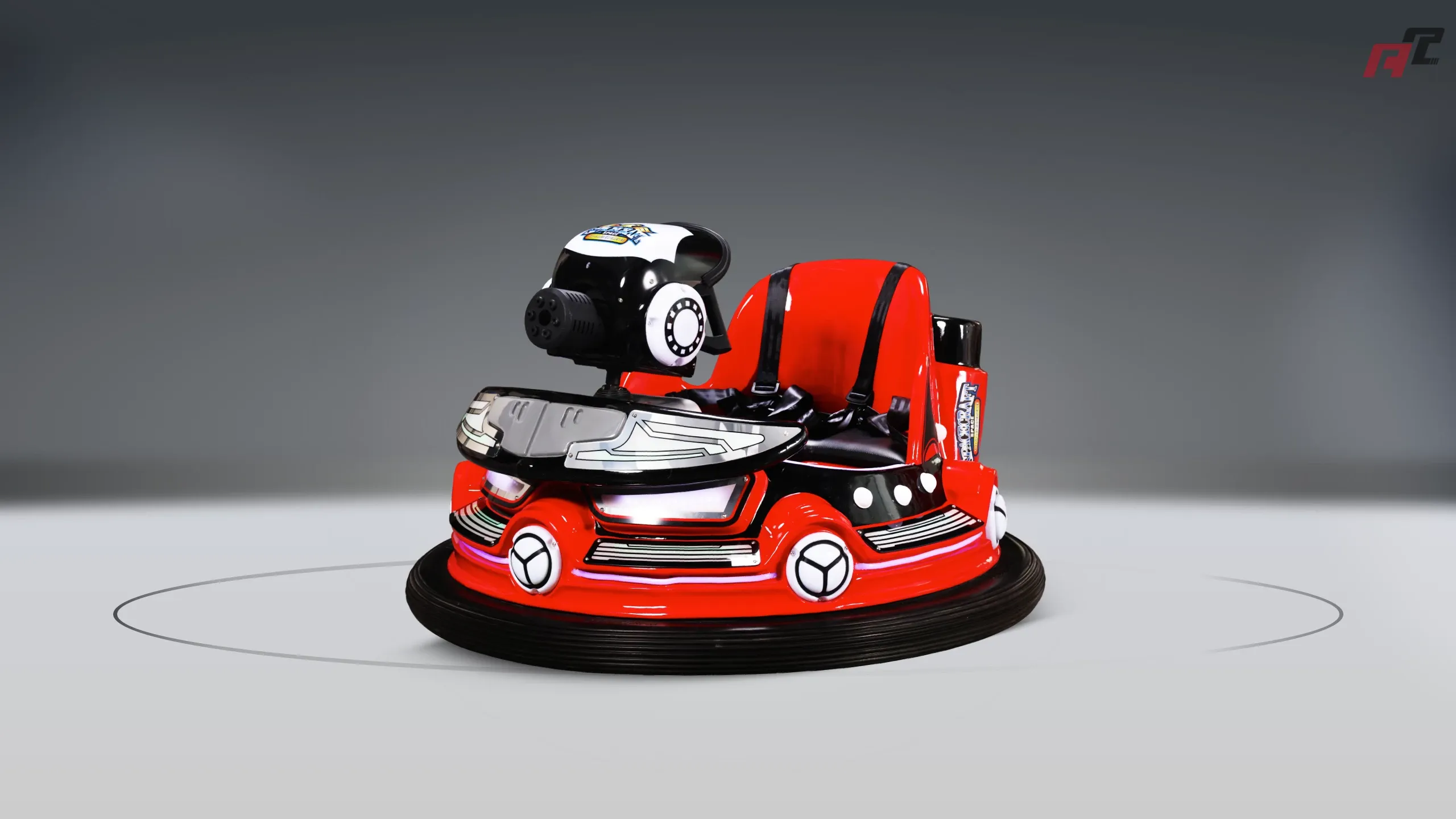
Spaceship Laser Battle Bumper Car
Discover the future of fun with the ANCHI Spaceship Laser Battle Bumper Car! Designed for thrill-seekers, this kids bumper car offers an exhilarating laser battle experience. Parents and children alike will enjoy hours of safe, exciting play. Ideal for parties or everyday fun, it combines durability with innovative technology.


