

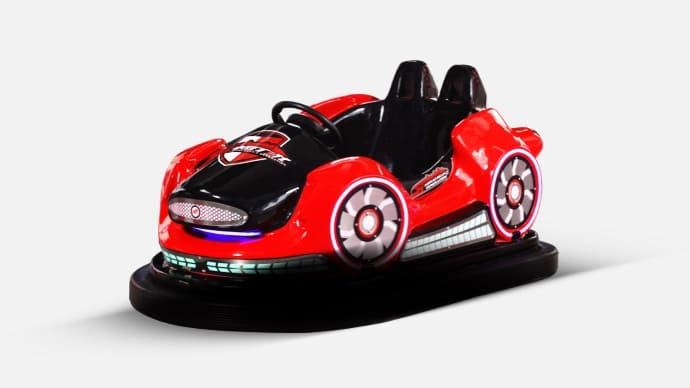
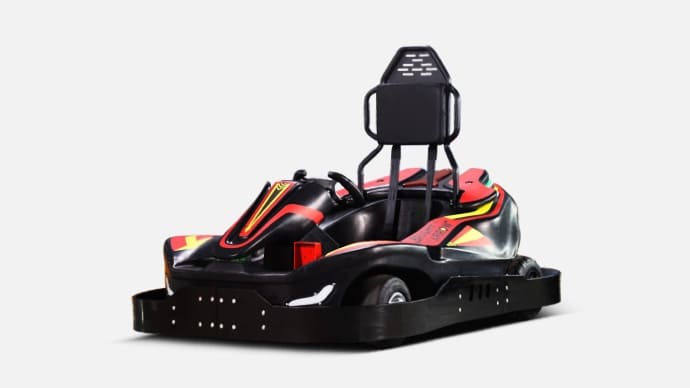
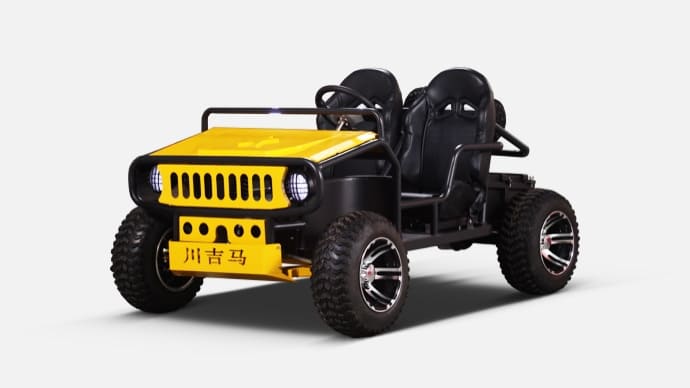


Where to Find Vetted Childrens Bumper Car Manufacturers?
A B2B guide for commercial operators on locating and vetting childrens bumper car manufacturers, auditing safety compliance, and navigating equipment procurement.
Quick Answer
Vetted manufacturers of childrens bumper cars are primarily sourced through specialized amusement trade expos, audited industrial manufacturing clusters, and verified B2B machinery directories. When evaluating suppliers, key selection factors include chassis impact resistance, drive motor and battery specifications, international safety certifications, and track record. Final equipment selection depends strictly on specific facility footprints and operational requirements.
How Supports Projects
Technical sourcing specialists support procurement teams by coordinating directly with audited production facilities to deliver tailored OEM and ODM solutions. Before manufacturing begins, operators must confirm operational parameters including arena dimensions, operating voltage, vehicle payload thresholds, and collision barrier compatibility.
Every manufacturing order undergoes structured quality control assessments, covering motor bench testing and structural chassis stress analysis. Final order lead times, minimum order quantities (MOQ), and commercial quotations must be confirmed per project to align with specific regional shipping schedules and site readiness.
Discuss Your Bumper Car Procurement Requirements
To initiate a comprehensive procurement assessment, please share your venue dimensions, target passenger age brackets, planned fleet size, preferred propulsion system, regional electrical standards, and projected installation timeline. Our technical specialists can evaluate your floor layouts and supply chain specifications directly. Submit your project requirements to sandy@anchiyoule.com for detailed technical and logistics evaluation.
FAQ
Where can commercial operators source certified childrens bumper car factories directly?
Commercial buyers identify vetted manufacturers primarily through international amusement trade associations such as IAAPA or specialized industrial manufacturing clusters in Zhejiang and Guangdong. Direct sourcing requires cross-referencing factory business licenses against certified testing databases rather than relying solely on online trading portal badges. Sourcing directly from certified facilities ensures direct engineering support and prevents unvetted intermediary markups.
How do buyers verify international safety compliance for childrens bumper cars?
Compliance verification requires reviewing accredited third-party test reports for regional standards, including EN 13814 in Europe or ASTM F2291 in North America. Operators should request direct documentation from notified bodies covering electrical low-voltage directives, electromagnetic compatibility (EMC), and non-toxic EVA bumper perimeter materials. Verifying test report certificate numbers directly with the issuing testing laboratory prevents the acceptance of counterfeit compliance certificates.
Which trade hubs offer qualified manufacturers of childrens bumper cars worldwide?
Key global manufacturing hubs are concentrated in China's Pearl River Delta and Yangtze River Delta, alongside specialized boutique engineering firms in Northern Italy and the United Kingdom. While European manufacturers focus heavily on traditional high-throughput grid-powered systems, Asian production centers lead in modular battery-powered models featuring brushless DC motors. Evaluating location-specific logistics, freight tariffs, and regional import duties is essential during early vendor selection.
How do factory audits expose low quality childrens bumper car production?
Comprehensive factory audits evaluate raw material provenance, welding integrity on steel tubular chassis, and the quality of fiberglass reinforced plastics (FRP). Auditors scrutinize whether a manufacturer uses new automotive-grade batteries or reclaimed cells, alongside inspecting harness wiring and circuit protection boards. On-site dynamic load stress testing and electrical insulation testing expose sub-standard component assembly that standard visual brochures conceal.
What supply chain risks affect importing childrens bumper cars from overseas?
Primary risks involve maritime freight volatility, port customs clearance delays linked to lithium battery transport classifications, and transit damage to composite bodywork. Incomplete documentation for customs, such as missing UN38.3 battery test summaries or incorrect Harmonized System (HS) codes, can lead to severe operational delays. Establishing clear Incoterms and securing pre-shipment crating inspections mitigates handling hazards during intermodal transit.
How do warranties and parts support differ among bumper car vendors?
Tier-one manufacturers provide formal component warranties covering motors, speed controllers, and structural frames for twelve to twenty-four months, backed by committed spare parts inventories. Lower-tier suppliers often restrict warranty coverage to bare replacement parts excluding international freight, or fail to stock proprietary electronic control modules beyond initial production runs. Buyers must negotiate clear service-level agreements detailing parts dispatch timelines prior to signing purchase contracts.
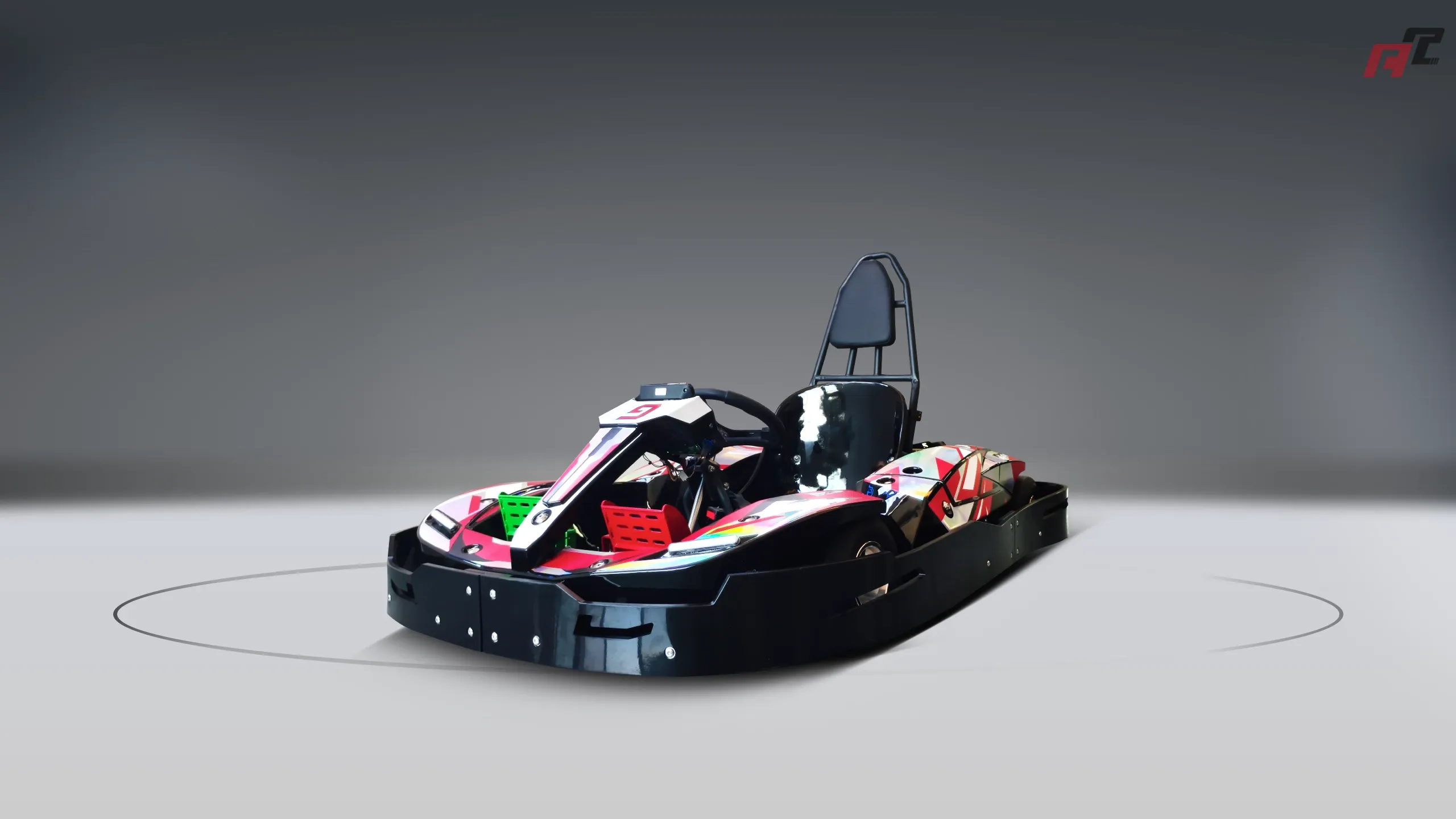
Cyclone RS 2025 1200W Electric Go-kart for Home Entertainment Centers
The Cyclone RS 2025 is a high-performance electric ride-on car designed for thrill-seekers, entertainment centers, and commercial amusement businesses. Built with a durable ABS body and reinforced metal chassis, it combines strength, safety, and speed for a superior driving experience. With a 1200W mid-mounted motor (peaking at 3600W), advanced control system, and long-lasting 72V20AH LiFePO₄ battery, this ride ensures both powerful performance and reliability.
Whether for amusement parks, game zones, rental businesses, or personal recreational use, the Cyclone RS 2025 delivers unmatched excitement and durability.
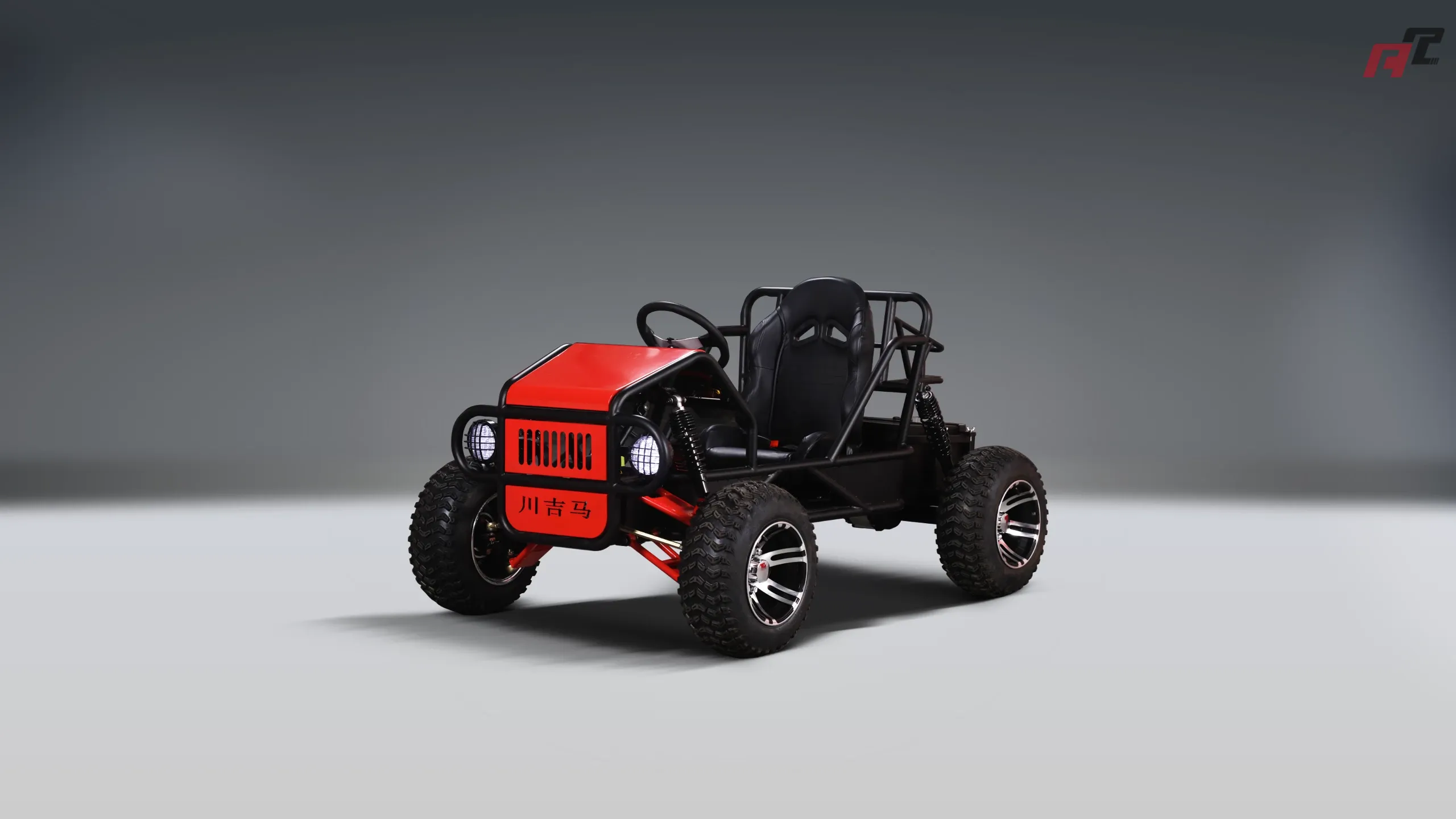
Kids Electric Off Roads One-seater ATV
Discover adventure with the ANCHI Kids Electric One-seater ATV, the perfect electric off-road experience for young explorers. Designed for safety and performance, this electric off-road go kart for kids offers unmatched thrills on any terrain. Its durable build and easy-to-use controls ensure a fun and safe ride. Ideal for budding adventurers, this ATV promises endless excitement. Explore the world with confidence with ANCHI’s innovative electric off-road solutions for kids.
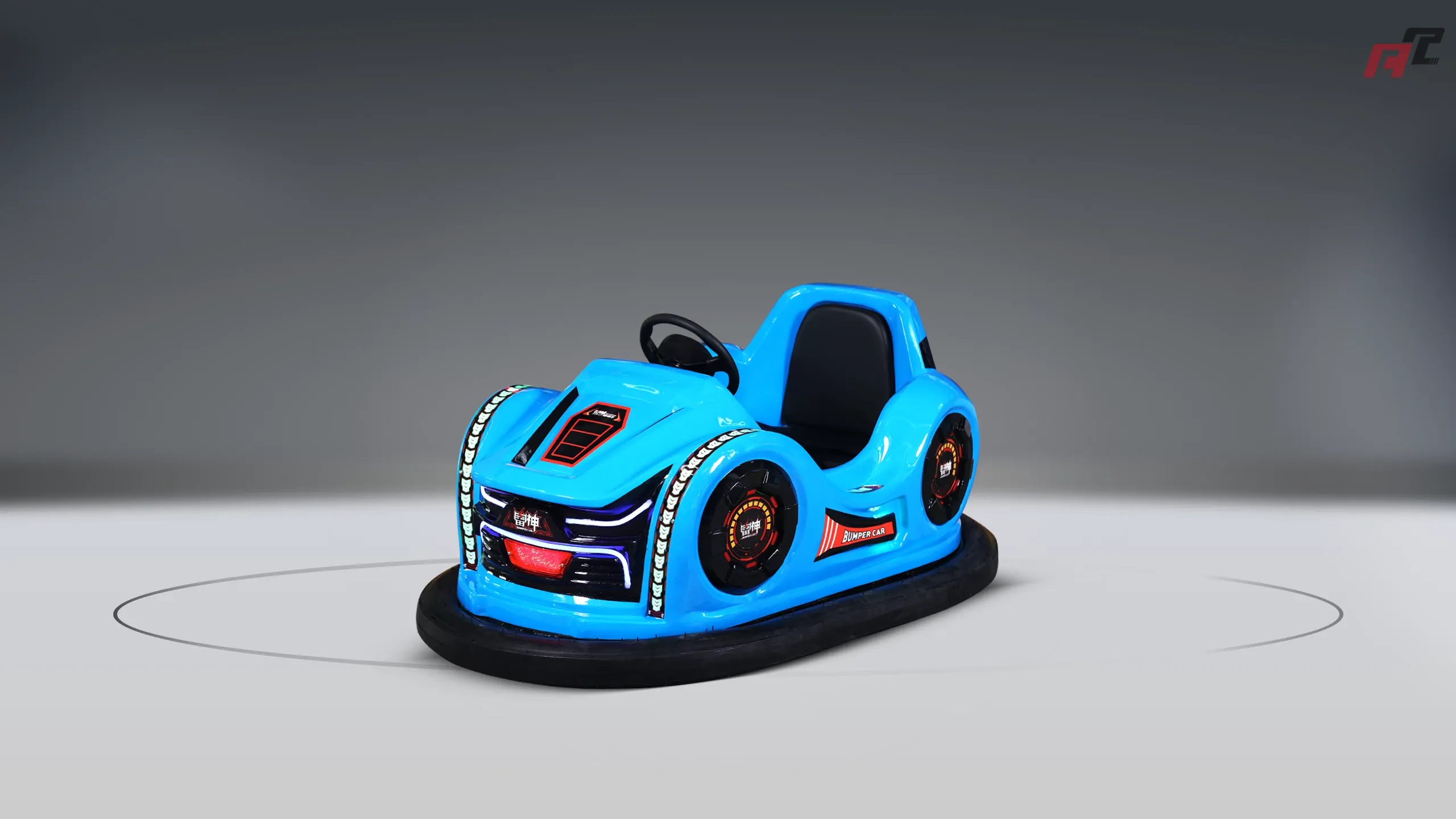
Battery Drift Bumper Car With inflatable tyre
The Battery Drift Bumper Car with Inflatable Tire with 650W steel gear motor, and high quality battery wich can becharged outside the car, the bumper car is ideal for amusement parks, family entertainment centers, build quality for safe, long-lasting fun.
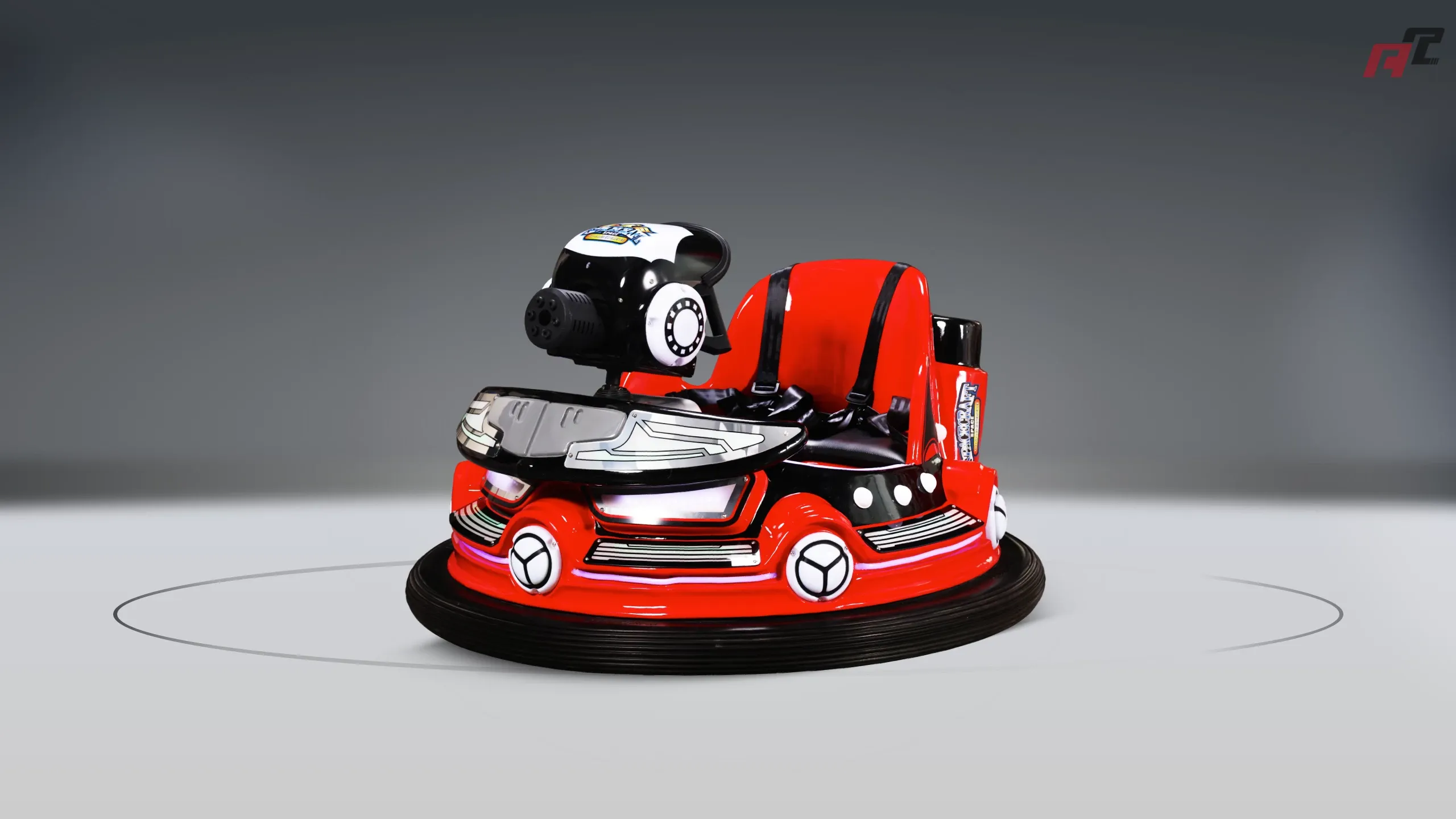
Spaceship Laser Battle Bumper Car
Discover the future of fun with the ANCHI Spaceship Laser Battle Bumper Car! Designed for thrill-seekers, this kids bumper car offers an exhilarating laser battle experience. Parents and children alike will enjoy hours of safe, exciting play. Ideal for parties or everyday fun, it combines durability with innovative technology.


