



How Do Interactive Floors Upgrade Bumper Cars?
A technical evaluation of how interactive projection floors transform commercial indoor bumper car arenas into responsive gaming environments using optical tracking and specialized surfaces.
Quick Answer
Interactive floors upgrade a commercial immersive indoor bumper car arena by converting passive driving surfaces into responsive game environments via overhead optical tracking and dynamic projection mapping. Core technical considerations include projector lumen output, tracking latency below thirty milliseconds, and non-reflective floor coatings. Final hardware configurations and deployment costs depend on site ceiling clearances and venue dimensions.
How Technical Integration Supports Commercial Projects
Custom arena development requires rigorous coordination between floor projection hardware and vehicle chassis specifications. Technical teams evaluate arena dimensions, ceiling load ratings, ambient illumination levels, and power distribution systems to design compatible tracking solutions. Facility operators should define spatial parameters and vehicle fleet counts during early planning phases to ensure seamless tracking grid coverage.
Turnkey equipment fulfillment incorporates structural engineering assessments, optical calibration testing, and factory quality control before dispatch. Minimum order quantities, production lead times, and comprehensive system quotations must be confirmed per project based on custom floor dimensions, protective barrier designs, and delivery logistics.
Discuss Your Interactive Floor Integration Requirements
To evaluate system compatibility for your facility, submit your venue ceiling height, floor surface dimensions, ambient lighting specs, planned vehicle count, and existing electrical capacity. Technical consultants assess structural mounting limits, projection throw ratios, and tracking camera placements to structure an integration proposal. Send your layout specifications directly to sandy@anchiyoule.com to discuss project feasibility and procurement timelines.
Frequently Asked Questions
Do interactive projection floors require specialized bumper car chassis modifications?
Interactive floor systems predominantly rely on overhead ultra-short-throw projectors paired with infrared tracking cameras, meaning standard bumper car chassis do not inherently require structural modifications. However, tracking accuracy improves when passive optical markers, reflective fiducials, or infrared emitters are mounted on the bumper perimeter or vehicle roof bars. If operators utilize ground-level contact grids for power delivery, optical floor projections cannot be projected directly onto mesh grids, necessitating ceiling-grid or battery-powered vehicle models to preserve the projection canvas.
How do tracking sensors accurately detect bumper cars during collisions?
Positioning systems use high-frame-rate infrared vision sensors mounted on ceiling trusses to track individual vehicle coordinates across an established Cartesian grid. When vehicles collide, sudden shifts in velocity vectors are registered by the tracking software, triggering visual shockwave effects or score deductions on the projection surface. Software filtering algorithms distinguish between actual vehicle hulls and temporary human limb obstructions, maintaining tracking stability even when multiple vehicles bunch together during simultaneous impacts.
What floor surface materials balance projection clarity with tire traction?
Amusement facilities typically employ light gray or matte white polyurethane floor coatings with controlled anti-slip friction coefficients. High-gloss finishes cause severe projector glare and beam scatter, blinding drivers and distorting visual games. Conversely, excessively rough traction finishes cause rapid tire degradation and uneven light absorption. A satin-sheen aliphatic polyurethane coating provides the required photometric gain while delivering adequate tire grip for electric drift and bumper vehicles.
Can LED interactive floor tiles withstand direct commercial bumper impacts?
Direct-drive LED floor tiles engineered for vehicular use feature thick polycarbonate or tempered glass top layers capable of handling localized loads exceeding 1,500 kilograms per square meter. However, repeated horizontal shear forces caused by vehicle collisions and abrupt tire scrubbing can stress interlocking module joints over time. For high-impact bumper car operations, overhead projection remains the dominant industry standard due to lower structural replacement costs, zero impact wear, and reduced vulnerability to electrical connection fatigue.
How does dynamic floor projection alter operational ride cycle times?
Dynamic floor projection introduces objective-based game loops—such as virtual territory capture, timed checkpoint collection, or avoiding shrinking danger zones—which standardize cycle durations. Traditional bumper sessions often experience rider fatigue after three minutes of continuous bumping. Interactive gamification maintains rider engagement through structured two- to three-minute rounds, establishing predictable queue turnover rates and allowing operators to program automated start, scoring, and parking phases directly into the floor visuals.
What maintenance procedures prevent optical sensor calibration drift on tracks?
Vibrations from vehicle impacts, ventilation airflows, and building settling can cause tracking cameras and projector mounts to shift incrementally. Standard maintenance protocols require weekly recalibration using automated software alignment grids and physical optical test targets placed at arena boundary points. Routine procedures also include cleaning dust from projector lens elements, checking thermal dissipation fans, and verifying that ceiling rigging hardware maintains torque specifications to prevent optical misalignment over operating cycles.
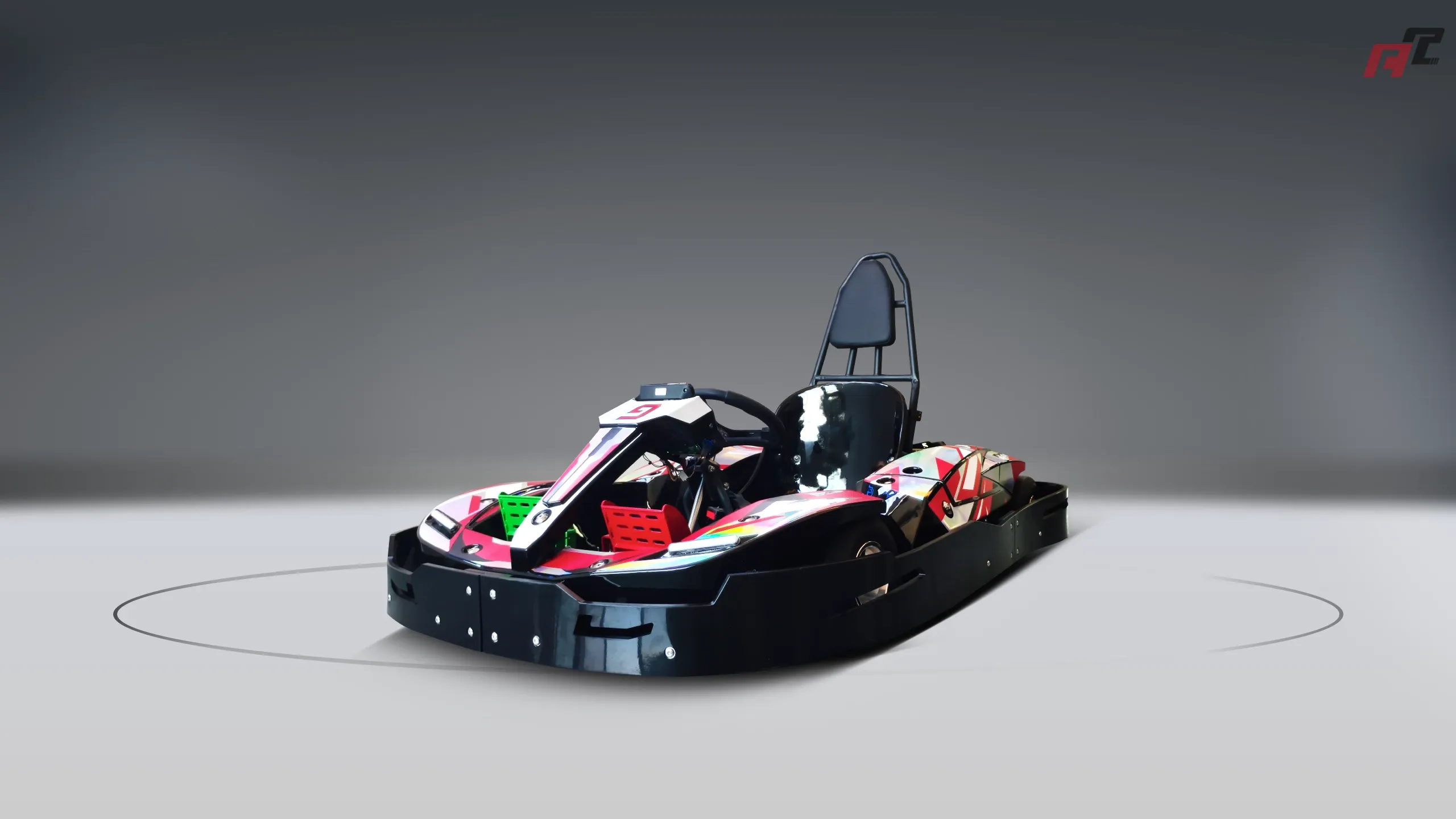
Cyclone RS 2025 1200W Electric Go-kart for Home Entertainment Centers
The Cyclone RS 2025 is a high-performance electric ride-on car designed for thrill-seekers, entertainment centers, and commercial amusement businesses. Built with a durable ABS body and reinforced metal chassis, it combines strength, safety, and speed for a superior driving experience. With a 1200W mid-mounted motor (peaking at 3600W), advanced control system, and long-lasting 72V20AH LiFePO₄ battery, this ride ensures both powerful performance and reliability.
Whether for amusement parks, game zones, rental businesses, or personal recreational use, the Cyclone RS 2025 delivers unmatched excitement and durability.
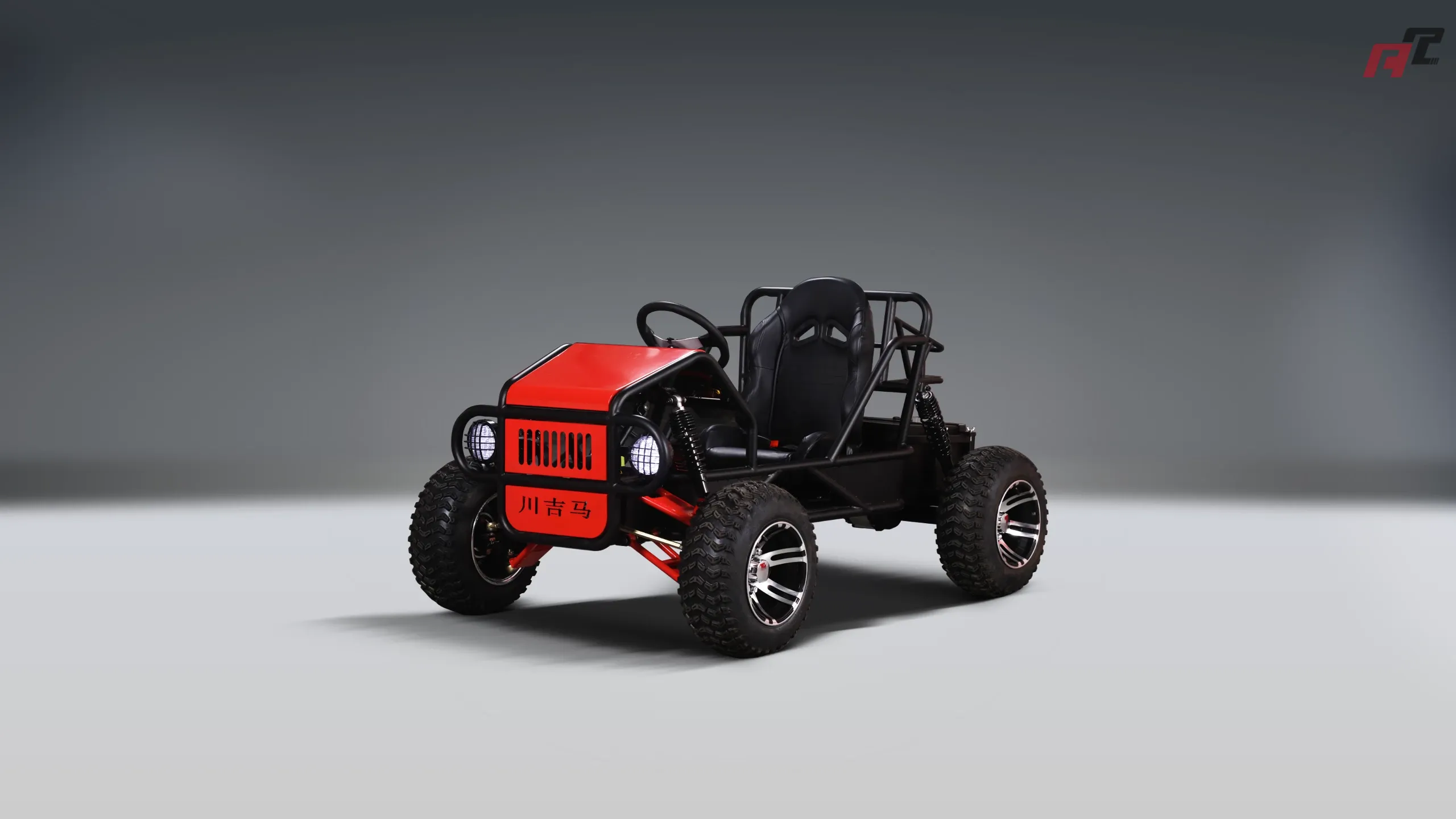
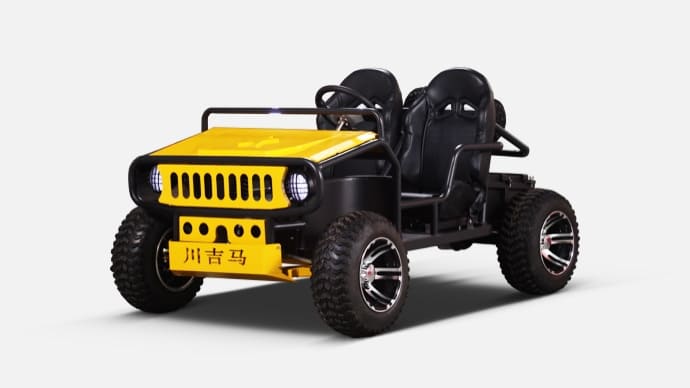
Kids Electric Off Roads One-seater ATV
Discover adventure with the ANCHI Kids Electric One-seater ATV, the perfect electric off-road experience for young explorers. Designed for safety and performance, this electric off-road go kart for kids offers unmatched thrills on any terrain. Its durable build and easy-to-use controls ensure a fun and safe ride. Ideal for budding adventurers, this ATV promises endless excitement. Explore the world with confidence with ANCHI’s innovative electric off-road solutions for kids.
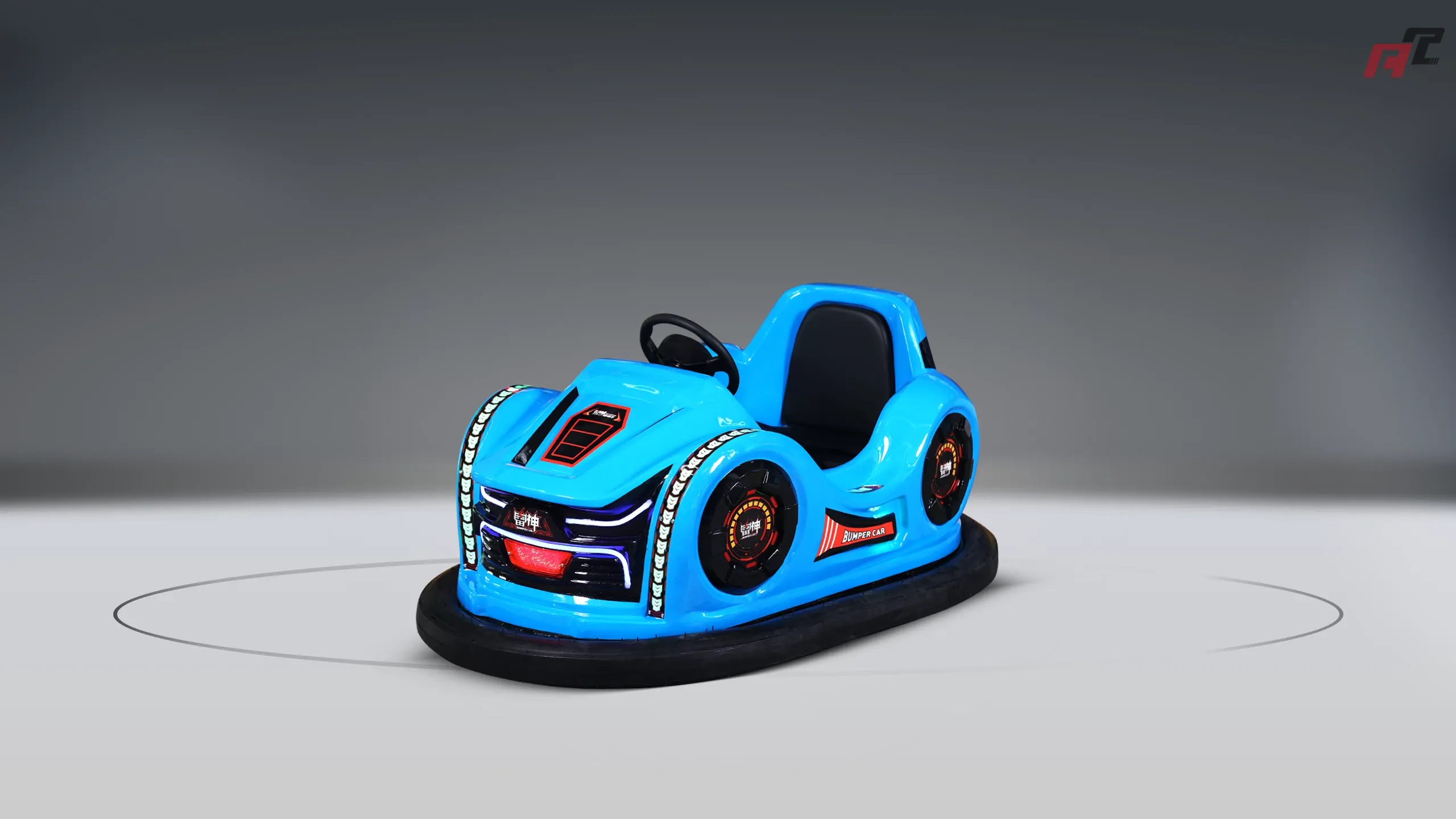
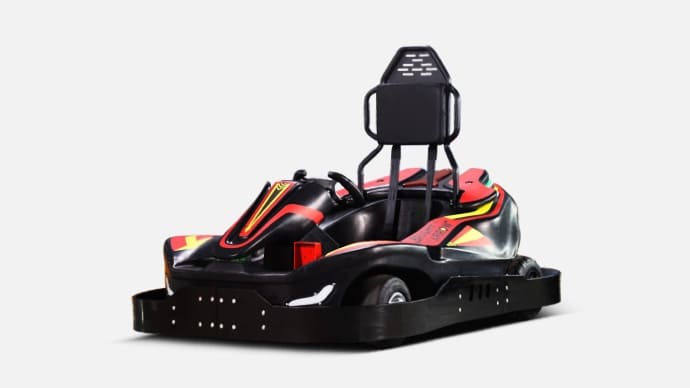
Battery Drift Bumper Car With inflatable tyre
The Battery Drift Bumper Car with Inflatable Tire with 650W steel gear motor, and high quality battery wich can becharged outside the car, the bumper car is ideal for amusement parks, family entertainment centers, build quality for safe, long-lasting fun.
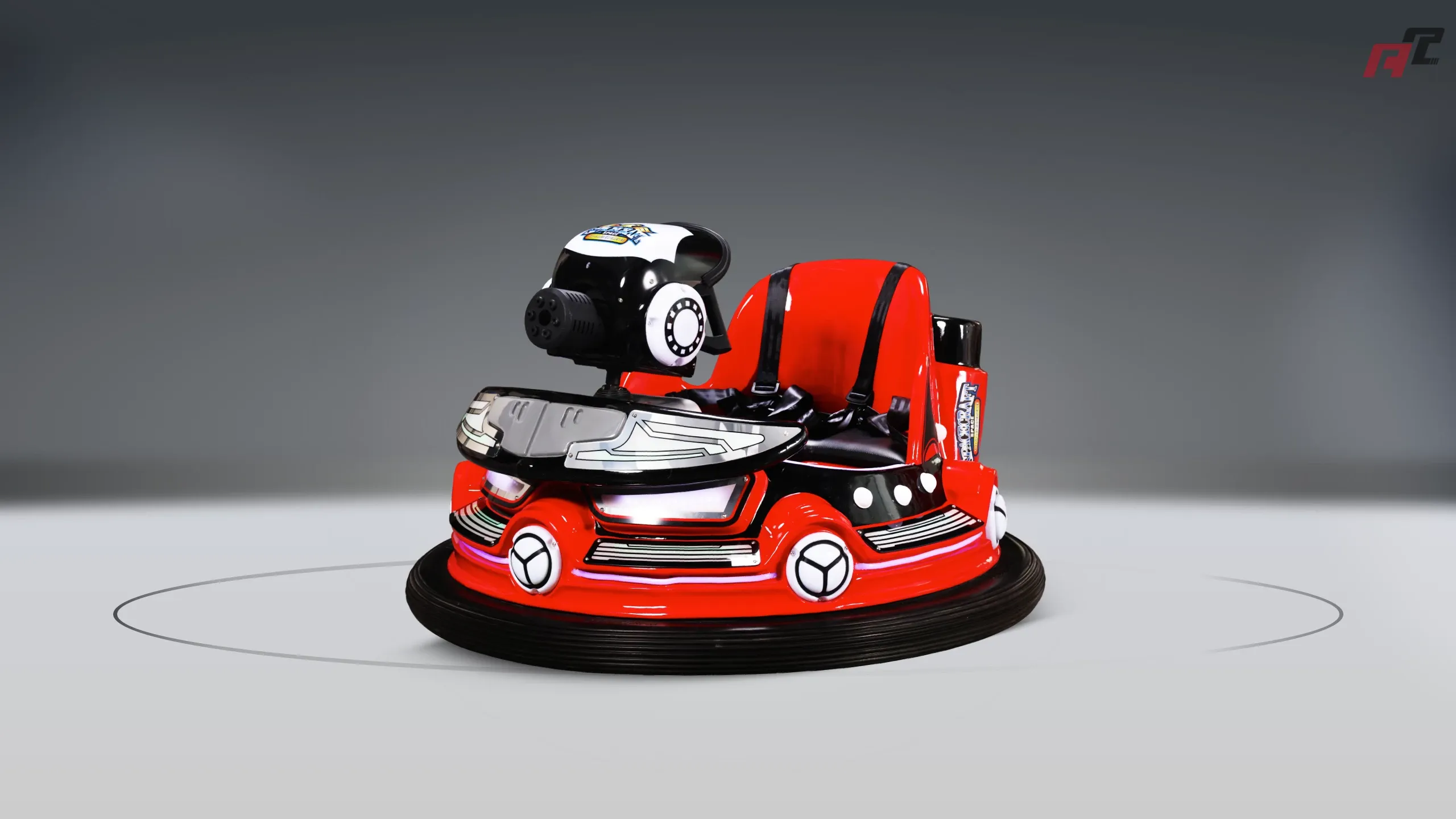
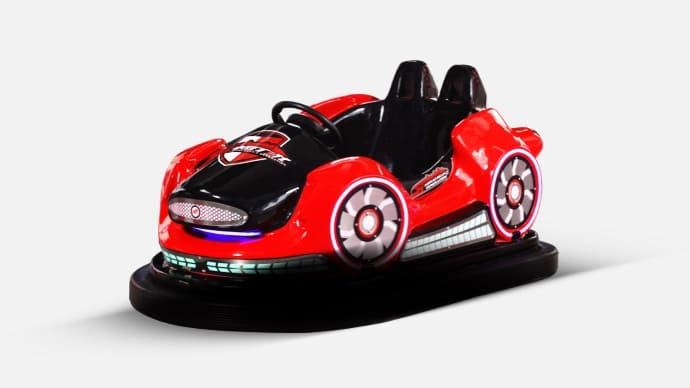
Spaceship Laser Battle Bumper Car
Discover the future of fun with the ANCHI Spaceship Laser Battle Bumper Car! Designed for thrill-seekers, this kids bumper car offers an exhilarating laser battle experience. Parents and children alike will enjoy hours of safe, exciting play. Ideal for parties or everyday fun, it combines durability with innovative technology.


