



Can You Order Custom Shells on Childrens Bumper Cars?
A technical guide examining custom shell manufacturing for childrens bumper cars, covering tooling economics, material comparisons between FRP and rotomolding, and ride safety compliance.
Quick Answer
Yes, commercial buyers can order custom shells for childrens bumper cars through established OEM suppliers. Shell customization depends primarily on tooling mold investments, structural chassis mounting points, material selection between fiberglass and rotational plastics, and flame-retardant compliance. Because production costs vary widely based on production volume and aesthetic geometry, final engineering solutions depend strictly on specific project requirements and operational site conditions.
How Manufacturing Supports Custom Shell Projects
Direct factory engineering supports custom exterior shells for indoor and outdoor fleet operations. Production workflows encompass 3D CAD modeling, CNC tooling master fabrication, and hand-layup or vacuum-infused composite molding. To initiate engineering feasibility, buyers must verify structural chassis dimensions, internal component clearances, operational impact thresholds, and local safety standards.
Because bespoke shell fabrication requires dedicated mold tooling and specialized surface finishing, minimum order quantities (MOQ), production lead times, and unit quotations must be evaluated and confirmed on a per-project basis.
Request Engineering Feasibility for Custom Shell Designs
To evaluate bespoke bodywork for your attraction, please provide your current chassis blueprints, fleet volume, 3D aesthetic concept sketches, operating surface type, target delivery schedule, and regional compliance mandates. Our engineering desk will review your technical specifications to determine tooling viability and project costs. Submit your project brief directly to sandy@anchiyoule.com for technical assessment.
Frequently Asked Questions About Custom Childrens Bumper Car Shells
Can fiberglass molds be customized for small bumper car orders?
Custom fiberglass (FRP) molds can be developed for smaller fleet orders, but tooling amortization significantly impacts unit economics. Developing a new composite mold requires master plug sculpting, surface sanding, and structural gel-coat reinforcement. For orders under ten units, fixed tooling expenses dramatically inflate the per-unit cost. Consequently, factories often recommend adapting standard shell geometry via custom vinyl wraps, gel-coat pigmentation, or modular decorative panels unless the buyer commits to amortizing bespoke tooling costs across future production runs.
How do custom bumper car shells affect safety and impact resistance?
Custom shell geometries directly alter kinetic energy dissipation during collisions. Children's bumper cars rely on perimeter rubber or pneumatic bumpers anchored to a rigid steel chassis; the decorative upper shell must not absorb primary collision forces. If custom bodywork protrudes beyond bumper perimeters, brittle fracture risks escalate rapidly. Custom shells must maintain adequate clearance from collision points, utilize high-tensile resins, and incorporate internal structural ribbing to prevent sharp-edge delamination during multi-directional impacts.
What tooling fees apply when developing proprietary bumper car shell designs?
Tooling fees for proprietary shell development typically range from several thousand to tens of thousands of dollars depending on mold technology. Hand-layup FRP molds require lower initial capital for master patterns and female molds, making them viable for low-volume architectural designs. In contrast, rotational molding or thermoforming molds require CNC-machined aluminum or steel tooling with substantially higher upfront investments. Tooling contracts typically assign proprietary design ownership to the buyer once mold fabrication fees are fully settled.
Do customized body shells require separate CE or ASTM ride certifications?
Modifying or replacing exterior shells can trigger recertification under international standards such as ASTM F2291 or EN 13814. If a custom shell changes rider containment, alters center of gravity, introduces pinch points, or uses untested polymers lacking fire-retardant ratings (such as UL 94 V-0 or equivalent flammability standards), regulatory inspectors will require supplementary compliance testing. Commercial operators must ensure that custom composite resins meet regional toxicity and flammability guidelines to maintain legitimate operating permits.
Can existing bumper car chassis accommodate newly fabricated custom plastic bodies?
Mounting custom plastic bodies onto existing chassis requires precise alignment with subframe mounting brackets, steering column passages, battery compartment hatches, and power pickup assemblies. While physically feasible, aftermarket retrofits require detailed digital coordinate mapping or 3D scanning of the legacy chassis. Any mismatch in fastener locations or clearance tolerances can induce mechanical vibration, premature shell cracking, or restricted access to emergency motor disengagements during routine maintenance.
What material differences exist between FRP and rotomolded custom shells?
Fiberglass reinforced plastic (FRP) offers high rigidity, superior gloss finish, and economical mold creation for complex, low-volume sculptural designs. However, FRP can chip under acute stress and requires manual labor. Rotomolded linear low-density polyethylene (LLDPE) provides exceptional ductility, seamless one-piece construction, and superior impact tolerance that resists cracking during extreme operational abuse. Nonetheless, rotomolding entails high tooling expenses, softer exterior aesthetics, and strict draft-angle constraints during shell release.
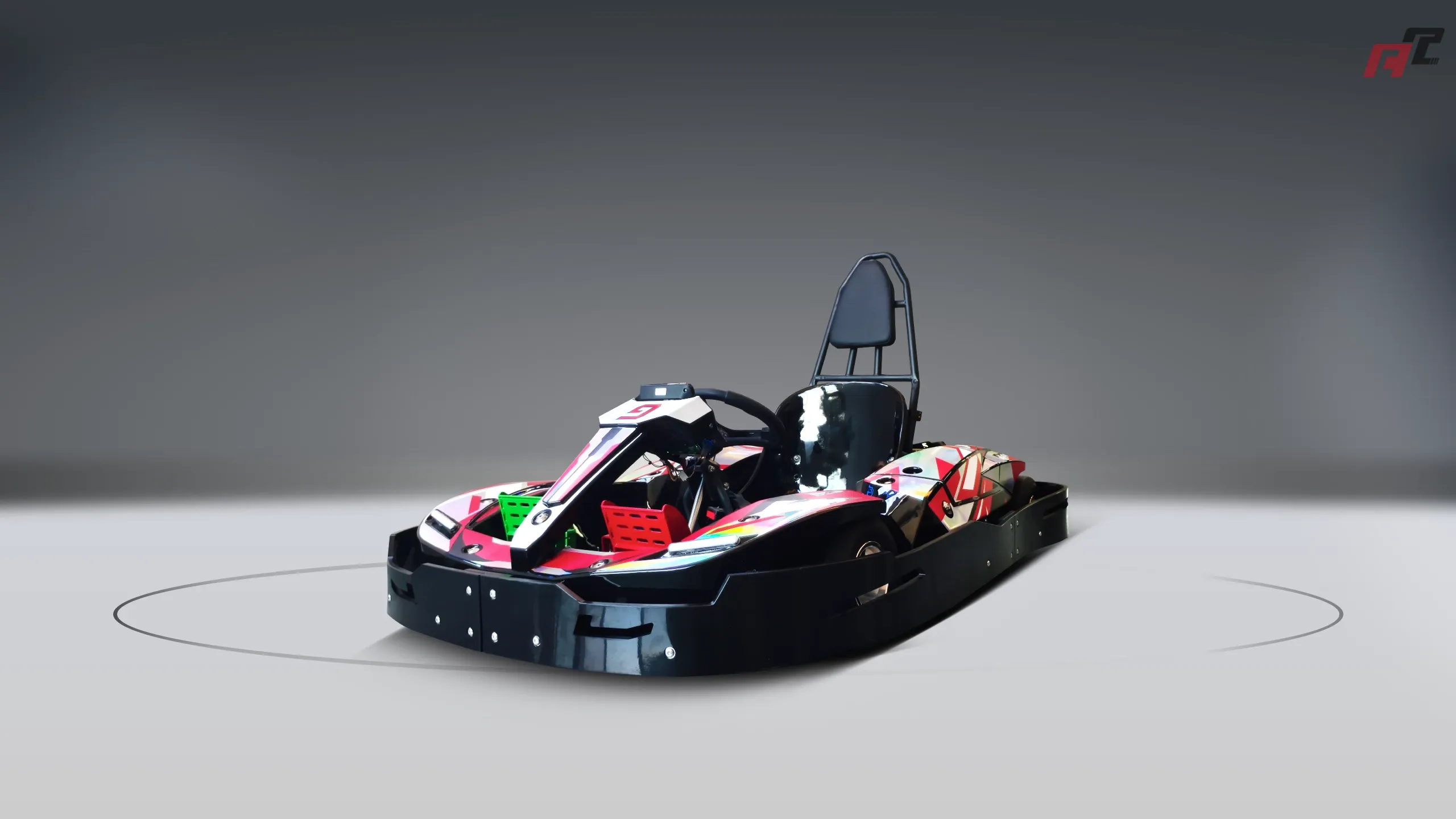
Cyclone RS 2025 1200W Electric Go-kart for Home Entertainment Centers
The Cyclone RS 2025 is a high-performance electric ride-on car designed for thrill-seekers, entertainment centers, and commercial amusement businesses. Built with a durable ABS body and reinforced metal chassis, it combines strength, safety, and speed for a superior driving experience. With a 1200W mid-mounted motor (peaking at 3600W), advanced control system, and long-lasting 72V20AH LiFePO₄ battery, this ride ensures both powerful performance and reliability.
Whether for amusement parks, game zones, rental businesses, or personal recreational use, the Cyclone RS 2025 delivers unmatched excitement and durability.
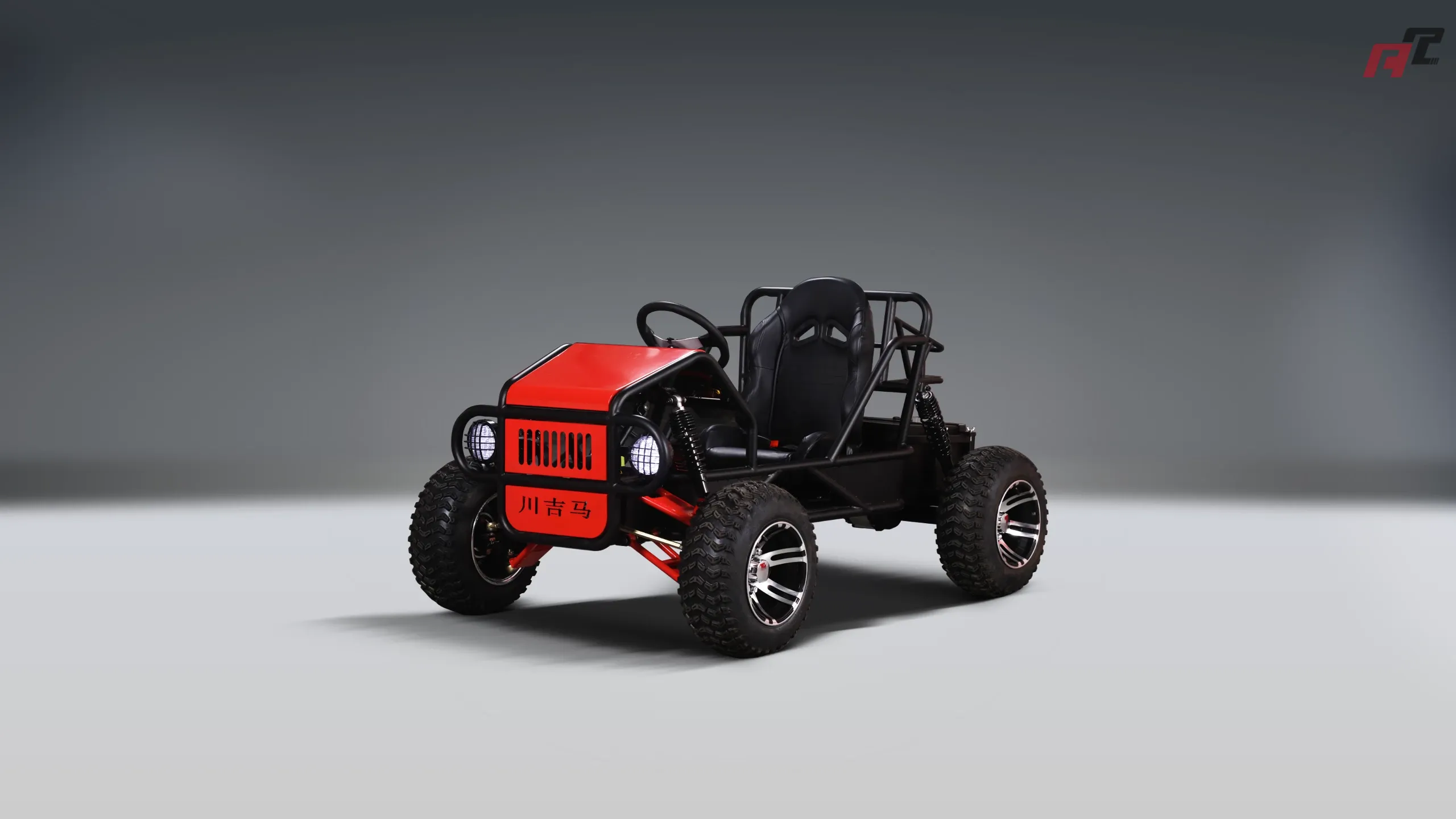
Kids Electric Off Roads One-seater ATV
Discover adventure with the ANCHI Kids Electric One-seater ATV, the perfect electric off-road experience for young explorers. Designed for safety and performance, this electric off-road go kart for kids offers unmatched thrills on any terrain. Its durable build and easy-to-use controls ensure a fun and safe ride. Ideal for budding adventurers, this ATV promises endless excitement. Explore the world with confidence with ANCHI’s innovative electric off-road solutions for kids.
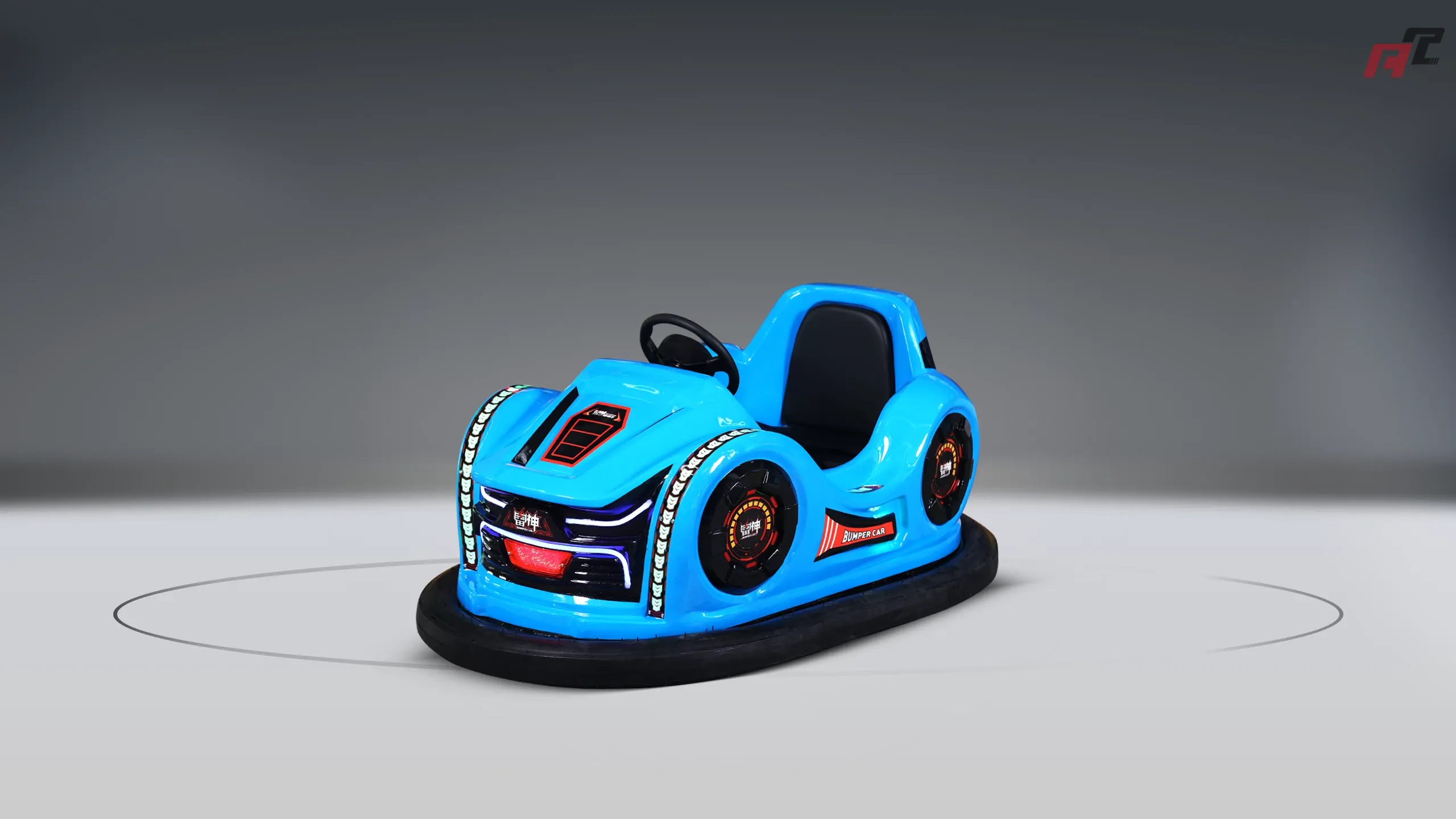
Battery Drift Bumper Car With inflatable tyre
The Battery Drift Bumper Car with Inflatable Tire with 650W steel gear motor, and high quality battery wich can becharged outside the car, the bumper car is ideal for amusement parks, family entertainment centers, build quality for safe, long-lasting fun.
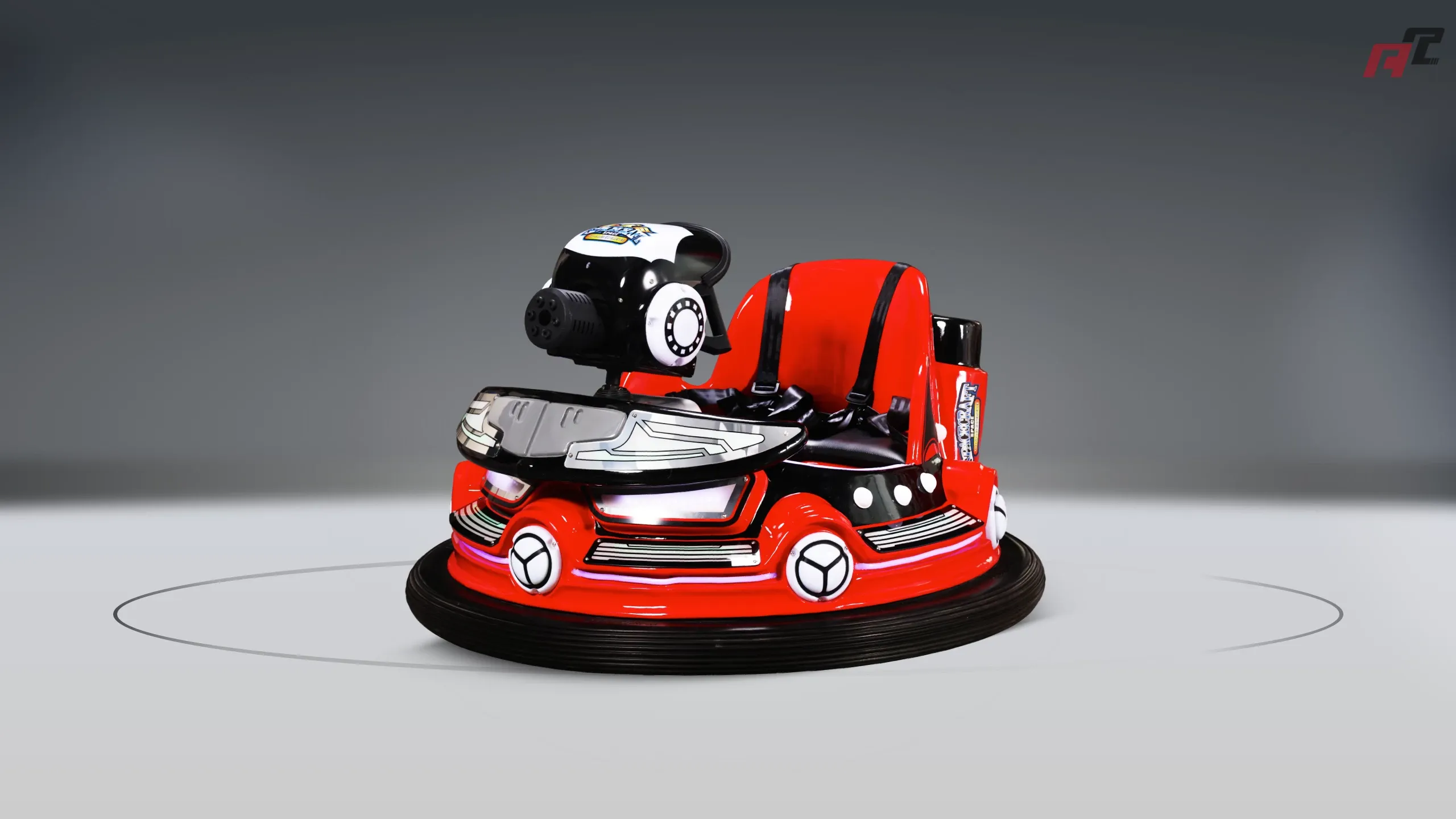
Spaceship Laser Battle Bumper Car
Discover the future of fun with the ANCHI Spaceship Laser Battle Bumper Car! Designed for thrill-seekers, this kids bumper car offers an exhilarating laser battle experience. Parents and children alike will enjoy hours of safe, exciting play. Ideal for parties or everyday fun, it combines durability with innovative technology.


