

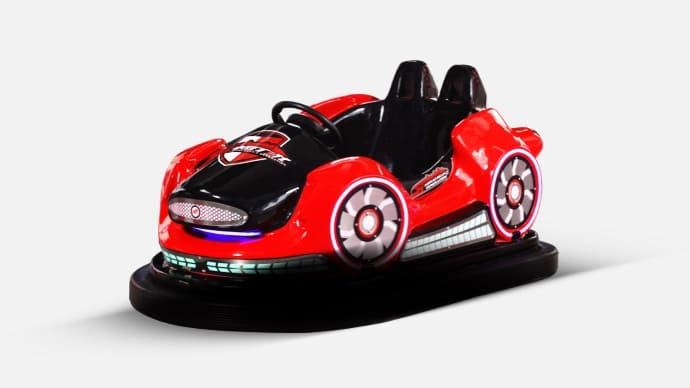
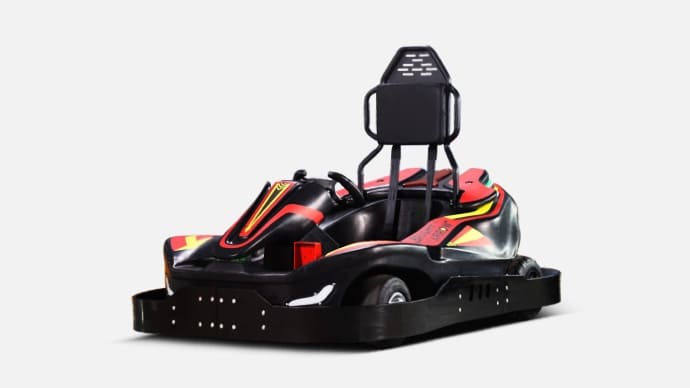
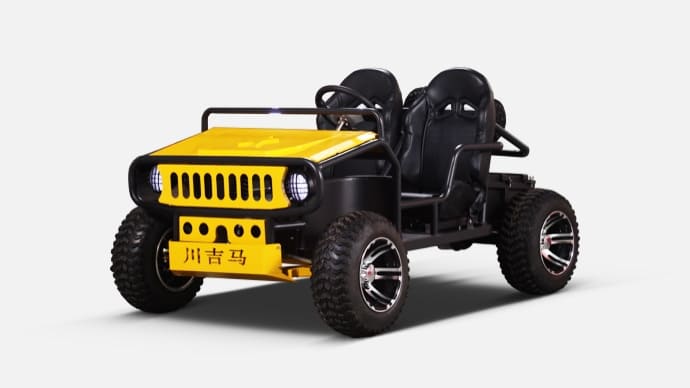


Can You Order Mixed Bumper Car Models Within a Single MOQ?
Explore whether amusement park operators can mix bumper car models within a single MOQ, covering chassis compatibility, production lead times, drive systems, and shipping strategies.
Quick Answer
Most manufacturers permit mixing bumper car models within a single Minimum Order Quantity (MOQ), provided the selected units utilize standardized chassis or shared drive platforms. Procuring varied designs for a bumper cars amusement park depends on component commonality, mold changeover parameters, and electrical configurations (battery versus grid systems). Final fleet splits remain contingent on specific manufacturing schedules and facility track requirements.
How Anchi Supports Amusement Park Projects
Anchi Amusement coordinates mixed fleet allocations by evaluating technical cross-compatibility across distinct vehicle bodies. Production planning accommodates combined batches featuring diverse shell molds, custom finishes, and integrated operator management systems without compromising mechanical reliability. Buyers must establish fundamental parameters including arena dimensions, electrical supply, and target age demographics.
Every mixed-model arrangement requires detailed assessment regarding batch production lead times, MOQ thresholds, and logistical packing plans. Assembly schedules are aligned to preserve spare parts interchangeability and ensure streamlined export container loading for venue installations.
Discuss Your Bumper Car Fleet Procurement Requirements
To evaluate a mixed-model order for your venue, provide your arena dimensions, expected operating capacity, floor surface type, target demographic split, and electrical infrastructure. Our engineering team will assess component cross-compatibility and propose optimized container loading plans. Connect directly through www.anchiamusement.com or email sandy@anchiyoule.com to discuss batch feasibility and tailored manufacturing schedules.
Frequently Asked Questions
Does mixing bumper car chassis types increase procurement production lead times?
Yes, combining structurally distinct chassis designs within a single order typically extends production lead times by 15 to 30 percent. Manufacturing lines for bumper cars operate on batch assembly tooling; switching between structural steel tubular frames and specialized composite or drift-style chassis interrupts welding jig alignment and motor mounting calibration. While ordering identical platforms with cosmetic variances maintains standard lead times, mixing fundamental structural frameworks requires staged fabrication runs, individual dynamic testing cycles, and separate wiring harness pre-assembly phases before final quality inspection.
How do mixed drive systems affect spare parts inventory across fleets?
Procuring disparate drive configurations—such as brushless DC motors alongside traditional brushed AC motors or pneumatic drift casters—fragments spare parts management. A mixed bumper cars amusement park installation requires dual inventory protocols for motor controllers, transmission gears, commutator brushes, and throttle microswitches. Standardizing voltage tiers (such as 24V or 48V) across diverse shell designs mitigates supply chain friction, whereas running mismatched gear ratios or dissimilar hub-motor assemblies increases maintenance downtime and doubles initial investment costs for critical wear-and-tear replacement components.
Can floor grid and battery bumper cars share one production batch?
Floor-grid and battery-powered bumper cars cannot share identical primary assembly batches due to incompatible electrical architectures. Ground-grid units require conductive pickup brushes, step-down rectifiers, and high-amperage grounding strips engineered for continuous conductive floor friction, whereas battery models depend on internal lithium or AGM battery racks, onboard smart chargers, and localized power distribution boards. While manufacturers can pack both varieties into a shared shipping container, factory fabrication necessitates separate sub-assembly workflows, distinct safety isolation testing, and staggered component procurement cycles.
What minimum quantity thresholds apply when splitting body shell molding colors?
When splitting fiberglass or rotational-molded polyethylene body shell colors, factories usually enforce minimum sub-batch thresholds of two to four units per color variation. Custom color pigmentation requires purging rotational molds or mixing dedicated gel coats for fiberglass lamination. Splitting a single 10-unit MOQ across more than three distinct colorways introduces labor-intensive resin changeovers and material waste, which often triggers split-batch setup surcharges unless the selected color profiles coincide with standard factory inventory schedules already active on the assembly floor.
Do manufacturers permit pairing adult and children bumper cars per container?
Tier-one manufacturers routinely allow pairing adult two-seater units with compact children models within a unified MOQ to optimize container stowage. Because junior cars feature lower chassis profiles and shorter wheelbases, logistics engineers can strategically interlock them alongside bulkier adult frames to maximize forty-foot high-cube (40HC) container volumetric efficiency. However, operators must confirm that track speed limiters, perimeter bumper barrier heights, and collision impact absorption ratings align safely across both vehicle weight classes when operating on shared arena flooring.
How does ordering mixed car models impact container space and freight?
Ordering mixed bumper car variants alters container nesting calculations, potentially reducing overall freight volume efficiency if geometries do not tessellate evenly. Standard single-model shipments leverage uniform protective steel pallet crates that stack precisely two-high inside ocean containers. Introducing asymmetrical body styles or taller decorative tailfins breaks crate standardization, creating dead space and necessitating customized timber crating. To prevent escalated per-unit ocean freight costs, buyers must review dimensional loading diagrams before finalizing mixed batch ratios.
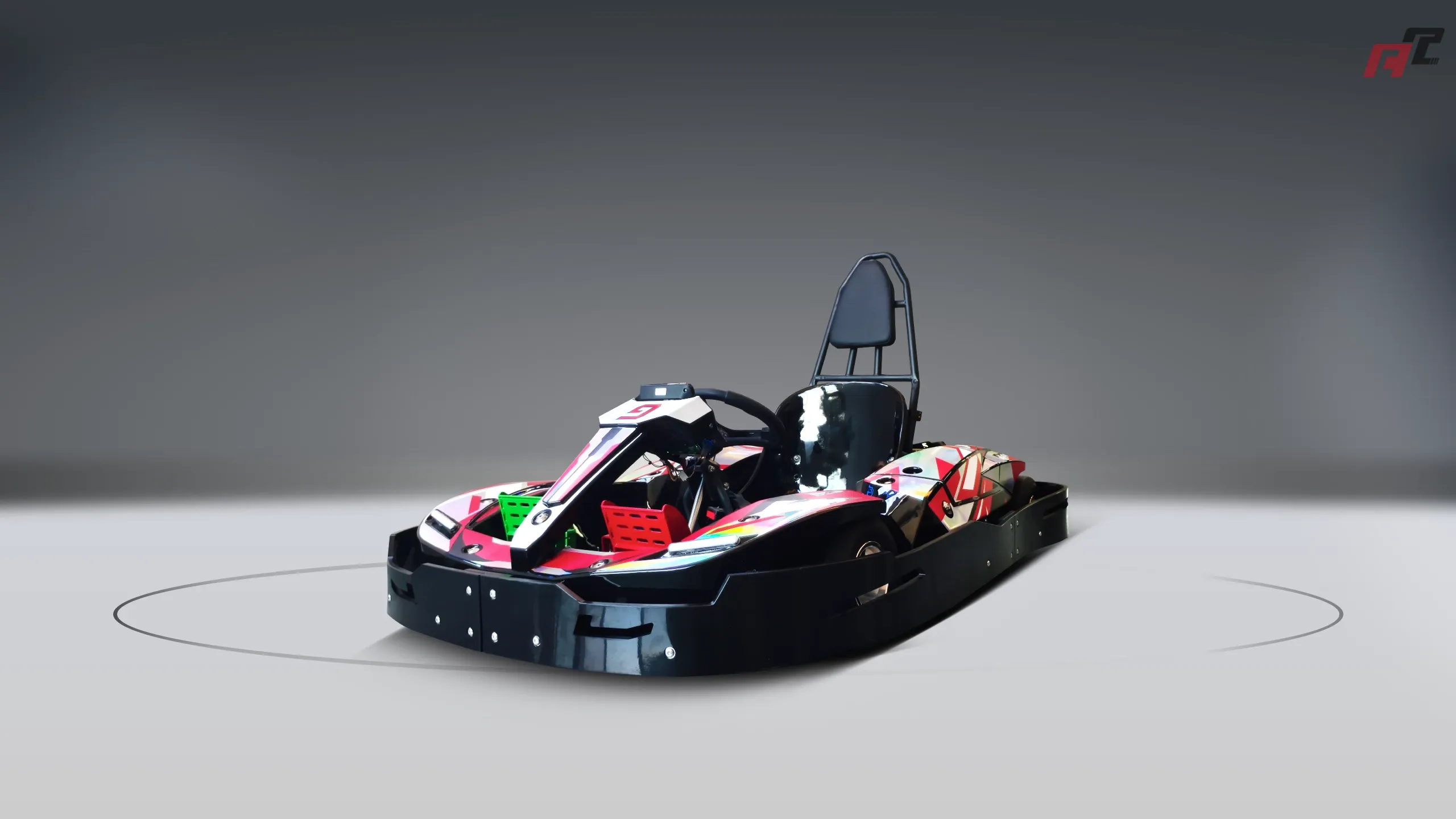
Cyclone RS 2025 1200W Electric Go-kart for Home Entertainment Centers
The Cyclone RS 2025 is a high-performance electric ride-on car designed for thrill-seekers, entertainment centers, and commercial amusement businesses. Built with a durable ABS body and reinforced metal chassis, it combines strength, safety, and speed for a superior driving experience. With a 1200W mid-mounted motor (peaking at 3600W), advanced control system, and long-lasting 72V20AH LiFePO₄ battery, this ride ensures both powerful performance and reliability.
Whether for amusement parks, game zones, rental businesses, or personal recreational use, the Cyclone RS 2025 delivers unmatched excitement and durability.
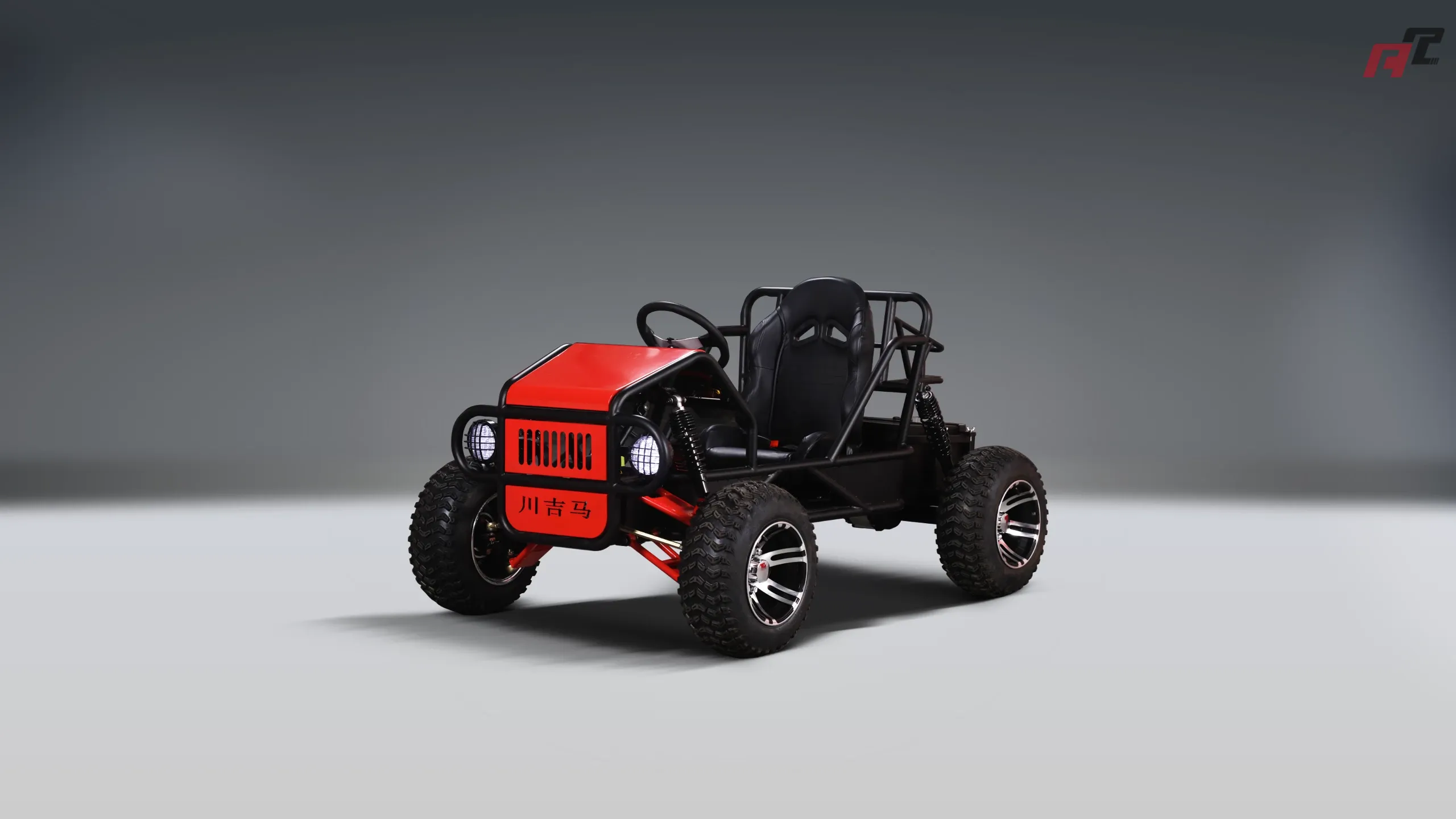
Kids Electric Off Roads One-seater ATV
Discover adventure with the ANCHI Kids Electric One-seater ATV, the perfect electric off-road experience for young explorers. Designed for safety and performance, this electric off-road go kart for kids offers unmatched thrills on any terrain. Its durable build and easy-to-use controls ensure a fun and safe ride. Ideal for budding adventurers, this ATV promises endless excitement. Explore the world with confidence with ANCHI’s innovative electric off-road solutions for kids.
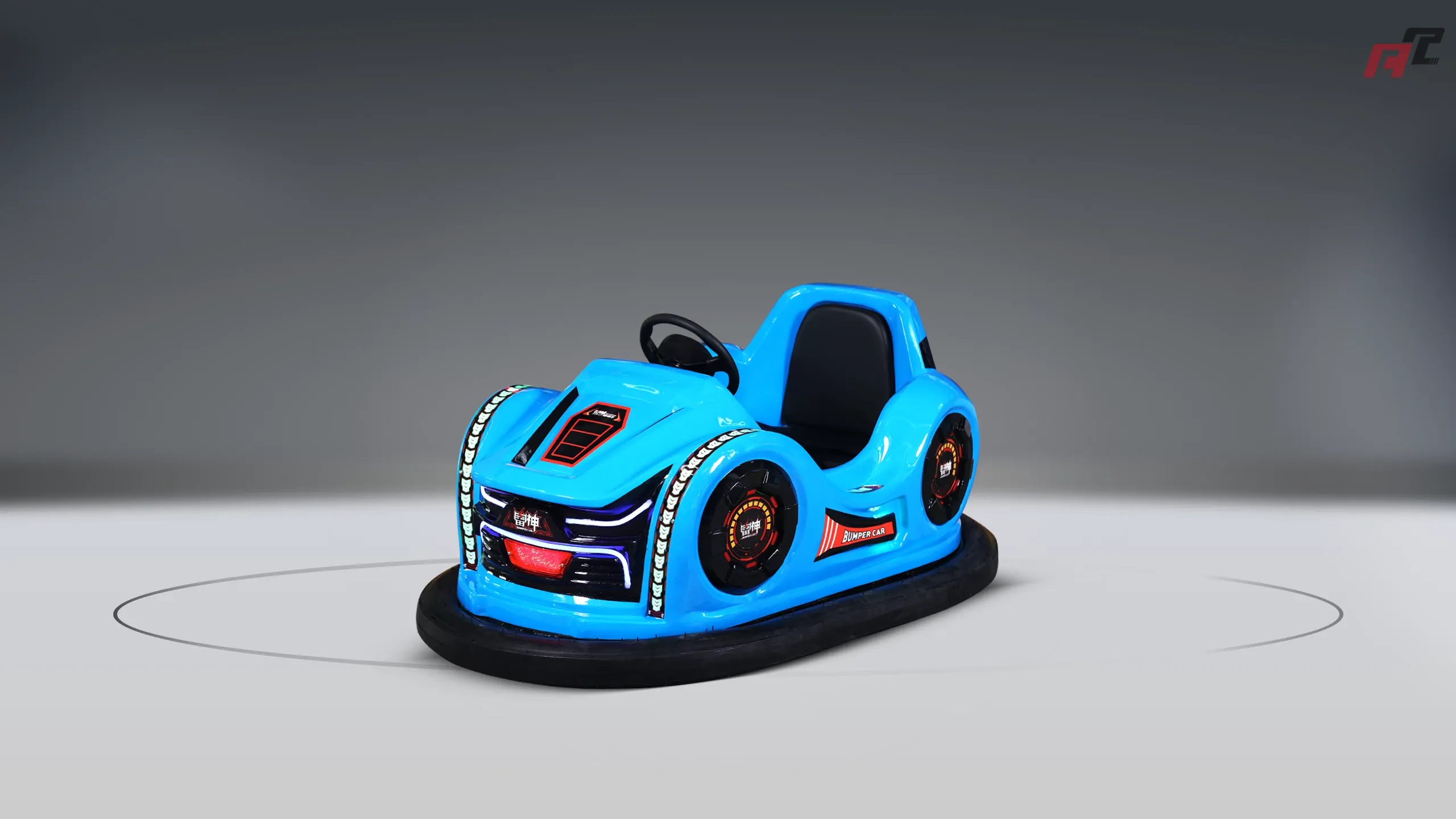
Battery Drift Bumper Car With inflatable tyre
The Battery Drift Bumper Car with Inflatable Tire with 650W steel gear motor, and high quality battery wich can becharged outside the car, the bumper car is ideal for amusement parks, family entertainment centers, build quality for safe, long-lasting fun.
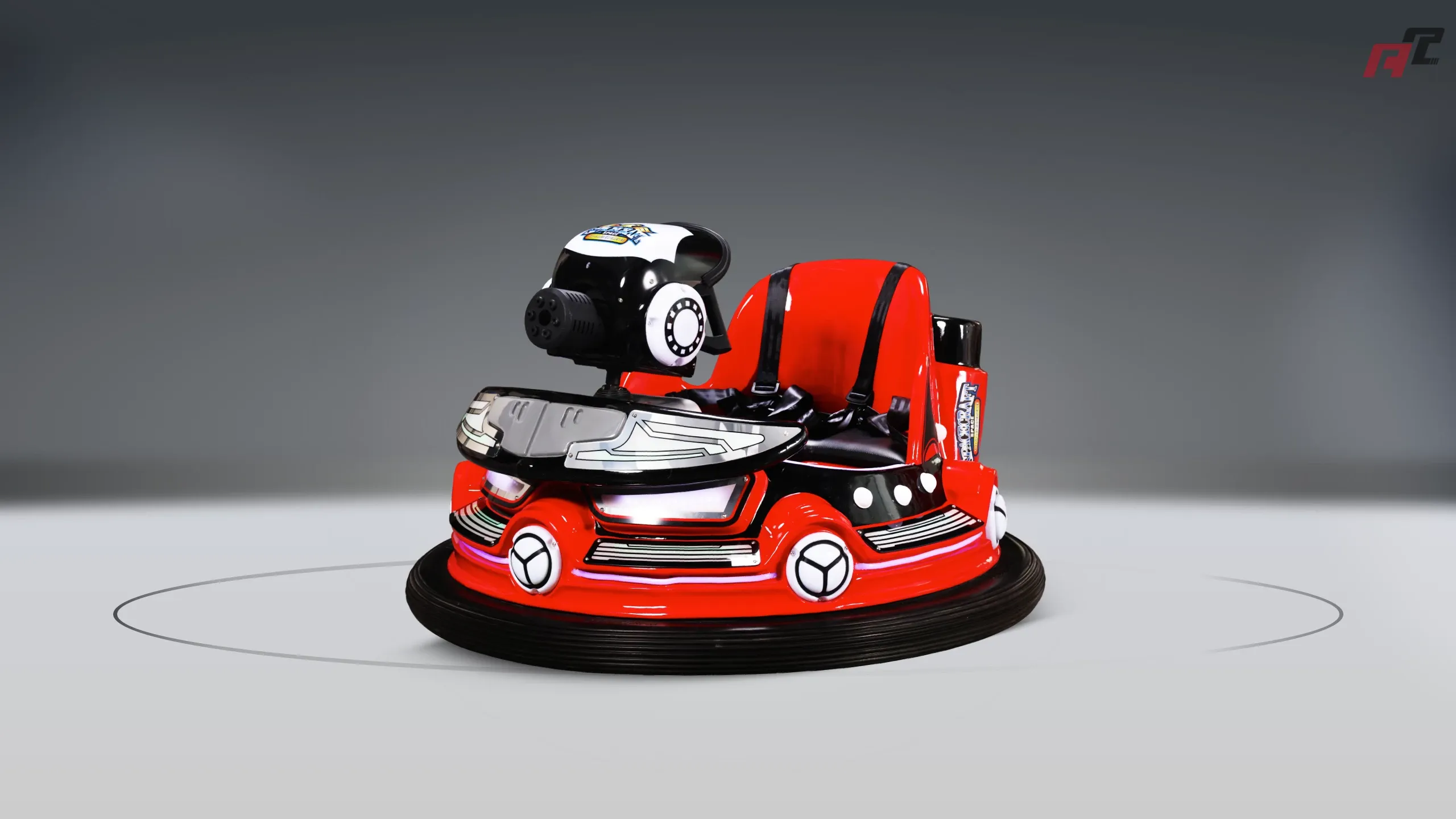
Spaceship Laser Battle Bumper Car
Discover the future of fun with the ANCHI Spaceship Laser Battle Bumper Car! Designed for thrill-seekers, this kids bumper car offers an exhilarating laser battle experience. Parents and children alike will enjoy hours of safe, exciting play. Ideal for parties or everyday fun, it combines durability with innovative technology.


