



What Spare Parts Should You Request in a Bumper Car Bulk Order?
A comprehensive guide detailing essential mechanical and electrical wear components to request when placing a bumper car fleet bulk order for amusement parks.
Quick Answer
When procuring a bumper cars amusement park installation, a bulk spare parts package must mitigate downtime by covering high-friction and electrical wear items. Essential requests include polyurethane or rubber bumpers, drive wheel assemblies, motor brushes, steering bearings, and main control boards. Sourcing ratios depend on floor grid friction coefficients, duty cycles, and operating voltage profiles.
How Engineering Partners Support Commercial Fleet Projects
Direct factory procurement supports commercial fleet operators through OEM-spec component batch matching, customized drive configurations, and standardized structural quality verification. Technical coordinators evaluate facility operating environments to recommend balanced wear-part reserve allocations tailored to ground-grid, ceiling-grid, or battery-powered ride platforms.
Before component fabrication begins, operators must confirm projected daily operational hours, flooring conductivity profiles, ambient humidity, and total fleet size. Production lead times, minimum order quantities for specialized cast components, and final freight quotations require formal confirmation based on project scope and regional import specifications.
Discuss Your Fleet Spare Parts Requirements
To receive a tailored spare parts provision schedule, provide your floor grid design, fleet quantity, car power system, daily run hours, and target delivery schedule. Our technical team is ready to evaluate your operating requirements and optimize wear-part lifecycle costs. Inquire directly with our engineering division at sandy@anchiyoule.com to finalize your bulk spare parts list.
Frequently Asked Questions
Which mechanical wear parts degrade quickest in high-traffic bumper cars?
In commercial bumper car operations, drive wheels and caster wheel bearings experience the most rapid mechanical degradation due to continuous friction, load shifts, and lateral shock absorption. Solid polyurethane drive wheels typically show tread wear and flat spots after intensive multi-month operating cycles, particularly on abrasive conductive steel plates. Beyond wheels, mechanical bumper brackets, tie rods, and shock-absorbing rubber mounting bushings absorb recurring kinetic impacts and require frequent inspection for shearing, thread stripping, or micro-fractures. Requesting a 15% to 20% surplus of replacement wheel assemblies and suspension hardware ensures uninterrupted operations during peak park seasons.
How many replacement rubber bumpers should accompany an initial fleet order?
For a standard commercial fleet of 10 to 20 bumper cars, operators typically provision a buffer of 10% to 15% replacement outer perimeter rubber or PVC bumpers. While outer bumper rings are built from heavy-duty impact-resistant elastomers, severe localized collisions can cause tear propagation, puncture damage, or perimeter clamp deformation. In addition to full outer bumper skirts, bulk orders should specify replacement internal pneumatic tubes (for inflatable models), tension bands, and mounting fasteners. Maintaining immediate replacement bumpers on site prevents safety downtime caused by compromised collision absorption buffers.
Why must spare motor brushes match floor grid power supply specifications?
In traditional ground-grid or ceiling-grid bumper car systems, motor carbon brushes and floor pick-up contact plates conduct high-amperage direct current under constant sliding friction. Brush compositions vary widely in graphite-to-copper ratios; using an incorrect brush hardness or conductivity rating can cause excessive arcing, rapid carbon erosion, or scoring on the conductive floor panels. Stocking OEM-matched motor brushes and undercarriage pick-up brushes ensures stable current delivery, prevents localized hot spots, and protects expensive traction motors from premature armature pitting and commutator failure.
Should steering column assemblies be stocked as complete units or components?
Stocking fully assembled steering columns alongside modular sub-components is standard maintenance practice for high-throughput amusement parks. Complete steering assemblies allow park maintenance personnel to execute rapid, five-minute modular swap-outs during active operating hours when a vehicle suffers a bent shaft or stripped internal pinion gear. However, the order should also include individual wear components, such as thrust bearings, universal joints, steering stop pins, and return springs. This hybrid stocking strategy keeps vehicles on the track during operational shifts while permitting off-hours rebuilds of damaged sub-assemblies.
What electronic controller components fail first under continuous operating cycles?
In electric bumper cars, speed controllers, solid-state relays, and direct-current contactors face high thermal stress and inductive voltage spikes during sudden directional reversals and abrupt stops. The most frequent electronic failures occur in directional switch contacts, accelerator potentiometers, and internal thermal fuses. When ordering fleet spare parts, park procurement managers should request complete controller PCB modules, accelerator pedal microswitches, main power disconnect relays, and wiring harness connectors. Having pre-programmed controller boards on hand minimizes technical troubleshooting time when transient voltage drops or overheating events occur.
How does seasonal inventory planning impact spare parts order lead times?
Bulk manufacturing and ocean freight lead times for heavy industrial amusement ride components typically range from 60 to 90 days. Placing spare parts orders concurrently with the initial bumper car fleet purchase prevents costly air-freight surcharges and ride downtime ahead of peak operating windows like summer or holiday breaks. Seasonal demand surges put high wear on drive belts, bearings, and impact components, while factory production schedules often tighten during peak industry manufacturing quarters. Locking in an initial 12-to-24 month operational spares package alongside the primary capital order avoids international shipping delays.
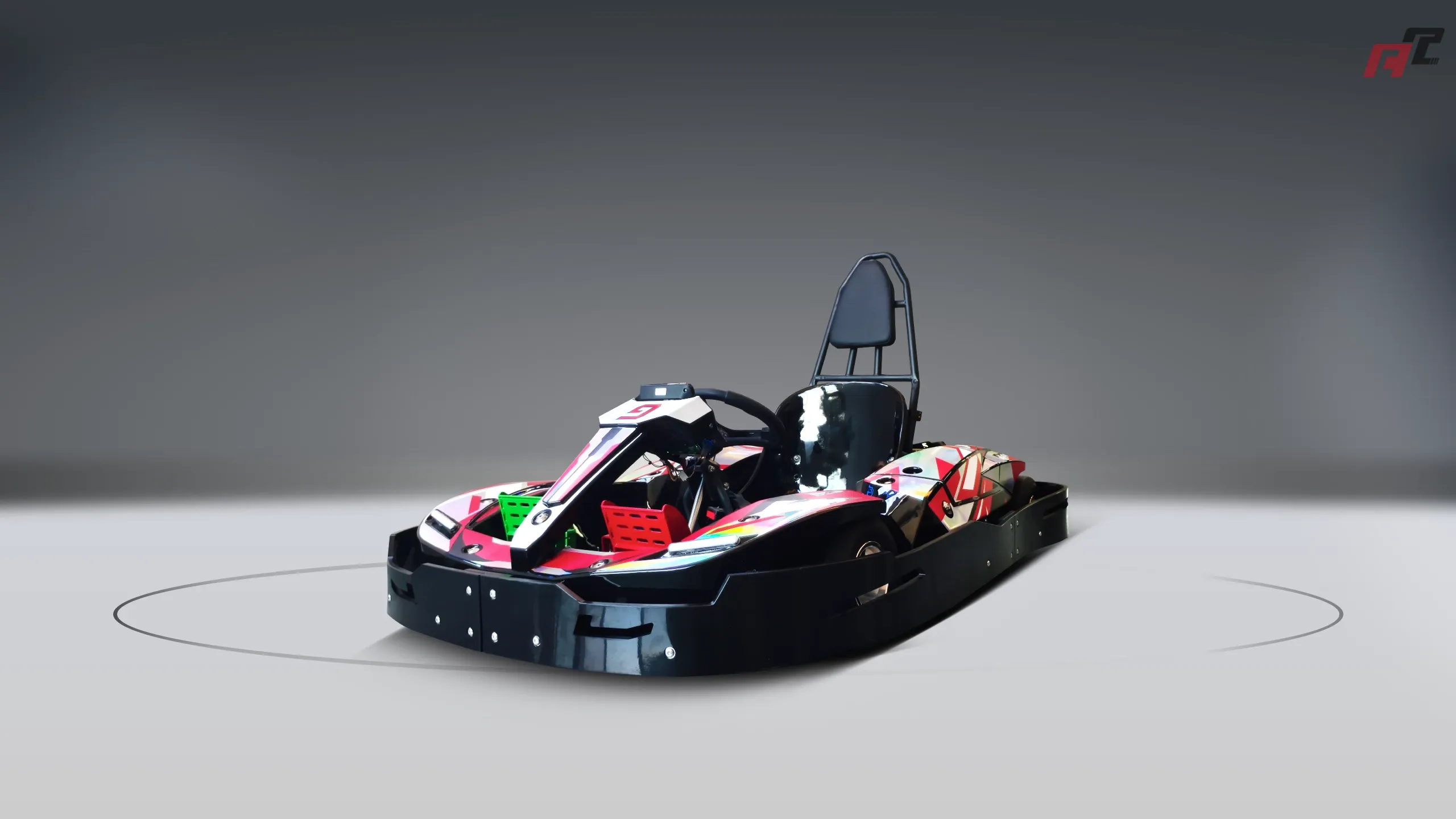
Cyclone RS 2025 1200W Electric Go-kart for Home Entertainment Centers
The Cyclone RS 2025 is a high-performance electric ride-on car designed for thrill-seekers, entertainment centers, and commercial amusement businesses. Built with a durable ABS body and reinforced metal chassis, it combines strength, safety, and speed for a superior driving experience. With a 1200W mid-mounted motor (peaking at 3600W), advanced control system, and long-lasting 72V20AH LiFePO₄ battery, this ride ensures both powerful performance and reliability.
Whether for amusement parks, game zones, rental businesses, or personal recreational use, the Cyclone RS 2025 delivers unmatched excitement and durability.
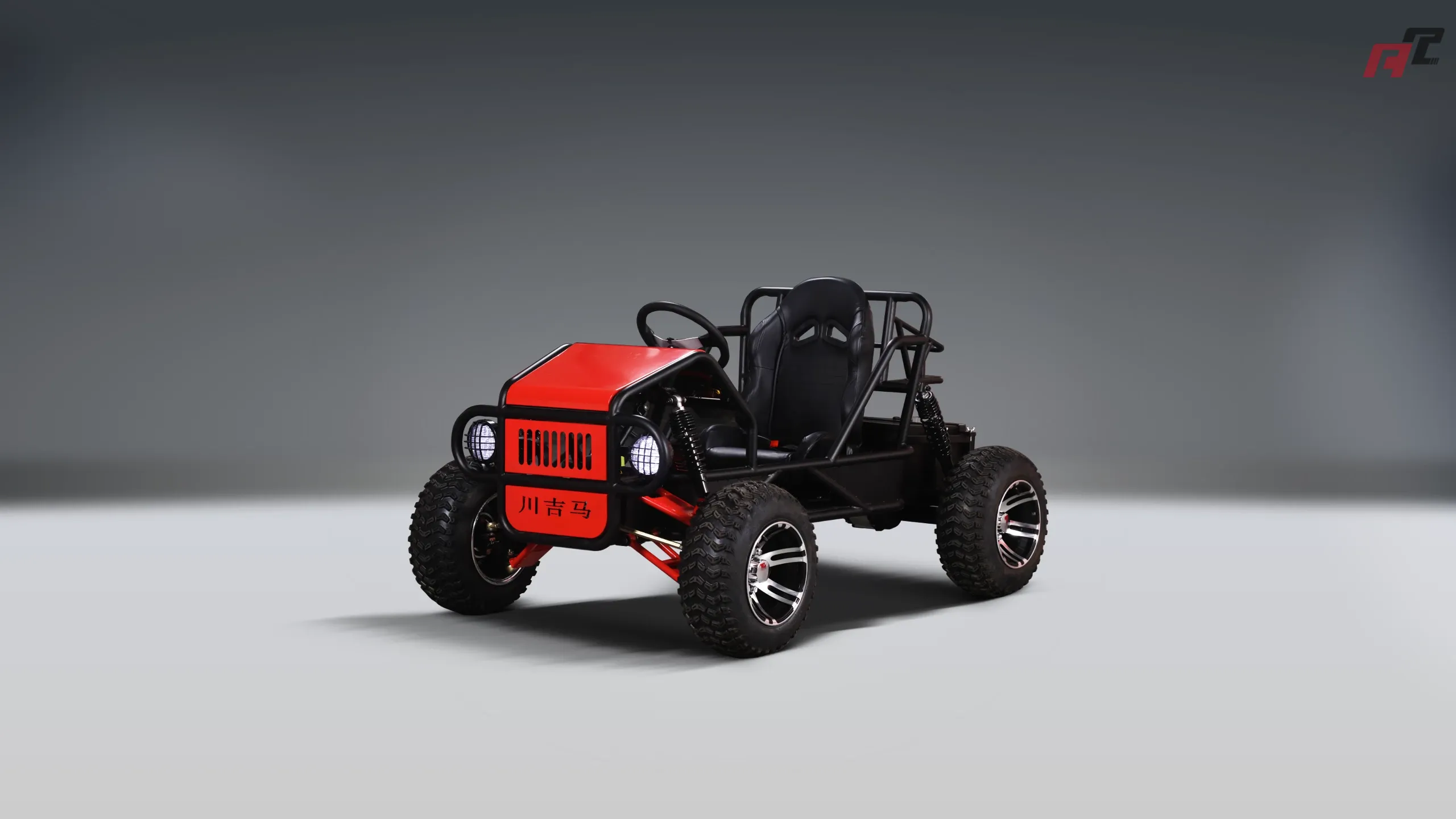
Kids Electric Off Roads One-seater ATV
Discover adventure with the ANCHI Kids Electric One-seater ATV, the perfect electric off-road experience for young explorers. Designed for safety and performance, this electric off-road go kart for kids offers unmatched thrills on any terrain. Its durable build and easy-to-use controls ensure a fun and safe ride. Ideal for budding adventurers, this ATV promises endless excitement. Explore the world with confidence with ANCHI’s innovative electric off-road solutions for kids.
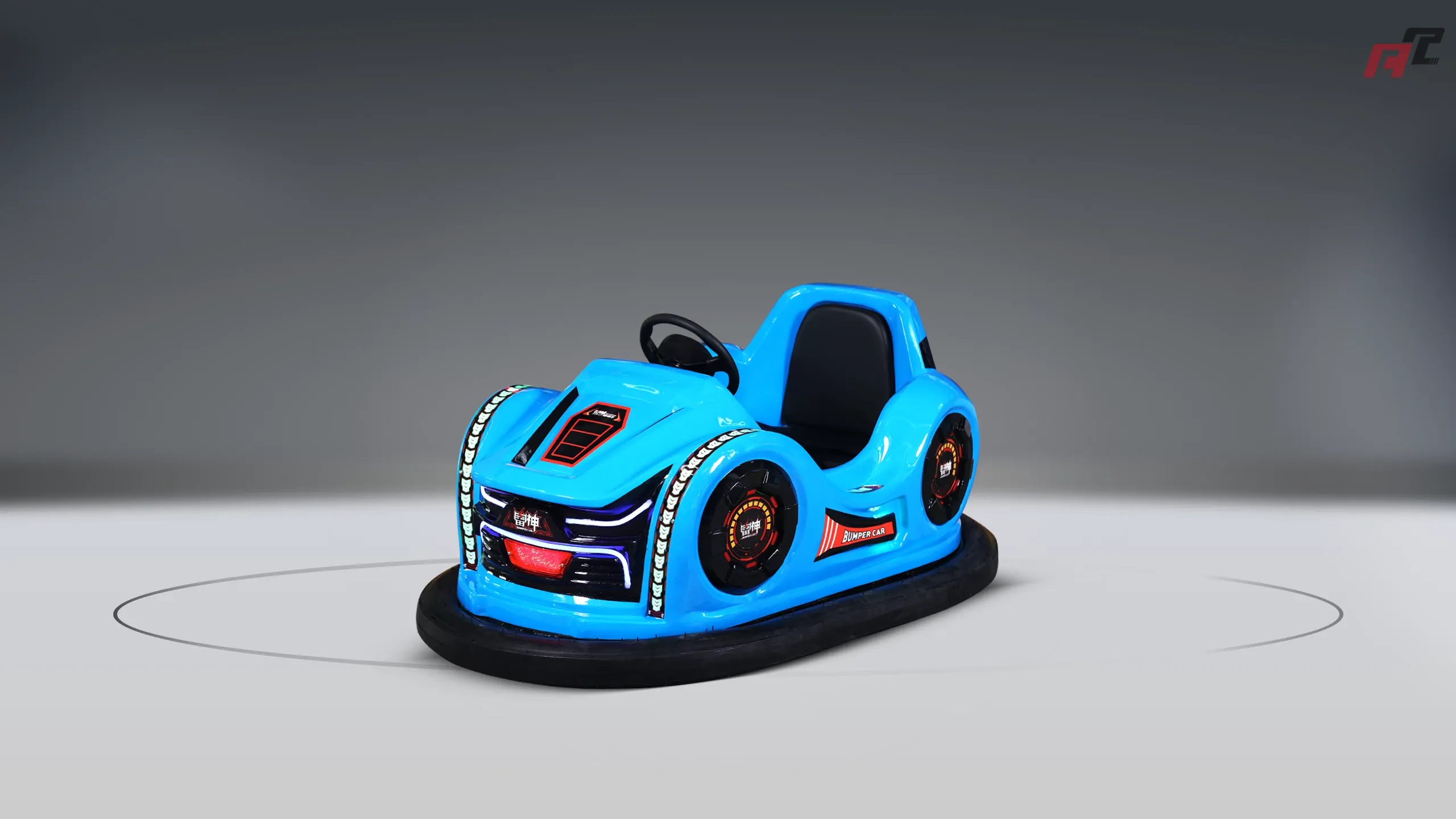
Battery Drift Bumper Car With inflatable tyre
The Battery Drift Bumper Car with Inflatable Tire with 650W steel gear motor, and high quality battery wich can becharged outside the car, the bumper car is ideal for amusement parks, family entertainment centers, build quality for safe, long-lasting fun.
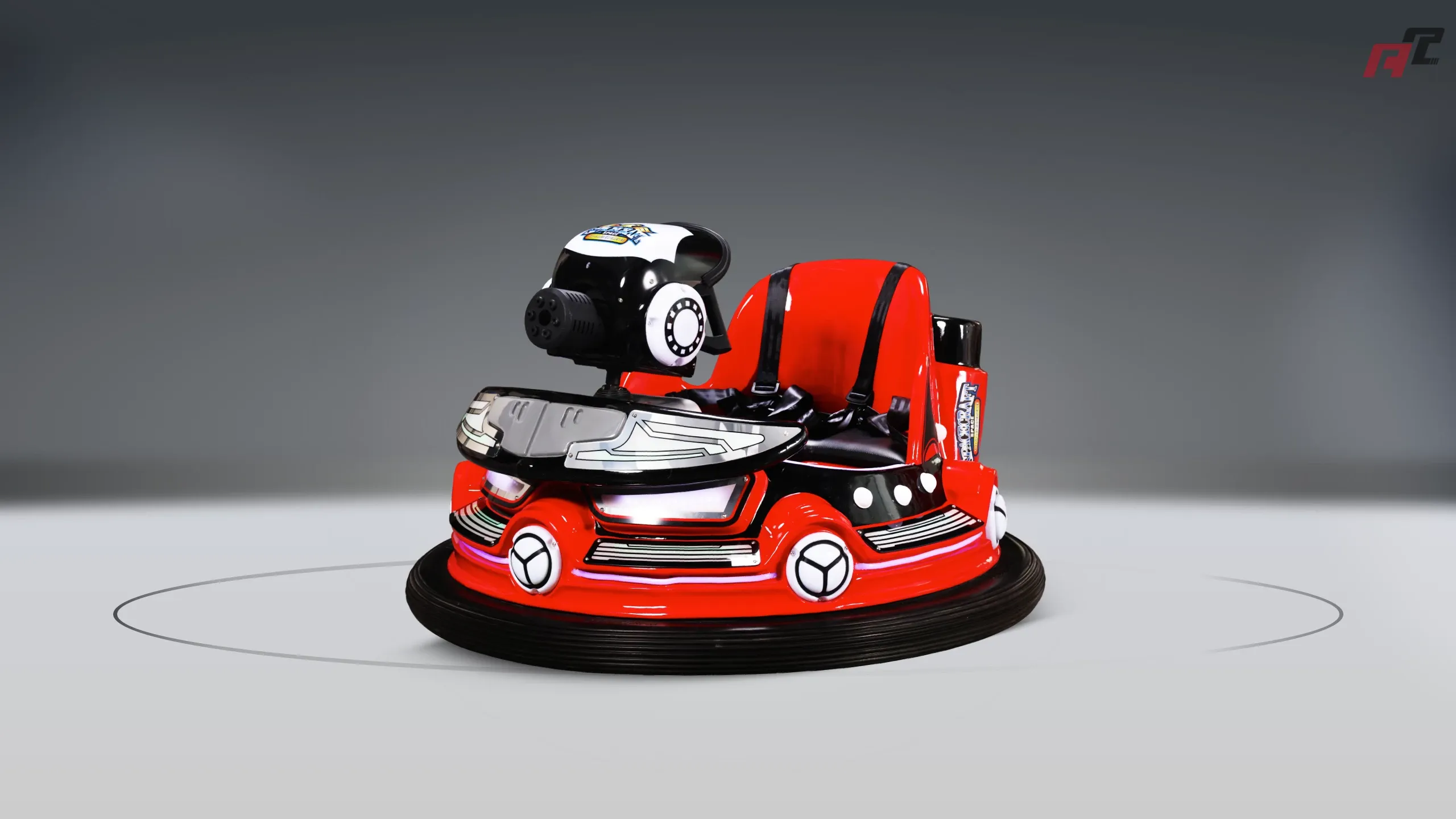
Spaceship Laser Battle Bumper Car
Discover the future of fun with the ANCHI Spaceship Laser Battle Bumper Car! Designed for thrill-seekers, this kids bumper car offers an exhilarating laser battle experience. Parents and children alike will enjoy hours of safe, exciting play. Ideal for parties or everyday fun, it combines durability with innovative technology.


