



Top Speed and Torque of Adult Electric Karts
- Decoupling Velocity and Rotational Force in Commercial Electric Drivetrains
- How Professional Electric Kart Manufacturers Engineer Track Dynamics
- Performance Benchmarks: High-Speed Karts vs. Commercial Drift Attractions
- Optimizing Total Cost of Ownership and Revenue for FEC Operators
- Frequently Asked Questions

Commercial racing and competitive entertainment sectors have experienced a monumental shift toward electrification, governed primarily by the sophisticated powertrain dynamics of modern electric motor systems. In adult electric racing, performance is fundamentally defined by the interplay between instantaneous torque delivery and governed top speed. Unlike internal combustion engines that rely on gradual rev-up curves, electric systems deliver maximum rotational force at zero RPM, transforming acceleration metrics and track layouts across the globe. Today, leading Electric Go Karts and commercial fleet platforms leverage advanced power electronic inverters, lithium-ion energy storage, and industrial-grade gearing to optimize throughput, pilot adrenaline, and equipment durability.
Decoupling Velocity and Rotational Force in Commercial Electric Drivetrains
To understand the engineering behind adult karts, one must evaluate how torque and speed are generated, modulated, and transferred to the tarmac. While top speed dictates a vehicle's absolute terminal velocity along open straights, torque dictates corner exit speed, acceleration out of apexes, and the overall agility of the kart. Electric kart manufacturers invest heavily in motor controller calibration to strike the perfect equilibrium between pilot thrills and operational longevity.
The Mechanics of Instantaneous Electric Torque
Electric propulsion fundamentally diverges from thermal combustion engines due to electromagnetic field interaction. In permanent magnet synchronous motors (PMSM) and brushless direct current (BLDC) motors, electromagnetic flux begins driving the rotor the microsecond current flows through the stator coils. According to technical standards maintained by the IEEE, electric traction motors can achieve immediate magnetic saturation, resulting in flat, instantaneous peak torque curves from 0 RPM up to the motor's base operational speed.
This physical attribute eliminates clutch engagement lag, offering blistering acceleration figures—often propelling adult karts from 0 to 45 mph in under 3.5 seconds. For indoor raceways featuring short straights and tight hairpins, torque is the paramount performance metric. High starting torque ensures drivers exit low-speed chicanes with neck-snapping responsiveness, generating high-intensity racing even within tight footprint constraints.
Understanding Peak vs. Continuous Operating Speeds
Top speed in adult electric karts is typically governed based on operational category, circuit geometry, and local regulatory safeguards. High-end adult outdoor karts can reach terminal velocities exceeding 60 to 75 mph (95 to 120 km/h), whereas commercial indoor rental fleets are deliberately governed between 35 and 50 mph (56 to 80 km/h) to maintain safety margins. However, sustaining these velocities requires immense continuous power output.
A key engineering metric is the difference between peak horsepower (which can be sustained for only 5 to 15 seconds during overtakes or acceleration bursts) and continuous power output. Continuous duty cycles prevent motor phase winding insulation from degrading due to extreme resistive heating. Premier electric kart manufacturers program sophisticated motor controllers with pulsed thermal algorithms that protect the core while ensuring competitive passing power remains readily available.
RPM Scaling and Gear Ratio Engineering
Electric motors often operate at speeds ranging from 4,000 to over 8,000 RPM. Because kart wheels are relatively small (typically 10 to 11 inches in diameter), fixed-ratio single-speed reduction drives are employed using high-strength synchronous belts or heavy-duty chains. The selected gear ratio dictates whether a vehicle leans toward breakneck acceleration or higher terminal velocity.
A larger reduction ratio amplifies axle torque, allowing heavy adult drivers to launch rapidly out of technical bends, albeit at the sacrifice of absolute top speed. Conversely, a taller gear ratio allows the kart to reach higher velocities on extensive outdoor straights but demands higher current draw during low-speed recovery, placing heavier thermal stress on the controller and battery cells.
How Professional Electric Kart Manufacturers Engineer Track Dynamics
Designing high-performance adult amusement and racing machinery requires a holistic integration of mechanical durability, chemical energy density, and intelligent telemetry. Commercial operators demand maximum operational uptime per charge coupled with low maintenance overheads, directing manufacturers to adopt ruggedized components and modular assemblies.
Battery Chemistry and Discharge C-Rates
The torque and top speed capabilities of an electric kart are inextricably linked to the discharge capabilities of the traction battery. Modern fleets predominantly rely on lithium-ion battery chemistries, particularly Lithium Nickel Manganese Cobalt Oxide (NMC) and Lithium Iron Phosphate (LiFePO4). While LiFePO4 offers exceptional thermal stability and lifecycle endurance (often exceeding 2,000 full charge cycles), NMC delivers higher specific energy density, reducing total chassis weight.
Crucially, battery packs must exhibit high continuous C-rates (the rate at which a battery discharges relative to its maximum capacity). When a driver floors the throttle out of a turn, the motor demands a massive inrush of amperes. If the internal resistance of the battery cells is too high, voltage sag occurs, limiting the peak torque output and causing sluggish handling. Leading electric kart manufacturers mitigate voltage sag through balanced cell matching and active thermal management.
Motor Controller Tuning and Dynamic Speed Governing
The inverter-controller acts as the brain of the electric kart, converting direct current from the battery pack into precisely modulated multiphase alternating current. Through Field-Oriented Control (FOC), controllers monitor rotor position with high-resolution magnetic encoders, dynamically adjusting current vectors to maximize electromagnetic efficiency and limit wasted heat.
Furthermore, commercial operators require multi-tier fleet management capabilities. Controllers integrate radio-frequency or Wi-Fi telemetry that allows track marshals to throttle down individual karts, govern overall fleet speeds during track yellows, or configure separate speed profiles (e.g., Novice at 20 mph, Intermediate at 35 mph, Pro at 50 mph). This software versatility enables one fleet to safely serve diverse demographic profiles while preserving mechanical components.
Integrating Specialized Drift and Agility Vehicles
While standard racing karts prioritize linear acceleration and rigid mechanical grip, modern Family Entertainment Centers (FECs) and amusement venues increasingly integrate high-action, compact vehicles that focus on dynamic handling, drifting thrills, and high patron turnover. This diversification has spurred electric kart manufacturers to innovate specialized drift systems alongside classical karts.
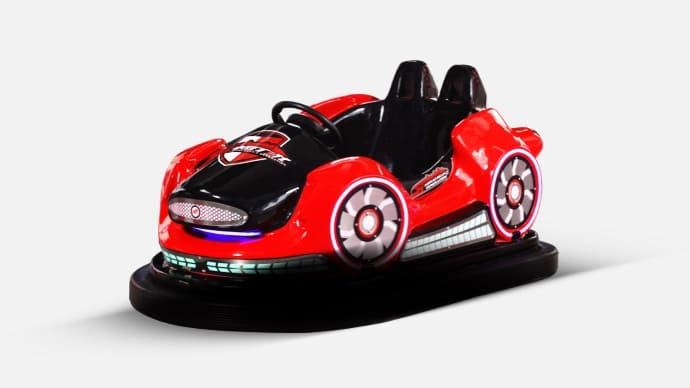
A prime example of this engineering evolution is the Battery Drift Bumper Car With inflatable tyre. Operating as a hybrid between agility drifting and resilient bumper car durability, this platform addresses the demand for high-torque interactive thrills in constrained operational spaces. Built with industrial robustness, the Battery Drift Bumper Car with Inflatable Tire with 650W steel gear motor, and high quality battery wich can becharged outside the car, the bumper car is ideal for amusement parks, family entertainment centers, build quality for safe, long-lasting fun. By utilizing an integrated steel gear drive rather than vulnerable belts or chains, torque transfer is immediate, facilitating effortless power slides and tight rotational maneuvers while maintaining absolute passenger safety.
Performance Benchmarks: High-Speed Karts vs. Commercial Drift Attractions
Selecting the appropriate electric vehicle depends entirely on facility space, target audience, maintenance bandwidth, and revenue goals. Understanding the mechanical trade-offs between full-scale adult racing karts, indoor rental models, and high-engagement drift attractions provides operators with clear commercial direction.
| Comparison Factor | Professional Adult Racing Kart | Standard Commercial Indoor Kart | Battery Drift Bumper Car With Inflatable Tyre |
|---|---|---|---|
| Typical Motor Output | 15 kW – 30 kW PMSM | 5 kW – 10 kW BLDC | 650W Industrial Steel Gear Motor |
| Terminal Top Speed | 60 – 75+ mph (95 – 120 km/h) | 35 – 50 mph (56 – 80 km/h) | 8 – 15 mph (Engineered Drift Dynamics) |
| Torque Delivery Focus | Ultra-High Instantaneous Peak Launch | Governed Acceleration Curves | Continuous High-Reduction Steel Gear Torque |
| Power Transmission | Direct Belt / Heavy Roller Chain | Enclosed Belt Reduction | Enclosed Hardened Steel Gearbox |
| Track Space Required | Large Indoor / Outdoor Circuits (>600m) | Medium Indoor Tracks (300m - 500m) | Compact Arena / Flat Concrete (80m - 200m) |
| Battery Charging Architecture | Fast DC On-Kart Charging | On-Kart Swap or Fast Charge Dock | Removable External Charging Battery Modules |
Chassis Rigidity and Weight Distribution Impact
Chassis dynamics fundamentally influence how torque transfers into forward traction or controlled lateral sliding. High-speed racing karts employ precision chrome-moly tubular steel frames with calibrated torsional flex. Because these vehicles lack active mechanical suspension, frame elasticity serves as the suspension system, lifting the inside rear tire during cornering to permit clean differential-free rotation.
Conversely, drift-oriented entertainment vehicles such as the Battery Drift Bumper Car With inflatable tyre utilize rigid boxed steel underpinnings enveloped by pneumatic impact-absorbing bumpers. The heavy-duty inflatable ring dampens kinetic energy transfer during multi-directional contact while stabilizing the low center of gravity. This structural setup enables drivers to initiate wide drifts under steady 650W torque delivery without the risk of rollovers or frame deformation.
Compliance Standards and Thermal Limits
Commercial amusement vehicles must adhere to stringent global safety frameworks, such as those established by the International Organization for Standardization (ISO) under technical safety guidelines for amusement rides and recreational devices (such as ISO 17842). Thermal dissipation is a critical compliance checkpoint. During back-to-back operational sessions, motors and battery packs generate considerable internal heat.
When high-torque demands encounter inadequate cooling, components reach thermal throttling thresholds, significantly diminishing speed and torque output. Commercial electric kart manufacturers counter this using forced-air ducted cooling shrouds, extruded aluminum heat-sink casings, and high-temp Class H copper winding insulation capable of withstanding operating temperatures well above 180°C.
Optimizing Total Cost of Ownership and Revenue for FEC Operators
Investing in commercial electric karting fleets involves strategic financial analysis covering initial capital expenditure, continuous energy costs, consumable replacement schedules, and facility footprint optimization. High-torque electric machinery substantially outclasses legacy gas fleets in operational economics.
Fleet Maintenance and Motor Longevity
Gas-powered karts carry significant maintenance overhead: oil changes, spark plug fouling, carburetor cleaning, clutch rebuilds, and exhaust ventilation compliance. In contrast, brushless electric motors and sealed steel gear transmissions operate virtually maintenance-free for thousands of running hours. There are no consumable clutches to glaze over from inexperienced drivers riding the brake and throttle simultaneously.
Furthermore, regenerative braking systems programmed into advanced motor controllers recapture kinetic energy during deceleration, routing charge back into the battery while drastically reducing physical brake pad and rotor wear. This electro-mechanical balance cuts track downtime by up to 60%, allowing operators to maintain high fleet utilization rates across peak operational weekends.
Charging Infrastructure and Battery Swap Strategies
Operational downtime during public operating hours directly erodes ticket revenue. Forward-thinking entertainment centers avoid long charging stalls by implementing vehicles with modular battery designs. Systems featuring batteries that can be charged outside the car allow facilities to run a continuous rotation cycle: while one pack powers active driving on the track floor, a secondary bank recharges safely in a dedicated, climate-controlled charging room.
This external charging capability decouples the vehicle chassis from static electrical cords, ensuring that a simple two-minute battery swap returns the attraction to service. Combined with robust mechanical drivetrains, modular charging forms the backbone of scalable, high-margin entertainment facility management.
To upgrade your venue with industry-leading commercial racing platforms or to discover how the Battery Drift Bumper Car With inflatable tyre elevates entertainment profitability, contact our specialized engineering team at sandy@anchiyoule.com.
Frequently Asked Questions
What is the typical top speed of an adult electric kart?
Adult commercial electric karts designed for indoor tracks usually operate between 35 and 50 mph (56 to 80 km/h), while high-performance outdoor racing models can reach speeds exceeding 60 to 75 mph (95 to 120 km/h). Commercial facilities often govern these speeds electronically based on driver skill tiers and track safety boundaries.
Why is torque more critical than top speed in indoor electric karting?
Indoor circuits feature tight chicanes, hairpins, and limited straightaways where vehicles rarely achieve terminal top speed. Instantaneous electric torque allows the kart to accelerate rapidly out of low-speed turns, providing intense driver engagement, responsive handling, and faster lap times without demanding expansive track lengths.
How do electric kart manufacturers achieve instant torque response?
Electric kart manufacturers utilize brushless DC (BLDC) or permanent magnet synchronous motors (PMSM) paired with Field-Oriented Control (FOC) inverters. Because electric motors generate peak electromagnetic flux instantaneously when current is applied, they produce 100% of their rated torque from zero RPM without clutch slippage or rotational lag.
What makes the Battery Drift Bumper Car With inflatable tyre suitable for family entertainment centers?
The Battery Drift Bumper Car With inflatable tyre is equipped with a 650W steel gear motor and an external-charge battery pack. It features heavy-duty inflatable bumpers that absorb multi-directional impacts while its drivetrain supports controlled drift maneuvers. Its compact footprint, easy battery replacement, and low maintenance make it an ideal, high-throughput attraction for commercial venues.
How do operators manage battery charging without interrupting continuous track sessions?
Commercial operators rely on modular battery architectures that permit external charging away from the vehicle. By keeping spare battery packs on charging stations while active packs are on the floor, staff can perform rapid swaps in a few minutes, avoiding vehicle downtime and maximizing revenue.

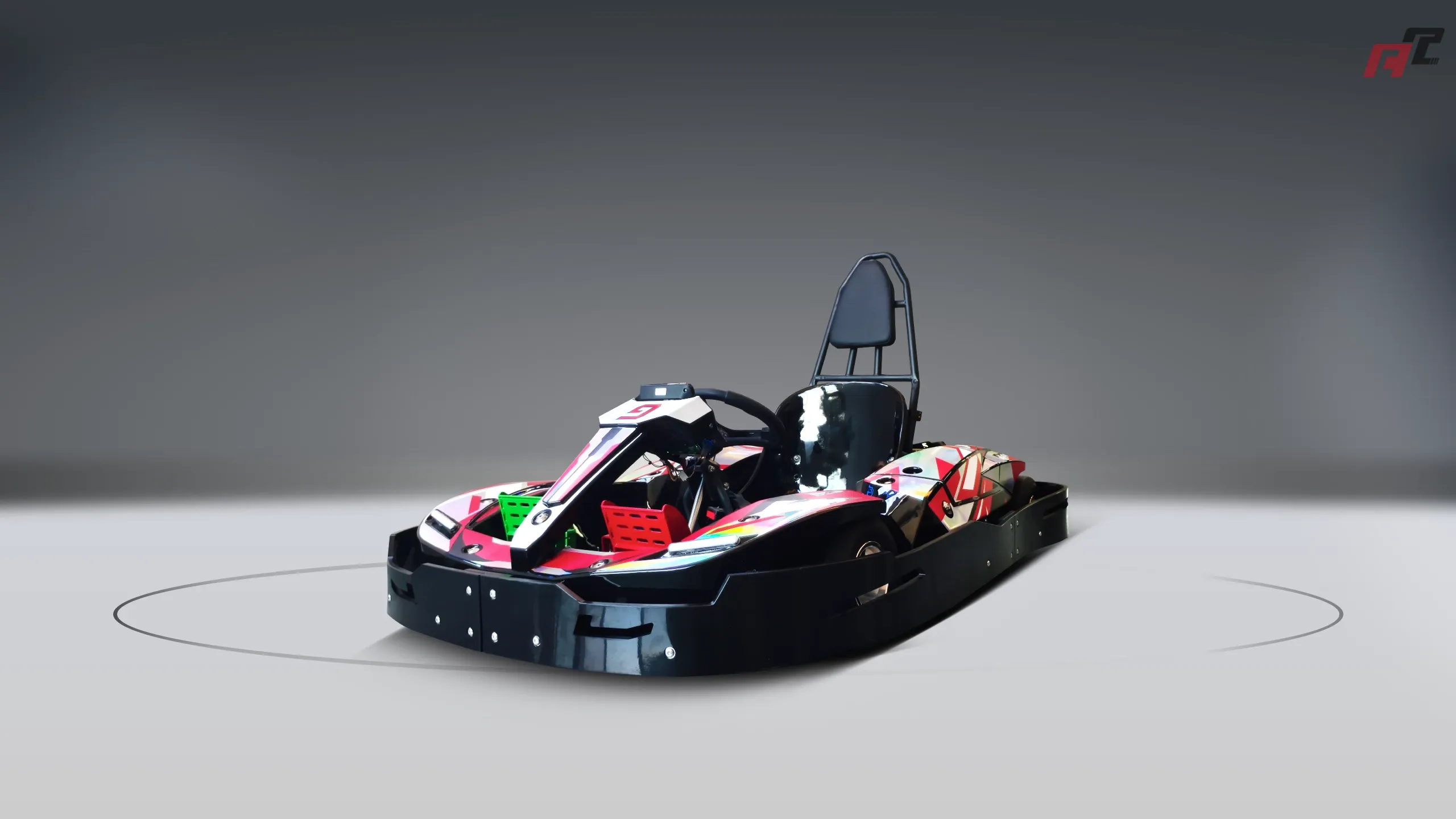
The Cyclone RS 2025 is a high-performance electric ride-on car designed for thrill-seekers, entertainment centers, and commercial amusement businesses. Built with a durable ABS body and reinforced metal chassis, it combines strength, safety, and speed for a superior driving experience. With a 1200W mid-mounted motor (peaking at 3600W), advanced control system, and long-lasting 72V20AH LiFePO₄ battery, this ride ensures both powerful performance and reliability.
Whether for amusement parks, game zones, rental businesses, or personal recreational use, the Cyclone RS 2025 delivers unmatched excitement and durability.
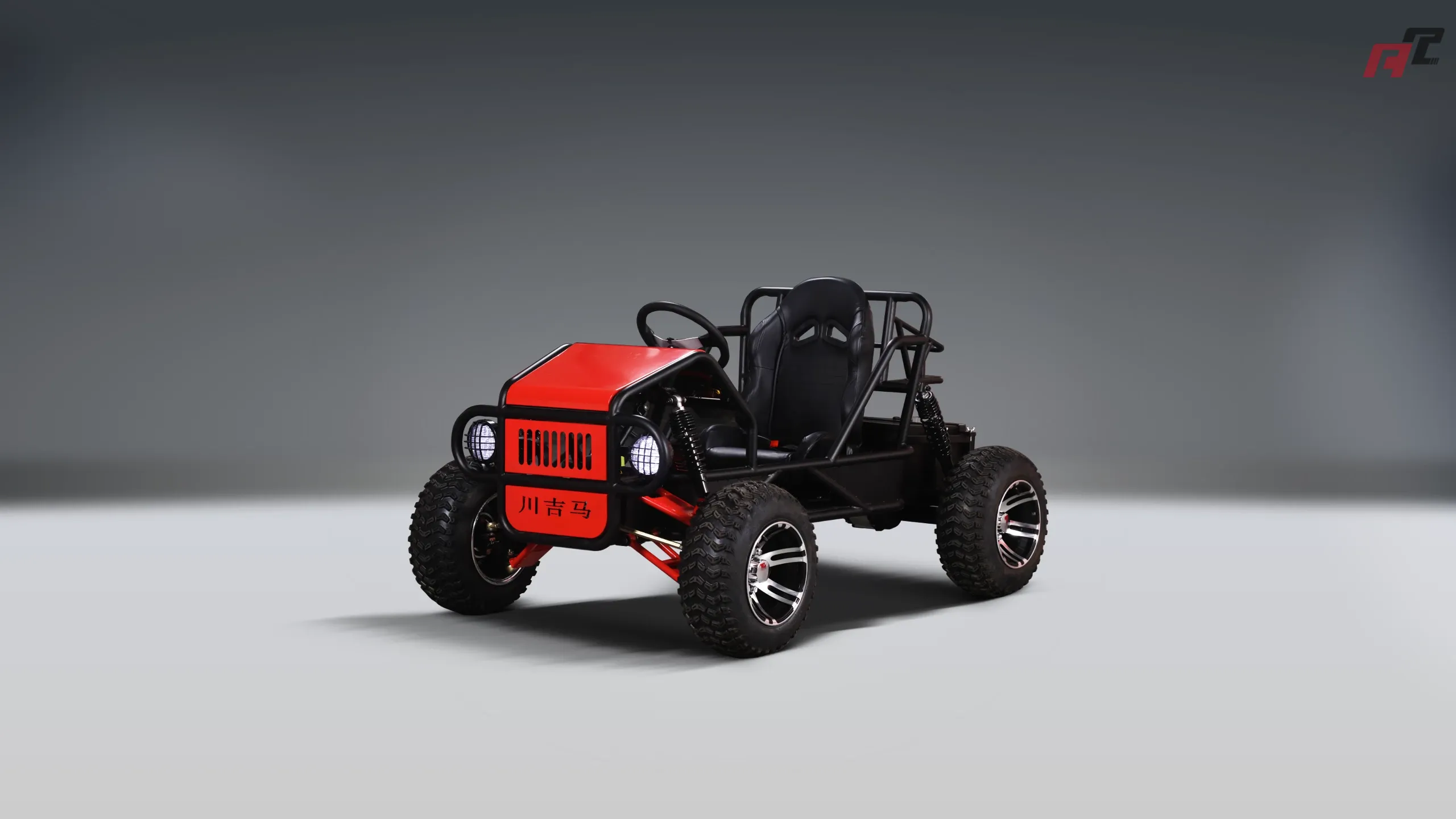
Discover adventure with the ANCHI Kids Electric One-seater ATV, the perfect electric off-road experience for young explorers. Designed for safety and performance, this electric off-road go kart for kids offers unmatched thrills on any terrain. Its durable build and easy-to-use controls ensure a fun and safe ride. Ideal for budding adventurers, this ATV promises endless excitement. Explore the world with confidence with ANCHI’s innovative electric off-road solutions for kids.
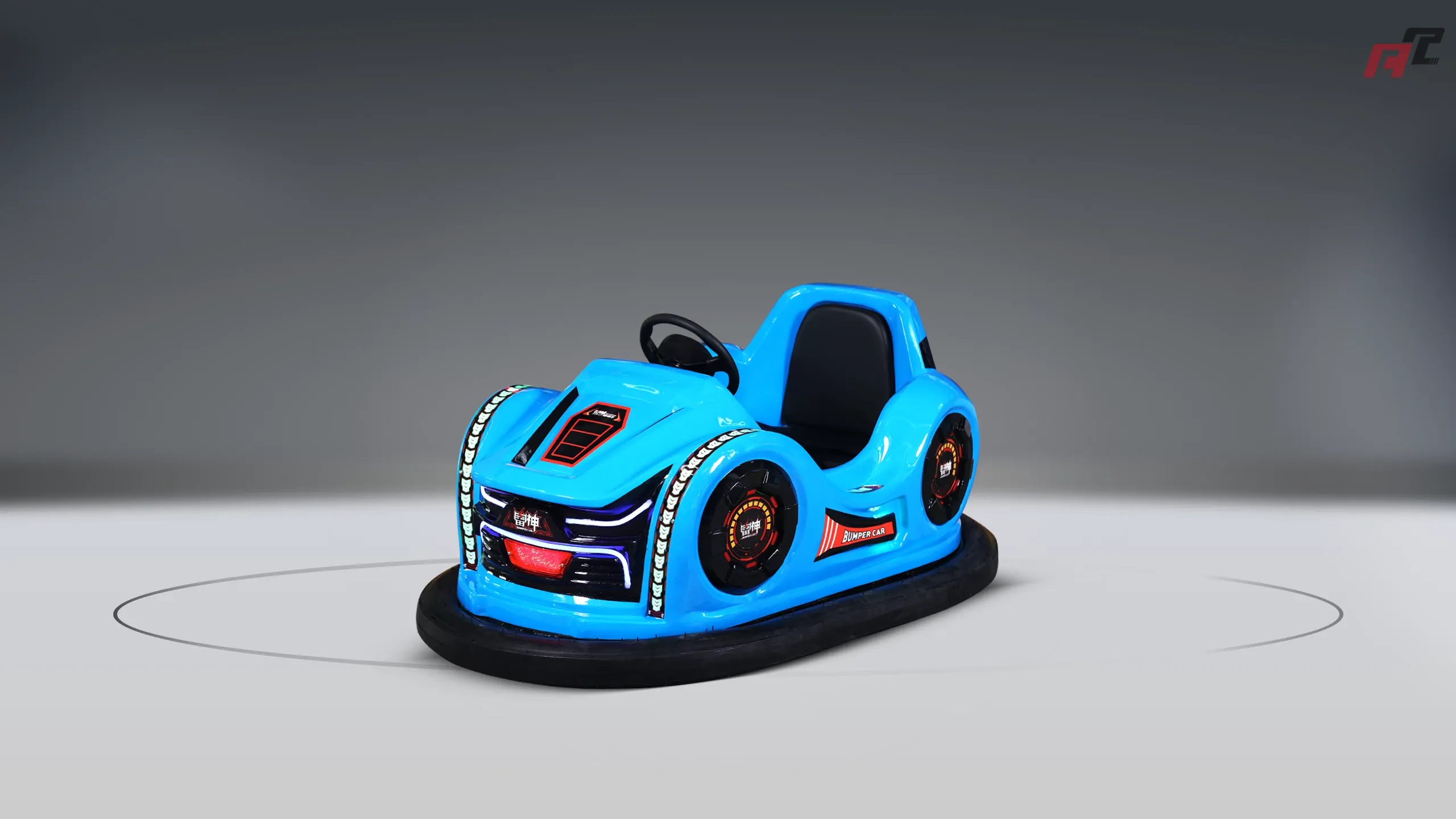
The Battery Drift Bumper Car with Inflatable Tire with 650W steel gear motor, and high quality battery wich can becharged outside the car, the bumper car is ideal for amusement parks, family entertainment centers, build quality for safe, long-lasting fun.
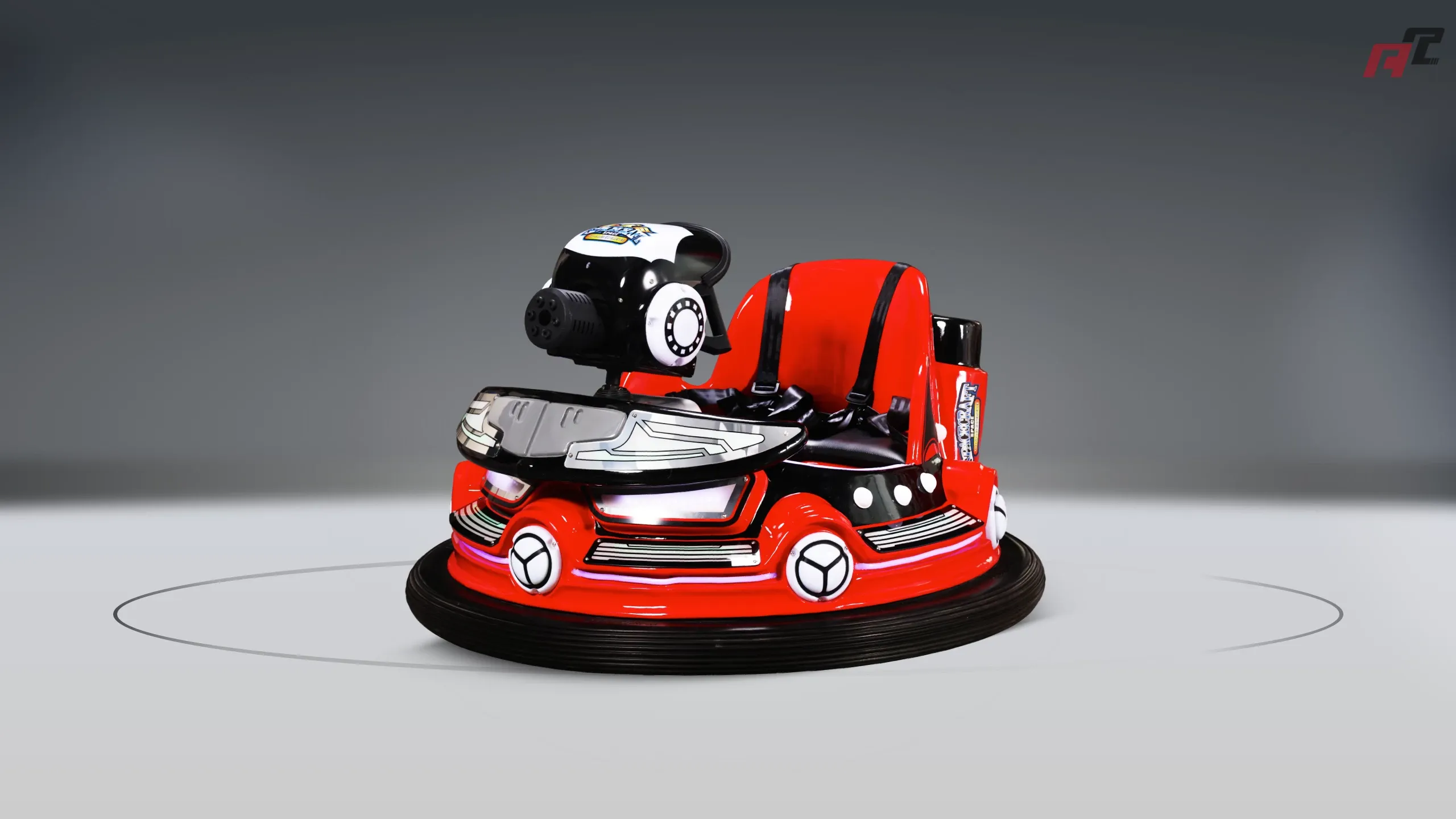
Discover the future of fun with the ANCHI Spaceship Laser Battle Bumper Car! Designed for thrill-seekers, this kids bumper car offers an exhilarating laser battle experience. Parents and children alike will enjoy hours of safe, exciting play. Ideal for parties or everyday fun, it combines durability with innovative technology.


